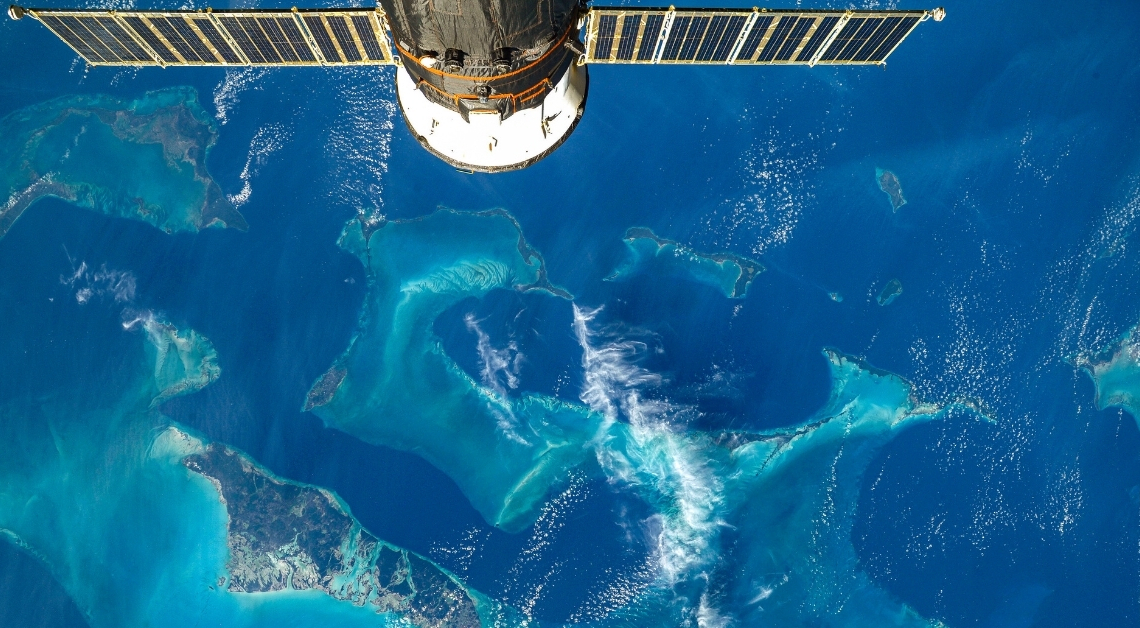
On Tuesday evening, a retired NASA spacecraft, clad in flame, came barreling back to Earth. This ended a mission that once helped scientists understand one of the planet’s most important natural defense systems. The object was Van Allen Probe A, a 1,323-pound satellite launched in 2012 to study Earth’s radiation belts.
According to the U.S. Space Force, the satellite was expected to re-enter the atmosphere around 7:45 p.m. EDT, though predictions carry a margin of error of about 24 hours. It’s descent can’t be steered. It’s a runaway train barreling through the Earth’s atmosphere. NASA expects the majority of the spacecraft to burn up in the atmosphere, though some pieces could survive the fall.
The risk to people on the ground is extremely small. NASA estimates the chance of anyone being harmed at roughly 1 in 4,200. That sounds alarming until you remember that 71 percent of the planet’s surface is water, and most space debris disintegrates before reaching the surface.
A Dead NASA Satellite Is Falling Out of the Sky Right Now
Van Allen Probe A was one half of a twin mission designed to explore the doughnut-shaped radiation zones trapped by Earth’s magnetic field, known as the Van Allen belts. These belts act as a kind of planetary shield by blocking harmful solar particles that could otherwise damage satellites, disrupt power grids, or threaten human health.
During his years of service, the twin probes gave us a clear picture of how these radiation belts behave. It made a series of discoveries, including that a temporary third radiation belt can form during intense solar activity.
Both probes ran out of fuel and were deactivated in 2019, drifting in orbit until atmospheric drag gradually pulled them down. It’s arriving way ahead of schedule. NASA expected its reentry around 2034, but a spike in solar activity in recent years expanded the upper atmosphere, increasing drag and accelerating its orbital decay.
Satellites and old rocket parts are constantly falling back to earth, most of them burning up without notice. The ones that are noticed are usually wished upon by people, thinking they’re shooting stars. Really, there is no meaningful difference, so if you saw a streak across the sky last night and made a wish, you wished on a dying NASA probe.
The post A 1,300-Pound NASA Satellite Crashed Back to Earth After 14 Years in Space appeared first on VICE.