Most of Iran’s best air defenses are no longer factors in mission plans for American air operations, giving US and Israeli air forces space for strikes deeper in the country, the top US general said Tuesday.
US Air Force Gen. Dan Caine, chairman of the Joint Chiefs of Staff, gave an update on the US war in Iran on Tuesday morning and answered a question on the status of Iran’s air defense capabilities and the threat to American aircraft. “Most of their higher-end surface-to-air missile systems are not factors at this point,” he told reporters.
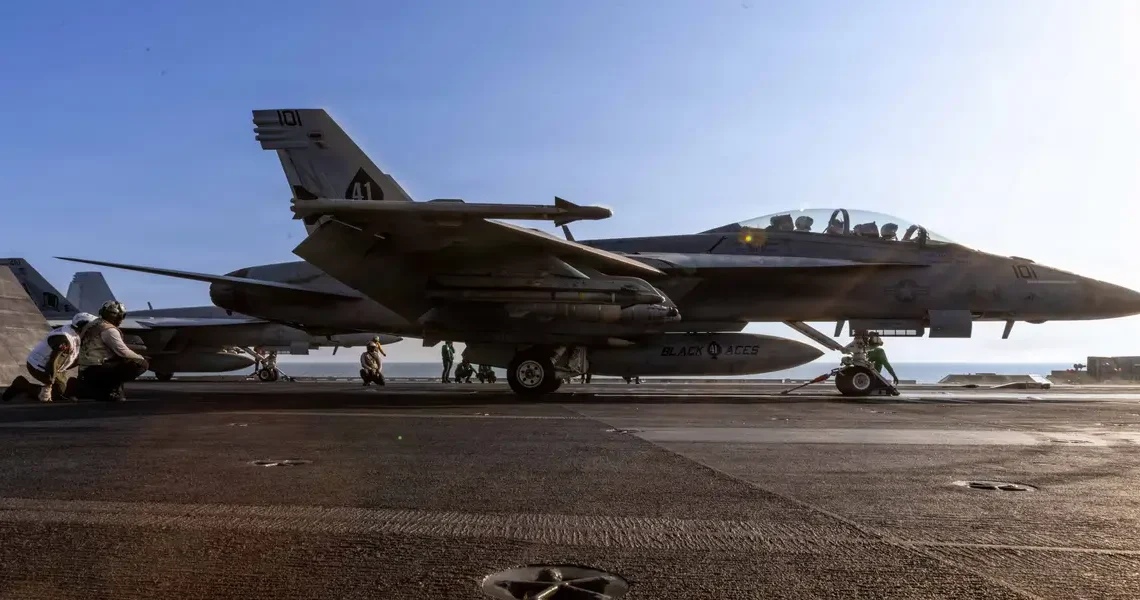
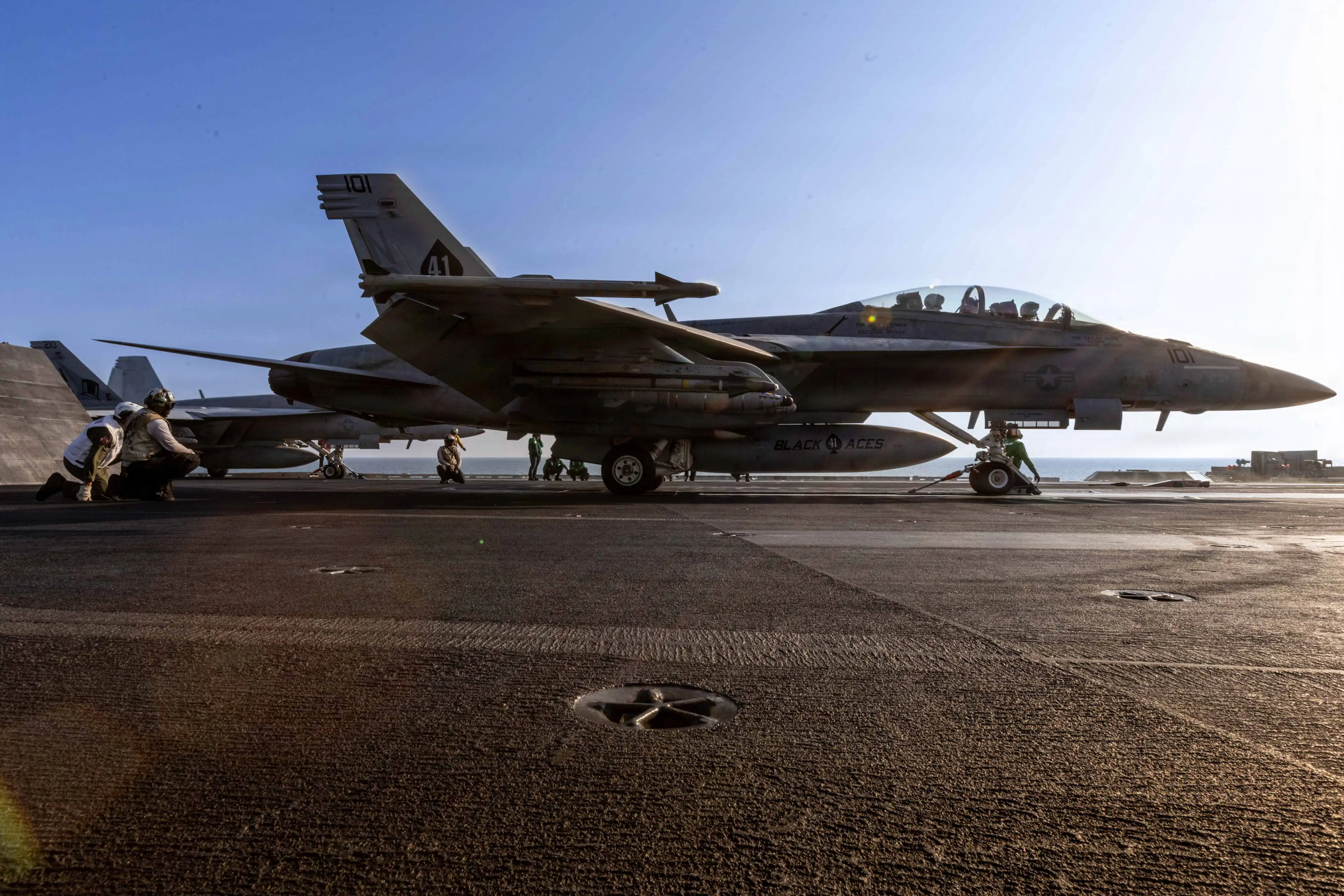
“We’re able to move around fighters that are moving deeper with relative impunity,” the general said.
The Department of Defense shared a map on Tuesday after the press briefing showing the timeline and targets for the first 10 days of Operation Epic Fury. US and Israeli strike points cover nearly all the designated “Iranian Air Defenses.”
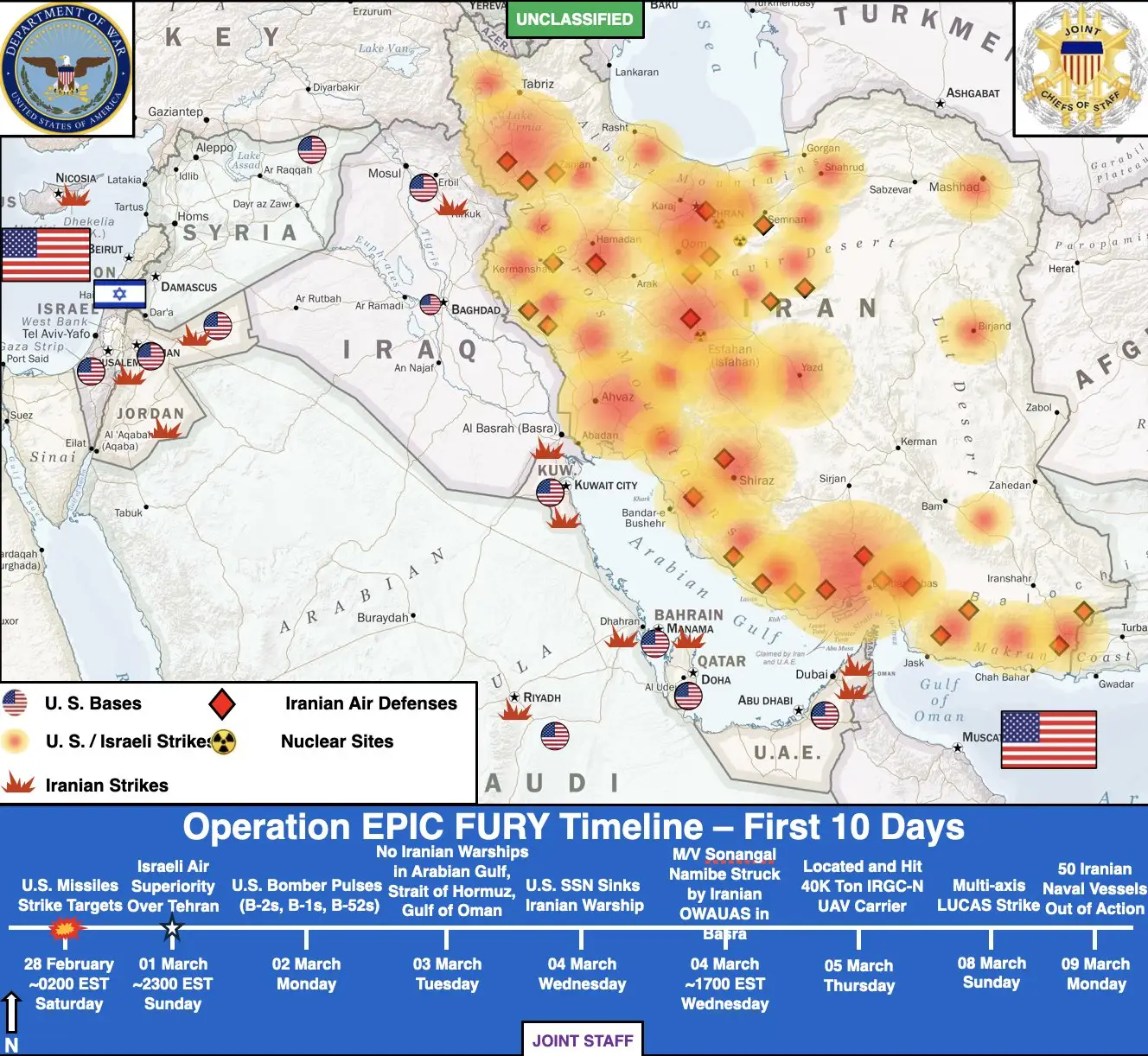
In the early days of the fighting, Caine and other US officials pointed to Iranian air defenses and missiles as primary targets alongside Iran’s naval forces and nuclear sites.
The US and Israel have struck Iranian air defense systems with physical munitions, but separately, the Pentagon has indicated that cyber, space, and electronic warfare assets were used to blind Iranian defenses and disrupt their communications.
In October 2024, Israel carried out a significant strike targeting Iran’s missile production and air defenses, saying it could operate “with greater freedom in Iranian airspace.”
Israel conducted another preemptive strike in June 2025, destroying Iranian air defenses so its air forces could attack Iran’s nuclear facilities. Days later, the US carried out Operation Midnight Hammer aimed at destroying major Iranian nuclear sites.
After that operation, Caine said it didn’t look like Iran got a shot off at the strike package. “It appears that Iran’s surface-to-air missile systems did not see us,” he said.
He added that US fourth- and fifth-generation aircraft flew ahead of the B-2 Spirit bombers carrying massive 30,000-pound munitions, “sweeping in front of the package for enemy fighters and surface-to-air missiles.”
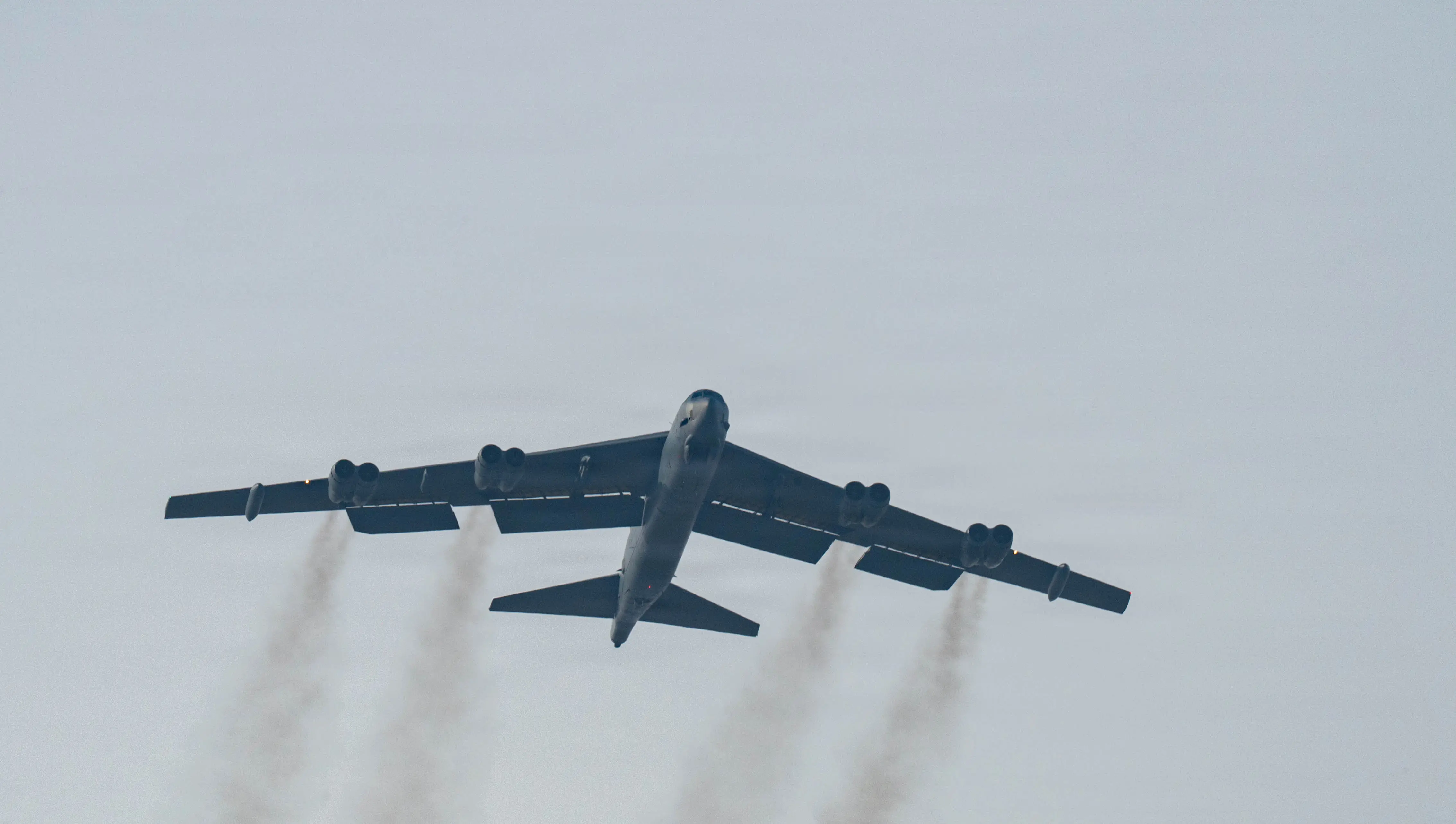
Air Force officials have said Iranian air defenses were unable to target US forces during the operation.F-35 Lightning II stealth fighters were tasked with suppressing air defenses.
Iran possesses a layered air defense network including a mix of its own systems and Russian ones, including the Bavar-373, an advanced, long-range system, and a variant of the Russian-made S-300.
At Monday’s press briefing, Caine said that with the degradation of Iran’s air defense network, aircraft can move with impunity. It’s an indication that the localized air superiority achieved early on in the fighting has expanded.
The danger isn’t totally removed though. “Always some risk out there,” Caine said. “I don’t want to say there isn’t.”
Since the war began late last month, the US and Israel have conducted over 5,000 strikes on targets. Nearly 2,000 of those were struck in the first 100 hours of the conflict, and the US has recorded major drops in the number of Iranian missiles and drones and the rate of fire.
Read the original article on Business Insider
The post The top US general says most of Iran’s best air defenses are no longer factors, clearing the way for deeper air operations appeared first on Business Insider.