ATLANTA — A judge has rejected a request for a new trial for a Venezuelan man convicted of killing Georgia nursing student Laken Riley, a case that became a flashpoint in the national debate over immigration.
Lawyers for Jose Ibarra argued his constitutional rights were violated when the judge declined two defense motions before trial. One was a request to delay the trial to give an expert witness time to review and analyze DNA data. The other would have excluded some cellphone evidence.
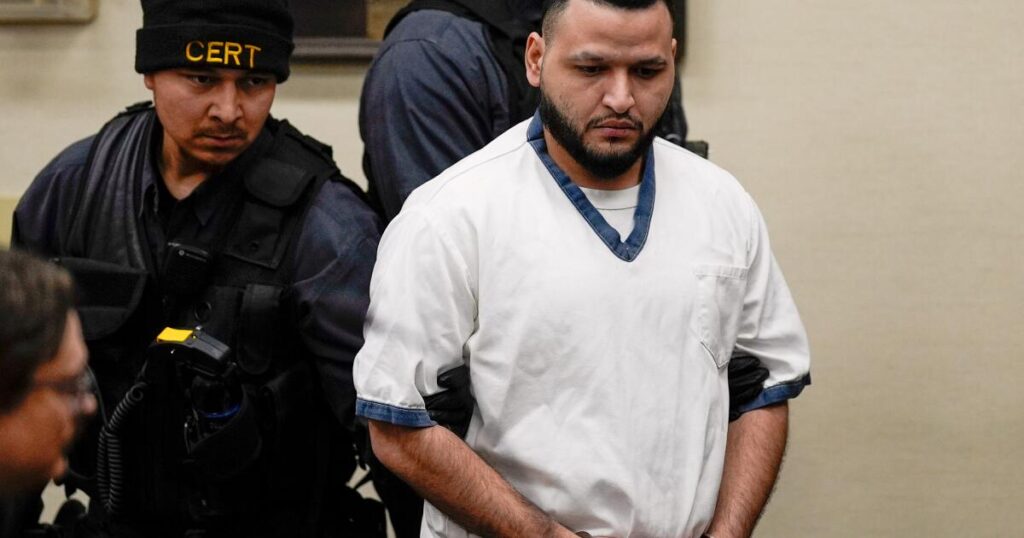
Clarke County Superior Court Judge H. Patrick Haggard, who presided over the trial, wrote in an order Monday that the evidence of Ibarra’s guilt presented by the state was “overwhelming and powerful.” After Ibarra waived his right to a jury trial, Haggard found him guilty of murder and other charges during the November 2024 trial and sentenced him to life in prison.
Attorneys for Ibarra did not immediately respond to an email Tuesday seeking comment on the judge’s denial of the motion for a new trial. Ibarra has 30 days to file a notice of appeal.
Ibarra, 28, had entered the U.S. illegally in 2022 and was allowed to stay while he pursued his immigration case.
Prosecutors said Ibarra encountered Riley while she was running on the University of Georgia campus in Athens on Feb. 22, 2024, and killed her during a struggle. Riley was a student at Augusta University College of Nursing, which also has a campus in Athens, about 70 miles east of Atlanta.
Ibarra’s trial attorneys had asked the judge to delay the trial after a DNA expert said she would need six weeks to review evidence analyzed using TrueAllele Casework, software used to interpret DNA and assist the defense. The judge wrote in his order Monday that Ibarra’s lawyers “effectively challenged the TrueAllele DNA evidence at trial” and concluded that Ibarra was not harmed by the denial of a delay.
The DNA expert testified during a January hearing on the motion for a new trial, and the judge wrote that he did not find her opinion to be persuasive or credible and that it would not have changed the trial outcome.
Ibarra’s attorneys also had challenged the seizure of two cellphones from his apartment, saying they were not listed on the search warrant, and sought to exclude evidence pulled from them. Haggard wrote that there were “exigent circumstances authorizing the seizure of the cellphones” and that the phones were not searched until after warrants were issued authorizing the search of the contents of the phones.
Brumback writes for the Associated Press.
The post No new trial for man convicted of killing Georgia nursing student Laken Riley appeared first on Los Angeles Times.