When Steve Sinofsky abruptly left Microsoft in November of 2012, the departure shocked Silicon Valley. A protégé of Microsoft co-founder Bill Gates who had joined the company out of grad school, Sinofsky oversaw the operating system powering over 90% of the world’s computers as president of Windows. He was widely considered the heir apparent to CEO Steve Ballmer. Microsoft’s share price fell nearly 3% the day after the announcement, wiping billions from the company’s market value. When the resignation agreement was finally disclosed in SEC filings months later, analysts pored over the details. One commentator noted that a “non-disparagement” provision made it appear as if Sinofsky had been made to take an “oath of silence.” That is exactly how Jeffrey Epstein wanted it to look.
According to the Epstein documents recently released by the Department of Justice, on April 6, 2013, three months before the public filing, Epstein emailed Sinofsky a copy of Sinofsky’s own “Resignation Agreement,” asking for comments. After some back and forth about the non-disparagement clause, Epstein wrote: “[SEC] disclosure will appear as if they are concerned about what you say. seems very weak. appears they are buying your silence.”
“I agree,” Sinofsky replied. “Thank you.”
Epstein—at that point a financier who’d pled guilty to soliciting and procuring a minor for prostitution and had registered as a sex offender—had been talking with Sinofsky about his departure for months. On April 3, 2013, he asked for a sizable sum to handle Sinofsky’s exit package directly: “I will charge you a one million dollar fee,” Epstein wrote in an email to Sinofsky, after earlier writing that he was upset with the Microsoft executive’s seeming ingratitude for his help.
“I will play any role you choose, except for the villain,” he said. He told Sinofsky that the Microsoft executive was too close to the story, too consumed by the gossip around his departure, to see clearly. “I will take total control and leave you out if that’s what you prefer,” Epstein wrote. Epstein ended up playing the role of head negotiator for Sinofsky, working alongside Sinofsky’s lawyer Jay Lefkowitz. (Lefkowitz also negotiated Epstein’s 2008 plea deal, and he appears in recent DOJ files to have solicited Epstein’s help chartering a helicopter for a personal trip). Both Lefkowitz and a colleague at the law firm, Kirkland & Ellis, Scott Price, copied Epstein on emails throughout the process, trading messages on the language and terms of Sinofsky’s exit package.
Sinofsky, Lefkowitz and Price have not been charged with wrongdoing. Lefkowitz declined Fortune’s request to comment for this story, and Price did not respond to Fortune’s request for comment. Sinofsky ultimately signed a $14 million exit deal with Microsoft. On Sept. 16, 2013, Epstein received a forwarded email with the subject line “Sinofsky”: in the body it said: “Wire is completed.” The next morning, Epstein’s accountant confirmed: “Wire hit JPM yesterday… Confirming $1,000,000.”
Sinofsky declined Fortune’s request to comment for this story. He is currently listed as a board partner at Andreessen Horowitz. Microsoft also declined to comment.
How a convicted sex offender became a seven-figure negotiator for Microsoft’s No. 2 executive is, ultimately, a story of how Epstein bore his way into the inner circle of Bill Gates, then one of the richest men in the world. Newly released Justice Department documents show that when Epstein couldn’t communicate directly with the billionaire, he gained access through intermediaries, of which Sinofsky was only one. It’s a tactic Epstein seemed to employ to cozy up to other powerful figures, like Elon Musk.
Sinofsky gave Epstein information on Gates’ business matters, his thought processes, and other characters in Gates’ world, the DOJ documents show. Epstein received similar intel and other forms of leverage from additional proxies: Melanie Walker, Sinofsky’s longtime partner and a Gates Foundation senior adviser and neurosurgeon; Boris Nikolic, Gates’ chief science adviser, who involved Epstein in his own employment dispute with Gates in 2013; and Mila Antonova, a Russian bridge player whom Gates reportedly had a relationship with around 2010 and to whom Epstein bestowed gifts and accommodations before using the favors to try to blackmail Gates, the DOJ documents show.
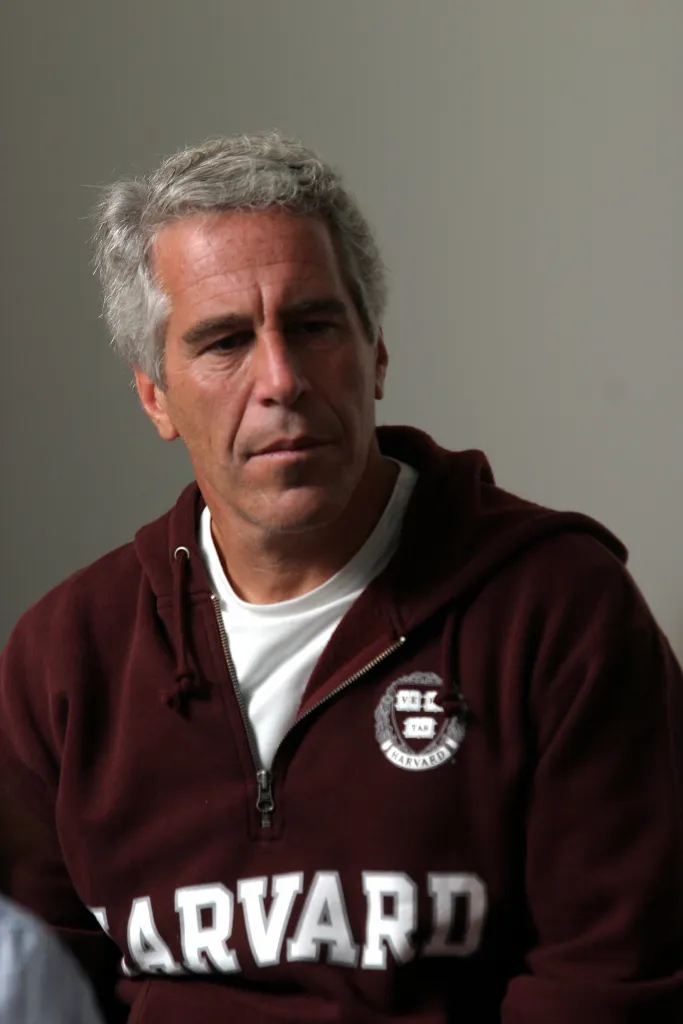
Epstein helped manage crises that left him knowing more than he had before. DOJ documents show that the campaign began around 2010, when Epstein asked people in Gates’ circle about getting him to events, and stretched to as late as 2019. Gates has characterized his relationship with Epstein as one focused on philanthropy and as a “mistake” he walked away from around 2014, according to Wall Street Journal reporting.
What Epstein was ultimately after, the DOJ documents suggest, was a “donor-advised fund”—a charitable vehicle through which Gates would help manage the wealth of newly-minted billionaires. Epstein, the documents show, thought he and other donors could profit from the fund’s fees by reducing their taxes. Epstein had been pushing the idea since at least 2011, the DOJ emails show, and for a time Gates was supportive, even offering to talk about it at a dinner that Ray Dalio and Paul Tudor Jones were expected to attend. But the project stalled, and as the years wore on and Gates stopped engaging directly, Epstein’s tone shifted from pitch to pressure to what appears to be a blackmail attempt. That escalation—and where it led—would play out through the network of intermediaries Epstein had spent years cultivating.
“As Gates has said consistently, he regrets meeting with Epstein. The files show just how extensively Epstein worked to insert himself into Gates’s life—both directly and through others in Gates’s orbit—and how Epstein continued in these efforts even after Gates stopped meeting and communicating with him,” a spokesperson for Bill Gates wrote to Fortune. “To be clear, Gates never witnessed or engaged in any illicit or illegal behavior.”
‘I’ve told Jeffrey everything’: A Gates Foundation insider turns hostile
Epstein’s ties to Sinofsky, in part, grew out of Epstein’s first Gates proxy: Melanie Walker, Sinofsky’s longtime partner. She met Epstein in the early ’90s when she was 23; Donald Trump introduced them at the Plaza Hotel, she wrote in an email included in the DOJ files. Epstein took her under his wing, and by 1998 had reportedly hired her as his science advisor, according to Rolling Stone. Over the next two decades, Walker built an extraordinary résumé—director at the Gates Foundation, advisor at the World Health Organization, and a director at the World Bank—while staying in close touch with Epstein. She is currently listed as a clinical professor of neurological surgery at the University of Washington.
In most of the documents, Melanie Walker’s name has been redacted. However, the redactions are imperfect and in some cases her identity can be inferred from the use of her initials, her Medical Doctor qualification, and the way the content of the messages refers to her career and her partner. In addition, Walker has been identified as the author by Wired, Forbes, and The Telegraph. In her correspondence, context shows that Walker uses “BG” and “Bill” as shorthand references to Gates. In the hundreds of emails and messages she exchanges with Epstein, Walker treats the financier as a confidant, divulging details about her work and her personal life.
In an email from July 28, 2011, more than a year before Sinofsky left Microsoft, Walker relayed intel about Microsoft’s leadership turmoil to Epstein. She told him Gates was considering returning to run the company himself and that Gates believed Sinofsky was “too mean to be a CEO.” She pleaded with Epstein not to repeat the information: “I just don’t want this spread around via me.”
Through her lawyers, Walker declined to comment for this story. She has not been charged with any wrongdoing.
In a Jan. 27, 2017 iMessage exchange, she reported back to Epstein about meetings Gates had scheduled in Washington. Epstein offered up his rapid-fire assessments of the new Trump administration, adding that Gates is “free to call me for inside baseball.”
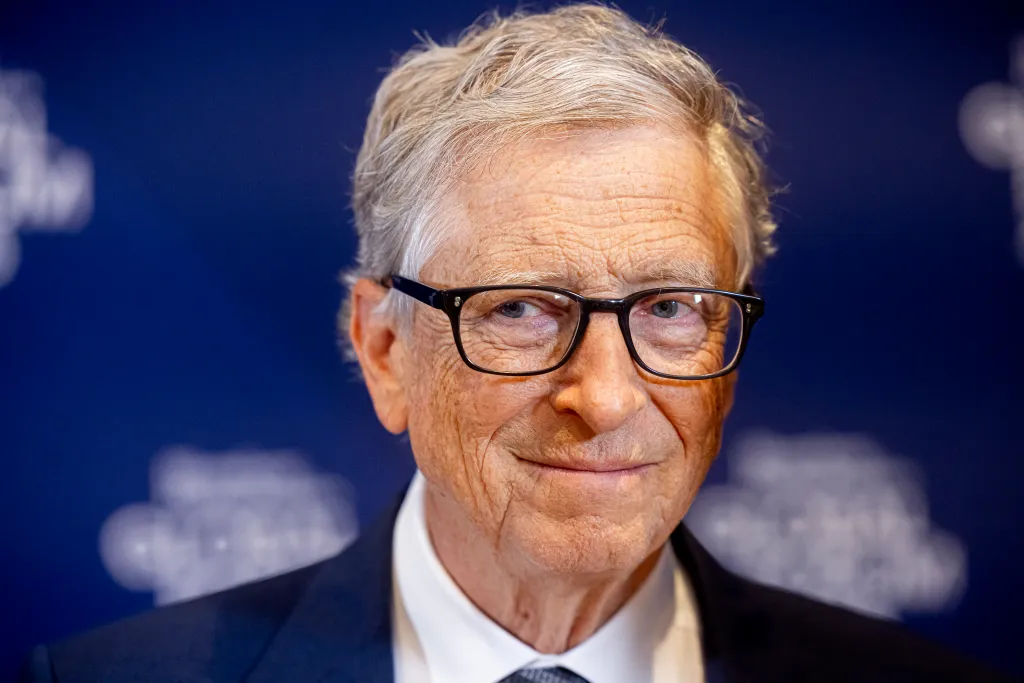
That same day, Walker said she would spend hours with Gates. She later sent Epstein a numbered debrief and relayed an apparent message from the billionaire: Gates said hello. He wished he could “engage more and would love insider baseball,” Walker wrote, but any contact Gates has with Epstein “has to be through trusted third party as he is watched very closely.” Gates, she added, “loves” Epstein. Walker volunteered to bridge the gap herself. “Maybe when we are together we can call you,” she texted.
The obstacle, she explained, was Melinda Gates. Bill wanted to speak with Epstein, Walker wrote in her messages to him, but his wife would not allow it. (Bill Gates, according to the WSJ, recently told his employees that he credits Melinda for being “always kind of skeptical about the Epstein thing.”)
A spokesperson for Melinda French Gates said in a statement that French Gates “met Epstein only once and made it clear that she wanted nothing further to do with him.” “Following her divorce, she has tried to put these difficult and painful matters behind her, even as more information of which she was unaware is released,” the statement says.
Epstein asked whether Walker had slept with Gates, using cruder language. Walker replied no, explaining that Gates’ staff had remained nearby throughout the meeting. “Members of his henchman team hovered outside the door for the full few hours,” she wrote.
Gates, she added, joked that he was getting too old. Walker teased back that he was “still a little too young” for her, that he needed to be 65. “Great,” Gates replied, according to her message, “you have 4 years to train me.”
Within weeks of the Washington trip, Walker’s position at the Gates Foundation began to unravel; from the emails, it’s not clear why. On this separation too, Epstein was an advisor.
On Feb. 24, Walker texted Epstein at 4 a.m. to say Melinda Gates was personally managing her separation from the foundation after more than a decade. “She has been trying for years,” Walker wrote.
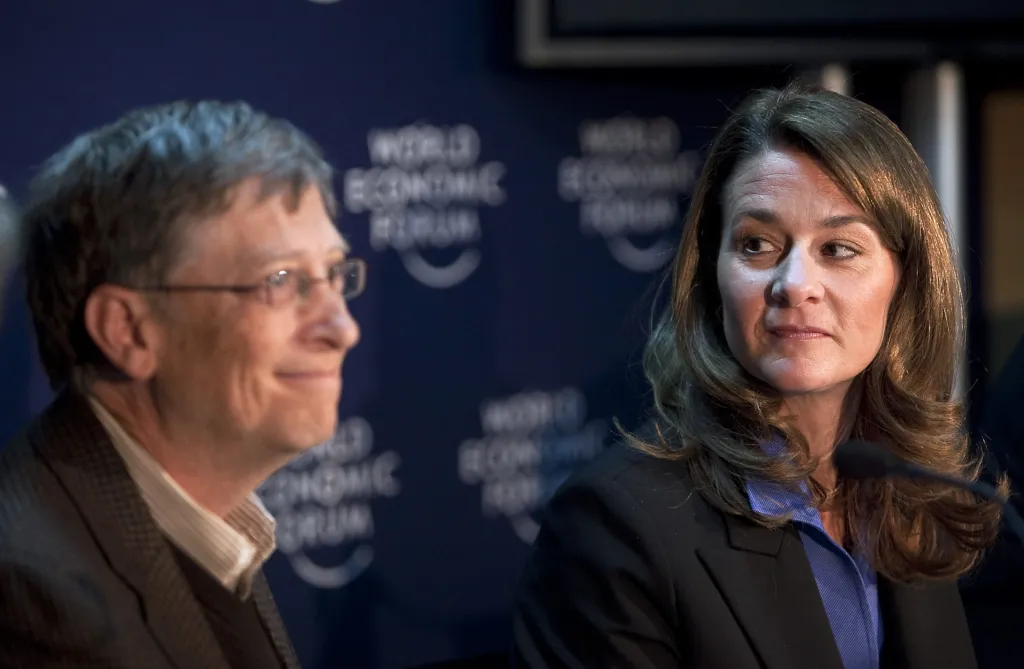
Bill Gates had tried to give Walker a soft landing that consisted of working with him at bgc3, his private office, for six months, according to Walker’s texts. Melinda Gates had warned that if Walker “rock[ed] the boat,” the bgc3 arrangement would get “more difficult,” Walker told Epstein.
Epstein’s assessment: “Not good but clever.”
“That’s why I want out so bad,” Walker replied.
The relationship between Walker and Gates seemed to grow more volatile as the negotiations wore on. On July 17, 2017, Walker told Epstein she felt “so trapped” by Gates. “BG has been a huge distraction,” she wrote. “He’s very gross you have no idea. Not the person ppl think.” Epstein replied: “I know, believe me.”
On Sept. 28, 2017, the night before a meeting with Gates at bgc3, Walker asked Epstein for help: “Are there any signals I can send or words I can use to let [Larry Cohen] and BG know I’m not messing around?”
Epstein advised her to use their relationship as leverage: “With bg. All you would have to say, is you should know that I’ve told jeffrey everything—everything.”
Walker replied: “I am worried he will immediately retaliate against me.” Epstein said, “You can always say I also like blue dresses :).” The text exchange includes no other information about blue dresses, which seems to refer to Monica Lewinsky’s unwashed blue dress containing President Bill Clinton’s DNA, which helped prove their affair.
In an email six weeks later, Walker said had what she called “‘blue dress’ emails,” using the same language as Epstein. “I guess I could always auction his body fluids on eBay,” she wrote. But she couldn’t see a way forward. “The legal system may provide justice for me but the exposure will be gross.” Epstein urged her to fight: “your future reputation is in your hands. I will help all I can, but if you prefer to just slink off its your life.”
In the end, Walker appears to have worked at bgc3, at least for a time. In her World Economic Forum bio, Walker is listed as a former neurotechnology and brain science adviser to William H Gates III at bgC3.
In comments Gates made to his staff earlier this month, according to the WSJ, Gates admitted to having two affairs with Russian women but said he had never done anything “illicit” and regretted his time with Epstein.
The forced $5 million exit
Around the same time, another Gates confidante was leaving the Gates Foundation and Epstein had a hand in his departure too.
Boris Nikolic had been one of the most trusted people in Bill Gates’ life. Nikolic served as Gates’ chief science adviser, working across the foundation’s global health portfolio and Gates’ private investment office, bgC3. In emails released by the DOJ, Boris called Gates his “best friend,” and was described by others who knew him as Gates “right arm.”
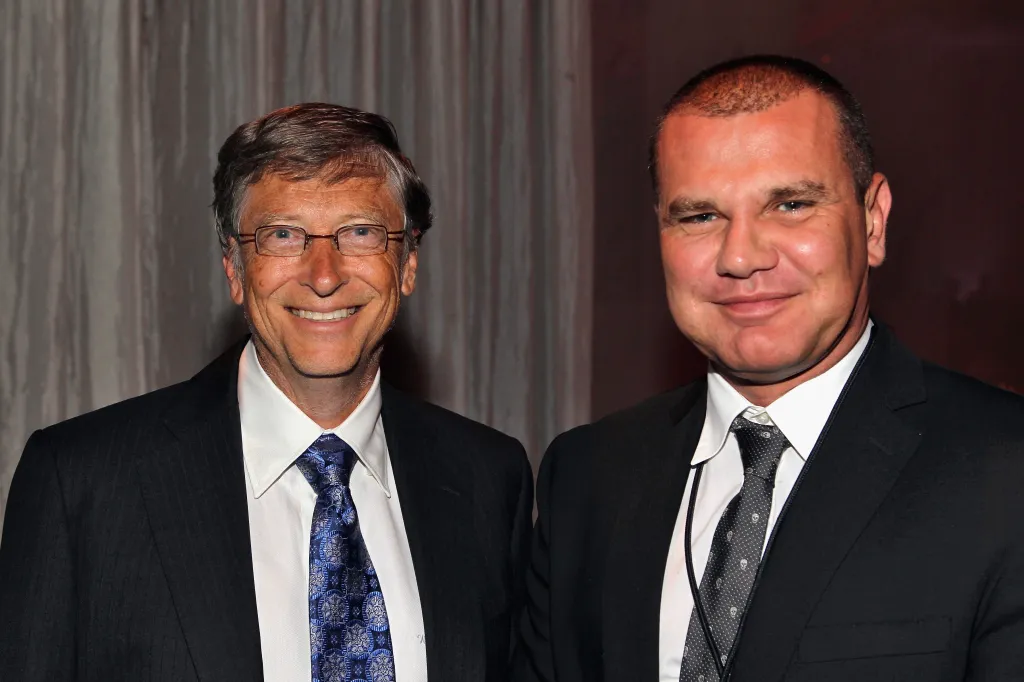
He was also one of Jeffrey Epstein’s most frequent correspondents, according to DOJ-released documents that show the two emailing as far back as 2009. “Epstein was a master manipulator, and I deeply regret associating with him,” Nikolic wrote in a statement to Fortune. He has not been charged with any wrongdoing.
It was Nikolic who arranged a private meeting between Gates and Epstein in February 2013, DOJ documents show. It was Nikolic who, in June 2013, rearranged Gates’ schedule so he could have time to meet with Epstein in Paris when conflicts arose.
And it was Nikolic who invited Gates to join Epstein at a performance at the famous Crazy Horse cabaret in Paris, promising backstage access to performers “as Jeffrey dated few of them.” On June 8, 2013 Gates declined: “I will be too tired to do this and wouldn’t want to take the risk. I would have done it when I was younger but I will have to skip it this time!”
Four days after he’d sent the invitation, Gates told Nikolic the pair’s working relationship was over, Nikolic later told Epstein, according to the DOJ documents.
It’s unclear what exactly caused the fallout between Nikolic and Gates, but by November of that year, Nikolic had a theory. In a late-night email to Epstein, he constructed a timeline from his inbox: on May 22, 2013, he wrote, “Mila happened,” an apparent reference to Mila Antonova, the Russian bridge player Gates reportedly had an affair with. Three weeks later was the Paris meeting between Epstein and Gates, and a month after that, Nikolic said, Gates sent him an email about “Melinda finding out” and that Gates’ and Nikolic’s working relationship had to end. “I hope you are not finding me paranoid,” Nikolic wrote to Epstein. Epstein’s reply to Nikolic in November came just after midnight. “He cries,” he wrote, “because he knows it is wrong. Not because he is sad.”
The documents show that Nikolic and Epstein saw Nikolic’s volatile exit from the Gates Foundation and bgc3 as at least partly Melinda Gates’ decision. On June 16, Nikolic told Epstein that Bill Gates “is still trying to make it work with Melinda. He is having next round of negotiation with her next weekend. If all fails—then it is a negotiation for a next steps.” Epstein coached him: “I don’t think you understand how weak he really is, and for the moment you represent pain, he will try to figure out how to avoid the pain, because he can’t avoid melinda.”
On June 25, 2013, after Nikolic said he had a four-and-a-half-hour dinner with Gates, Epstein drafted a letter to Gates, which Nikolic edited. It said: “If you cannot convince Melinda to change her mind, my career as I had hoped for is at an end.”
It’s unclear if Nikolic ever sent the letter. On July 1, Gates emailed Nikolic making it official: his career with Gates had come to an end. “I feel very bad about it but I don’t see a way around it,” he wrote to Nikolic. Like Sinofsky and Walker, Nikolic turned to Epstein to negotiate his exit. On July 14, 2013, Nikolic told Epstein he had informed Gates that Epstein would help him navigate the situation. Gates, Nikolic said, “was very happy that I had someone to talk to.”
Gates acknowledged the arrangement: “Larry Cohen is authorized to talk to you about the employment issues with Boris,” he wrote to Epstein in an email. “Larry said I should send mail making this clear.”
From that point forward, DOJ documents show Epstein functioned as Nikolic’s representative in the negotiations with Cohen, who is currently CEO of Gates’ investment firm, Gates Ventures. Cohen did not respond to Fortune’s request for comment.
At one point on July 29, 2013 when Cohen asked Nikolic if he could send over a draft agreement, Nikolic copied Epstein and replied: “It is the best if Jeffrey handles this as I am very emotional about the whole issue right now.”
Epstein seemed eager to help. To Nikolic, Epstein came off as a loyal friend guiding him through turmoil: “it will all be fine in the end,” Epstein wrote. To Gates and Cohen, Epstein positioned himself as manager of Gates’s one-time confidante who was now in the throes of a crisis.
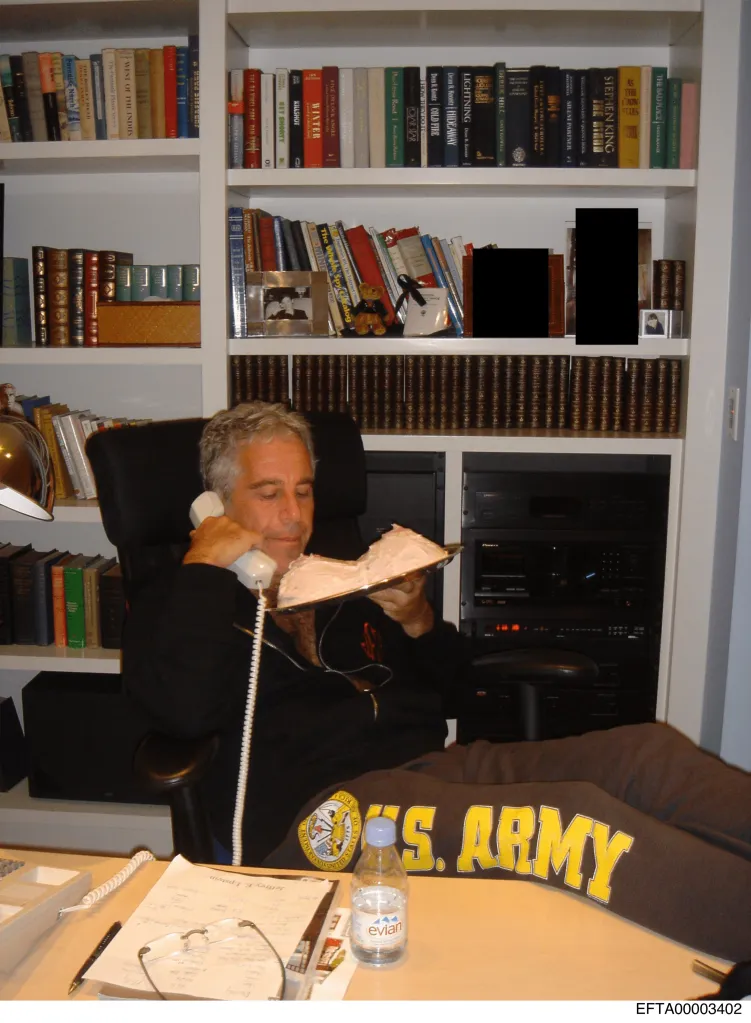
While Epstein was exchanging cordial emails with both parties, he was also sending notes of a different nature to himself, the DOJ files show. On July 18, 2013, he emailed himself two draft letters that appear to be styled as a resignation from Nikolic to Gates. They contained allegations of a “marital dispute” between Bill and Melinda Gates, that the author had helped Gates acquire drugs to deal with “consequences of sex with Russian girls,” and had facilitated “illicit trysts.” Nikolic later told the Journal that the emails “were not written on my behalf or at my request.” A Gates spokesperson called the emails’ claims “absolutely absurd and completely false.”
On Aug. 1 of that year, Epstein wrote to Cohen and Gates with a formal list of demands. He treated Melinda as a co-party to the agreement and wanted to know how Nikolic would protect himself “if Melinda wants a divorce.” He also stressed that “Boris is emotionally very fragile. very!” and asked Gates to “send him an email or something that calms him.” It is unclear if Gates complied.
On Aug. 29, 2013, Epstein sent an email to Gates, Cohen, and Nikolic confirming Nikolic’s exit deal with final terms fit for a departing C-suite executive at a Fortune 500 company: a $5 million advance and Gates’s financial backing for a new venture fund. Gates replied to the thread, which included Epstein: “I agree it is great to have an agreement that works for everyone.” On Sept. 18, Cohen emailed Nikolic and Epstein: “Confirming — Wire is going today.” The $5 million advance became seed money for what became Biomatics Capital, Nikolic’s venture fund that Gates would back for years. Though it appears as if Nikolic still works for Biomatics, his biography disappeared from Biomatics’ website after Fortune emailed Nikolic requesting for comment on March 2.
Like with Sinofsky, Epstein had a hand in how the world heard about this departure.
Gates sent the announcement of Nikolic’s exit foundation-wide on Sept. 6, 2013. The email read as though Gates had written it, a classically warm tribute to a colleague departing on good terms. But an earlier draft had been written by Epstein, labeled “DRAFT for discussion purposes. only” and sent to Nikolic and Cohen a week prior. Nikolic had added his own edits, inserting that he was “one of the smartest and hardest working people I have ever worked with” and “virtually irreplaceable.” Gates’s version used softer language, but the bones of the announcement appear to be Epstein’s.
“Regarding my separation from BgC3, Epstein inserted himself as a mediator and then used lies to pursue his own agenda,” Nikolic wrote in a statement to Fortune. “I realized this as my transition was complete and moved on without his involvement in my work or any investment from him whatsoever.” DOJ documents show Boris and Epstein communicated as late as 2019.
Epstein organized visa, schooling, and housing for Gates’s reported girlfriend
As Nikolic’s severance negotiation consumed the summer of 2013, he and Epstein were also cultivating a relationship that would give Epstein leverage beyond Gates’ business dealings.
Mila Antonova was a Russian bridge player who had a relationship with Gates around 2010, as the Wall Street Journal has reported. In a letter sent to Fortune, Antonova’s attorney confirmed Antonova met Gates at a bridge tournament in 2009 and “maintained a relationship with him for a time.”
The DOJ documents show that she was also an unsuspecting pawn that Epstein used in his game against Gates. Antonova’s attorney said she had no knowledge of Epstein’s efforts to pressure Gates.
On May 23, 2013, one day after Nikolic would flag in an email as the day “Mila happened,” Nikolic, then still at the Gates Foundation, emailed someone who appeared to be an immigration attorney about Antonova, describing her as a Russian friend who had “overextended her stay in USA” on a boat crew visa and told the lawyer the case would “need to be VERY creative.” He wrote that he was “willing to cover the cost.”
Antonova’s attorney confirmed that Nikolic referred her to an immigration attorney, though she disputed that he offered to cover the fees and said she and her then-husband paid for them. Antonova’s lawyers said her last contact with Gates was in May 2013.
On July 14, in the middle of negotiating Nikolic’s exit from the Gates Foundation, Epstein brought up Antonova: “ask the attorney that was helping Mila, for her status?” By November, Epstein had meetings scheduled with Nikolic and Antonova, the DOJ documents show.
Over the next year, Epstein funded at least part of Antonova’s lifestyle. On Oct. 9, 2014, he emailed his accountant Richard Kahn with wire instructions for an entity called Bridge Union Inc.: “rich send 7k this month to mila and again next month.” He paid for her coding classes. He housed her repeatedly in apartments he kept on the Upper East Side; emails between Epstein’s assistant Leslie Groff, Antonova, and building staff show Groff sending apartment details and door codes. “Everything is great,” Antonova emailed Groff in late November 2014. “Thank you for accommodating me.” Antonova’s attorney confirmed that Epstein made “several unsolicited monetary gifts,” paid for Antonova’s coding education, and provided her use of his East Side apartment “several times” between 2014 and 2018. Her attorney added that Antonova met Epstein in person only twice, that he was never present during her stays, and that she “naively accepted” his support believing he genuinely wanted to help her. Antonova, through her attorney, emphasized that she never provided “services, information or any other assurance or act in exchange.”
By mid-2016, Gates had stopped engaging with Epstein directly; his last email to Epstein in the DOJ documents is from December 2014. After that, all communications between the two were filtered through Cohen, whom Epstein didn’t trust and saw as “melindas boy,” he wrote to Nikolic in other emails.
Epstein’s response was to make sure Gates knew, through Nikolic, that Epstein’s connection to Antonova remained active. On June 15, 2016, he emailed Nikolic what appears to be a message for Gates: “you can tell your boy that i still hear from mila. i put her through computer school.”
A year later, on July 21, 2017, Antonova wrote to Epstein to express her gratitude: “You and Boris have done an exceptional thing for me. Created an opportunity for me to grow and have control over my life.” She described sleeping in a friend’s living room in Palo Alto, paying $700 a month for a couch. She couldn’t afford to travel to bridge tournaments. She was preparing for interviews for jobs in the tech industry.
The next day, Epstein emailed Cohen, saying he had heard from “an old friend” of Gates’ and that they should speak. He told Cohen he planned to keep spending money on “his old friend,” an apparent reference to Antonova, but added he had “received neither thanks nor reimbursement.” He gave Cohen a deadline: “If you think I shouldn’t, let me know by tomorrow night.”
Privately, Epstein was dumbfounded. On July 25, 2017 he wrote to Nikolic: “your friend bill is nuts. his former girl. cant afford air con, cant afford to travel to bridge… that story would take trump off the front pages. The richest man in the world is so cheap, his former bridge girl and toy, lives on a friends sofa. WOWO.”
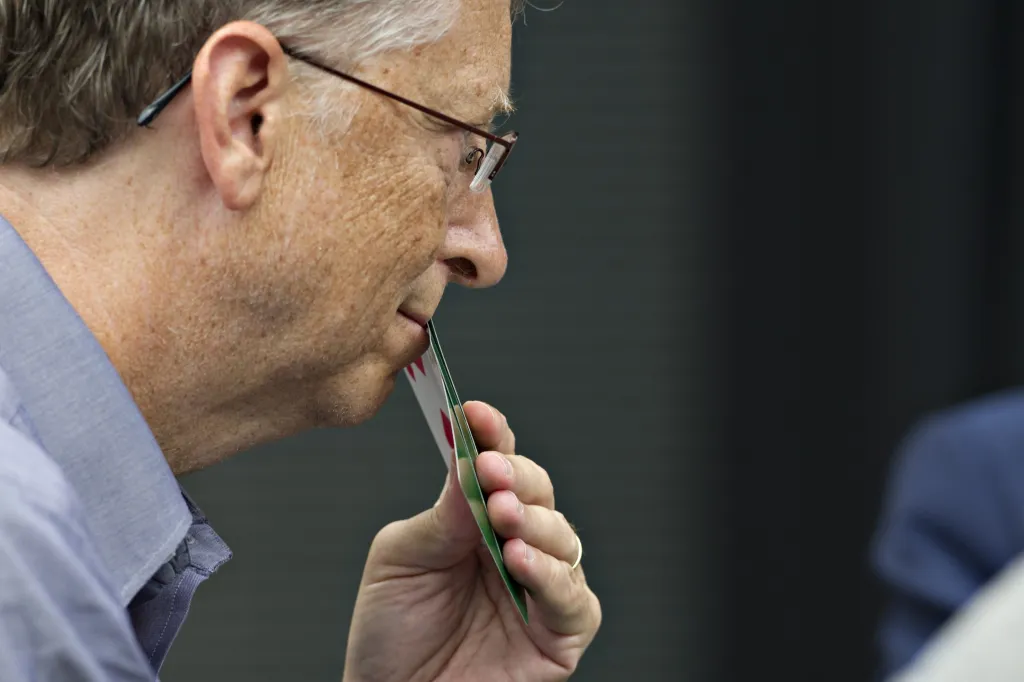 Berkshire Hathaway Inc. annual shareholders meeting in Omaha, Nebraska, U.S., on Sunday, May 6, 2012. Berkshire Hathaway Inc. investment managers Todd Combs and Ted Weschler receive $1 million salaries and can earn more if their bets beat the Standard & Poor’s 500 Index, Buffett said Sunday. Photographer: Daniel Acker/Bloomberg via Getty Images” class=”lazyload wp-image-4436537″ src=”https://dnyuz.com/wp-content/uploads/2026/03/GettyImages-143966533-e1773097128559.jpg” width=”1024″ height=”683″>
Four days later, Epstein made his aim explicit. In an email to Cohen, Epstein quoted what he said were Gates’ words: Gates had told Epstein to help “push this out three years,” and now the three years were up. Epstein had “paid for school, helped organize visa,” he wrote — and now she had “to stop bridge tournaments, living day to day on a friends couch with no air con.” “I know you and Bill share my views on the sanctity of friendship,” he wrote. Cohen sent Epstein an email that said Gates would give the “nod” for them to talk. But by Aug. 6, Epstein emailed again: “no acknowledgment from Bill??” Cohen’s response: “He’s been off the grid for a while.” A few weeks later, even as Epstein said he was dealing with hurricanes battering the Caribbean, he reached out to Cohen to let him know he “didn’t forget.”
The silence stretched into December, and Epstein seemed to shift tact. “The phrase is, i’m about to run out of money,” Epstein sent to Cohen. Cohen reached out asking to talk, but Epstein was done with pleasantries. He replied that he had also emailed Gates directly—”asking why I had no BG approval, nor offer to pay back what was advanced at his request. All odd.”
Gates recently told Gates Foundation staff that there were “ancillary issues” between the two men that Epstein continued to email him about but that he did not respond.
In April 2018, Antonova stayed in Epstein’s apartment again, DOJ documents show. Building staff members emailed Epstein’s assistants to confirm a welcome letter had been left for “Mila Antanova arriving Thurs. April 26th.” Days later, on April 30, Epstein emailed Cohen with a stern message: “fyi, i had to put up mila in new york for the week, I was not there. playing with fire.”
Antonova’s attorney said that Antonova had “no knowledge of and cannot speculate about” Epstein’s communications with Cohen and no basis to believe Epstein was using her financial situation as leverage against Gates.
In July 2018, Walker gave Epstein a status report on the entire network: Gates was “trapped but he has no desire to change anything.” Nikolic had bought “a HUGE mansion” in Seattle and was closing his second fund. Sinofsky was “getting bored but not finding options that suit him.” Walker herself: “I don’t really have any dreams anymore.”
The final pressure campaign
By early 2019, the channels Epstein had spent a decade building around Gates converged into a single pressure campaign.
The pretext of the two billionaires’ relationship had always been the donor-advised fund. Since late 2012, Epstein had pitched Gates on a charitable vehicle through which Gates would manage the wealth of newly-minted billionaires, according to Justice Department documents.
By 2014, Gates was actively promoting the project. On Sept. 25, he emailed Epstein and Cohen with his schedule for the following week and offered to pitch the fund at the dinner with Dalio and Tudor Jones. The Gates Foundation’s general counsel was working directly with Epstein on the legal structure, the DOJ documents show. But after a breakfast with potential partners that December, Gates pulled back: “I don’t think we have any people at this point who will move to do something soon.”
In January 2017, Walker iMessaged Epstein that Gates “feels bad about the DAF btw. He thought great idea but wife wouldn’t allow.”
After the Miami Herald published its November 2018 investigation into Epstein’s scheme to target vulnerable girls and the justice system that protected him, Epstein started complaining to Nikolic about “brutal press.” As the walls closed in, his emails to Gates and Cohen became more pointed.
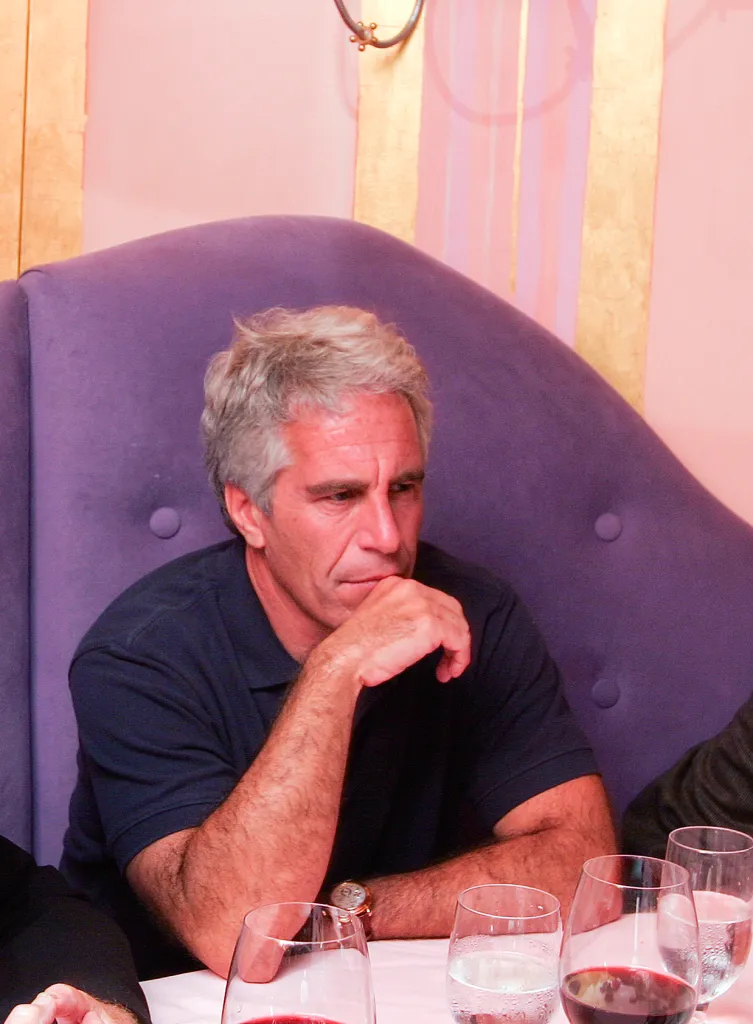
On Jan. 5, 2019, he emailed Gates: “I think at some point you want to reimburse me… I feel awkward asking.”
Then again on Jan 9, Epstein wrote to Gates and Cohen. “I think best that when bill is on the east coast, we set aside an hour to meet.”
It’s unclear if Epstein ever received a response. Shortly after, he began assembling a paper trail. On Jan. 13, 2019, he asked an associate to dig through “past photos and emails” to establish when they had met Gates “at the airport in [Washington] DC” — an apparent reference to a meeting between Epstein and Gates at Reagan National that DOJ documents show Nikolic had helped arrange in December 2013. The same day Epstein sent the email, Epstein emailed Gates, referencing the meeting and noting that Cohen claimed to have “no recollection” of Gates’ “request” at the time. “Odd,” he wrote.
On Jan. 20, Epstein emailed Gates: “I hope you follow bezos lead.” It’s not clear from the emails what Epstein meant by referencing Bezos. Ten days earlier, Bezos had announced his divorce from MacKenzie Scott around the same time tabloids started to report on the Amazon founder’s relationship with now-wife Lauren Sanchez.
A few weeks later, Walker says she saw Gates again, according to the DOJ documents. They ate cheeseburgers, she told Epstein, and talked about science. “He looked happier than he’s seemed in a while.” She told Gates that he owed Epstein a call. Gates “didn’t say anything,” but asked how Epstein was. “i said you were doing great and lots of science,” she wrote.
Five months later, Epstein was arrested and charged with sex trafficking of minors and conspiracy to commit sex trafficking of minors. A month later, he was found dead in his cell at the Metropolitan Correctional Center in Manhattan.
Gates’s ties to Epstein are still haunting the billionaire philanthropist. On Wednesday, Gates, who has not been charged with wrongdoing, was called to testify in front of the House Committee on his ties with Epstein.
“Gates welcomes the opportunity to appear before the Committee,” a spokesperson for Gates said. “While he never witnessed or participated in any of Epstein’s illegal conduct, he is looking forward to answering all the committee’s questions to support their important work.”
The post How Jeffrey Epstein pulled Bill Gates and Microsoft into a web of sex, money, and secrets appeared first on Fortune.