Oil prices skyrocketed as the American and Israeli military operation against Iran entered its second week, triggering widespread fears of recession and sharp consumer price increases across the global economy.
Crude oil surged 25 percent overnight Sunday to just under $120 per barrel — the highest price in approximately four years — while stock markets declined sharply across Asia and the United States, reported Axios. Tokyo’s Nikkei 225 index plunged more than 5 percent, and South Korea’s KOSPI fell 6 percent, reflecting those economies’ direct dependence on Middle Eastern oil supplies now threatened by Iranian threats to block the Strait of Hormuz.
“Solid GDP growth is no consolation for higher day-to-day prices for American consumers, which doomed Joe Biden’s popularity. If the recent energy price surge is sustained, that will be Trump’s burden as well.”
As of early Monday trading, crude oil benchmarks hovered around $107 per barrel, up 47 percent from before the attack, while S&P 500 futures declined 1.3 percent, setting Wall Street up for its third consecutive day of losses. GasBuddy analyst Patrick De Haan estimates an 80 percent probability that national average gasoline prices will reach $4 per gallon within one month, following a preliminary 51-cent increase before weekend oil price spikes.
Energy experts describe the disruption as historically unprecedented. According to Rapidan Energy president Bob McNally, a former Bush administration energy adviser, the conflict has already eliminated roughly 20 percent of global oil supplies — double the previous record set during the 1950s Suez Crisis.
Iran has threatened to block the Strait of Hormuz and attack shipping vessels attempting passage. The country also launched successful strikes against desalination plants in the Persian Gulf region, threatening drinking water availability across the region.
Market indicators reflect deepening economic anxiety. Recession probability on prediction market Polymarket jumped to 38 percent from 24 percent at the month’s start.
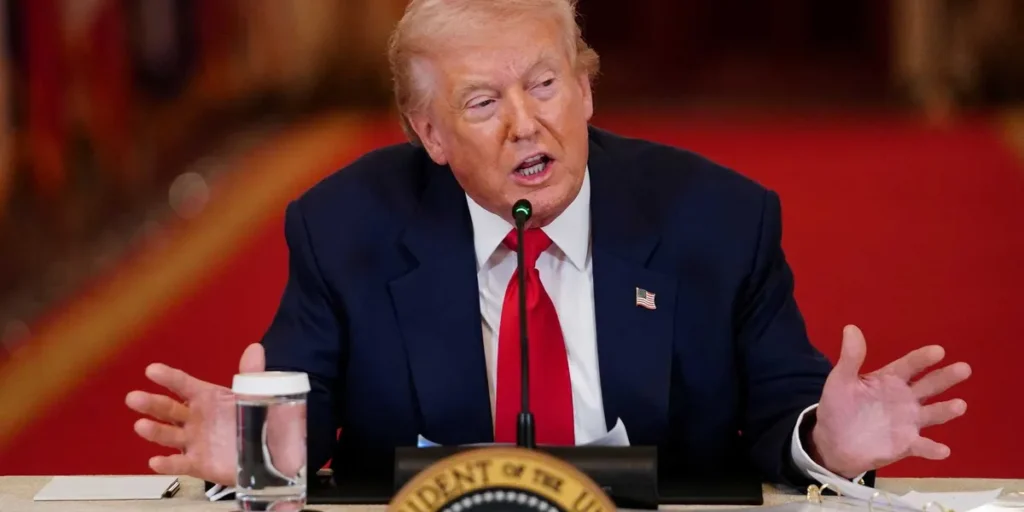
President Donald Trump dismissed such concerns on Truth Social, writing: “Short term oil prices, which will drop rapidly when the destruction of the Iran nuclear threat is over, is a very small price to pay for U.S.A., and World, Safety and Peace.”
While the U.S. economy historically demonstrates resilience to global shocks — including surviving earlier Ukraine-related energy disruptions without recession — sustained energy price increases pose political risks.
The post Global panic as financial chaos greets second week of Trump’s Iran war appeared first on Raw Story.