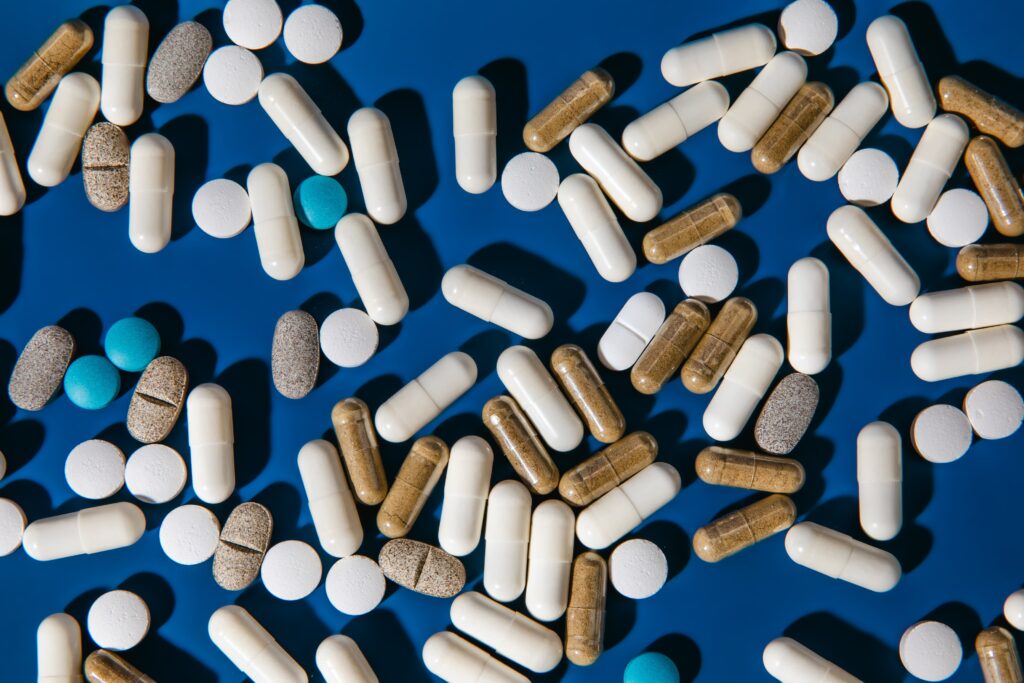
If you’re like most people in the United States, you’re probably taking at least some kind of vitamin, mineral or other dietary supplement, maybe to try to promote sleep, boost your immune system or bridge nutritional gaps.
But what about for heart health, including high blood pressure or high cholesterol?
A laundry list of supplements such as fish oil, which is rich in omega 3s, as well as coenzyme Q10, magnesium and others have been touted as having cardiovascular benefits such as preventing heart attacks.
In most cases, these claims are not backed by science, experts said.
“There are no adequate data that support cardiovascular benefit for supplements in healthy people who eat a healthy diet,” said Eric Topol, a cardiologist and founder of the Scripps Research Translational Institute.
Here’s what we know from the research about the pros and cons of dietary supplements marketed for heart health.
What does dietary supplement research show?
The experts we spoke to said it’s important to never rely on dietary supplements to prevent or treat a heart condition.
In its most recent scientific statement, the American Heart Association concluded that there is not enough evidence to support the use of any supplements to prevent cardiovascular disease.
And it can become dangerous when people think they can use them as a substitute for heart medications that are well-studied, regulated and prescribed by medical doctors, said Steven Nissen, chief academic officer for the Heart, Vascular and Thoracic Institute at the Cleveland Clinic.
“The diversion of patients from effective therapies to ineffective therapies — that’s the really big risk,” he said.
That’s not to say, however, that a mountain of research hasn’t been done on supplements. Here’s what we know about some of the most well-studied ones.
Coenzyme Q10
Coenzyme Q10, a powerful antioxidant, looked promising in some early studies, which suggested possible benefits for cardiovascular health. But because there are only a handful of very small studies on CoQ10 for the prevention or treatment of heart disease, it’s difficult to draw meaningful conclusions, said Ann Marie Navar, preventive cardiologist at University of Texas Southwestern Medical Center.
Fish oil
Fish oil is one of the most well-studied supplements marketed for heart health. In a 2018 clinical trial of more than 25,000 people, researchers found that after more than five years, supplementation with omega-3 fatty acids (the active ingredient in fish oil) did not lower the risk of major cardiovascular events such as heart attack or stroke when compared to a placebo.
Another trial, in more than 15,000 participants with diabetes, had similar findings.
While there are some smaller studies that show some cardiovascular benefit from fish oil, there are caveats. Fish oil is rich in two types of omega-3 fatty acids — eicosapentaenoic acid (EPA) and docosahexaenoic acid (DHA). One study on high-dose EPA, for instance, found that people with elevated levels of triglycerides — a type of blood fat that can raise the risk of heart disease — who received a prescription-strength high-purity omega-3 fatty acid had a lower risk of heart attack and stroke than those who received a placebo. But there was also a higher risk of developing a serious heart rhythm condition called atrial fibrillation.
And prescription-strength EPA is vastly different from over-the-counter fish oil supplements, Navar said.
While interesting, the findings don’t “upend what we have learned from the large clinical trials of supplement forms of fish oil,” she said.
Garlic
In a 2022 clinical trial, researchers compared a low-dose statin, which is used to help lower LDL or “bad cholesterol,” with six supplements in a total of 190 people at risk of heart disease. While the statin, rosuvastatin, lowered LDL cholesterol more than a placebo, the six supplements — fish oil, cinnamon, garlic, turmeric, plant sterols and red yeast rice — did not.
And garlic even raised LDL cholesterol, meaning “it was potentially harmful,” said Nissen, who was senior author of the study.
Magnesium
Magnesium is often marketed in supplement form for heart and nerve health. Some research has shown that supplementation can lower blood pressure but not to a meaningful degree.
Also, when relatively healthy people who are not deficient in magnesium take too much of it, it can cause side effects such as vomiting or diarrhea, and if it builds up to toxic levels, it can be life-threatening, Navar said. People with kidney disease are particularly susceptible to this, she said.
Psyllium
You probably know psyllium husk as soluble fiber that you can either take as a capsule or mix with a glass of water for better digestion and to treat or reduce the risk of constipation. (It’s known as a bulk-forming laxative.)
Research shows that eating fiber-rich foods — typically fruits and vegetables — can have clear cardiovascular benefits.
But certain fiber-containing supplements may help, too. A 2018 review of 28 randomized controlled trials showed that psyllium modestly reduced LDL cholesterol, non-HDL cholesterol and apolipoprotein B, a cholesterol-carrying protein that’s a marker for heart attack risk.
Because psyllium is a food ingredient — it contains mostly soluble fiber — the Food and Drug Administration permits a qualified claim that well-balanced diets low in saturated fat and cholesterol that include soluble fiber from psyllium husk “may reduce the risk of heart disease by lowering cholesterol.”
Red yeast rice
Red yeast rice extract is often touted as a natural statin because it contains a small concentration of a compound called monacolin K, which is similar to the cholesterol-lowering drug lovastatin. While it has been shown in some studies to help lower LDL cholesterol, it has had little or no effect in others. But because supplements are not regulated as medications are, there’s no way to know how much monacolin K you may get or whether it could cause adverse effects or interact with other medications, Nissen said.
As mentioned earlier, red yeast rice was not found to be effective in Nissen’s 2022 clinical trial.
Some supplements marketed for heart health such as red yeast rice and turmeric have been linked to rare cases of liver injury. Red yeast rice, which is produced through the fermentation of a fungus on the rice, also can sometimes be contaminated with citrinin, a toxin produced by fungi that can cause kidney damage among other issues, research shows.
Why is it so difficult to understand supplement claims?
While companies generally can’t make claims that a supplement may have a specific outcome because of the 1994 Dietary Supplement Health and Education Act (DSHEA), they can make broader statements such as that a supplement may promote heart health — without conducting clinical trials to determine whether a particular supplement is effective or safe, experts said.
The problem is, when shopping for dietary supplements, you might misinterpret heart health claims to mean that a supplement can prevent or treat a cardiovascular condition, according to a 2025 survey study that asked respondents to interpret nutritional labels.
The Council for Responsible Nutrition, a trade association for the dietary supplement industry, said in a statement that while some ingredients in dietary supplements have “credible evidence supporting heart-related structure and function benefits,” they are not drugs “and reputable companies do not market them to diagnose, treat, cure or prevent disease.”
What can I do to maintain a healthy heart?
Aside from needed medications, there are science-backed steps you can take to help maintain a healthy heart. Here are tips from experts:
- Know your numbers. Keep track of your cholesterol and monitor your blood pressure. High cholesterol and high blood pressure often occur without symptoms, so many people are unaware that they have these conditions, Navar said.
- Eat a balanced or heart-healthy diet. Research shows that in high-risk individuals, a balanced diet such as the Mediterranean diet, which incorporates fresh fruits, vegetables, nuts, grains, extra-virgin olive oil and lean protein such as fish and chicken, can reduce the risk of major cardiovascular events. Similarly, the DASH (dietary approaches to stop hypertension) diet, which limits salt, added sugars and red meat, has long been shown to lower blood pressure. Lastly, diets rich in potassium from leafy greens, beans and root vegetables are also associated with lowering blood pressure, particularly in people with hypertension, the AHA said. “People who want to focus on nutrition for their heart health should shop in the produce section of the grocery store, not in the supplement aisle,” Navar said.
- Be physically active. Adults should get at least 150 minutes per week, or 30 minutes five days per week, of moderate-intensity aerobic activity, according to recommendations from the AHA. “Exercise is as good or better than any drugs for lowering your risk of developing heart disease,” Nissen said. “Lifestyle changes can work well in combination with needed medications to lower your risk.”
- Don’t smoke. A 2021 study showed that middle-aged smokers are more likely than nonsmokers to have a heart attack or stroke.
Are you wondering whether to believe a hyped-up health tip, viral wellness trend or long-standing scientific claim? Email [email protected] and we may answer your question in a future column.
The post Should you take a supplement for heart health? Here’s what the science says. appeared first on Washington Post.