Scientists and other experts were preparing a first-of-its-kind assessment of the health of nature in the United States when President Trump returned to the White House.
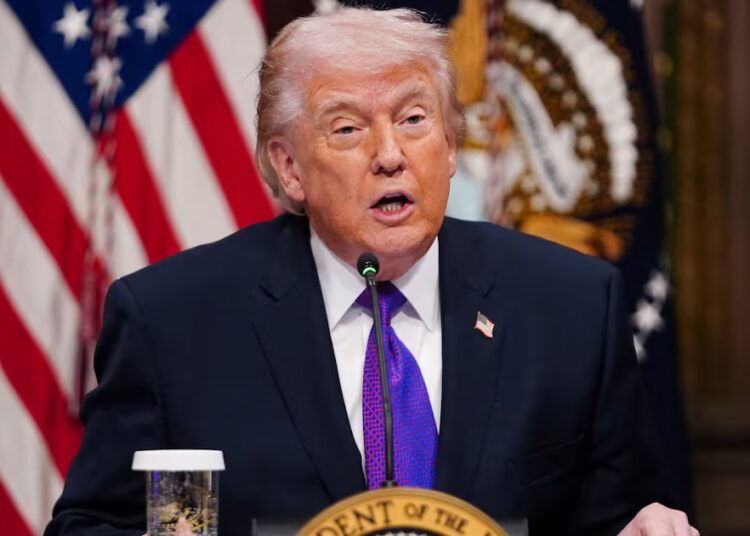
He canceled the report.
The researchers went ahead and compiled it on their own. This week, they released a 868-page draft for public comment and scientific review.
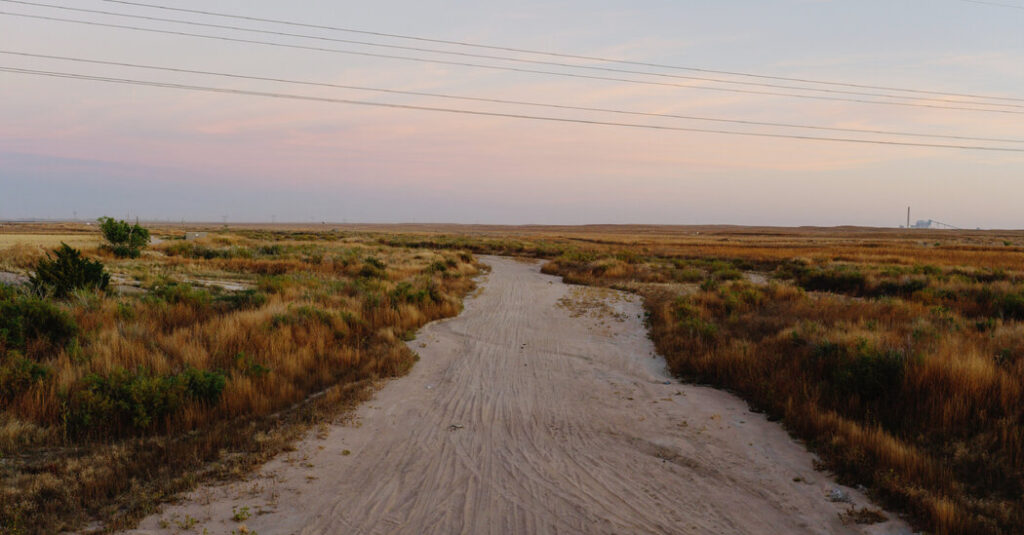
Many of the preliminary findings are grim: Freshwater ecosystems across the country are in crisis, “overdrawn, polluted, fragmented and invaded.” Marine and terrestrial ecosystems are degraded, with reduced biodiversity. An estimated 34 percent of plant species and 40 percent of animal species are at risk of extinction.
Human pressures on nature are eroding the necessities it gives us, such as clean water, food, health, livelihoods and protection from storms and fire. But there is hope, and the authors emphasized the ability to chart a new course.
“The future is not fixed,” said Phillip Levin, who directed the assessment both under the government and since. “Conservation, restoration and renewed connections between people and nature can improve ecosystem health and strengthen community resilience.”
The report’s name has changed from the National Nature Assessment to the Nature Record, to reflect that it is a new, independent effort, but it builds off work that was already underway and most of the authors remain the same. Its scientific review will be conducted by the National Academies of Sciences, the same organization that would have reviewed the report had it remained under the auspices of the federal government.
The first two chapters that will summarize the sprawling endeavor are not yet written, because the authors are waiting until after this round of feedback. But 13 other chapters are in place.
The report explores not only actions that harm nature, but also how people are affected by nature and its loss, with chapters on human health, the economy and national security. And throughout, the report highlights solutions and nature’s ability to recover when given the chance.
The initial effort began in earnest on Earth Day in 2022, when President Joseph R. Biden Jr. signed an executive order calling for an assessment of the condition of nature in the United States. In January 2025, with the authors weeks away from submitting a first full draft, the Trump administration disbanded the effort.
But Dr. Levin, who left his government role with the change of administrations, continued the work alongside about 125 researchers who were not federal employees.
“The first thing we had to do was get funding,” Dr. Levin said.
Virtually all the authors were already volunteering their time. But the group needed to rehire administrative staff, secure technical support and pay for the review by the National Academy of Sciences. The group raised more than $3 million, mostly from foundations, Dr. Levin said.
“It just reaffirmed, in a really visceral way, the importance of the work,” he added.
All along, the assessment’s charge was to synthesize existing research, and so its individual findings are not new. Rather, it is intended to provide a scientific consensus by which policymakers and the public can make informed decisions.
“Having a clear picture of where nature is, what its condition and trajectory is, is going to help people manage their relationship with nature,” said Kyle McKay, a civil engineer who served on the report’s original steering committee as a liaison to the Department of Defense.
After the assessment moved to the private sector, so did Dr. McKay, and he continued to work on it.
The White House did not respond directly to questions about the assessment or say whether the administration would read and comment on it. But Kush Desai, a spokesman, wrote in an email, “The Trump administration’s efforts to slash taxpayer funding of waste, fraud and abuse in grant spending — including for ideological pet projects — are only strengthening what’s driven America’s dominance in research and development.”
Themes of equity and environmental justice, which were valued by Mr. Biden but derided by Mr. Trump, suffuse the report.
In addition to canceling the nature report, the Trump administration took aim at national climate assessments, which are mandated by Congress and have been published since 2000. It dismissed the authors and released a separate report from the Energy Department that downplayed the threat of climate change. Scientists condemned that report, and in January, a judge ruled that the way the government commissioned it had violated the law.
Katharine Hayhoe, an author on national climate assessments under Republican and Democratic administrations and chief scientist of the Nature Conservancy, was not formally involved with the Nature Record but acted as an occasional adviser.
She praised its rigor and innovation.
“I absolutely love that chapter No. 4 is ‘Bright Spots in Nature,’” she said. “Leading with the bright spots before getting to all of the doom and gloom actually helps to inoculate readers against the ‘Oh my gosh, it’s all over, we might as well just give up’ mentality that might come if you just immediately plunged into the challenges that confront us.”
The report is open for public comment until May 30. The final version is slated for publication in late fall.
Catrin Einhorn covers biodiversity, climate and the environment for The Times.
The post Nature Report, Killed by Trump, Is Released Independently appeared first on New York Times.