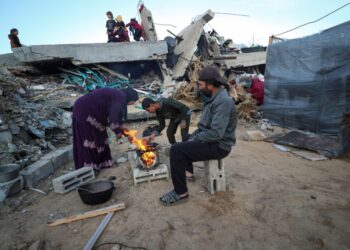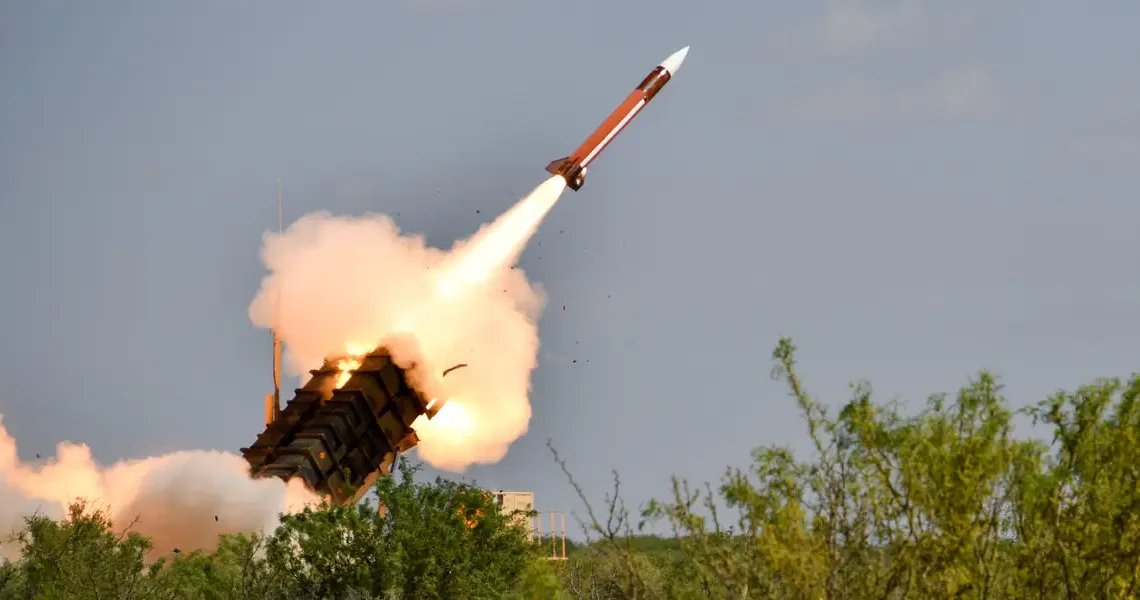
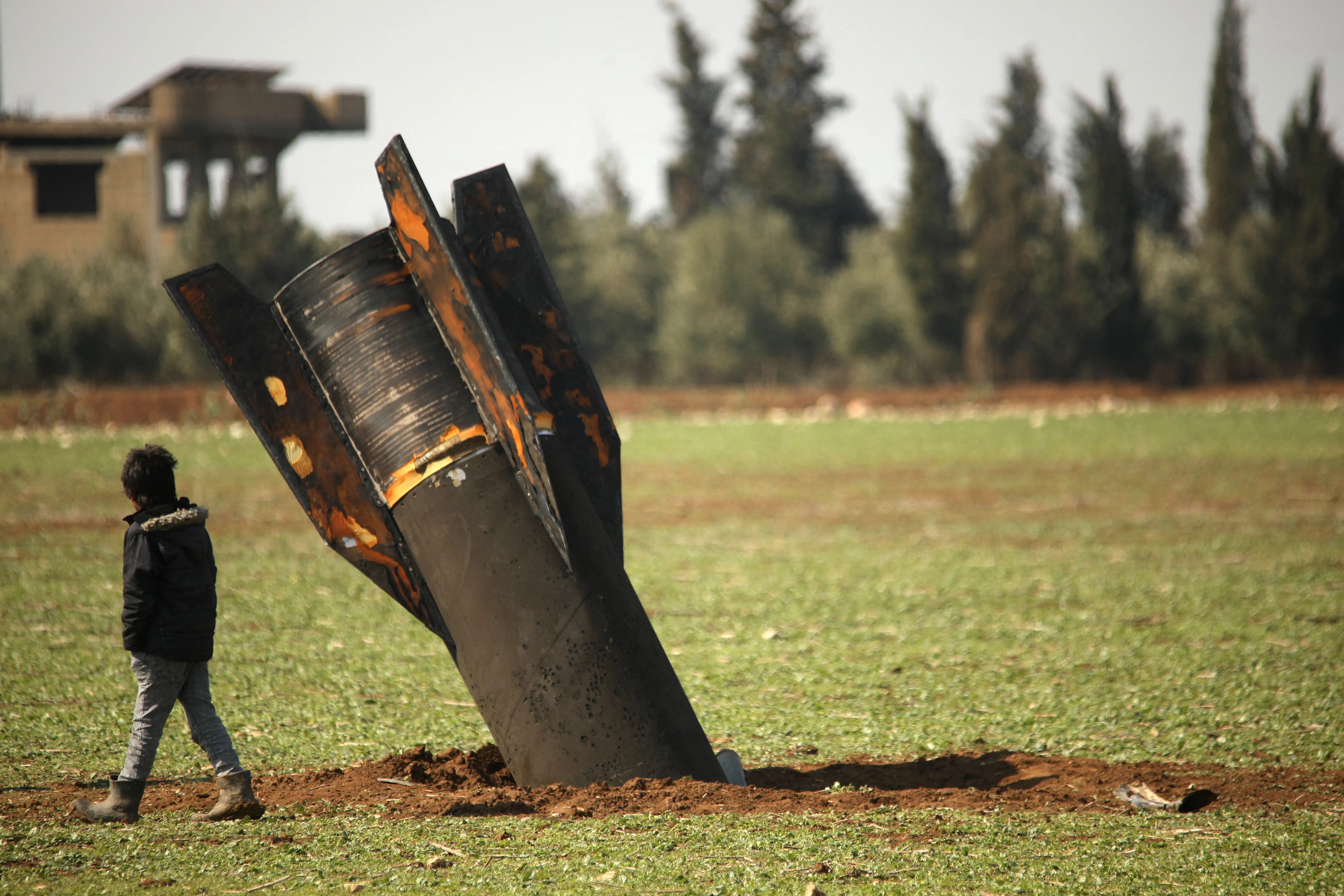
Iranian missiles and drones are flying across the Middle East, forcing the US, Israel, and the Gulf states to expend numerous costly interceptors on air defense operations in just a few days and draw on critical weapons stockpiles.
Air defense battles get expensive — fast. Official figures for the Middle East conflict aren’t available, but data from some of the countries involved indicate rapidly rising costs.
The Pentagon said Wednesday that Iranian forces had launched more than 500 ballistic missiles and 2,000 one-way attack drones since the US and Israel launched major combat operations against Iran Saturday morning.
The Gulf States, specifically Qatar, Bahrain, Kuwait, and the United Arab Emirates, said they’ve intercepted hundreds of ballistic missiles. These countries collectively reported downing at least 500 ballistic and cruise missiles and 1,300 drones.
US forces have likewise engaged numerous hostile threats, though the burden seems to have been heavily borne by allies.
A new Center for Strategic and International Studies analysis put the cost of air defense interceptor expenditure in the fight against Iranian missiles and drones at $1.7 billion for the first 100 hours of the conflict, though that figure is a midpoint.
There is some uncertainty about which munitions are in use, the analysis said. On the low end, costs may be closer to $1.2 billion. The high end is $3.7 billion, with that latter figure factoring in the potential use of more expensive missiles.
Let’s do some back-of-the-napkin air defense math on how these battles get so expensive so quickly.
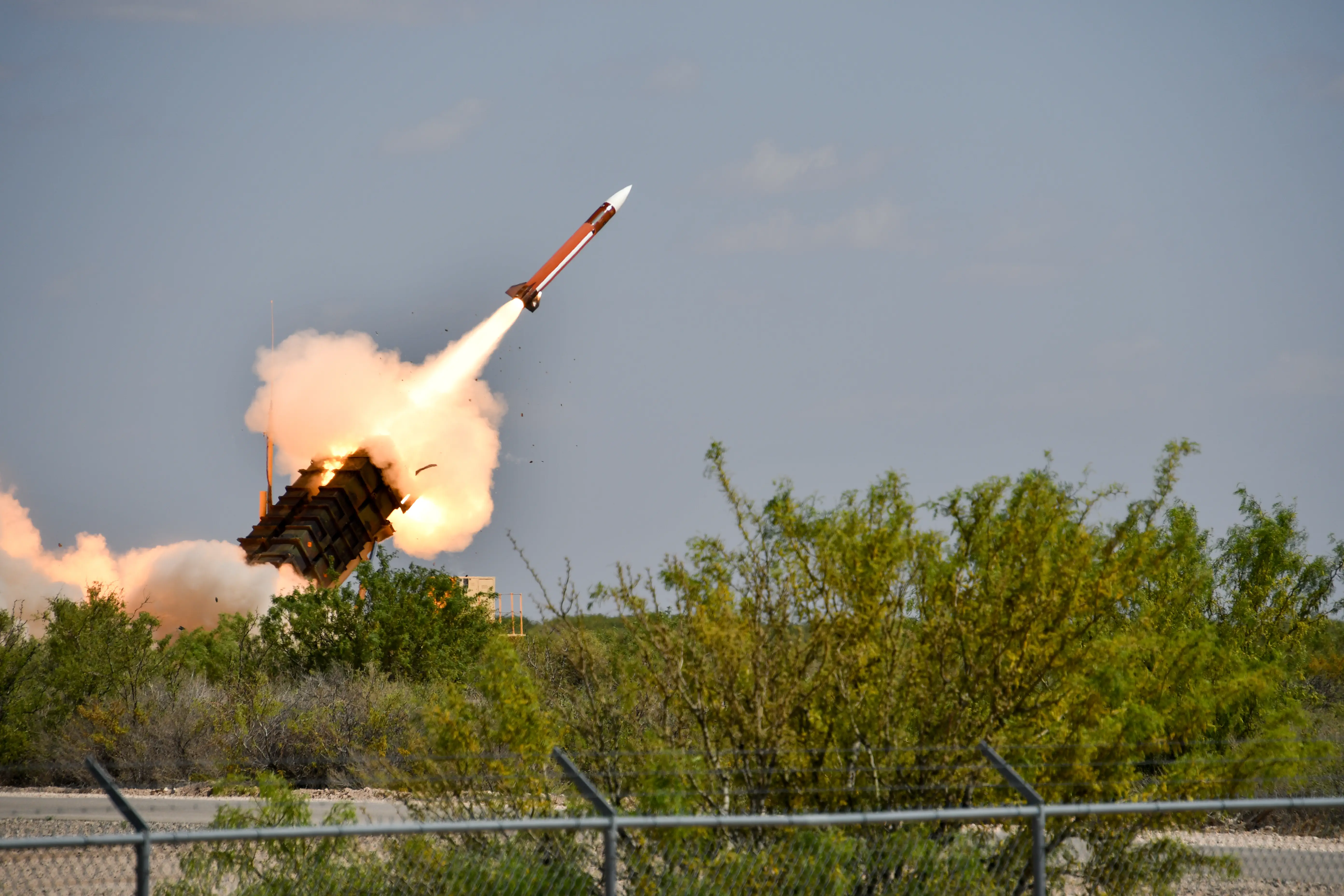
The US, Israel, and the Gulf States all operate the American-made MIM-104 Patriot surface-to-air missile system. Air defense engagements are relying, to some unspecified extent, on Patriot Advanced Capability-3 (PAC-3) interceptors, which are estimated to cost roughly $3.7 million each.
Doctrinally speaking, a air defenders may fire at least two interceptors for each incoming missile, so a single engagement could cost nearly $8 million. The UAE, which has faced the most Iranian attacks of the Gulf states, said it has shot down nearly 200 missiles so far, a potential price tag of roughly $1.5 billion if the country were relying solely on PAC-3s.
In addition to the Patriot missile systems, US forces in the Middle East are also operating Terminal High Altitude Area Defense (THAAD) batteries, for which a single interceptor is estimated to cost nearly $13 million, and relying on its warship-launched Standard Missile interceptors for additional defense.
Standard Missile costs vary. SM-2s run about $2.1 million each. SM-3s — previously used against Iranian missiles — cost between $9.6 million and $28 million, depending on the variant.
That is a heavy price to pay to bring down a missile, though the alternative is to potentially pay in damage or human lives. The math becomes more stark with drones. Iran’s Shahed one-way attack drones cost an estimated $20,000 to $50,000 each. Based on Pentagon figures, Tehran has launched roughly $40 million worth of these weapons on the lower end. That is the cost of fewer than 11 PAC-3 interceptors — or fewer than four THAAD interceptors.
In high-intensity missile fights, especially with the introduction of drones, the cost imbalance between launching the threat and defeating it can quickly become substantial.
Defense Secretary Pete Hegseth said Wednesday that the US sent “every counter-UAS system possible” to the Middle East ahead of the war. He did not mention specifics. Some counter-drone capabilities include RTX’s well-known Coyote interceptors, which cost over $100,000 apiece, and the air-launched AGR-20 Advanced Precision Kill Weapon System, which costs around $35,000 per rocket.
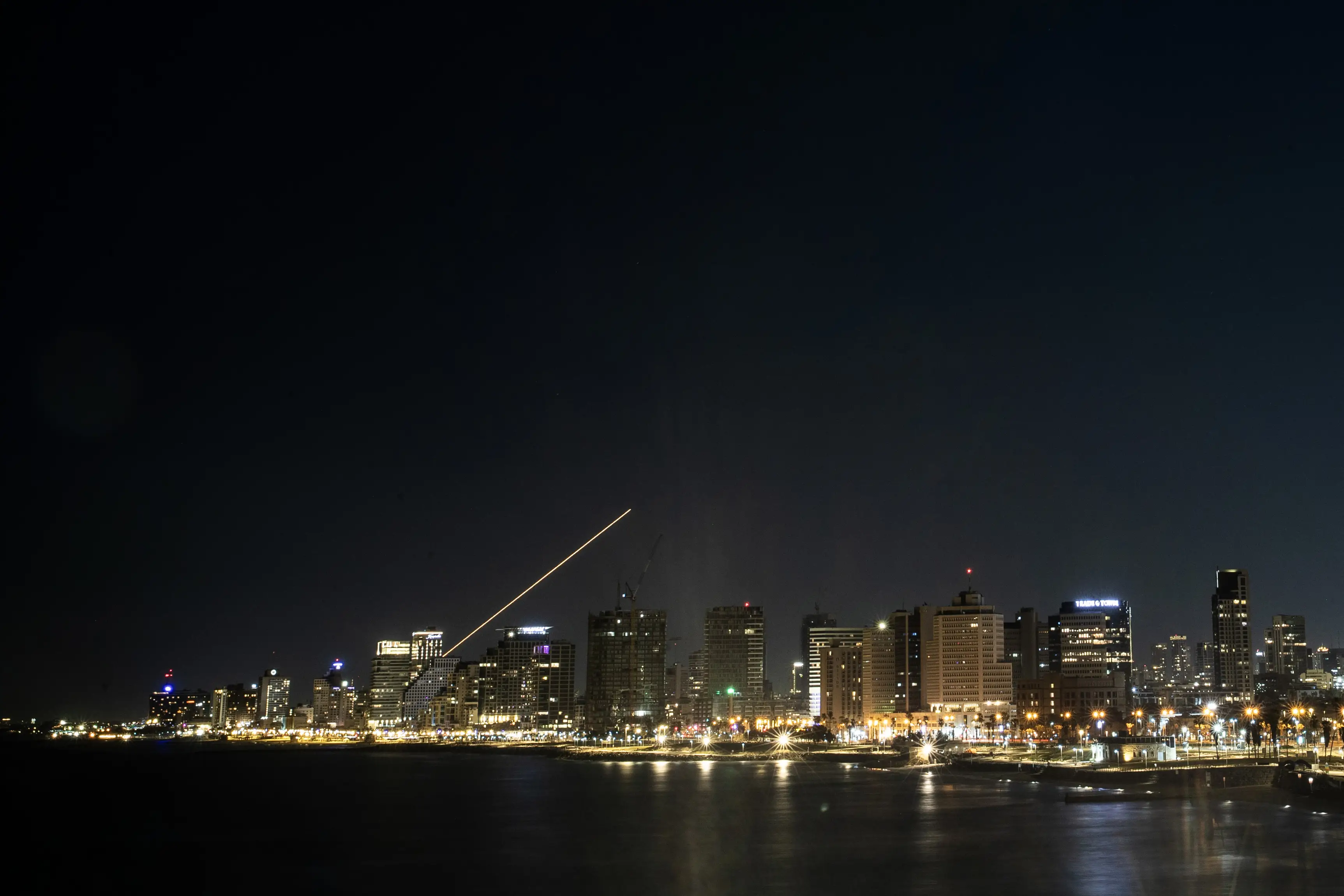
Several Iranian drones have penetrated defenses and struck military and civilian infrastructure, prompting some criticism that the US and its partners were not adequately prepared — despite years of watching Ukraine confront the same Shahed threat with cheaper countermeasures.
The Pentagon did not respond to a request for comment.
Low-cost drones like the Shahed serve a strategic purpose: forcing adversaries to burn through limited, high-end interceptors that take years to replace.
Patriot interceptor stockpiles were already under strain, with demand rising sharply amid global conflicts and recognition from other countries not at war but readying for the possibility that air defenses are critical in modern missile fights.
Production has struggled to keep pace with demand, but there are efforts underway to meet it. For instance, Lockheed Martin, which makes the PAC-3 Missile Segment Enhancement (MSE) interceptor, said earlier this year it would significantly increase output.
Warfare experts and analyses have warned that US and allied stockpiles may be insufficient for a prolonged conflict lasting weeks or months. The Pentagon and some Gulf states have disputed that assessment.
The US and Israel have heavily prioritized striking Iran’s missile launchers to reduce its ability to strike offensively and thus decrease the defensive burden, but Tehran retains the ability to fire across the region more than five days into the campaign. As long as launches continue, so does the bill.
Read the original article on Business Insider
The post Missiles are flying across the Middle East — and the air defense price tag is getting heavier appeared first on Business Insider.