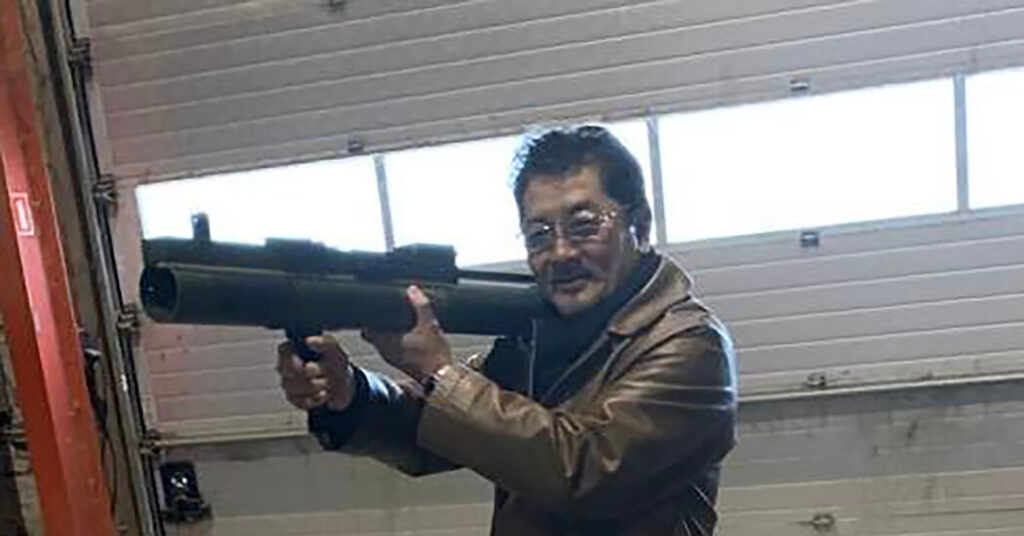
A man described by federal prosecutors as a leader in Japan’s Yakuza organized crime syndicate was sentenced on Wednesday to 20 years in prison for trafficking uranium and plutonium from Myanmar in a plot meant to supply Iran’s nuclear weapons program.
The man, Takeshi Ebisawa, was sentenced by a judge in the Southern District of New York after he pleaded guilty to six charges including conspiracy to commit international trafficking of nuclear material, according to court records. Prosecutors said Mr. Ebisawa and his associates had tried to sell weapons-grade materials and illegal narcotics while also trying to buy surface-to-air missiles and other arms for an ethnic insurgent group in Myanmar, the country formerly known as Burma.
“Today’s sentence should send a clear message: Threatening the United States by trafficking nuclear materials, narcotics and military-grade weapons will trigger an uncompromising response,” Terrance Cole, administrator of the U.S. Drug Enforcement Administration, said in a statement.
Mr. Ebisawa’s lawyers did not immediately respond to a request for comment.
Mr. Ebisawa, 61, told an undercover Drug Enforcement Administration agent in early 2020 that he “had access to a large quantity of nuclear materials that he wished to sell,” according to a federal indictment. He also asked whether Iran might be interested.
Prosecutors said he had sent a confidential source a series of photos of dark, rocky materials beside a Geiger counter, which is used to measure radiation, according to court records. Later that year, he sent an undercover agent similar images along with what he said were lab tests showing uranium and thorium.
When Mr. Ebisawa asked for help selling the material, the agent pretended to agree, saying that the buyer was an Iranian general. Yet, it was another confidential source. Mr. Ebisawa proposed to supply the fake Iranian general with “plutonium” that would be even “better” and more “powerful” than uranium for Iran’s use.
As the plot unfolded, Mr. Ebisawa sent the agent a list of weapons he wanted in exchange, including surface-to-air missiles and AK-47 rifles, according to court documents. He said a man who was the leader of an ethnic insurgent group in Myanmar was interested in buying the weapons.
In May 2021, while negotiating the deal, Mr. Ebisawa asked again whether the Iranian general still wanted nuclear material, according to court documents. The conversations over the next few months led to a meeting between two brokers and the agent in Thailand in February 2022. During the meeting, two vials of powdery yellow material were produced before being put into storage.
The authorities conducted a search of the office in Bangkok in May 2022. A U.S. nuclear forensic laboratory determined it “contained detectable quantities of uranium, thorium and weapons-grade plutonium,” according to court documents.
Mark Walker is a Times reporter who covers breaking news and culture.
The post Yakuza Leader Sentenced to 20 Years for Trafficking Nuclear Material appeared first on New York Times.