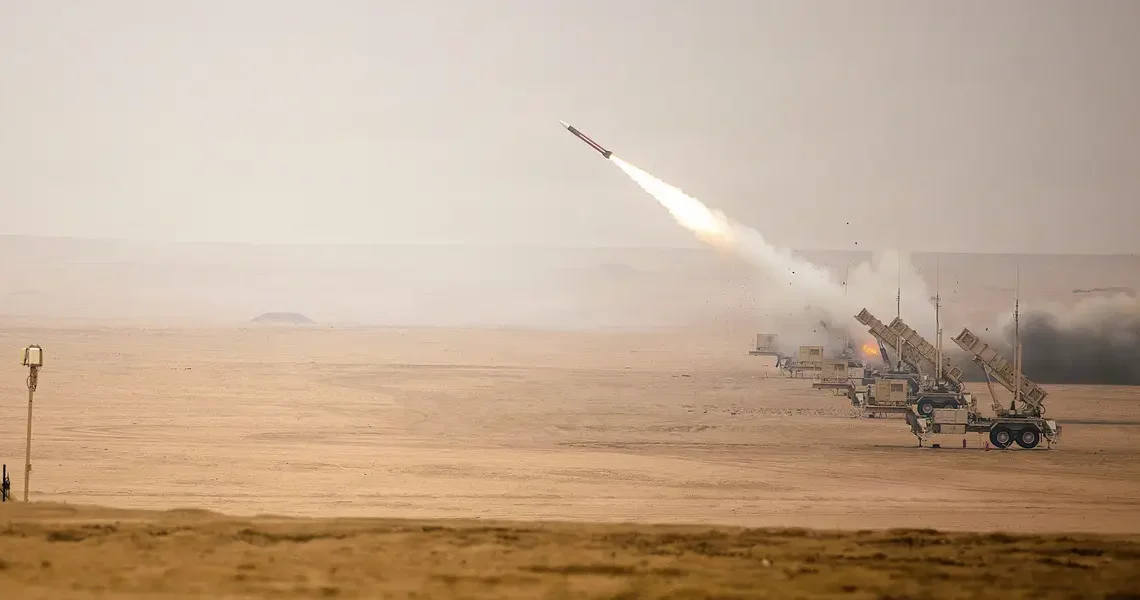
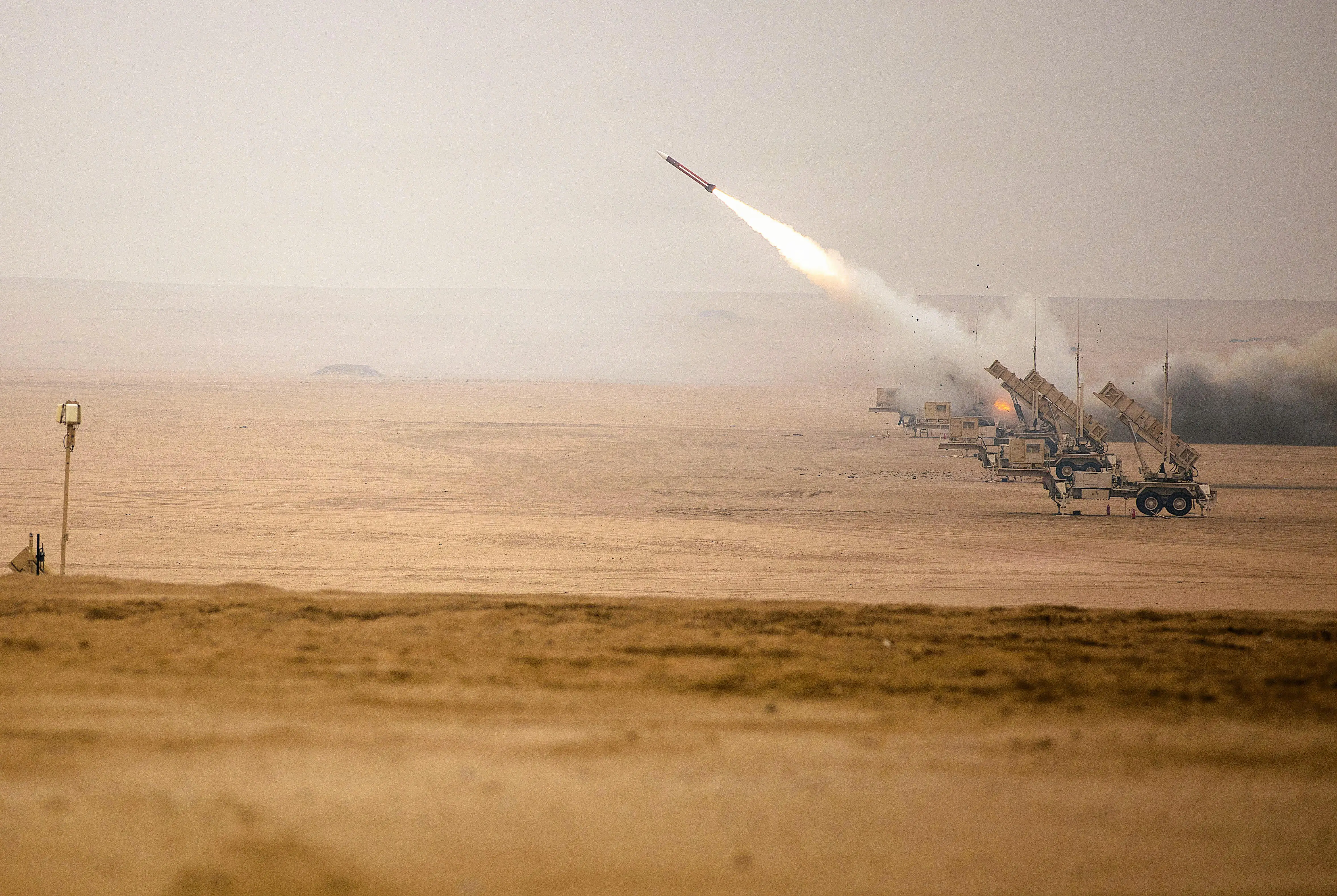
The US and its allies are shooting down Iranian missile and drone bombardments with air defense interceptors, leaning hard on Patriot missiles, a critical weapon that was already in high demand.
Following the start of Israel’s Operation Roaring Lion and America’s Operation Epic Fury on Saturday, which saw strikes across Iran, Tehran retaliated with its own strikes, lobbing missiles into nations supporting US forces.
American air defenders have turned to their MIM-104 Patriot batteries, Terminal High Altitude Area Defense batteries, and ship-launched Standard Missile-series interceptors to down incoming Iranian threats — both missiles and drones.
These battles would draw on US stocks of Patriot Advanced Capability-3 (PAC-3) missiles, among other weapons.
US allies in the Middle East, including Qatar, Bahrain, Kuwait, and the United Arab Emirates, also operate Patriot missile system variants, and these countries have been actively involved in the air defense fight against Iranian weapons as well.
The volume of weaponry Iran has fired at other countries over the past few days is significant. Kuwait said Sunday it had already faced 97 ballistic missiles and 283 drones, demonstrating a demand for extensive air defense arsenals to keep up the fight.
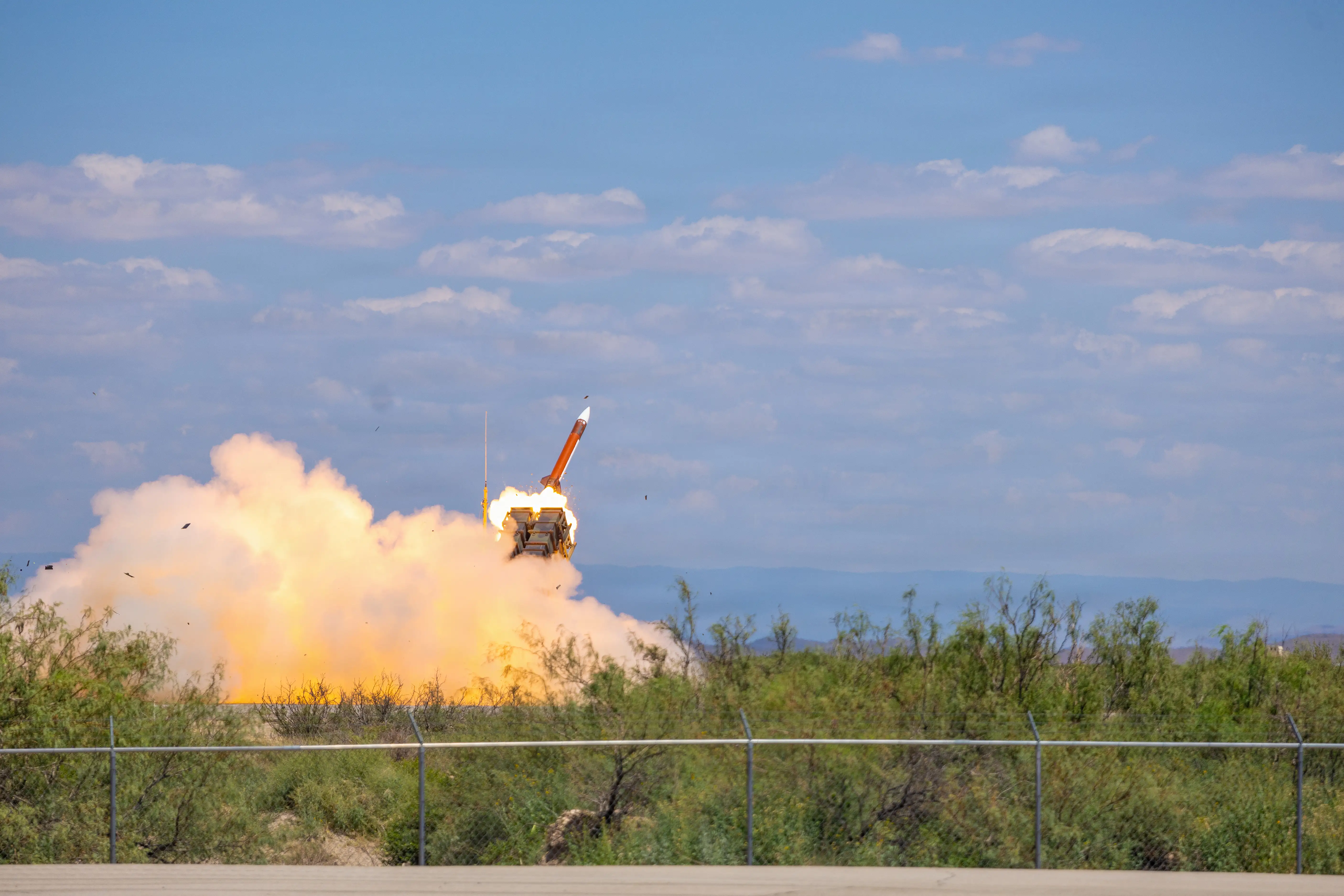
The outcome of the conflict with Iran, expected to potentially last for several weeks, could be determined in part by which runs out first, Iran’s missiles or the interceptor arsenals of the air defenders on the opposite side.
Seth Jones, president of the defense and security department at the Center for Strategic and International Studies, told NPR that “the reality is neither Israel nor the United States have sufficient munitions, either offensive or defensive, for a war that really lasts weeks into months.”
The demand for Patriot interceptors and other air defense weaponry in this conflict, likely more than one interceptor per threat, adds greater strain to already-insufficient missile stockpiles and industry scrambling to meet rising demand.
US officials and war experts have said demand for Patriots and other interceptors is surging, and while companies, like the Patriot interceptor producer Lockheed Martin, are tremendously ramping up production, the process can take years, making it hard to keep pace.
Some media reports have signaled that the stockpiles of Patriot interceptors are running low. The Pentagon challenged the reporting at one point last year, saying “the US military has what it needs to fight and win any mission, anywhere, any time.” Yet the Department of Defense is also trying to dramatically boost production.
Ukraine has been a major source of growing demand for Patriots, considered one of the world’s best air defense systems. It relies on the weapons to fend off regular Russian barrages.
In messages to reporters, Ukrainian President Volodymyr Zelenskyy said “it is too early to draw conclusions” about the impact of the conflict with Iran on Patriot interceptor availability, but “if there are prolonged hostilities in the Middle East, this will certainly affect supplies. I am confident of that.”
Last year, President Donald Trump said it was hard to get Patriots to Ukraine. He said that “we need them too.” In the current Iran fight, just a few days into the conflict, he signaled that the US military may need to draw from global munitions stocks to keep up operations.
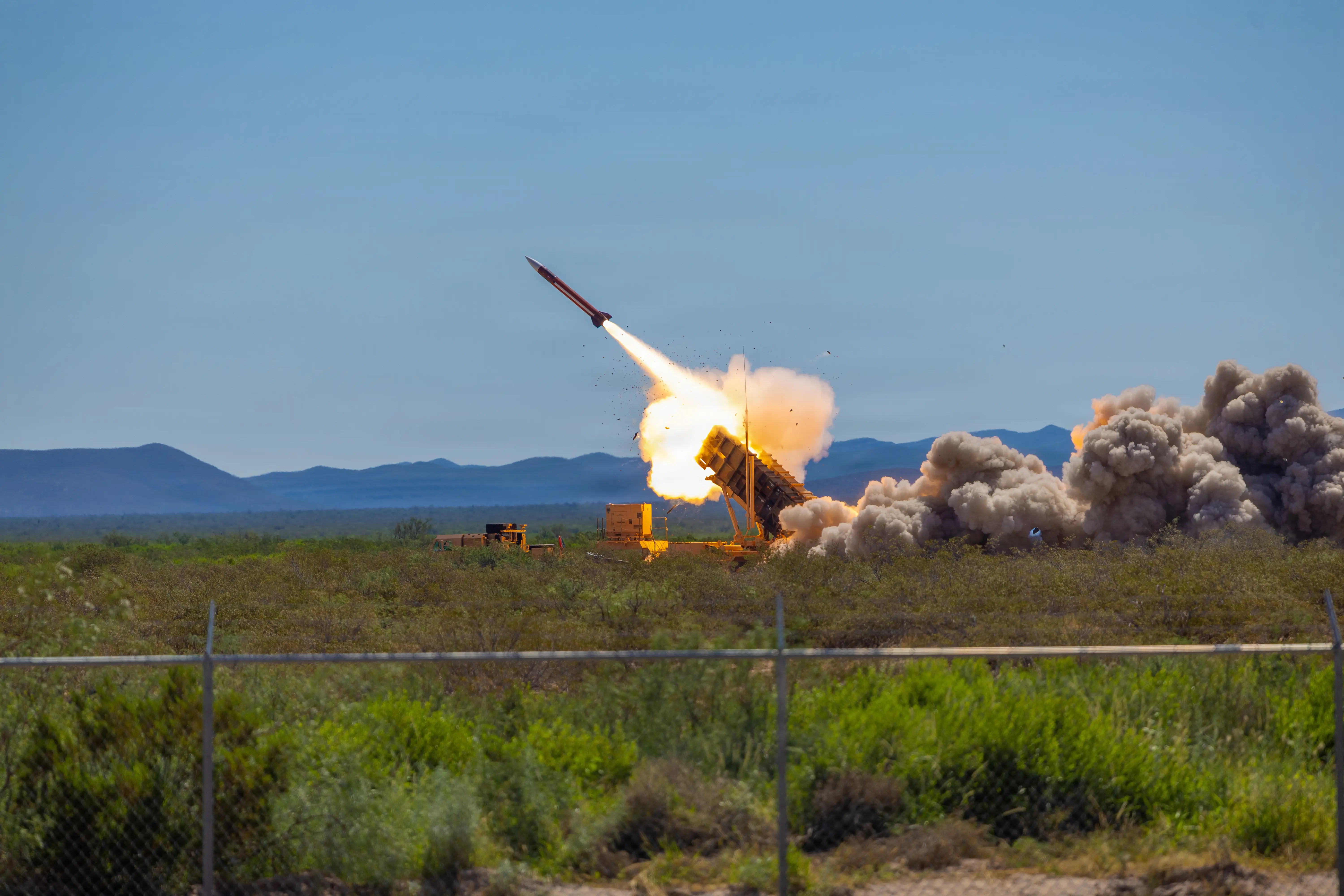
Major production contracts have shown that there is a need for more of these weapons. Lockheed Martin’s PAC-3 production has continued to increase since hitting 500 in 2024, while other defense firms are also increasing related production. A recent agreement said that over a seven-year period, Lockheed aims to boost Patriot interceptor production from 600 to 2,000 annually.
The US Army began pursuing efforts last year to expand its purchase of interceptors with plans to invest more than $1 billion in Patriot missiles alone and an objective of 13,773 total missiles.
One PAC-3 interceptor costs roughly $3.7 million.
Procurement data for the PAC-3 missile, compiled and analyzed by CSIS, show that between fiscal years 2015 and 2024, the Pentagon purchased an average of nearly 270 missiles annually. CSIS noted that steps such as the Army’s decision to raise its Patriot buy quantities help send a sustained, reliable demand signal to industry.
Conflicts elsewhere make it hard to build up deep stockpiles. The US needs them, and numerous partner nations need them. Without sufficient stocks, the US runs the risk of being drawn into a high-end conflict with a near-peer foe, an adversary like China, without enough air defenses, leaving it in a dangerous position in a missile fight.
“China will be keen for Iran to fight it out against America,” observed Mick Ryan, a retired Australian general and strategist focused on future warfare. “The more munitions America uses in Iran, and the more strategic attention America pays to the Middle East, the happier the CCP is,” he said, referring to the Chinese Communist Party.
In late 2024, Navy Adm. Samuel Paparo, head of US Indo-Pacific Command, said ongoing fighting in Ukraine and around the Middle East had “eaten into” Patriot stockpiles needed in his area of responsibility, “and to say otherwise would be dishonest.” A conflict of this new one’s intensity, which is expected to see an uptick, may only exacerbate the problem.
Correspondent Jake Epstein contributed to this report.
Read the original article on Business Insider
The post The fight with Iran is putting new stress on Patriot missile stockpiles already facing heavy strain appeared first on Business Insider.