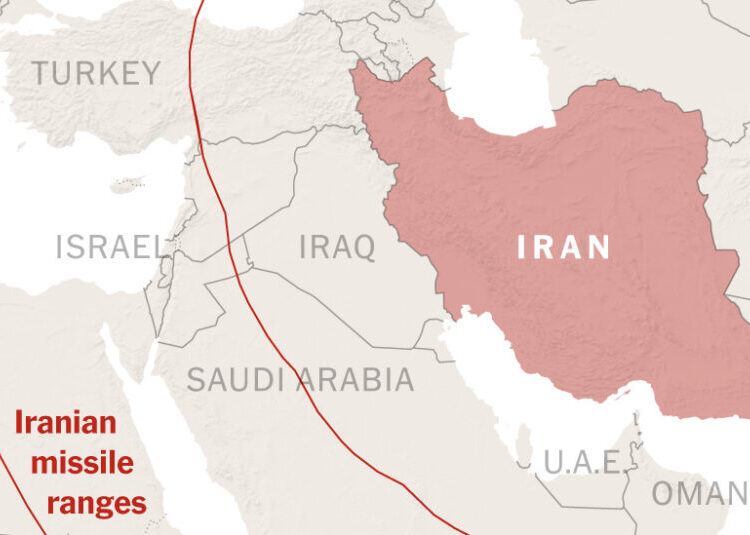
As America’s conflict with Iran continues, the Department of Homeland Security is warning law enforcement about the heightened risk of lone wolf attacks. Yet the agency tasked with keeping Americans safe — one of the few responsibilities just about everyone agrees is appropriate for government — remains unfunded as Congress bickers over immigration politics.
Congressional negotiators reached a deal to fund the federal government but outrage over President Donald Trump’s deportation tactics pushed Democrats to defund DHS. The agency has been in a shutdown since Feb. 14. Both sides are still negotiating, and the White House sent its latest proposal to Democrats on Friday.
Most Americans won’t notice the changes unless they’re traveling and can’t use Global Entry, but it’s the kind of agency you regret not being staffed only once it’s too late. On Sunday, a deranged shooter killed two and injured 14 others at a bar in Austin wearing a “Property of Allah’’ hoodie and another shirt with an Iranian flag design. It’s not possible to draw a direct line between the shutdown and that tragedy, but having fewer people protecting the homeland at a time like this is an unnecessary risk.
The irony is that, despite the shutdown, ICE is still being funded thanks to a large infusion from this summer’s One Big Beautiful Bill Act. Agencies including FEMA, the Transportation Security Administration and the Secret Service are more vulnerable.
Looming gaps pose real security issues. Only 800 of the more than 2,000 employees at the Cybersecurity and Infrastructure Security Agency are currently working, according to data shared with us by Sen. Susan Collins (R-Maine). Most have been furloughed. The agency has cancelled assessments that detect vulnerabilities in America’s critical infrastructure, which seems like bad timing in light of the Iranian regime’s expertise at hacking.
Over 50,000 TSA agents and screeners will miss their first paycheck this week. During last year’s shutdown, nearly 10 percent were absent from work. Employees involved in processing for the FEMA Go system have also been furloughed.
After the killing of two Americans in Minneapolis at the hands of immigration agents, it’s clear that changes are needed at DHS. But it’s embarrassing that it is taking this long to reach a deal that boosts training and accountability without impeding ICE agents from pursuing legitimate public safety threats.
Banning agents from wearing masks and requiring a form of identification is normal across American law enforcement. Requiring judicial warrants isn’t practical for every single deportation, but there are reasonable compromises short of that. Mandating the use of body cameras and requiring better training wouldn’t just help restore public trust. It would boost the credibility of agents.
Not everyone will get what they want. Congressional Republicans can’t simply ban sanctuary cities. And Democrats won’t get Republicans to ban every ICE operation in residential areas. They might look to savvy politicians like Collins, who was able to announce the end of an enhanced ICE operation in her state after appealing directly to DHS Secretary Kristi Noem. In an interview, Collins said that “sitting down with DHS and discussing strategies to focus on detention and deportation of criminals” is a good way to prevent ICE surges.
As the U.S. deals with the uncertainty of conflict abroad, it’s crucial that we boost security at home. Reasonable lawmakers should be able to strike a deal that keeps ICE accountable, while also keeping Americans safe.
The post Remember the Department of Homeland Security? appeared first on Washington Post.