Which diet is the very best diet to reduce cancer risk?
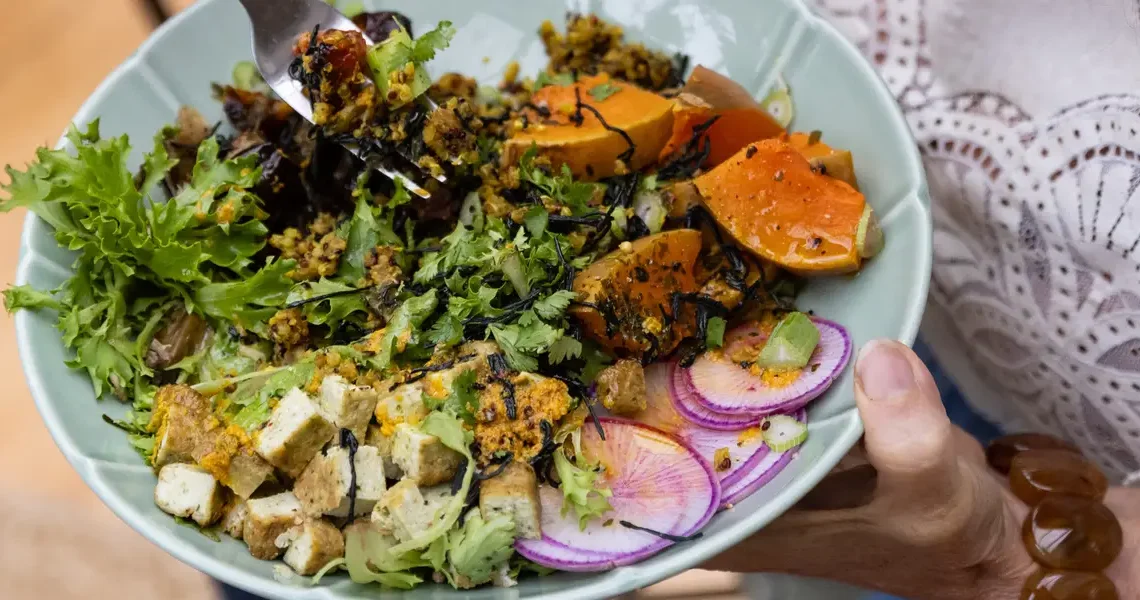
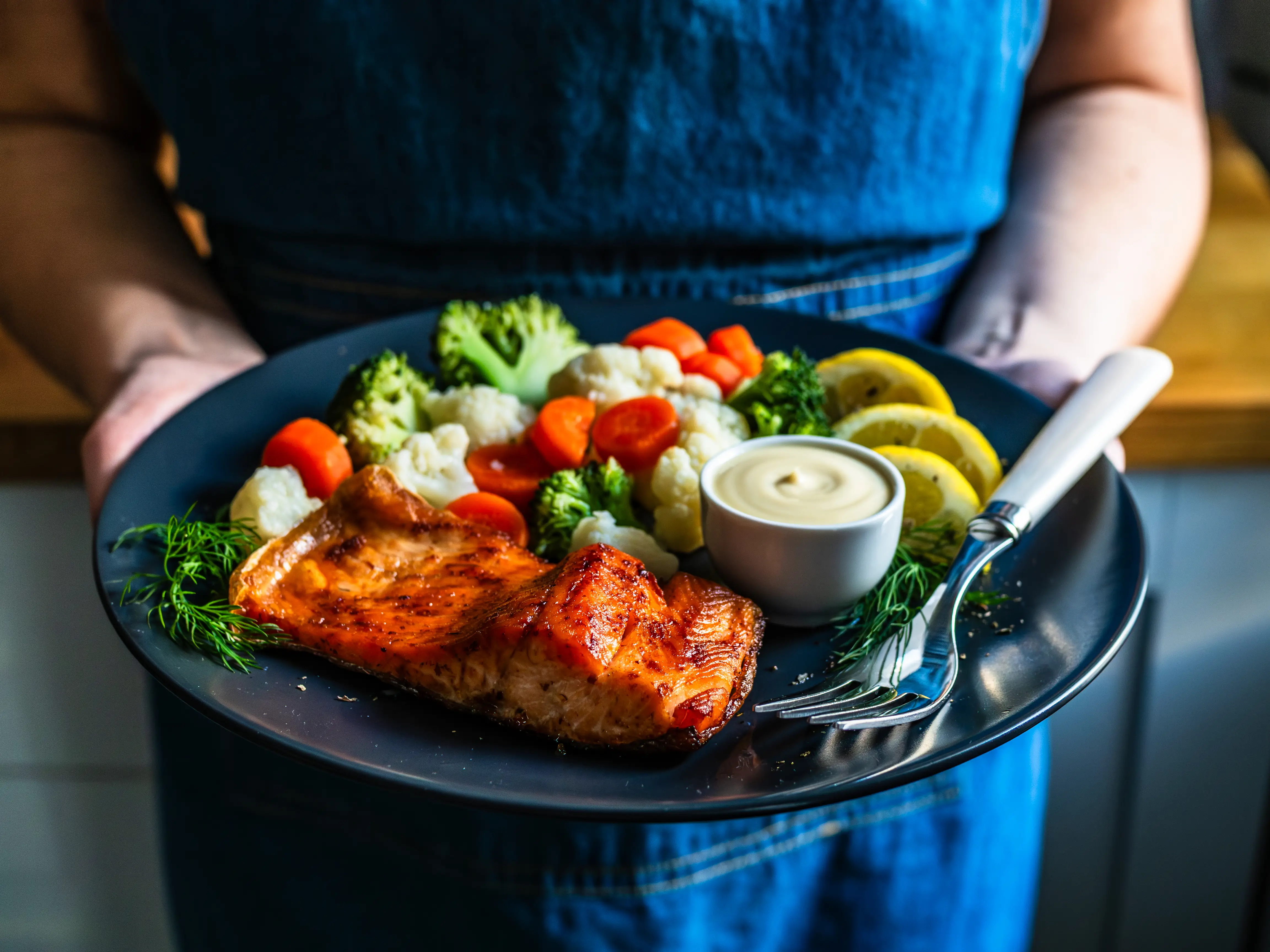
A new study suggests the answer may be something close to a healthy, nutrient-rich vegetarian diet. Still, it doesn’t have to be super strict, and can allow for some fish or a bit of meat now and then.
The study, released in the British Journal of Cancer early Friday, analyzed long-term data from over 1.8 million people worldwide who adhered to five dietary patterns, all with relatively healthy eating habits. The study included:
- 1,645,555 meat eaters
- 57,016 poultry eaters (no red meat)
- 42,910 pescatarians
- 63,147 vegetarians and
- 8,849 vegans
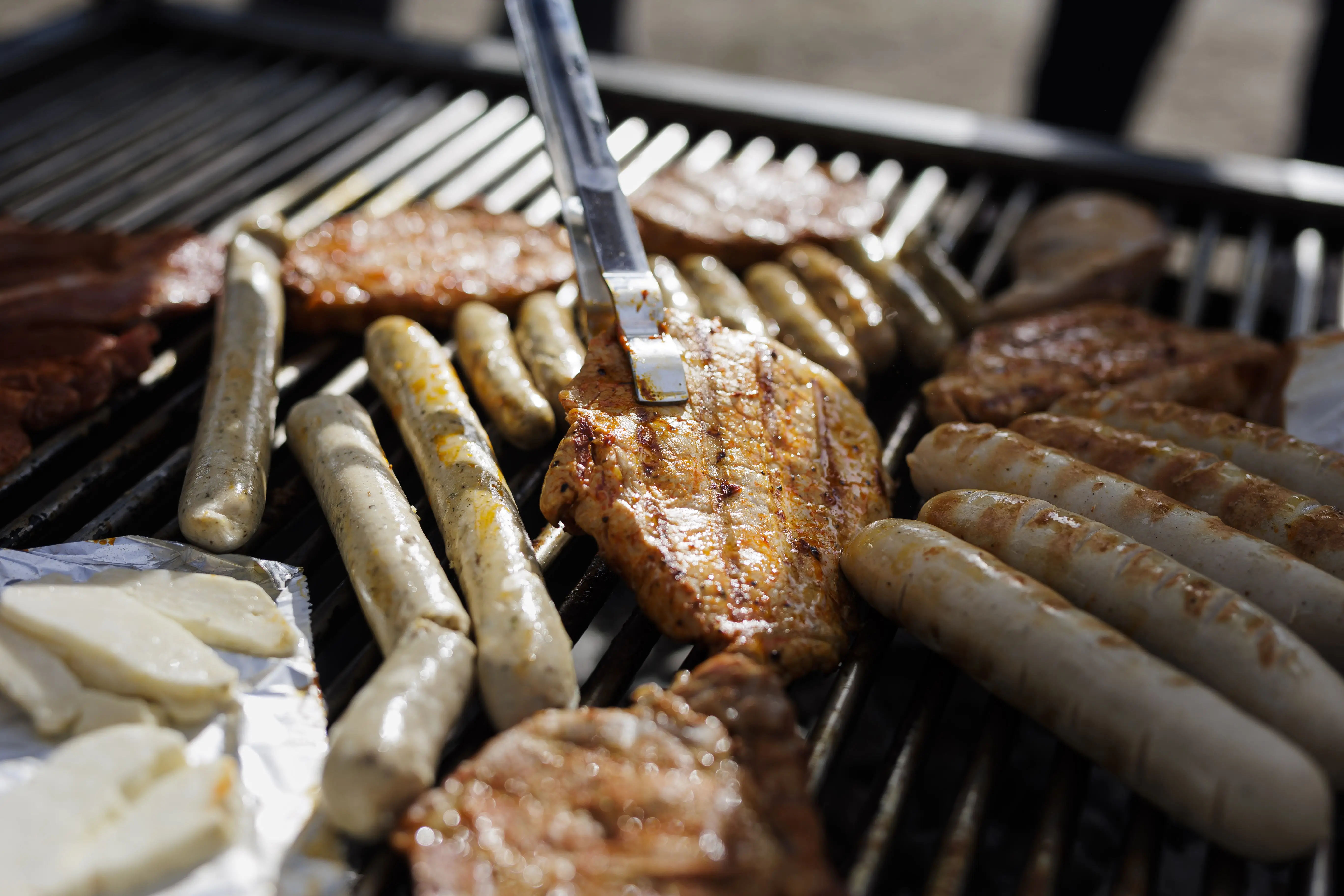
Study participants were located in the US, UK, India, and Taiwan. And they were all fairly healthy, not eating a ton of the processed meats such as sausages and bacon that are so often linked with more cancer diagnoses. For example, in the US, one of the big cohorts studied was Seventh-Day Adventists, who consider healthy eating and physical activity an integral part of their religious beliefs.
After following participants for an average of 16 years and tracking cases of 17 different types of cancer, a few patterns emerged.
Overall, vegetarians had a lower risk of five kinds of cancer, including some of the most lethal cancers, like breast cancer and prostate cancer. Pescatarians also had a lower risk of colorectal, breast, and kidney cancer, compared to red meat eaters, and poultry-eaters who avoided red meat suffered fewer cases of prostate cancer. But there also appeared to be some cancer-fighting benefits to eating some meat, dairy, or fish. Researchers aren’t sure why, but suspect it may be due to the micronutrients in animal products, such as calcium, B vitamins, and riboflavin, that vegetarians and vegans sometimes don’t get enough of.
“We’ve published many papers on vegetarians over the last 30 years, and we consistently find lower intakes of some micronutrients,” epidemiologist Tim Key, a professor emeritus at the University of Oxford and co-investigator of the study, said during a briefing. “I think the data we’re getting today suggests there could be deficiencies that you just need long-term data and big numbers to pick up.”
Vegetarians had a lower risk of developing 5 cancers
Compared to meat-eaters, vegetarians in the study had a:
- 31% lower risk of multiple myeloma,
- 28% lower risk of kidney cancer,
- 21% lower risk of developing pancreatic cancer,
- 12% lower risk of prostate cancer, and
- 9% lower risk of breast cancer.
The study can’t answer why meat eaters had a greater risk of developing these cancers, but researchers suspect it may come down to specific compounds in meat that raise blood levels of proteins that can harm our organs over time, rather than anything special about eating extra veggies.
“It’s true, the vegetarians do eat more fiber and more fruit and veg — the differences are not very big,” Key said. “My feeling is the differences are more likely to be related to meat itself than to simply the vegetarians eating more healthy foods.”
Still, there do appear to be some cancer-fighting benefits to eating meat, too. In the study, vegetarians had almost double the risk of developing squamous cell carcinoma of the oesophagus, compared to meat eaters, which investigators said might be related to a lower riboflavin intake. It’s impossible to say for sure that the diets caused the differences in cancer risks, since these diets weren’t prescribed and the studies were just observational, following people who adhered to their own vegetarian or meat-eating diets for a few decades.
“We don’t know if the vegan or vegetarian diets are objectively ‘healthy’ or if they simply omit meat and animal products,” Aisling Daly, a lecturer in nutrition at Oxford Brookes University, who was not involved in the study, said in a release. “Vegetarian diets can usually be more health-promoting than meat-based diets, but if people are not substituting the meat products appropriately, the intended health benefits may not appear.”
Vegans had more colon cancer in this study — a finding that might be misleading
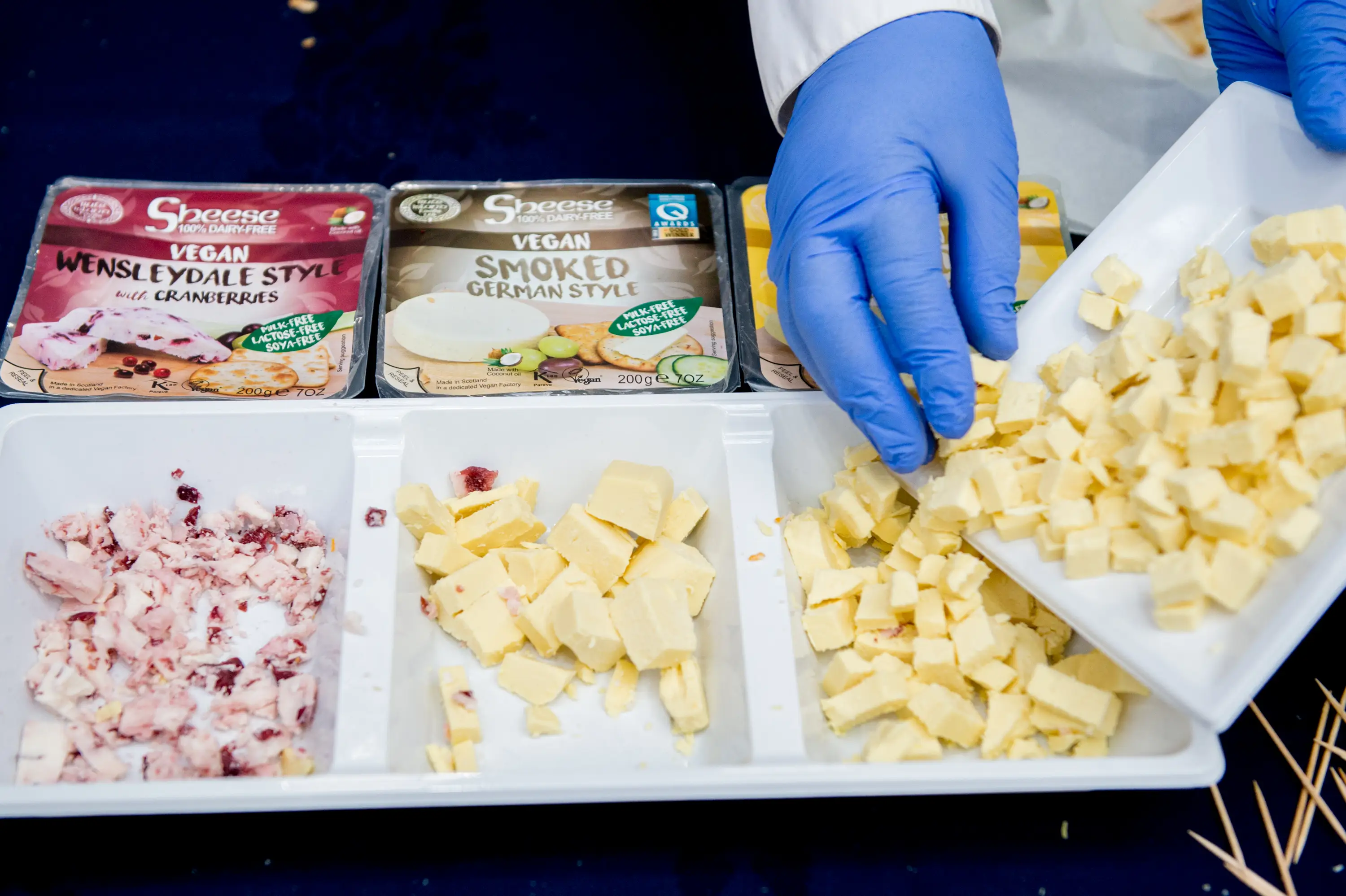
According to the study, vegans had a roughly 40% increased risk of developing colon cancer when compared to meat eaters. That difference, which shocked some nutritionists and public health experts, may stem from calcium deficiencies, investigators said.
“Calcium intake on average was quite low in vegans,” Key, the epidemiologist, said.
Calcium is good for preventing colon cancer because it can bind to free fatty acids in the gut and shuttle them out before damage occurs. One study released last year showed that women who consumed the equivalent of a glass of milk a day (300 milligrams of calcium) had a 17% lower risk of developing colorectal cancer.
Of course, you don’t have to eat dairy to get plenty of calcium in your diet. Plant foods like spinach, tofu, and chia seeds can also pack a calcium-rich punch.
Today, there aren’t meaningful differences in calcium intake between vegans and others, according to more recent data Key has reviewed. “Presumably largely because of more consumption of more fortified foods, particularly dairy product substitutes,” he said. It’s possible that if we followed today’s vegans 20 or 30 years into the future, they wouldn’t develop any more colon cancer than their meat-eating peers.
It’s also possible that modern vegetarian and vegan diets aren’t as healthy as they used to be, and that could change the cancer risk equation, too.
“The data used in this study come from groups of people who were recruited at least 10 years ago — and in some cases as far back as the 1980s,” nutrition scientist Nerys Astbury from the University of Oxford, who was not involved in the new study, said in a statement. “Eating habits change over time. In the past, vegetarian and vegan diets were typically based on whole foods such as vegetables, beans, lentils, and pulses. Today, however, many vegetarian and vegan diets include a growing number of highly processed meat and dairy alternatives.”
A growing body of research suggests those plant-based convenience foods may not be so great for our health.
The study doesn’t derail common sense nutrition advice
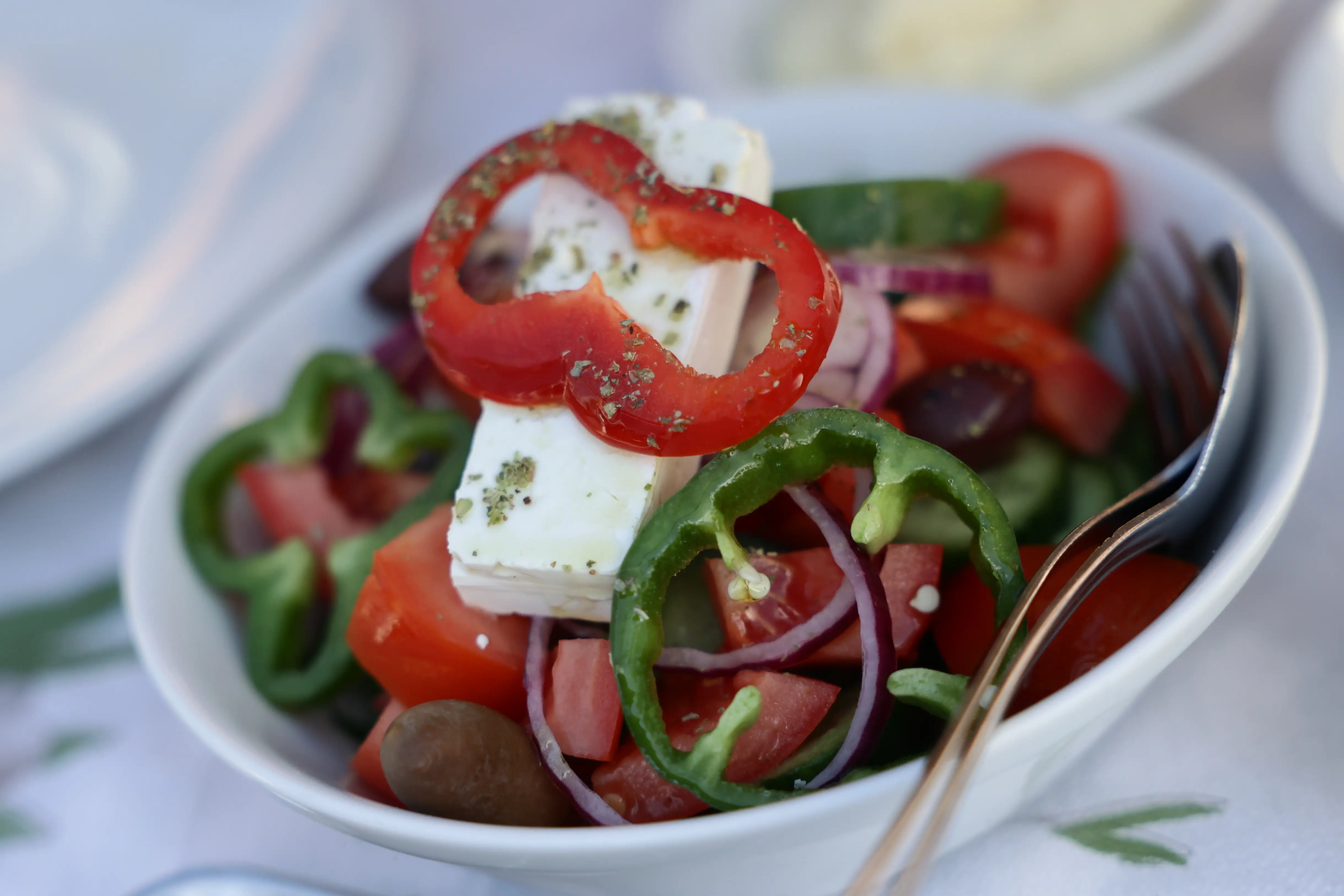
This study doesn’t change much about what we know you can do to improve your diet and lower your cancer risk. The basic advice to eat your veggies, enjoy red meat in moderation, and avoid ultra-processed meats like hot dogs most of the time still applies here.
Earlier studies of vegetarians and pescatarians have similarly suggested that there are brain health and longevity benefits to eating a little bit of fish — and maybe even some meat — now and then. Healthy fats in fish, olive oil, avocados, and nuts seem to do a lot for our long-term health.
Read the original article on Business Insider
The post A new study suggests vegans have a higher risk of colorectal cancer — but meat-eaters aren’t in the clear appeared first on Business Insider.