Health care, new cars and new homes feel unaffordable to most Americans, a Washington Post-ABC News-Ipsos poll shows.
Most Americans say that they can afford basic necessities like their current housing costs, groceries, utilities and gasoline. But large numbers across income levels also say larger expenses and the cost of things associated with an enjoyable life — including taking a weeklong vacation — are out of reach. Overall, 53 percent of adults say they have just enough money to maintain their standard of living, nearly identical to a year ago, while roughly half, or more, say that discretionary spending on going out to dinner, vacations and new cars is unaffordable.
The findings, based on a survey of more than 2,500 Americans between Feb. 12 and 17, show why so many Americans — and politicians — cite affordability as a top concern, in spite of a booming stock market and solid consumer spending.
Inflation, which has fallen significantly below scorching post-pandemic levels, continues to weigh on households, putting some expenses that many Americans associate with a good standard of living firmly out of reach, even for higher earners. Although gas prices fell in 2025, housing, health care, food and new car prices were stubbornly high.
The Post-ABC-Ipsos poll finds 71 percent of adults say gasoline is affordable for them, but 74 percent say a new car is not, including majorities across income groups.
New car and truck prices have soared to record highs in recent months, with the average sticker price for a new car or truck now sitting above $50,000. And annual family premiums for employer-sponsored health care rose 6 percent last year, according to a KFF survey, around double the rate of inflation.
Meanwhile, affordability has emerged as a major theme in the midterms elections. This week, President Trump used his State of the Union speech to tout proposals meant to address voters’ affordability concerns, including a federal website offering coupons on some prescription drugs. Democrats have been levying attacks on the Trump administration over the costs of housing, food and health care, and plan to make affordability a central issue in the midterms.
Erick Dorn, 54, who earns more than $150,000 a year, said he’s been pleased to find lower grocery and gas prices recently. But his overall financial picture has some dark spots, especially his health care bills, said Dorn, a facilities manager at a private country club in Maryland.
“Every time I turn around health care goes up,” said Dorn. “I just had a CT scan done and I pay a lot of money for insurance, but I had to pay $230 out of pocket and then they sent a bill saying this isn’t approved by your insurance, so I have to pay $600 more.”
Dorn said that while he and his wife are comfortable homeowners, they regularly have to make tradeoffs. Right now, he says they can’t afford their usual vacation to the Caribbean, as airfare and all-inclusive resort prices have skyrocketed.
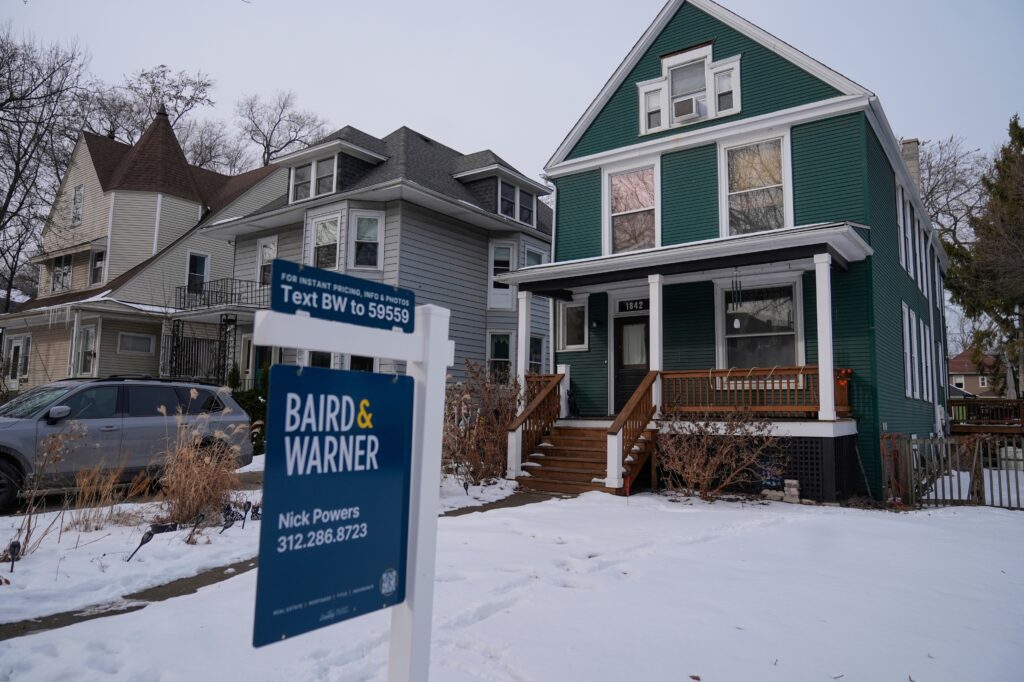
American renters’ outlook for homeownership looks particularly grim. While almost 3 in 4 renters say they would like to be homeowners, 65 percent say they won’t be able to buy a home they would like in the foreseeable future. That’s true even for 57 percent of renters who earn more than $100,000 a year — above the country’s median household income of $84,000.
That pessimism persists across education levels and household income, although women are significantly more likely to be pessimistic about homeownership than men.
Roxie Ventura, a 44-year-old human resources director in Southern California who makes more than $100,000 a year, said she’s been searching to buy a single family home for the past five years. But most properties she visits are out of her budget, with some available listings starting at around $700,000 for a two-bedroom.
That’s partly because most of her expenses feel unaffordable right now — including the $3,000 a month rent she pays for a one-bedroom apartment, her $300 a month health care premium and gas prices at around $4.60 a gallon.
“It just doesn’t feel like a hundred grand is enough,” said Ventura, who lives alone. “I got a raise but my then healthcare went up, gas prices went up, groceries are going up and they raised my rent. So it still feels like the same situation.”
More than half of renters say their rent is unaffordable and about half say they have “a lot” or “some” debt.
People earning less than $100,000 a year are more likely to say that groceries and utilities feel unaffordable, including about 6 in 10 of people who earn below $50,000 a year.
In Louisiana, Tara Cunningham, a 54-year-old law librarian who makes around $80,000 a year, said the cost of living has gotten so high that she avoids buying meat, even from a discount grocery store, and that she puts more on her credit cards, including this month to make up for a one-night hotel stay during Mardi Gras.
“I feel like there’s no end in sight to increases,” Cunningham said. “The middle class is being squeezed. It seems like there’s so much money floating around in the government. Billions for this project, unnecessary things like ballrooms, but we can’t have basic things.”
Read detailed results the Post-ABC-Ipsos poll. The poll was conducted Feb. 12-17 among 2,589 U.S. adults. The sample was drawn through the Ipsos KnowledgePanel, an ongoing panel of U.S. households recruited by mail using random sampling methods. The sample is weighted to match population demographics, 2024 turnout/vote choice and political partisanship. Overall results have a margin of error of plus or minus two percentage points.
Scott Clement contributed to this report.
The post A new car, home feel out of reach for middle-class Americans, poll finds appeared first on Washington Post.