If you’ve spoken with anyone in the dating market recently, you’ve likely heard them describe “The Apps” with an air usually reserved for recounting war stories of yore.
“The Apps” — the bevy of dating platforms like Tinder, Hinge, and Bumble that fill up singles’ phones — haven’t always been such a slog.
There was once what New York Magazine called “the golden age of dating apps” — the time period from the early aughts up until the pandemic, when dating apps were free or lightly paywalled, and swiping options and matches felt infinite. It was peak millennial lifestyle subsidy; after an app-subsidized workout class, you could use an app to summon a cheap ride, and meet up with a high-quality app match for a date.
“Since then, I think you’ve just slowly seen a degradation of app quality and match potential, but also this rise of monetization,” Emily DiVito, a senior advisor for economic policy at the Groundwork Collaborative and the coauthor of a new report on dating app paywalls, said.
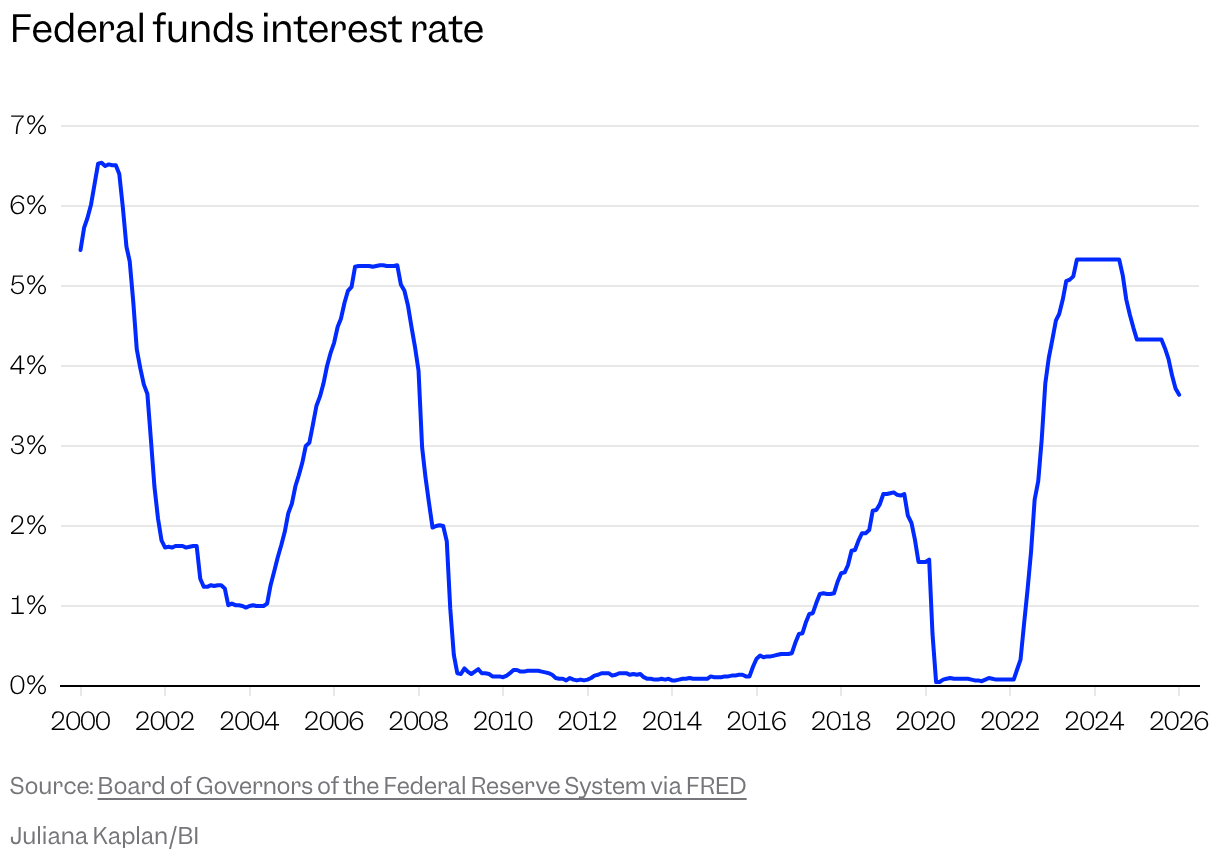
The end of that era also coincides with the wallet-tightening that came as venture capital money, which subsidized many of the apps that made up the daily fabric of 2010s life, was no longer effectively “free.” Interest rates ticked up; the faucet of money turned into a trickle. Dating apps threw up paywalls and upsells — and your love life might have paid the price.
As third spaces have eroded and the pandemic disrupted socializing, DiVito said apps have become more of a necessity for daters — even as they become more paywalled or more difficult to navigate.
“So they’re worse, but also you sort of feel like you have to be on them if you want to meet somebody to partner with,” DiVito said.
Are you spending more on apps or struggling with dating costs? Contact this reporter at [email protected].
As DiVito chronicles, the going price for these apps has increased: Since 2016, the price of the cheapest subscription offerings for Bumble has risen by around 200%. Similarly, the cost of Tinder’s paid Plus tier — which has since added features — has increased by around 150% since its introduction in 2015. There’s also the à la carte options apps have increasingly rolled out, such as “super likes,” paid filters, and even the ability to just keep swiping.
“The vast majority of users on our freemium apps, including Tinder and Hinge, use the platforms for free, and we design those experiences to be engaging, valuable, and complete on their own,” a Match Group spokesperson said in a statement to Business Insider. “Subscriptions are optional and provide additional tools for those who want more control over their experiences. We continually invest in features and improvements that strengthen outcomes for all users, because improving outcomes is what drives long-term, sustainable growth.”
Bumble did not respond to a request for comment from Business Insider. In the firm’s third-quarter earnings call, CFO Kevin Cook said that they are “focused on improving member experience, strengthening the foundation of the business, and maintaining financial discipline.”
“While some of these actions create near-term headwinds, they’re designed to position Bumble for healthier growth and stronger monetization over time,” Cook said. “Together with continued product innovation and market expansion, we believe this is the path to durable, long-term revenue growth.”
Users have started their own ritualistic practices to try and “hack” algorithms, going to great lengths to delete apps, wipe data, and game out how and when they swipe to try and get more viable matches.
Even so, many are succumbing to the siren call of paying for apps or app features. A Pew Research survey conducted from July 5 to 17, 2022, found that over half of respondents ages 18 to 29 had ever used a dating site or app. Around 35% of the surveyed dating app users said they had paid to use a site or app, and those who paid were more likely to say they had positive experiences with apps compared to those who had never forked over money.
That makes sense as zero-interest funding has dried up and apps seek returns for their investors. A 2023 research note from Morgan Stanley found that the industry’s monetization rate doubled in the previous eight years, and that the monetization push accounted for 60% of revenue growth from 2014 to 2022. Per Morgan Stanley, the average dater who paid for apps spent $18 to $19 a month in 2023. And, as DiVito said, some of the most prominent apps have slashed their workforces over the past few years.
“That just creates obviously kind of a doom loop of disinvestment in the product itself, and therefore the need to continue to monetize the users that remain,” DiVito said.
For users, that means being stuck between a rock and a hard place: Online dating is still the most prevalent way couples meet, even if it’s only getting harder to navigate. DiVito thinks that legislators and policymakers should step in to mandate that the apps disclose their pricing structures and tiers, beef up data privacy, disclose how their algorithms work, and not engineer “artificial scarcity” by putting potential compatible matches behind a paywall.
While dating apps might seem outside the realm of policymakers, DiVito sees them as part of a larger conversation around the subscription-ification of the economy — and how it snakes into even our love lives. For years, potential daters were told stories about how their parents and grandparents organically met through social connections; that’s not the case these days.
“I think it kind of feels like the rug has been pulled out from a lot of young people who have just a desire for that most elemental relationship as adults and are authentically searching for it, but are just facing so many more walls,” DiVito said.
Read the original article on Business Insider
The post Would you pay $20 a month to find your true love? You might have to. appeared first on Business Insider.