Long ago, in Germany’s Thuringian Forest, an early reptile sat down in mud for a minute and left behind the pettiest legacy imaginable. Around 298 to 299 million years later, scientists are celebrating what appears to be the oldest fossilized cloacal imprint ever identified. Yep, this is a “butthole” headline. The cloaca is a single opening used for pooping, peeing, mating, and, in some animals, laying eggs. It’s functional. It’s unglamorous. It’s also a weirdly useful clue about how early reptiles were built.
The new find comes from the Goldlauter Formation in central Germany, at sites that include the Cabarz quarry near Tabarz and an area near Floh-Seligenthal. The impressions were found alongside footprints and resting traces, and volcanic ash layers helped researchers lock down the age with modern radiometric dating. That timing places the fossil in the early Permian, when reptiles were beginning to spread out and diversify on land.
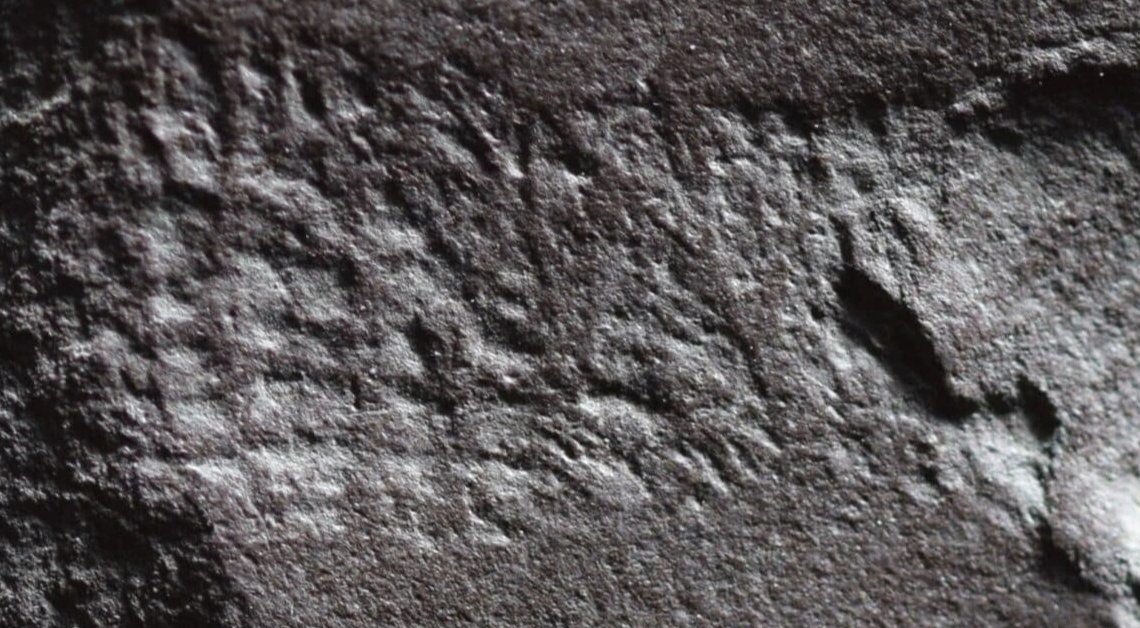
What’s preserved is not a skeleton. It’s a body impression. The team describes detailed skin textures, including rows of epidermal scales across the trunk, limbs, head, and tail. The scale outlines range from diamond-like to hexagonal and pointed forms, similar to patterns seen on modern reptiles. Because these are surface impressions, they capture stuff bones can’t. Skin doesn’t fossilize easily. Soft tissue does even worse.
That’s why the potential cloaca imprint is the star. Near the base of the tail, the fossil shows a narrow slit-like mark surrounded by modified scales. The researchers interpret it as a cloacal opening, and they note that its orientation resembles modern turtles, lizards, and snakes rather than dinosaurs and crocodiles.
Scientists Found the Oldest Known Butthole, and It’s 290 Million Years Old
In a statement shared via the Museum für Naturkunde Berlin, lead researcher Lorenzo Marchetti summed up why this is a big deal for people who spend their lives staring at rocks. “Such soft tissue structures are extremely rare in the fossil record—and the further back we look in Earth’s history, the more exceptional they become,” he said. “The traces from the Thuringian Forest open new perspectives on the early development of reptiles and their skin structures.”
The team named the resting trace Cabarzichnus pulchrus, a newly described trace fossil. Based on the size of the impression and nearby footprints, the animal likely measured about 9 centimeters long and may have been related to bolosaurians, an early branch on the reptile family tree.
This also nukes the previous famous fossil butt record, the 120-million-year-old Psittacosaurus cloaca described a few years ago. That one got all the attention because it was attached to a dinosaur. This one is older, smaller, and somehow funnier. A 300-million-year-old butthole impression has better longevity than most governments.
The post The Oldest Butthole Ever Found Is a 290-Million-Year-Old Fossil appeared first on VICE.