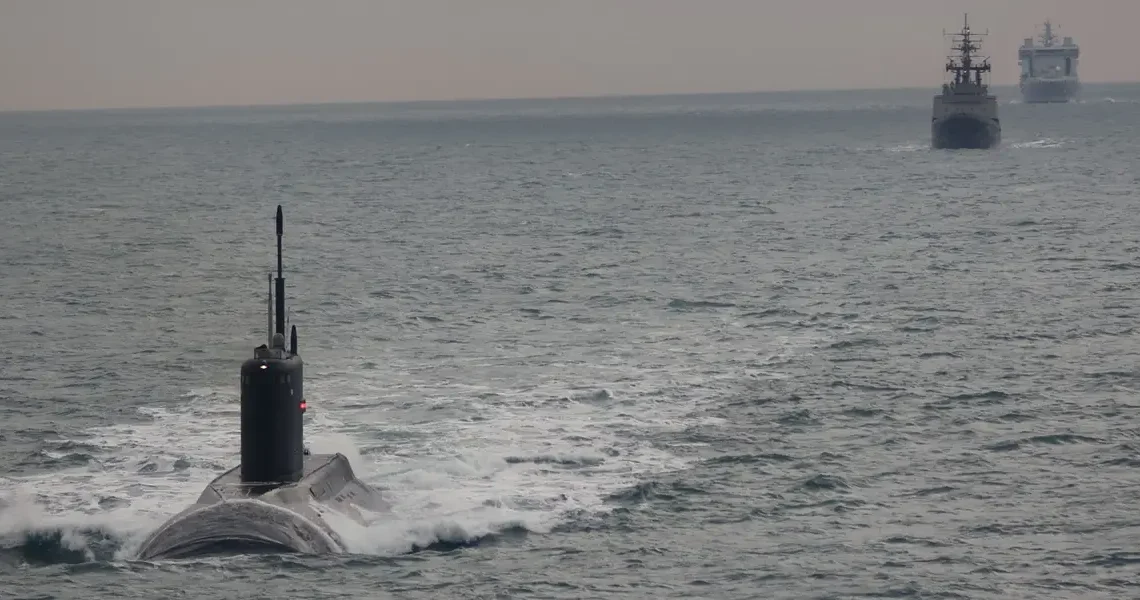
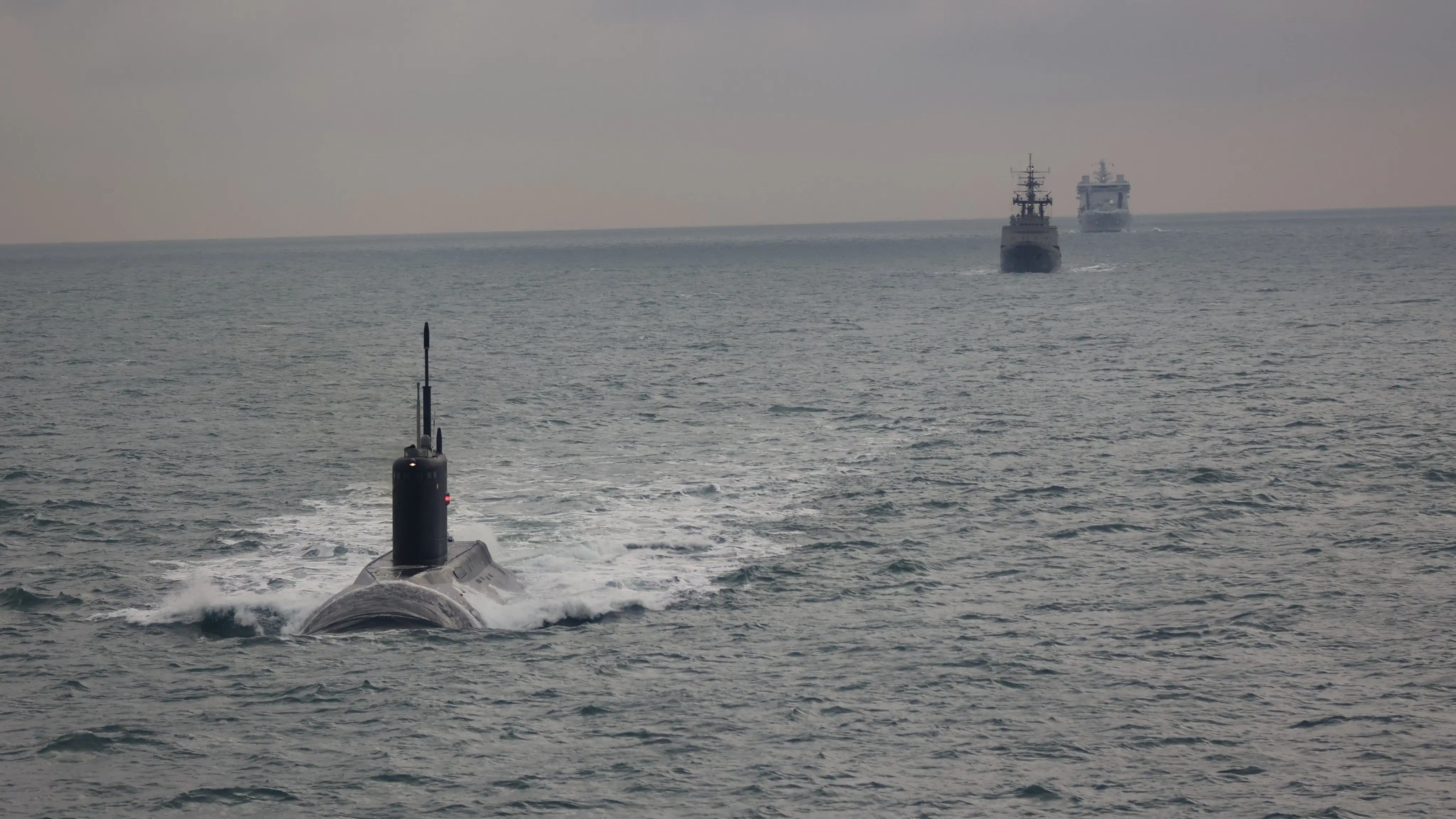
Russia is betting on its submarines and experimental nuclear weapons to make up for the smaller military force that it fields compared to NATO, a top Norwegian military official told Business Insider.
That “inherent asymmetry” between the Russian armed forces and the militaries of the 32-member NATO alliance, which enjoys far greater conventional strength, has pushed Moscow to prioritize more unconventional capabilities, said Vice Adm. Rune Andersen, chief of the Norwegian Joint Headquarters.
“It’s a wide set of challenges that we are up against,” he said in an interview last week.
Russia, estimated to have over 1.1 million active-duty troops, less than the US alone with 1.3 million troops, is suffering heavy losses in Ukraine that can’t easily be replenished. British intelligence said Moscow has suffered 1.2 million casualties in the war. Western estimates say it’s barely breaking even on adding new troops to its ranks.
NATO Secretary General Mark Rutte said 65,000 soldiers were killed across December and January, and US assessments put Moscow’s recruitment numbers at 30,000-40,000 a month. Rutte has said that these losses aren’t sustainable.
Russian equipment losses have been staggering as well. Ukraine has damaged or destroyed dozens of warships, hundreds of aircraft, and thousands of armored vehicles.
While Russia falls short of NATO’s conventional strength, especially considering its ongoing losses in Ukraine, alliance military leaders still view Moscow as a threat, particularly its asymmetric capabilities. One such area is its submarine force, Andersen said.
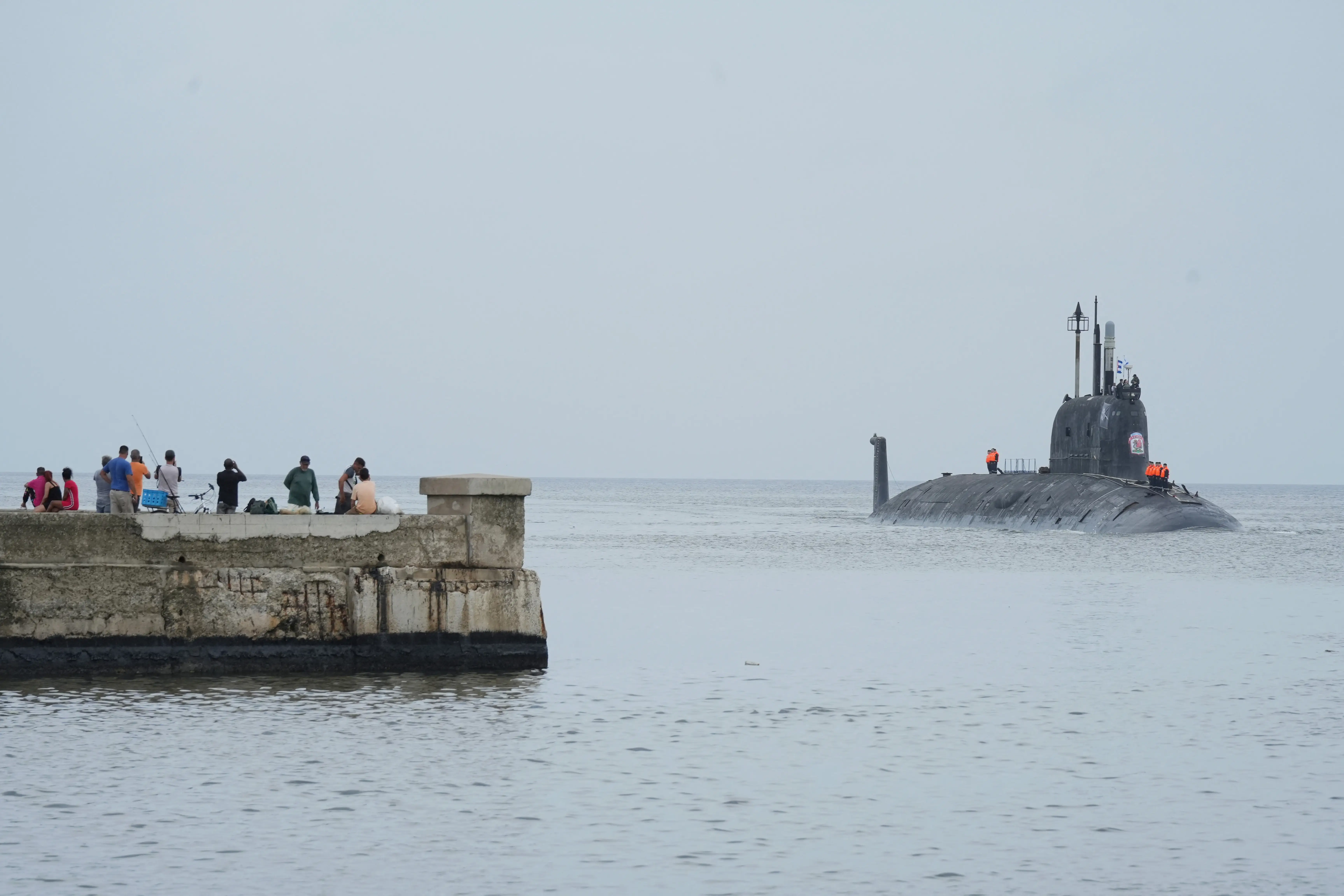
Russia has one of the world’s largest submarine fleets, with over 60 boats, some of which are capable of launching ballistic and nuclear-tipped missiles.
Andersen said that Russia can’t compete with NATO’s integrated surface fleet, equipped with advanced warships and aircraft carriers, so the country is prioritizing underwater capabilities as a way to gain an advantage over the West.
“Submarines are inherently asymmetric. Underwater is the last place on earth where you can hide,” Andersen said, adding that NATO forces are highly focused on ensuring that they can secure control of the sub-surface domain.
Cmdr. Arlo Abrahamson, a spokesperson for NATO’s Allied Maritime Command, told Business Insider that Russia regularly deploys submarines to the Arctic and High North.
He said that NATO closely tracks this activity; 14 member states operate their own submarines, and the alliance is collectively focused on strengthening its anti-submarine capabilities.
However, while NATO “has significant and broad capabilities with submarines,” Abrahamson stressed that “we don’t underestimate the capabilities of our adversaries.”
A focus on nuclear weapons
Russia is also developing weapons systems, some of which are tested in the Arctic, as part of its investments in asymmetric warfare. Two experimental munitions that Andersen identified in the interview are a cruise missile and a nuclear torpedo.
Russian officials disclosed in October that Moscow had tested its nuclear-powered 9M730 Burevestnik cruise missile and autonomous Poseidon torpedo, both of which are intended as second-strike capabilities.
Russia said the Burevestnik, which NATO identifies as the SSC-X-9 Skyfall, flew 8,700 miles and traveled in the air for 15 hours, while the Poseidon launched from a submarine using a boost motor and activated its nuclear power unit to propel it forward.
The weapons are two of six experimental “super weapons” that were unveiled in 2018 by Russian President Vladimir Putin. Moscow has touted the missile and torpedo as being unlimited in range and able to bypass defenses.
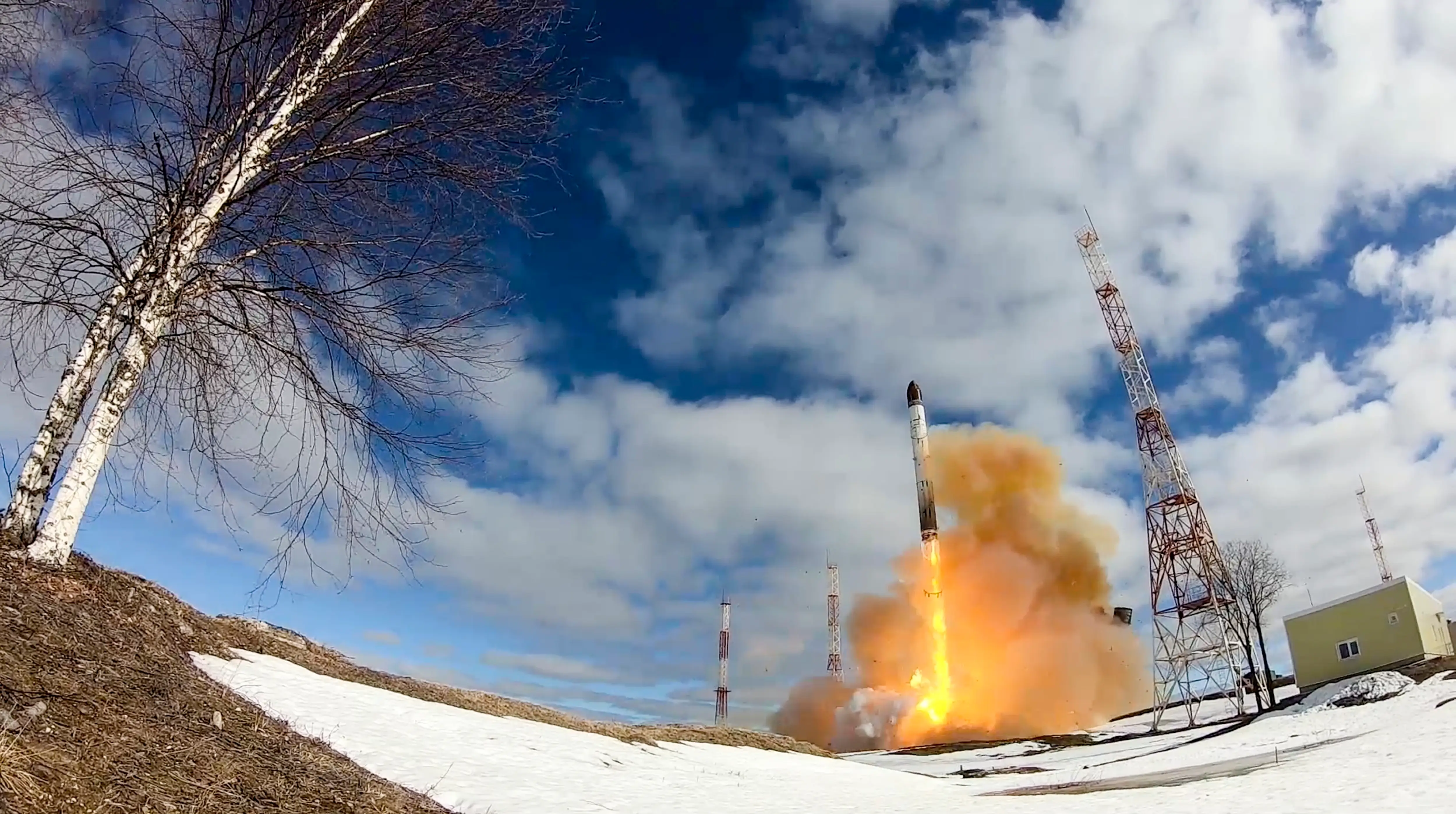
The other weapons in the mix include the Kinzhal air-launched ballistic missile, the Zircon ship-launched hypersonic cruise missile, the Avangard hypersonic glide vehicle, and the Sarmat intercontinental ballistic missile. All are able to carry a nuclear warhead.
Some of these weapons have already been used against Ukraine, frequently not living up to the hype. However, their development represents continued investment in Moscow’s nuclear capabilities.
“You could argue, given that Russia is conventionally bogged down in Ukraine and might come out weakened after the war in Ukraine, that the nuclear weapons are relatively more important to Russia as the core element of any big power ambitions they might have,” Andersen said.
Read the original article on Business Insider
The post Russia can’t match NATO’s conventional strength, so it’s betting on submarines and nuclear asymmetry, commander says appeared first on Business Insider.