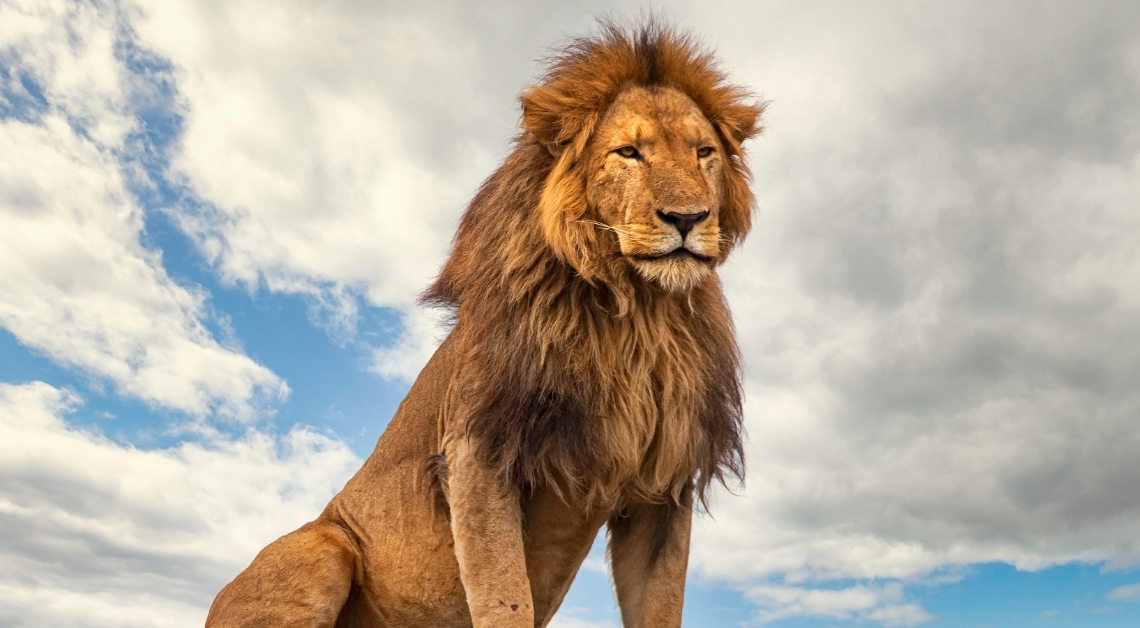
In a legal first that could reshape the fight against wildlife trafficking, a court in Zimbabwe has secured a conviction for lion poaching using DNA evidence from a single animal.
Forensic science has been helping human investigators find perpetrators of recent crimes and crimes dating back decades, maybe even centuries in some cases. Now, it’s helping prosecutors speak for animals that can’t testify in a court of law.
The case centered on a lion that was illegally killed near Victoria Falls. Authorities seized claws and other body parts from suspects, but possession alone isn’t necessarily a crime. To win a conviction, prosecutors had to prove the remains came from a lion that had been unlawfully killed.
DNA Evidence Secures Lion Trafficking Conviction
A team at the Victoria Falls Wildlife Trust laboratory, working with support from TRACE and TRAFFIC, developed a full DNA profile from the seized parts. They matched it to genetic data already collected from the known lion killed near Victoria Falls. That DNA match became the focal point of the prosecution’s case—and it worked. They won.
Those involved in the crime were sentenced to 24 months in prison, making this the world’s first conviction based on forensic evidence tied to a single lion.
African lions are targeted for international trade in their claws, teeth, skins, and other body parts, sold as ornaments or jewelry. As IFLScience points out, a 2026 study found that without meaningful intervention, the growing demand for lion parts could push populations toward collapse and eventual extinction.
Now that conservation groups have forensic tools at their disposal, there could be many more science-based pieces of evidence brought into courtrooms across Africa, and one day the world, that could help bring down poaching numbers and help at-risk species thrive once again.
The post Lion Trafficker Convicted Using DNA Evidence in World First: Everything We Know appeared first on VICE.