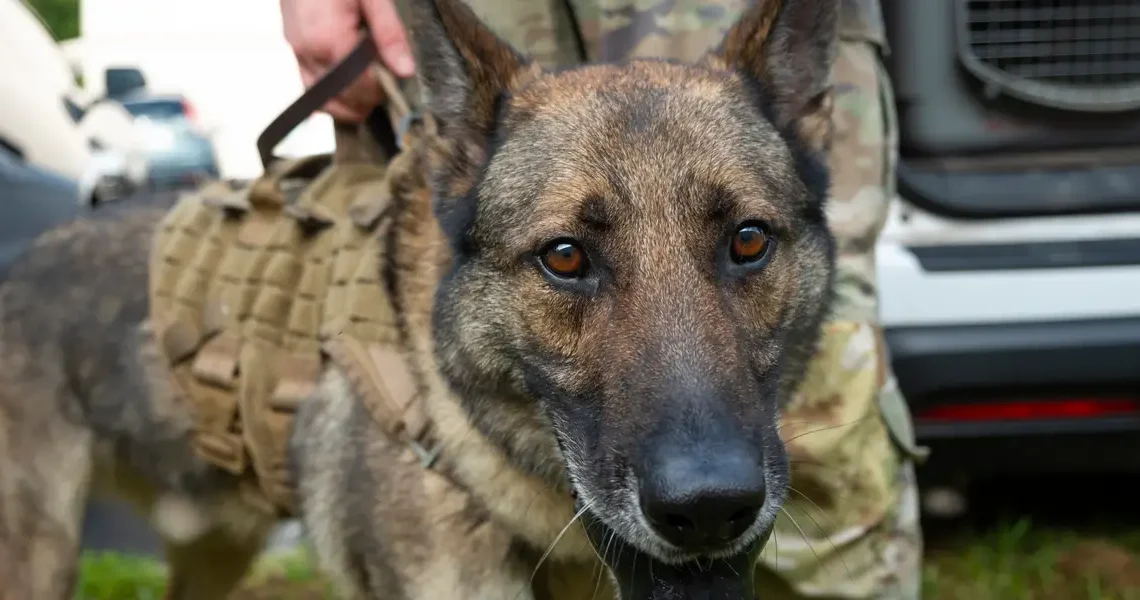
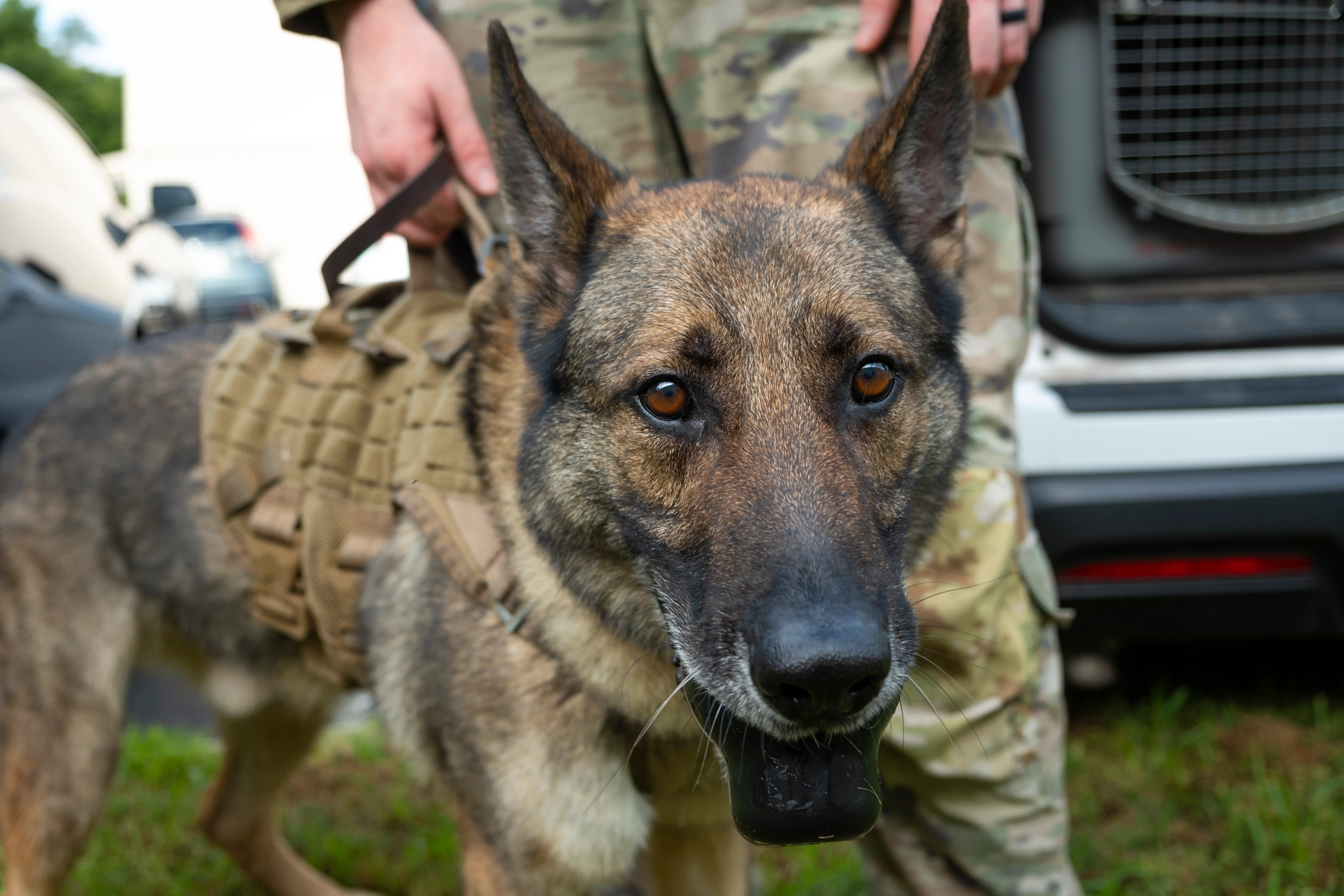
Four military working dogs died between 2021 and 2023 after being housed in deteriorating kennels, according to a new Pentagon watchdog report. Dozens of others suffered injuries or disease or showed signs of severe stress.
The report from the Defense Department’s Inspector General’s office, released Thursday, revealed failures to protect dogs from extreme weather, a lack of canine engagement, staffing shortages, and widespread facility decay across 12 base kennels.
Military working dogs play important roles in explosive detection and security missions, making their health a readiness issue as well as an animal welfare concern.
Investigators reported deficiencies across all bases they assessed, but the most serious lapses in health and welfare were at the Air Force’s 341st Training Squadron at Joint Base San Antonio-Lackland, Texas, the military’s de facto canine program headquarters, which oversees the acquisition and basic training for all military dogs.
None of the 230 dogs at the facility received the five hours of daily play and engagement required by military policy. Instead, they were walked three or four times a week for about 10 minutes, spending most of their time confined to small kennels. Nearly two dozen at the base suffered heat injuries. Investigators observed widespread stress behaviors, including repetitive spinning in tight circles and chewing on metal bowls.
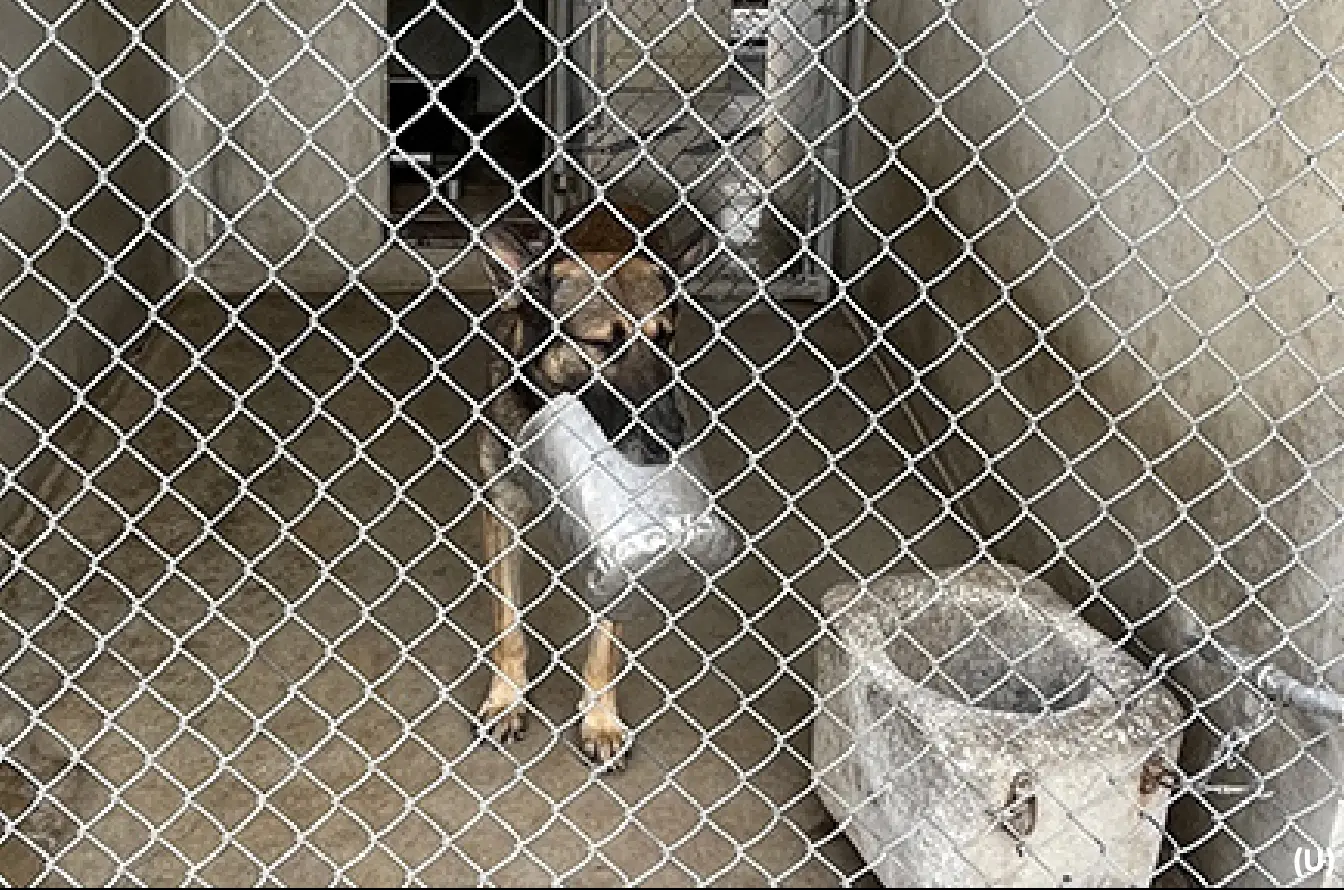
The report attributed problems at San Antonio-Lackland partly to staff shortages and identified higher rates of diseases, injuries, and behavioral problems there than at other military canine facilities.
Other bases reported outbreaks among their own canines after dogs from San Antonio-Lackland transferred to new facilities, arriving with skin disorders, histories of heat injuries, and spreading a gastrointestinal parasite known to thrive in areas not adequately disinfected of feces. Shoddy quarantine procedures and poor sanitation contributed to the spread of illnesses, the report said.
While San Antonio-Lackland facility fared the worst, investigators found serious deficiencies at every base they visited during the inquiry.
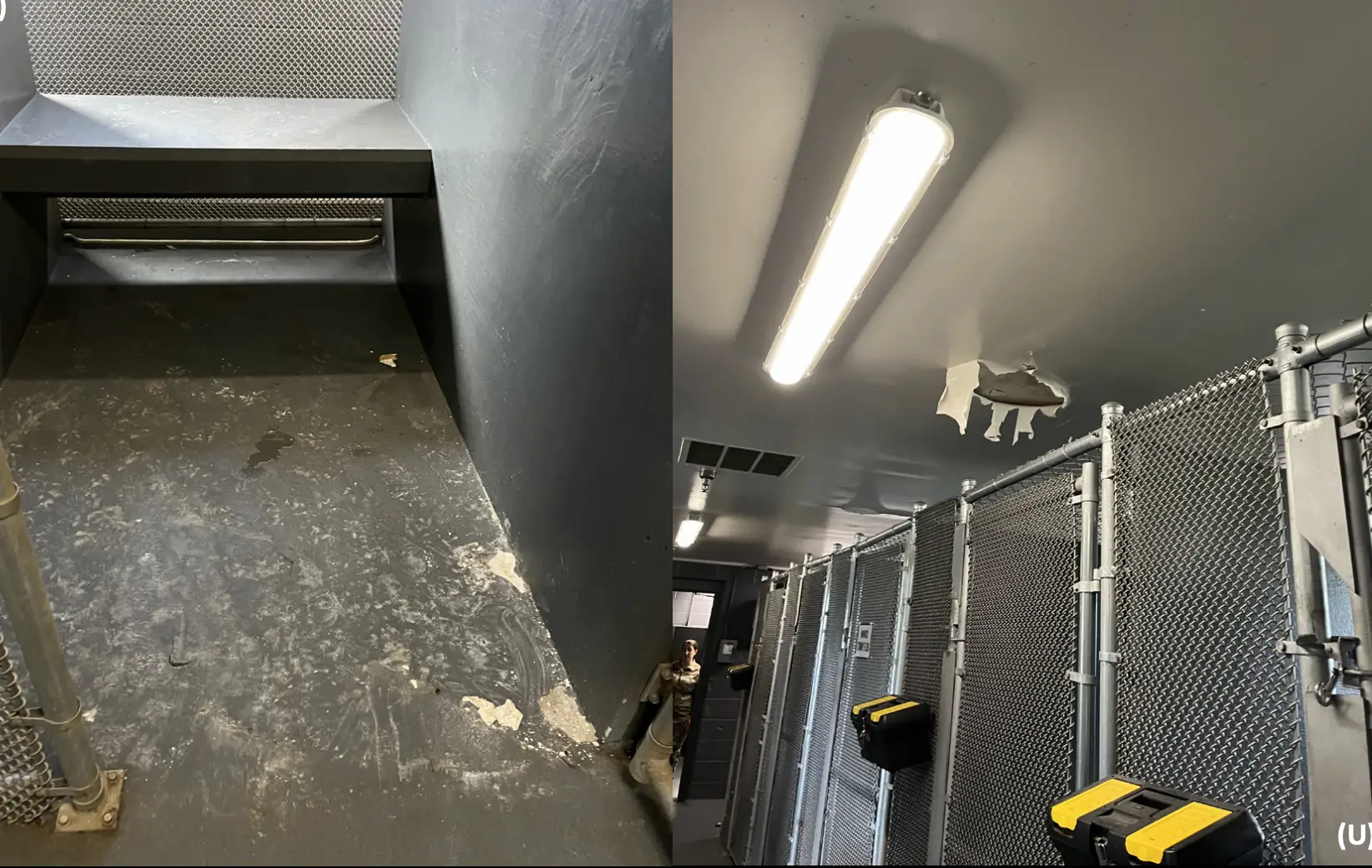
“The DoD MWD Program Manager and Service Components did not consistently protect DoD MWDs from extreme weather conditions and kennel mold issues, or manage quarantine and isolation areas for DoD MWDs,” the report said, using the acronym for military working dogs.
According to the report, chronic underfunding and deferred maintenance exacerbated poor conditions. Many dogs remain housed in “aging and unsatisfactory kennel facilities,” which contributed to the four deaths and ongoing health and behavioral problems.
The Office of the Secretary of Defense referred Business Insider to the Air Force, which did not respond to request for comment prior to publication.
Research shows behavioral issues are common in kennels, said Robert Dougherty, a retired police canine handler who now oversees the University of Pennsylvania’s Working Dog Center as the law enforcement canine program director. However, some facilities are worse than others.
“Depression is a real thing in dogs,” he told Business Insider after reviewing the report. “To sit around in a kennel and do nothing, either physically or mentally, is unacceptable, really.”
Simply increasing activity with longer walks or games of fetch isn’t enough to address stress and behavioral issues in most high-drive working breeds, Dougherty said. These dogs need structured programs that challenge them mentally and physically while also minimizing injury risk. At his center, that means combining games, strength training, and even canine yoga.
Health problems impact how long a dog can serve — a 2025 study by Army veterinarians found that nearly 84% of working dogs discharged between 2019 and 2021 left early due to neuromusculoskeletal disease, heat injuries, or fear and anxiety.
In its response to investigators, the Air Force said it has received nearly $170 million for structural improvements and staffing hires.
Previous watchdog reports have raised similar concerns about military dog welfare. More recently, military equine programs came under heavy scrutiny following a string of neglect-related deaths at Arlington National Cemetery’s ceremonial equine unit. The Army shut that program down for two years while it underwent a significant overhaul and later moved to disband some equine units following a broader review.
Substandard living conditions have also plagued human troops, prompting years of scrutiny over mold, sewage failures, and deteriorating barracks, though the Pentagon has recently launched various initiatives to repair and replace some facilities.
Read the original article on Business Insider
The post US military dogs died in poor kennel conditions as others fell ill, Pentagon watchdog says appeared first on Business Insider.