

Andrew Rosener had already built a successful domain name brokerage when he and his wife found themselves asking a familiar question: Where do we want to live, not just work?
The answer turned out to be Portugal.
The American founder of MediaOptions, a domain broker, says the country checked every box: safe, sunny, affordable, and steeped in a culture that feels both European and Latin American. “There’s no other place like it,” he says. “Portugal created the single greatest immigration culture on Earth,” he says, citing the Golden Visa, the Startup Visa, the Digital Nomad Visa, and the Tech Visa, among other programs offered by the country.
The Rosener family flew over in May 2018. “Ten days later, we bought our dream house,” Rosener says. “Since then, the value’s gone up 250%.”
The entrepreneur was an early adopter. In 2018, only 108,000 extremely wealthy individuals emigrated to a new country. Since then, the global migration of the ultrawealthy has grown dramatically. According to the private wealth research firm Henley & Partners, 134,000 UHNWIs migrated in 2024, a year when more than 70 countries went to the polls and upended civil norms. By the end of 2025, more than 142,000 HNWIs were expected to have relocated.
“We’re seeing a dramatic shift in global wealth flows,” said Jeremy Savory, founder of Millionaire Migrant, a global consulting firm that helps wealthy families find places to relocate. “More people are rethinking traditional wealth hubs like the UK and China, while places like Portugal, the UAE, and Singapore are surging in popularity.”
The reasons behind these relocations are as diverse as the individuals making the move, but a few key factors stand out. Tax efficiency is at the top of the list. Wealthy non-Americans are increasingly seeking countries where they can retain a greater share of their earnings, particularly through capital gains, income, and estate taxes. Countries with lower tax burdens offer a substantial financial advantage, making them highly attractive to the global elite.
Switzerland, for example, has a lump-sum tax scheme that uses a taxpayer’s lifestyle expenses as a surrogate tax base, rather than taxing global income and assets. Panama taxes citizens only on income earned in the country, making it a true tax haven. The UAE doesn’t levy income tax; instead, it relies on a 5% value-added tax. Since US citizens are taxed on worldwide income, they don’t really benefit from alternative tax strategies — unless, perhaps, they leave a state like California or New York, with their high state and city taxes. However, says Basil Mohr Elzeki, Managing Partner at Henley & Partners, “Obtaining additional residencies and citizenships still remains a hedge for future potential tax reforms in the United States.”
Geopolitical safety is another driver. With political instability, civil unrest, and even the threat of war growing at an alarming rate in many parts of the world — think Venezuela, the Democratic Republic of Congo, Sudan — wealthy individuals are opting to leave regions where they feel vulnerable in favor of more stable and secure environments. Quality of life is also a significant consideration. The Roseners are having a blast in Portugal, where they have access to decent healthcare, world-class education, clean and well-maintained public spaces, and a low crime rate. And while the country provides almost no social benefits and has some of the lowest wages in all of Europe, it deters migrants with less wealth seeking employment. “So if you’re looking for work, there is no reason to come here,” Rosener says.
Nevertheless, business opportunities play a crucial role in deciding where to plant a flag. Many of the global wealthy are relocating to cities that offer entrepreneurial freedom, often lacking in more bureaucratic regions. The ability to set up and run businesses with fewer regulatory hurdles is a compelling draw for people looking to capitalize on global opportunities or launch a startup.
And let’s not understate the benefits of having a “good” passport. With growing restrictions on travel to many countries, wealthy individuals are applying for second residencies or even multiple citizenships as a safeguard. This “Plan B” provides them not only with a strategic escape route in the face of unforeseen political or social upheaval but also with a sense of greater freedom and flexibility in their personal and professional lives. Also, with these passports, fewer visas are required.
Here are five (OK, really six) of the top destinations winning this geopolitical arms race to lure the world’s wealthiest people.
Dubai
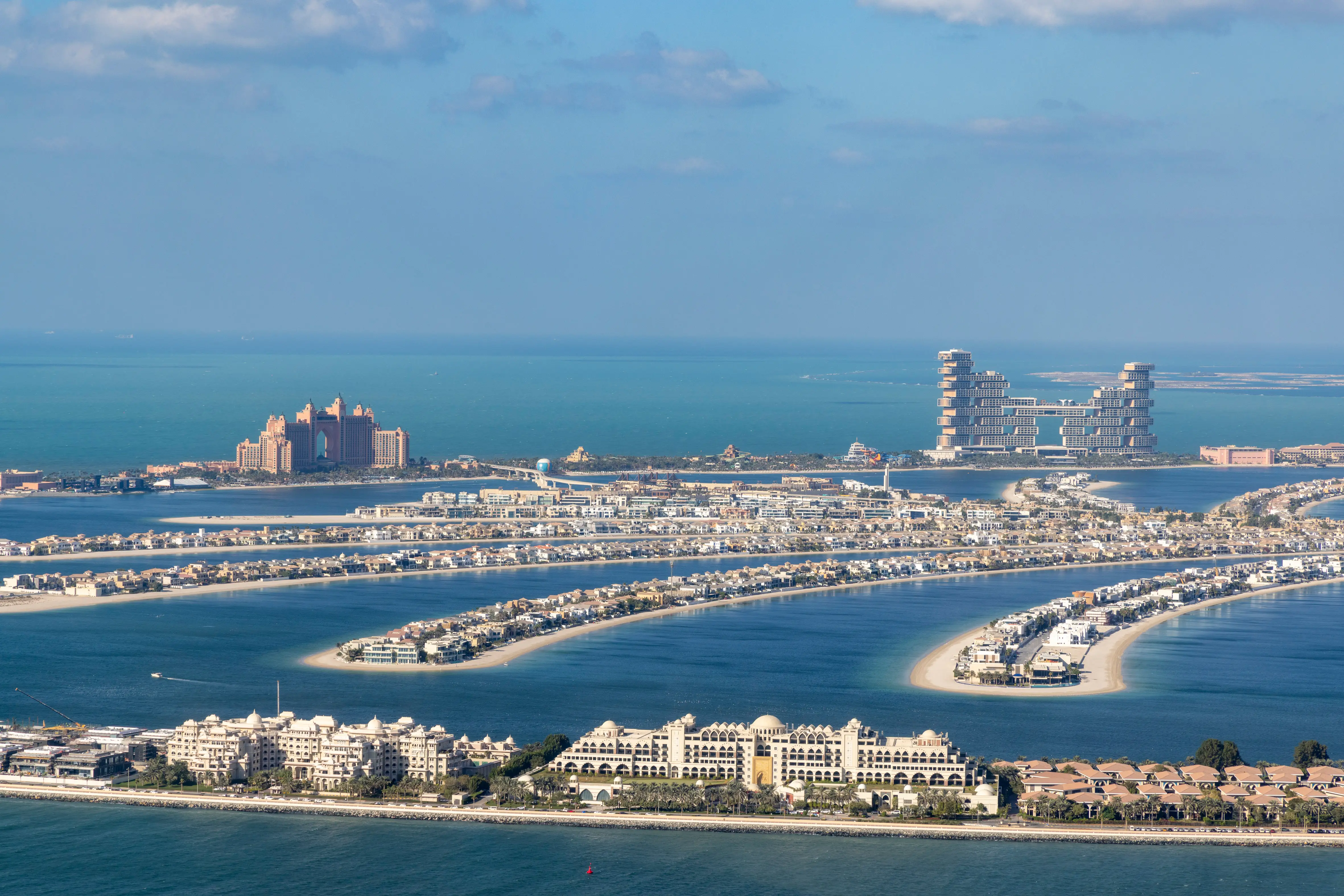
It is no surprise that Dubai has cemented itself as the premier destination for the global elite in recent years, attracting wealthy individuals from across Europe, Russia, and beyond. Known for its lump-sum tax policy and luxury lifestyle, Dubai offers an attractive package for the ultrawealthy. According to Elzeki, the UAE continues to see significant immigration inflows, particularly after recent tax reforms. This year, nearly 10,000 wealthy foreigners are expected to relocate to the UAE, making it the top destination for ultrawealthy migrants.
Savory believes that technology is the biggest reason the global rich can migrate. “Technology is enabling us to live anywhere,” says the Brit who lives in Dubai. “Just like with business, the world is an open playing field. Governments have to compete with one another to win investments and wealthy immigrants.”
“Dubai’s appeal is its pro-business environment, minimal red tape, and tax-free status,” Elzeki says. “It’s the ultimate destination for people looking to invest and live in a luxurious environment with limited government interference.”
The city’s appeal isn’t just for business moguls. Many entertainers, athletes, and tech entrepreneurs are calling Dubai home, though not so many from the United States. With a steady flow of talent and investment, particularly in real estate, Dubai is rapidly emerging as a global powerhouse. Monaco, watch out.
Portugal
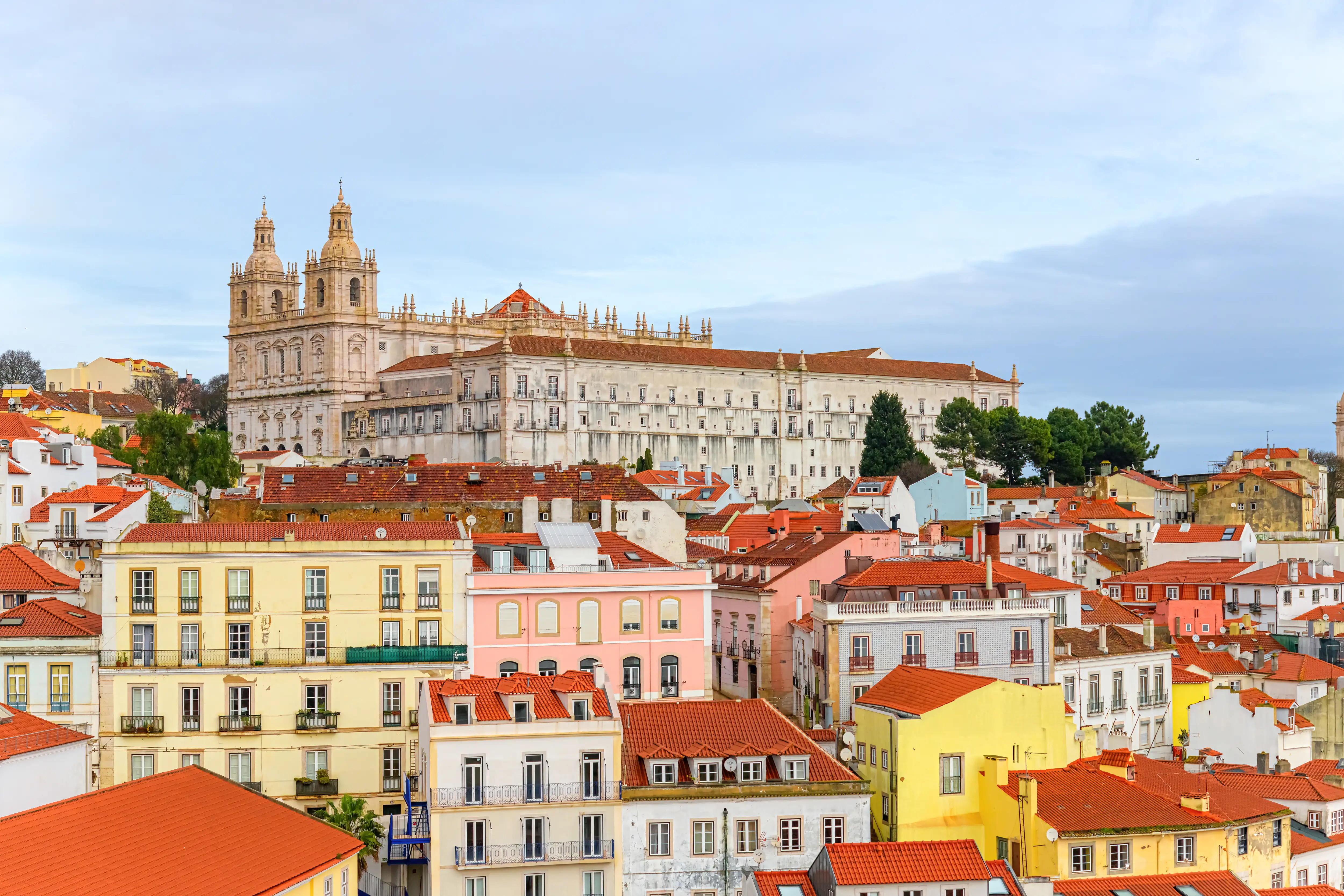
Portugal remains one of the most popular destinations, particularly for American centimillionaires seeking a European foothold/hedge. The so-called Golden Visa Program for “non-habitual residents” has been a major factor, though it expired in March 2025. No longer do new emigrées get a 10-year tax break for 10 years; now they’re taxed at 20% on most Portugal-derived income and none on foreign income.
However, Portugal’s relatively low taxes, warm climate, and laid-back lifestyle continue to attract people from all over the world, particularly from the US and Brazil. “Portugal’s tax incentives, like the scientific research and innovation tax incentives, are incredibly attractive,” says Elzeki. “With a fast-track route to citizenship, many are opting to apply for residency as a hedge” against whatever chaos is happening in their country of origin.
Another reason to like the idea of living in Portugal: The country responds to its citizens’ demands. With the massive influx of migrants since the COVID-19 pandemic, real estate prices have soared, says Andrew Amoils, head of research for New World Wealth, a wealth intelligence company based in South Africa. As a result, the country changed the Golden Visa rules. “There was a backlash from locals who felt they were being priced out,” he says. One solution: Make wealthy migrants contribute to social funds rather than build fancy mansions.
Singapore
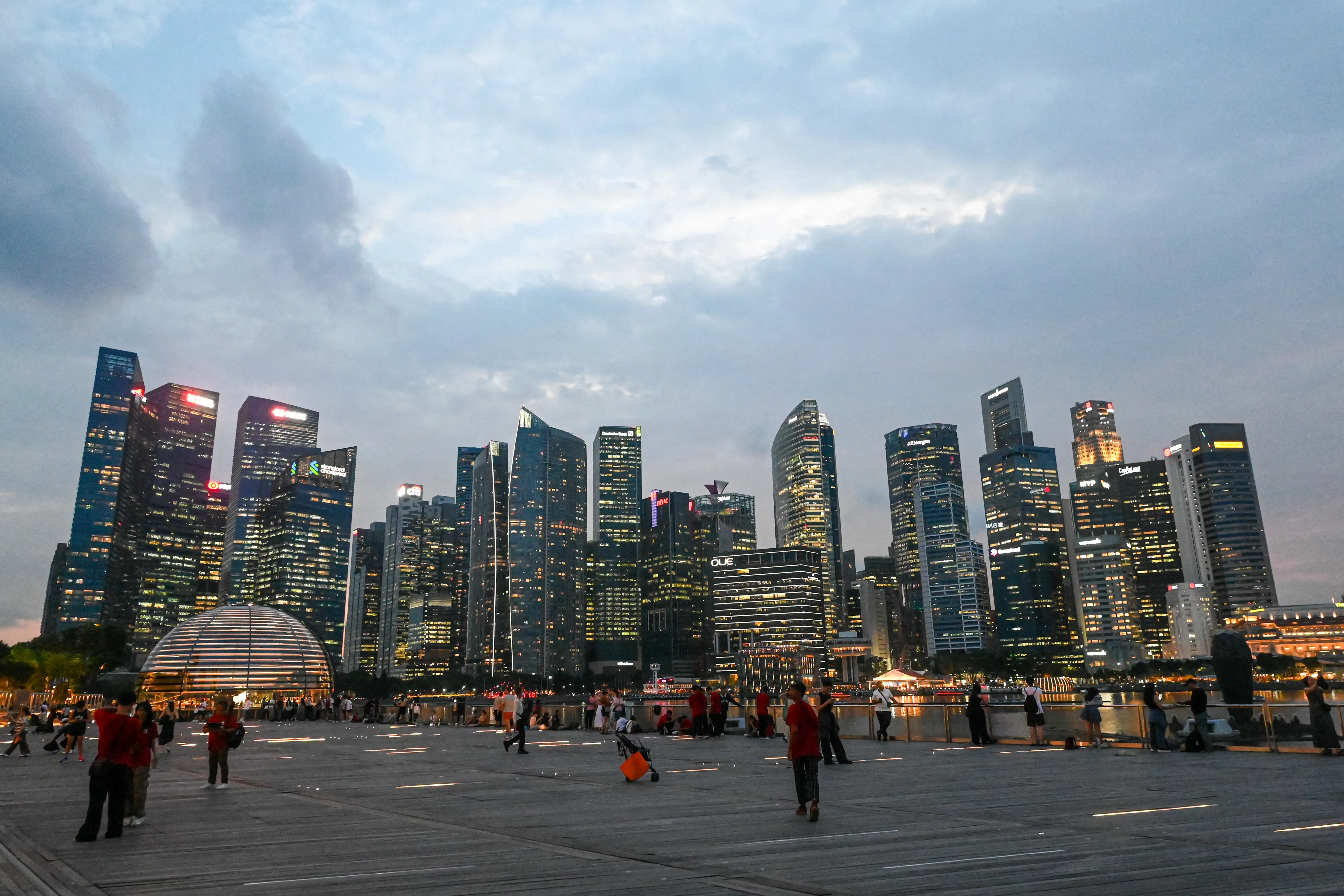
Singapore stands out as Asia’s business hub, with its strategic location and tax advantages attracting a mix of wealthy entrepreneurs, investors, and professionals. It has no capital gains tax and a very pro-business environment, which makes it a top choice for global billionaires, particularly those from China and India. It’s also clean, safe, and close enough for weekend trips to Bali or Phuket.
“Singapore is a magnet for Southeast Asians and increasingly for Western entrepreneurs as well,” says Amoils. “It’s a place that offers both lifestyle and business opportunities without the tax burden found in other global cities.”
Italy
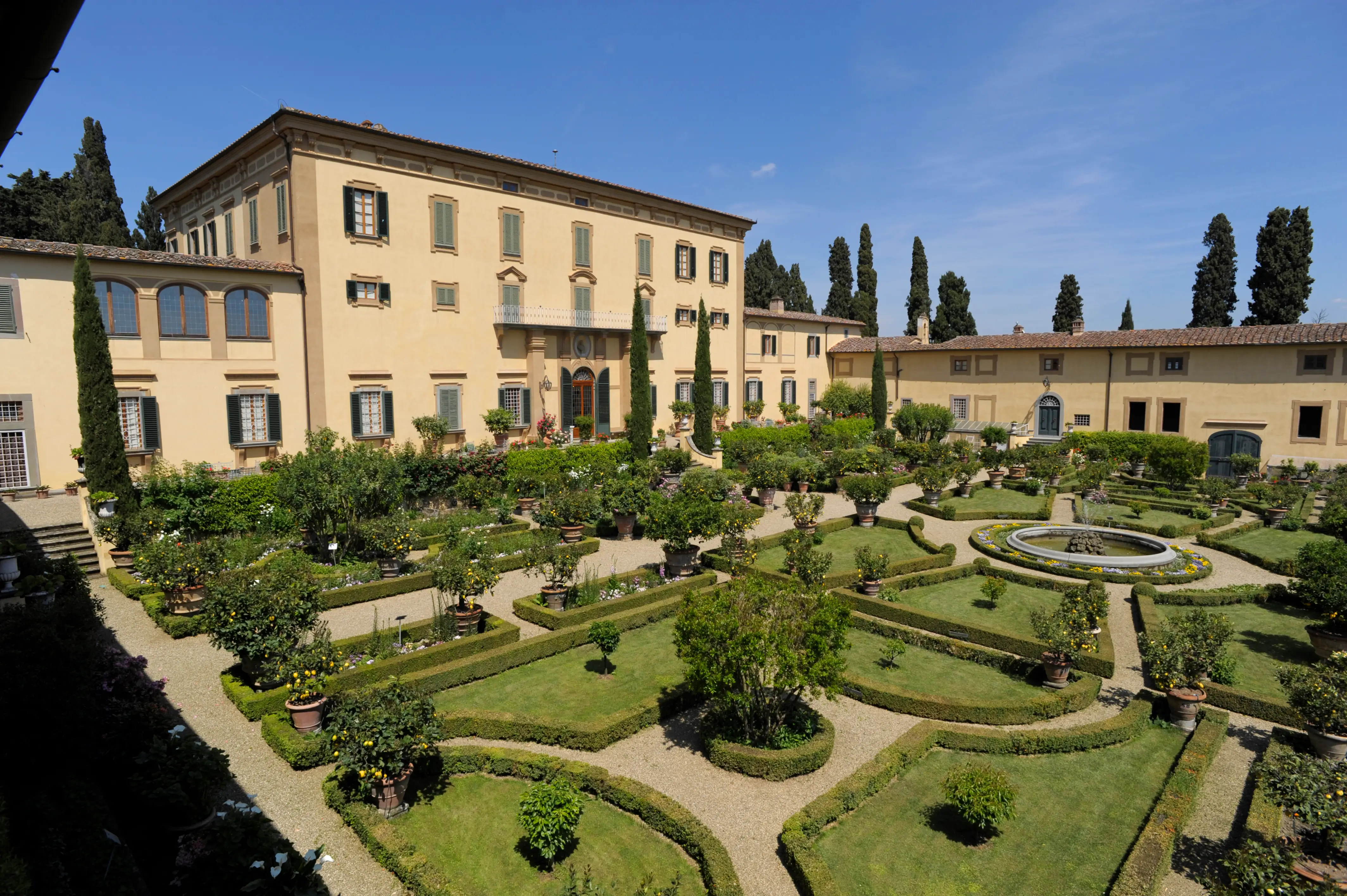
Italy has become an unexpected favorite among many of the world’s wealthiest individuals, particularly Americans seeking a lifestyle change and favorable tax treatments. Italy’s flat tax, capped at €200,000 annually (double last year’s level), applies regardless of income, making it particularly enticing for the ultrawealthy. Combined with the country’s rich cultural history, stunning landscapes, welcoming climate, and a decent number of international flights, Italy is now home to a growing number of billionaires.
“A lot of wealthy Americans have found that Italy offers a unique combination of luxury living and tax incentives,” says Elzeki. “It’s more affordable than places like Monaco or London, yet it offers that European charm with significant tax benefits.”
Australia and New Zealand

Australia and New Zealand continue to attract high-net-worth individuals, though the distance may be a limiting factor for many. Despite this, both countries are known for their stable economies, excellent healthcare systems, and high quality of life. (And to Americans, strict gun laws.)
“Australia is still a top choice for South Africans and Brits, especially retirees,” says Amoils. “But the rules have changed over the last decade, and they now prefer younger applicants with specific skills, like plumbers and teachers.”
New Zealand, on the other hand, offers a more straightforward pathway to residency through an investment-based program. For those looking for a retreat from geopolitical risks and a peaceful lifestyle, New Zealand, with its relatively low cost of living and unspoiled scenery, remains a strong contender.
Read the original article on Business Insider
The post The mega-rich are moving. Here’s where they’re going. appeared first on Business Insider.