As much as we’d like to have faith in what happens after we die, nobody really knows. Consciousness is a slippery, high-maintenance concept, and near-death experiences are about as close as humans get to peeking behind the curtain without fully stepping through it. The strange part is that the curtain might not drop all at once.
Researchers studying cardiac arrest survivors keep circling the same idea. A person can lose a heartbeat, get CPR, and still register pieces of the room in ways they later describe with unnerving accuracy. That includes the moment resuscitation stops, and someone says the words that change everything, “time of death.”
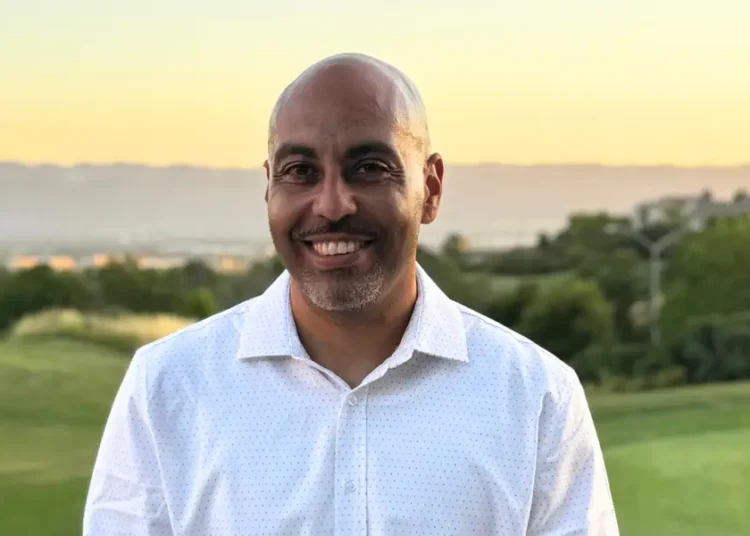
Dr. Sam Parnia, an intensive care physician and the director of critical care and resuscitation research at NYU Langone, has spent years collecting accounts from people revived after cardiac arrest. In NYU Langone’s reporting on this work, survivors described “a perception of separation from the body,” and “a meaningful evaluation of life,” along with an ability to observe what was happening around them while they were presumed unconscious.
The researchers stressed that these experiences were not the usual catch-all categories people reach for. “The researchers found these experiences of death to be different from hallucinations, delusions, illusions, dreams, or CPR-induced consciousness,” NYU Langone wrote.
The science piece is where it gets stranger. In the same report, NYU Langone describes spikes of brain activity during CPR, including gamma, delta, theta, alpha, and beta waves, appearing as long as an hour into resuscitation. Some of those patterns can overlap with processes tied to awareness and memory, which helps explain why certain patients can later recall speech, movements, and details from the room.
Parnia has described these findings as early signals of what people call near-death experiences. “These recalled experiences and brain wave changes may be the first signs of the so-called near-death experience,” he said in NYU Langone’s report.
It’s tempting to use this as a spooky story because we gravitate towards tales of the afterlife. The real point is more human and more complicated. Cardiac arrest throws the body into crisis, oxygen levels fall, meds and interventions flood the system, and memory can get weird under pressure. Even so, some survivors describe an awareness that lingers beyond the moment everyone in the room assumes it’s over.
Which brings you back to that phrase. “Time of death” lands as a final stamp for everyone in the room. Research like this raises the possibility that, for some people, those words arrive while something in the brain is still very much alive.
The post The Eerie Words People Hear After Death, According to an ICU Doctor appeared first on VICE.