Lost Science is an ongoing series of accounts from scientists who have lost their jobs or funding after cuts by the Trump administration. The conversations have been edited for clarity and length. Here’s why we’re doing this.
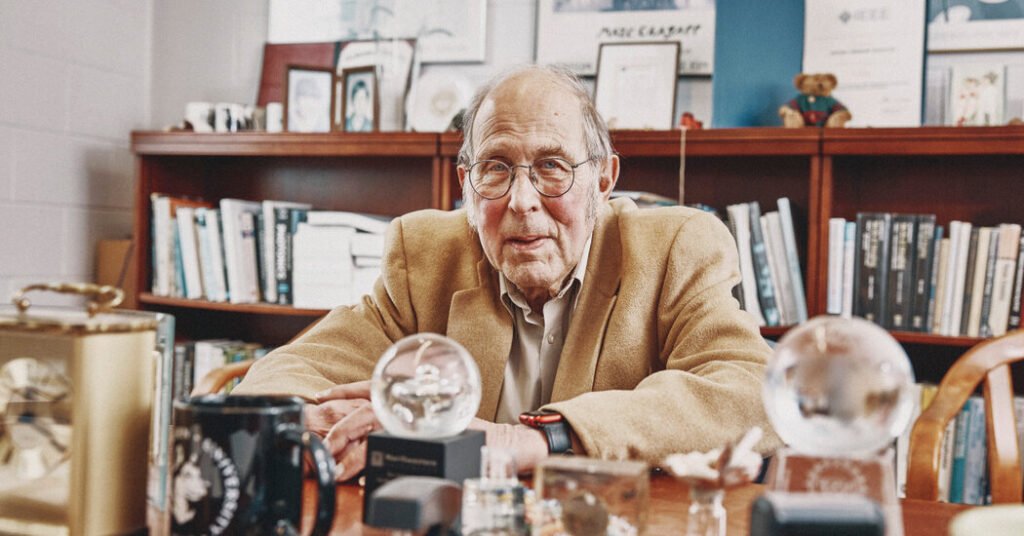
Michael Silevitch: SENTRY is a center funded by the Department of Homeland Security to protect soft targets across the country, like mom-and-pop grocery stores, sports arenas, schools and places of worship. There are two major events this summer that we were actively working on: the 2026 World Cup final in New Jersey and America 250, the nation’s 250th birthday celebration.
We were working with NJ Transit to control crowds arriving at its stations during the World Cup. And America 250 celebrations will be in every state; they’re ripe venues for drone attacks.
We’ve been researching how to best deploy resources for crowd flow in case of an emergency evacuation. Think about a stampede or an active shooter: What we’re trying to do is figure out how to calm a panicked crowd, to guide them and minimize harm they might cause while evacuating. We have the ability to create a digital twin of a venue and ask these questions in a simulation.
Other work by our center included the development of a sensor that detects chemical and biological threats, such as anthrax. The sensor is portable, lightweight and more sensitive than a dog’s nose, and was ready to be tested.
We were also developing real-time command centers for soft targets with video, radar and other inputs that could provide decision makers with enough information to thwart an attack. Our research explored what kind of sensors and protocols were needed, and even how architectural design could protect against threats. How could you change the exits or stairways to maximize the ability of a crowd to get out in case of disaster?
Our funding termination occurred last April. I was devastated. A number of tools that were ready to go were just nipped in the bud. As soon as we got the termination, we had to stop work. Students were let go. Faculty had to find other sources of support. Staff was reduced significantly.
It’s almost too late to prepare for the World Cup and America 250. It’s frustrating because we know we can help, but it’s not possible without funding.
We’ve looked to industry to provide us with some support, and I provided discretionary funds to see our students through the end of June last year. We’ve pivoted our research focus in an effort to secure funding, but our hope is still that we will be reinstated.
We’ve lost not just the science but also the confidence that the government appreciates what we’re doing. These cuts were made with a sledgehammer, not a scalpel. The rationale for our termination was that we were not relevant anymore to the mission of Homeland Security. Clearly, that was wrong. Homeland Security protects the homeland, and we were protecting all the soft targets in the homeland.
Michael Silevitch is the director of SENTRY, which stands for Soft Target Engineering to Neutralize the Threat Reality, at Northeastern University in Boston.
Katrina Miller is a science reporter for The Times based in Chicago. She earned a Ph.D. in physics from the University of Chicago.
The post World Cup Crowds Could Be Targeted. This Team Worked to Keep Them Safe. appeared first on New York Times.