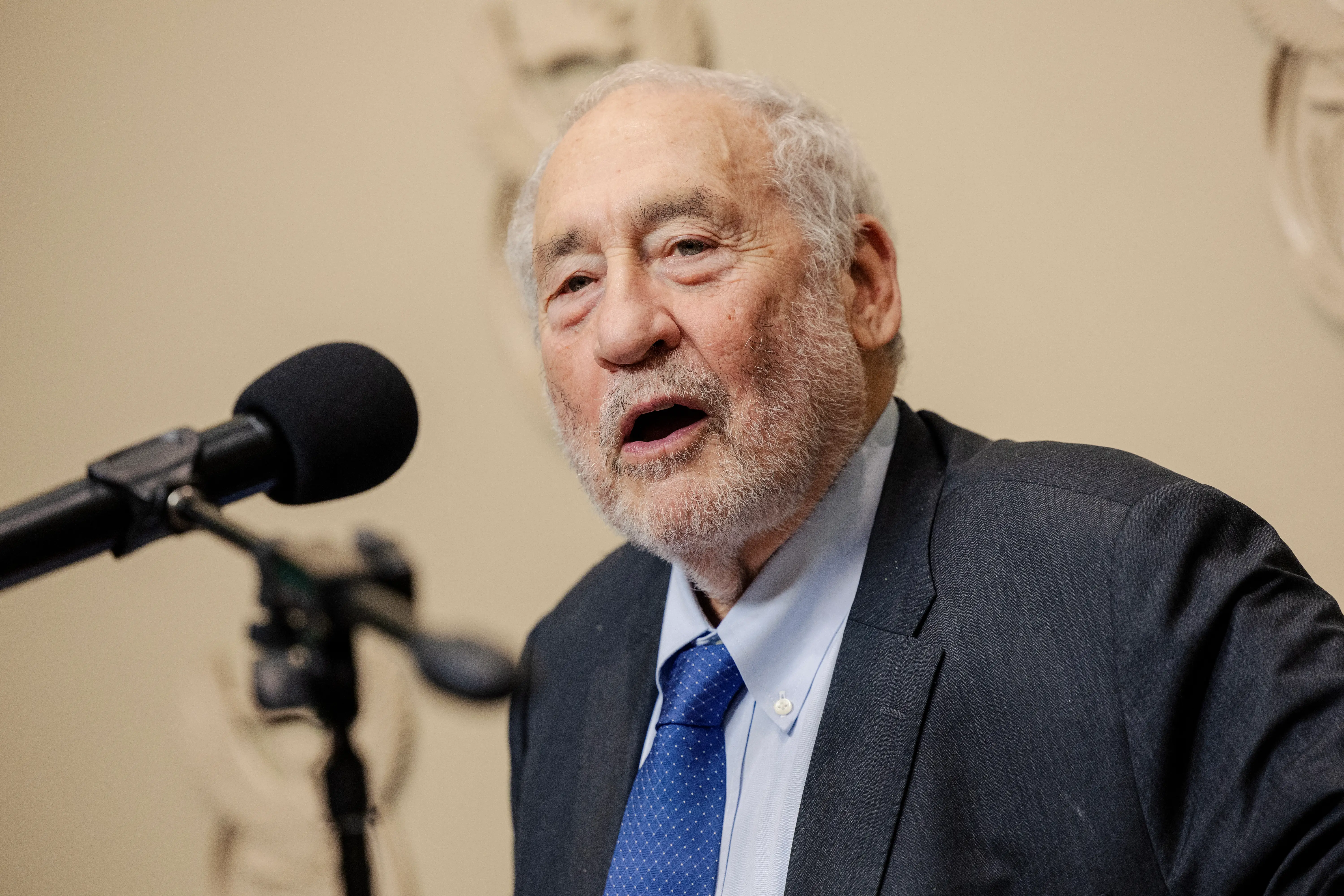
An esteemed American economist isn’t feeling good about where things are headed.
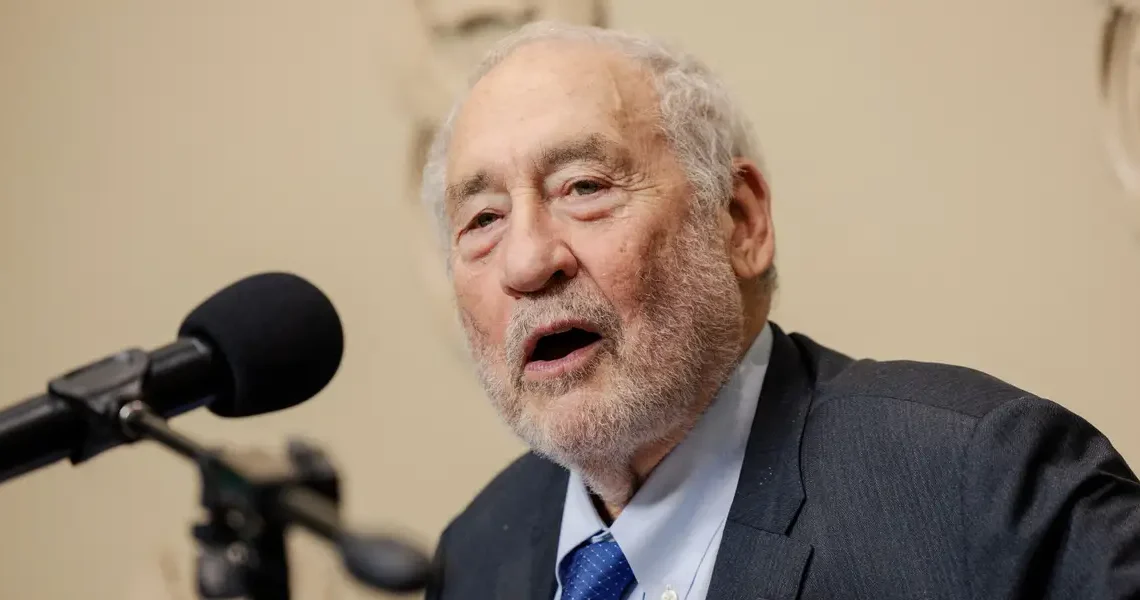
Joseph Stiglitz, a Nobel laureate and Columbia economist, said he believes the US economy would continue to weaken when speaking to CNBC about his macro outlook on Thursday. That’s largely due to a handful of issues he sees hanging over the US, he said, pointing to tariffs, a decline in jobs, and interest rates in particular.
“Not great right now, and the prospects are that we’re just going to get worse,” Stiglitz said of his economic outlook.
His downbeat sentiment regardi g the US economy doesn’t square with recent growth figures. GDP grew at a robust 4.4% in the third quarter, and is expected to have expanded by 3% year-over-year in the fourth quarter, according to the latest estimates from the Atlanta Fed.
But there are a few under-the-surface details that suggest the economy isn’t on a good path, Stiglitz suggested. Here’s what explains his pessimistic view about where the US is headed:
1. Tariff-fueled inflation is set to hit lower-income consumers the hardest
President Donald Trump’s tariffs are hanging in the balance at the Supreme Court, but should they stick around, the import taxes are expected by many economists to raise prices for consumers.
Moreover, the inflationary impact of tariffs is regressive, meaning they’re expected to impact lower-income consumers the most, Stiglitz said.
An analysis from The Budget Lab at Yale University found that, over the short run, tariffs are expected to hit the bottom 10% of US households the hardest, reducing disposable income by an estimated 3.5 percentage points.
window.addEventListener(“message”,function(a){if(void 0!==a.data[“datawrapper-height”]){var e=document.querySelectorAll(“iframe”);for(var t in a.data[“datawrapper-height”])for(var r,i=0;r=e[i];i++)if(r.contentWindow===a.source){var d=a.data[“datawrapper-height”][t]+”px”;r.style.height=d}}});
“If you look at who is paying these tariffs, it is the lower-end people in terms of percentage of their incomes,” Stiglitz said. “It’s regressive and it’s distortive.”
2. Manufacturing and blue-collar jobs are down
President Trump has said that tariffs would help jump-start a revival in America’s manufacturing sector, but a recovery isn’t yet visible in broad-strokes employment data, Stiglitz said.
Manufacturing, one of the US’s largest industries, is estimated to make up around 10% of GDP.
Employment in the manufacturing sector has declined for more than two years straight, according to data from the Labor Department.
window.addEventListener(“message”,function(a){if(void 0!==a.data[“datawrapper-height”]){var e=document.querySelectorAll(“iframe”);for(var t in a.data[“datawrapper-height”])for(var r,i=0;r=e[i];i++)if(r.contentWindow===a.source){var d=a.data[“datawrapper-height”][t]+”px”;r.style.height=d}}});
“The decline in blue-collar jobs is even larger,” Stiglitz said. “The point is there’s a mismatch between what they say — they’ve done these policies, these are the results.”
3. The interest rate outlook is worrying
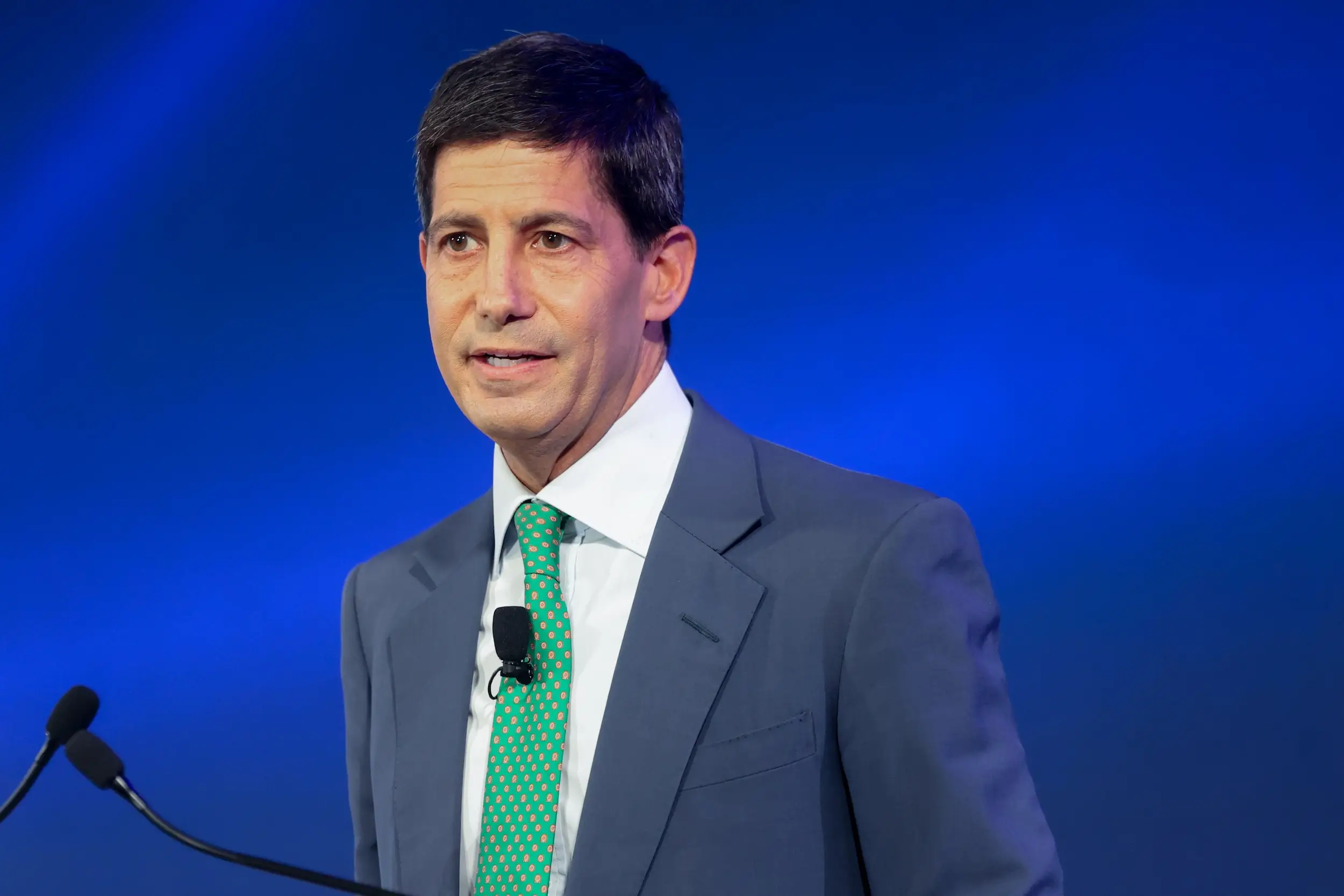
Stiglitz also pointed to the push from the Trump administration to lower interest rates.
In particular, he pointed to recent comments from Kevin Warsh, Trump’s Fed Chair nominee, who said that AI could unlock a productivity boom in the US. In that scenario, the economy could grow without stoking inflation, meaning the US could have room to lower interest rates more than markets expect.
Stiglitz said he was “most disturbed” by Warsh’s comments.
Among investors, the fear is that the central bank could lower rates prematurely, which could lead to hotter inflation down the line.
Additionally, if the Fed were to be seen as caving to political pressure to cut rates, that could undermine the Fed’s credibility, which could also unanchor inflation expectations.
“I don’t think there’s any significant body of thought that thinks that AI productivity increases are going to percolate into the macro economy fast enough to justify any significant or with any impact on rate increases. And the fact that he said that, to me, was very worrisome,” Stiglitz said.
Read the original article on Business Insider
The post ‘We’re just going to get worse’: 3 reasons Nobel economist Joseph Stiglitz thinks the US economy will keep weakening appeared first on Business Insider.