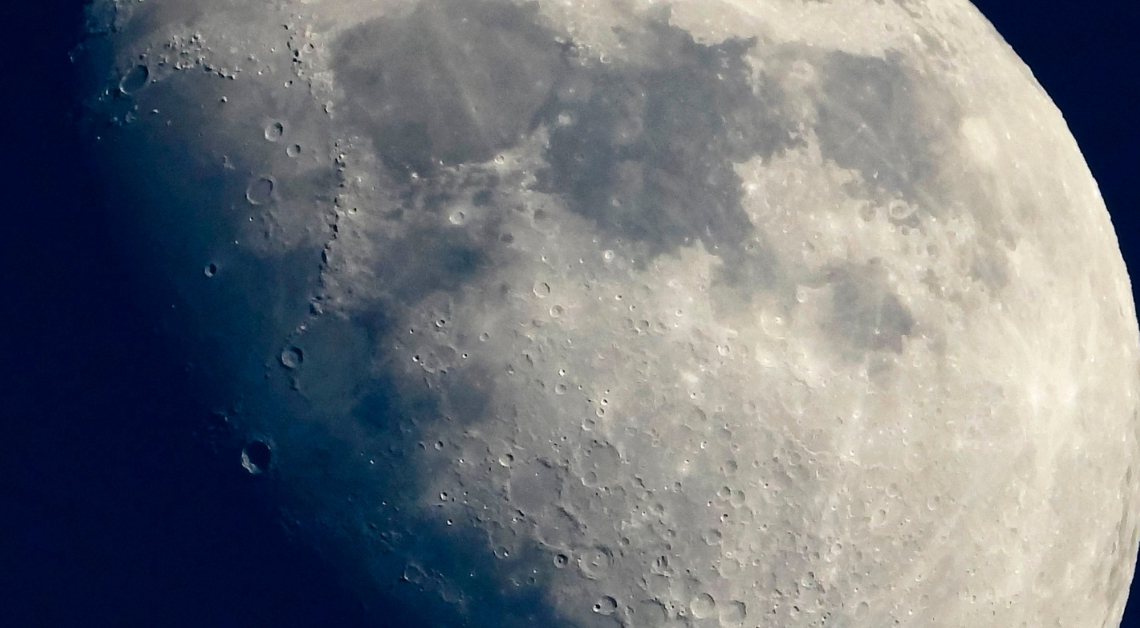
According to new research published in The Planetary Science Journal, the moon we all stare at wistfully at night isn’t as inactive as it seems. Unfortunately, its activity doesn’t mean it’s thriving; it’s actually decaying. The moon, it seems, is most definitely shrinking. And that means it’s going to experience a lot more tectonic activity in its future.
Scientists have known since the Apollo era that moonquakes exist. More recently, researchers confirmed the Moon has lost about 165 feet in radius over the past 200 million years as its interior gradually cools and contracts. When that happens, the crust has nowhere to go. It buckles and fractures, forming cliffs known as lobate scarps.
Researchers have identified a new feature that can be attributed to this widespread contraction: small mare ridges, or SMRs. These are faults that appear in lunar maria, the dark basalt plains often called “seas,” such as the famous Sea of Tranquility, where Apollo 11 landed in 1969.
The Moon Is Shrinking. Here’s What That Means for the Future.
The team cataloged 1,114 newly identified ridges, bringing the total number of known SMRs to 2,634. The average age of the ridges is about 124 million years, which is relatively young. Nearby lobate scarps are about 105 million years old. On a 4.5-billion-year timeline, that’s a baby, practically a zygote.
Researchers also found that the ridges and scarps often physically connect where lunar highlands transition into maria, reinforcing the idea that a single global contraction process is driving both.
All this means that the Moon’s interior is still adjusting as it cools. All this tectonic stress is likely causing moonquakes, which raises a ton of questions about the safety of future lunar surface expeditions.
NASA’s Artemis program aims to return astronauts to the lunar surface later this decade. Understanding where faults are located and how recently they formed could directly affect landing site decisions and long-term infrastructure planning.
The post The Moon Is Shrinking. Here’s What That Means for the Future. appeared first on VICE.