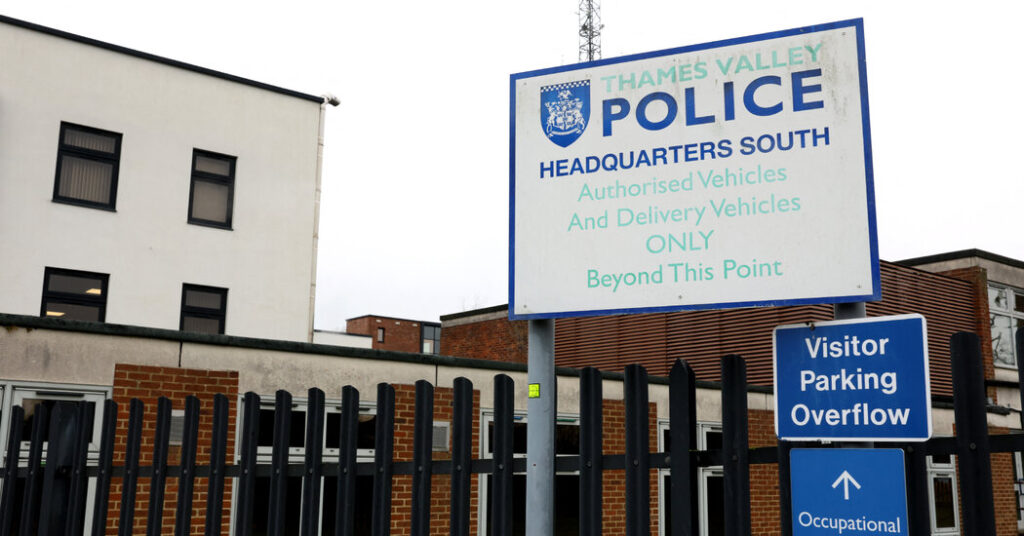
The British police have not confirmed where Andrew Mountbatten-Windsor was being detained after his arrest on Thursday on suspicions of misconduct in public office. But across the country, police custody centers are basic facilities.
They are intended to hold people for short periods — typically less than 24 hours and no more than four days — while they undergo questioning.
They contain one-person cells with simple beds and toilets, as well as suites of interview rooms where suspects can be summoned for rounds of questioning. Shower facilities and contained exercise yards are typically available to detainees.
In 2024, a watchdog’s inspection of the facilities operated by the Thames Valley Police, the force that arrested Mr. Mountbatten-Windsor, found problems with cleanliness in some of the buildings.
The report said that although detainees were offered the chance to shower, “not all showers offer sufficient privacy to maintain detainee dignity due to the height of the doors or their position around a corner.”
Toilet paper was available in the cells, “subject to a risk assessment,” the watchdog said. It found that some of the cell mattresses were thin and worn.
Under police rules, everyone must go through the same process when being admitted to custody. An officer at the station explains the suspects’ rights to legal advice, to a phone call to tell someone where they are and to receive any medical help.
They are then searched and their possessions are taken, and they are informed of their rights to food and the use of facilities.
Police interviews are recorded, and they open with the caution: “You do not have to say anything. But, it may harm your defense if you do not mention when questioned something which you later rely on in court. Anything you do say may be given in evidence.”
The post In U.K. Police Detention Facilities, One-Person Cells and Simple Beds appeared first on New York Times.