Q. I keep seeing TikTok videos that say jerky is a healthy source of protein. Is it something I should be eating?
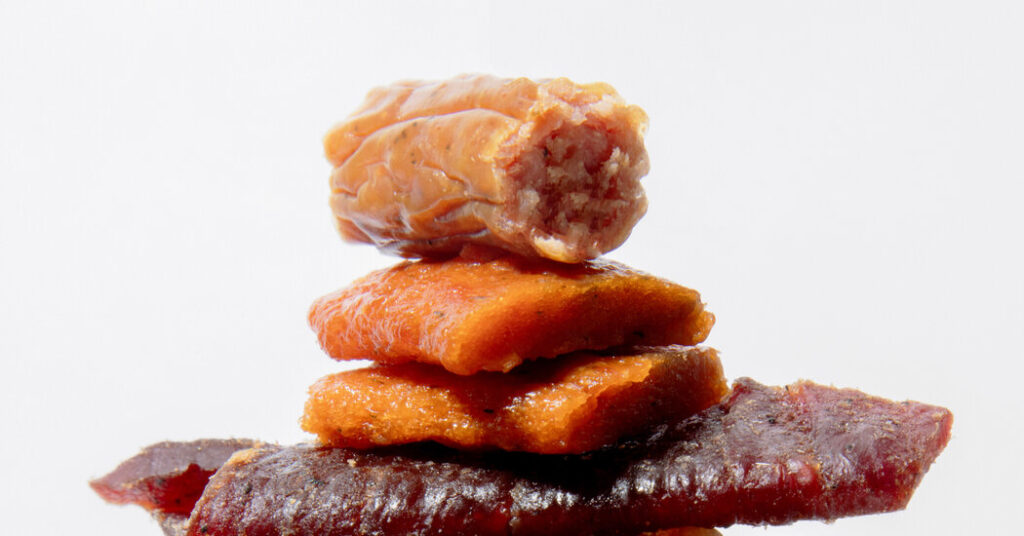
Long gone are the days when the main way to satisfy a jerky craving was to pop into a gas station and snap into a Slim Jim. Now, you can find a variety of enticing options — like peppered elk, maple-glazed salmon and Andouille-style kangaroo — in grocery stores, bodegas and online marketplaces alike.
Wellness influencers have listed meat sticks and jerky among their favorite high-protein snacks. And some jerky products tout short ingredients lists free of unusual chemicals, fillers and additives.
Is jerky actually good for you? We asked experts to help us sort it out.
Not So Cut and Dried
Dr. Frank B. Hu, a professor of nutrition and epidemiology at the Harvard T.H. Chan School of Public Health, said he was not aware of any studies that looked into the healthfulness of jerky.
But their nutrition labels offer clues, said Nicole Lund, a dietitian nutritionist at NYU Langone Health in New York City.
One health-related selling point of many jerky products is that they offer a decent amount of protein for relatively few calories, Ms. Lund said. The venison sea salt and pepper bar from Epic Provisions, for instance, has 12 grams of protein and 130 calories per serving; the “chicken sliders” version from Carnivore Snax offers nearly twice as much protein for the same amount of calories.
This can be helpful for people who struggle to get enough protein, like older adults, or those trying to build or maintain muscle, Ms. Lund said.
Meat-based jerkies usually provide some iron, Ms. Lund added — a nutrient that many women under 50 and older adults could use more of.
And compared with other packaged foods, many have relatively short ingredients lists, which generally include a protein source, salt, sugar and seasonings.
That could be “a nice change” from snacks and shakes made with long lists of stabilizers, texturizing agents and other unrecognizable ingredients, said Ms. Lund. The fewer ingredients in packaged foods, she noted, the better.
Still, even the healthiest-sounding jerky is a processed food, including the fish-based and vegetarian versions. And if it’s made from meat, it’s considered a processed meat, which the World Health Organization has classified as carcinogenic to humans.
Eating just 1.8 ounces of processed meat per day increases the risk of colorectal cancer by 18 percent, according to the W.H.O. (A serving of jerky is typically one ounce.) And eating processed meat may also raise the risk of Type 2 diabetes, cardiovascular disease and dementia.
Because salt is typically used to dry jerky products, they tend to be high in sodium, said Dr. Stephen Devries, an adjunct associate professor of nutrition at the Harvard T.H. Chan School of Public Health. Those on the high end contain around 750 milligrams per serving — a third of the recommended daily maximum. Eating too much salt can cause high blood pressure, raising the risk of a heart attack or stroke.
Also of concern are nitrates and nitrites, Dr. Devries said, which are added to dried meats to prevent bacterial growth and enhance their flavor and color. They can form compounds called nitrosamines in the body, which may increase the risk of cancer. Even products advertised as “natural” or having no added nitrates may contain them — in the form of celery powder or celery extract, which come with the same health risks, Dr. Devries said.
As with all meat products, saturated fats can be problematic; in excess they may raise cholesterol and the risk of cardiovascular disease. One Slim Jim Savage Stick, a larger version of the classic Slim Jim, has 10 grams of saturated fat — half the daily recommended amount. Fish-based options, like those made from salmon or trout, can be lower in saturated fats, Dr. Hu said. Plant-based jerkies are also lower-fat options.
Many jerkies — especially those in sweet, teriyaki and barbecue flavors — contain added sugars, which in excess can contribute to weight gain, Type 2 diabetes and other health issues. The Jack Link’s “sweet and hot” beef jerky, for instance, has eight grams of added sugars per serving — as much as a “fun size” Snickers bar.
A Sometimes Snack
While it’s fine to eat jerky occasionally, Dr. Hu said, it’s “not a good idea” to eat it regularly.
Though Ms. Lund said she could see why jerky may be appealing to those trying to get more protein or build muscle. But she warned that if you’re trying to limit sodium, you should be cautious about eating too much. The same goes for anyone avoiding saturated fats and sugar, she said.
There are many other high-protein foods that don’t come with the same health risks, such as Greek yogurt, Dr. Devries said. Roasted chickpeas, nuts and roasted edamame are also high in protein and portable, other experts said, and they have gut-friendly fiber to boot, which many jerky products lack.
The post Is Jerky Good for You? appeared first on New York Times.