From Washington to Trump, 45 distinguished Americans are immortalized on lists displayed in history classrooms across the United States.
But as US history shows, securing a spot on this coveted list is often a roll of the dice.
Four presidents in American history have been assassinated, while another four have died of natural causes while in office. Richard Nixon’s infamous resignation brings the total to nine commanders in chief who didn’t finish out their terms — a number that, as we’ll see below, could’ve been higher.
There have also been a handful of elections decided by razor-thin margins, meaning the presidency was sometimes decided by a thousand votes or less in certain states.
Between vice presidents who would’ve assumed the presidency from potential assassinations or impeachments and candidates who just barely missed the cut, a host of different faces could’ve been in the Oval Office, leading us to wonder how different US history could have looked.
Here are 10 almost-presidents in the nation’s history.
Lafayette S. Foster
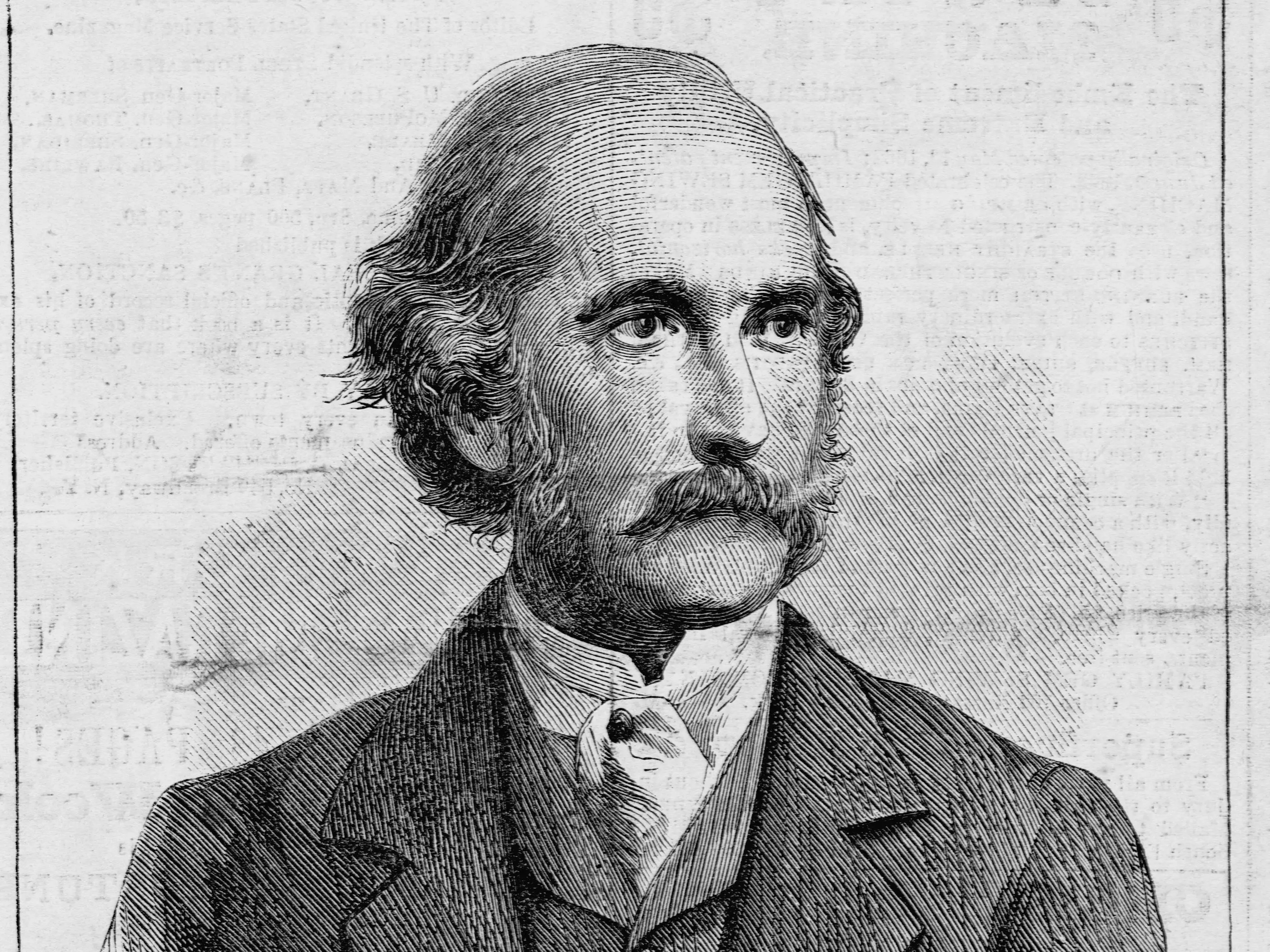
Though a little-known figure by historical standards, Connecticut Senator Lafayette S. Foster was nearly catapulted into the White House on April 14, 1865, the night Abraham Lincoln was assassinated. Foster served as president pro tempore of the United States Senate, a position that was second in the presidential line of succession at the time.
As part of the plot to murder Lincoln, John Wilkes Booth’s conspirator George Atzerodt was set to assassinate Vice President Andrew Johnson, but Atzerodt got cold feet right before the operation, PBS reported. Had he completed his plan, Foster would have become the acting president.
Foster was a lifelong politician who opposed slavery during his Senate tenure. He remained first in the presidential line of succession for two years under Johnson’s term while the vice presidency was vacant, leading some to informally dub him “acting vice president,” according to the US Senate.
Benjamin Wade
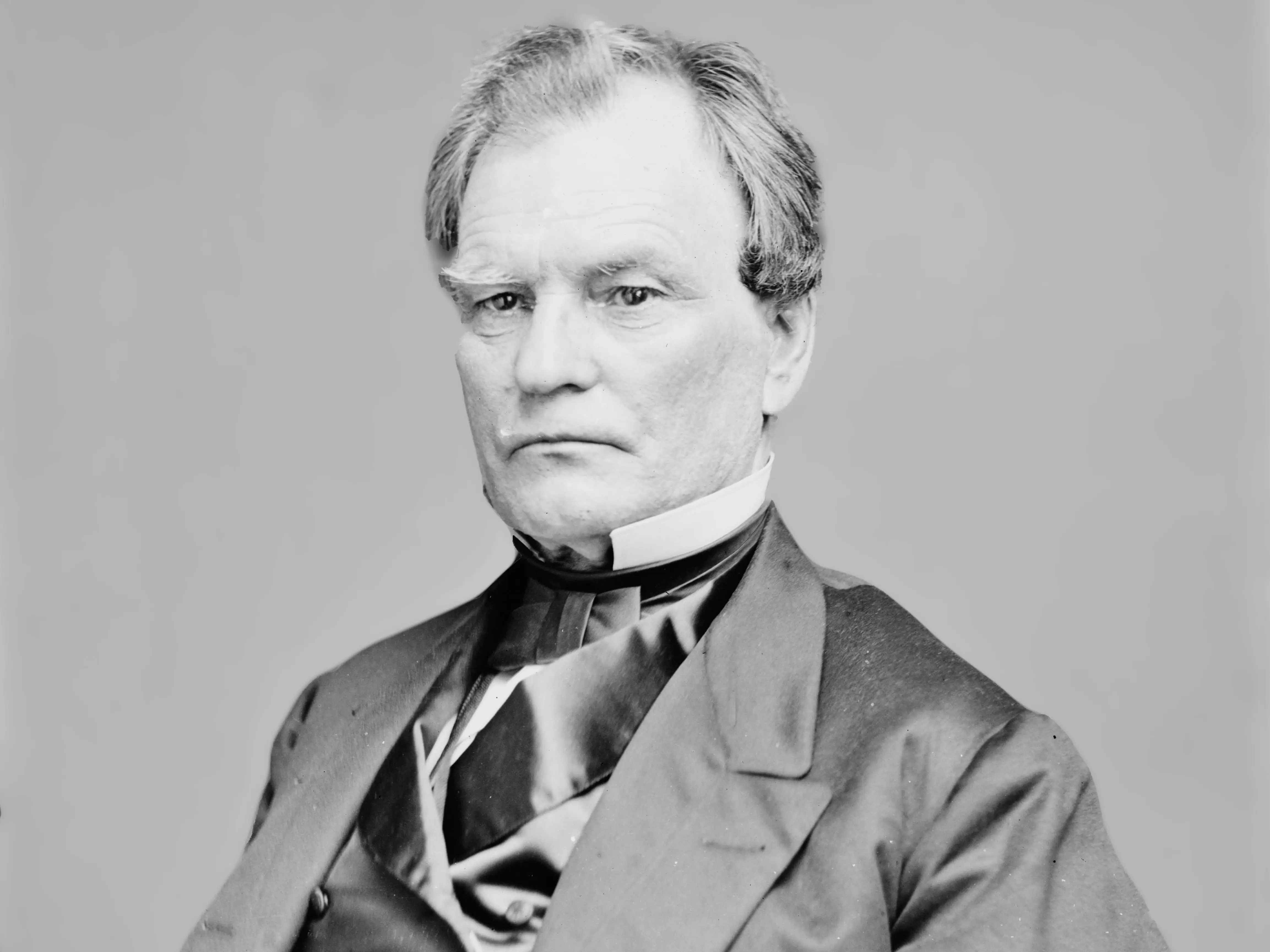
Johnson also averted being removed from office by a single vote during his presidency. After he was impeached by the House of Representatives for “high crimes and misdemeanors” in 1868, the articles failed in the Senate.
Had one senator voted differently, Senator Benjamin Wade, the president pro tempore of the United States Senate, would have assumed office.
With tensions high during the initial years of Reconstruction following the Civil War, Johnson’s removal from office would’ve been a significant action. Had Wade, a Radical Republican, ascended to the presidency, it could’ve drastically changed the postwar political landscape and the fate of Reconstruction in the South.
According to the US Senate, Wade was strongly in favor of women’s suffrage and civil rights for African Americans. The Ohio native worked as a laborer and lawyer before entering politics. Following tenure in the Senate, Wade remained active in politics before his death in 1878.
Samuel J. Tilden
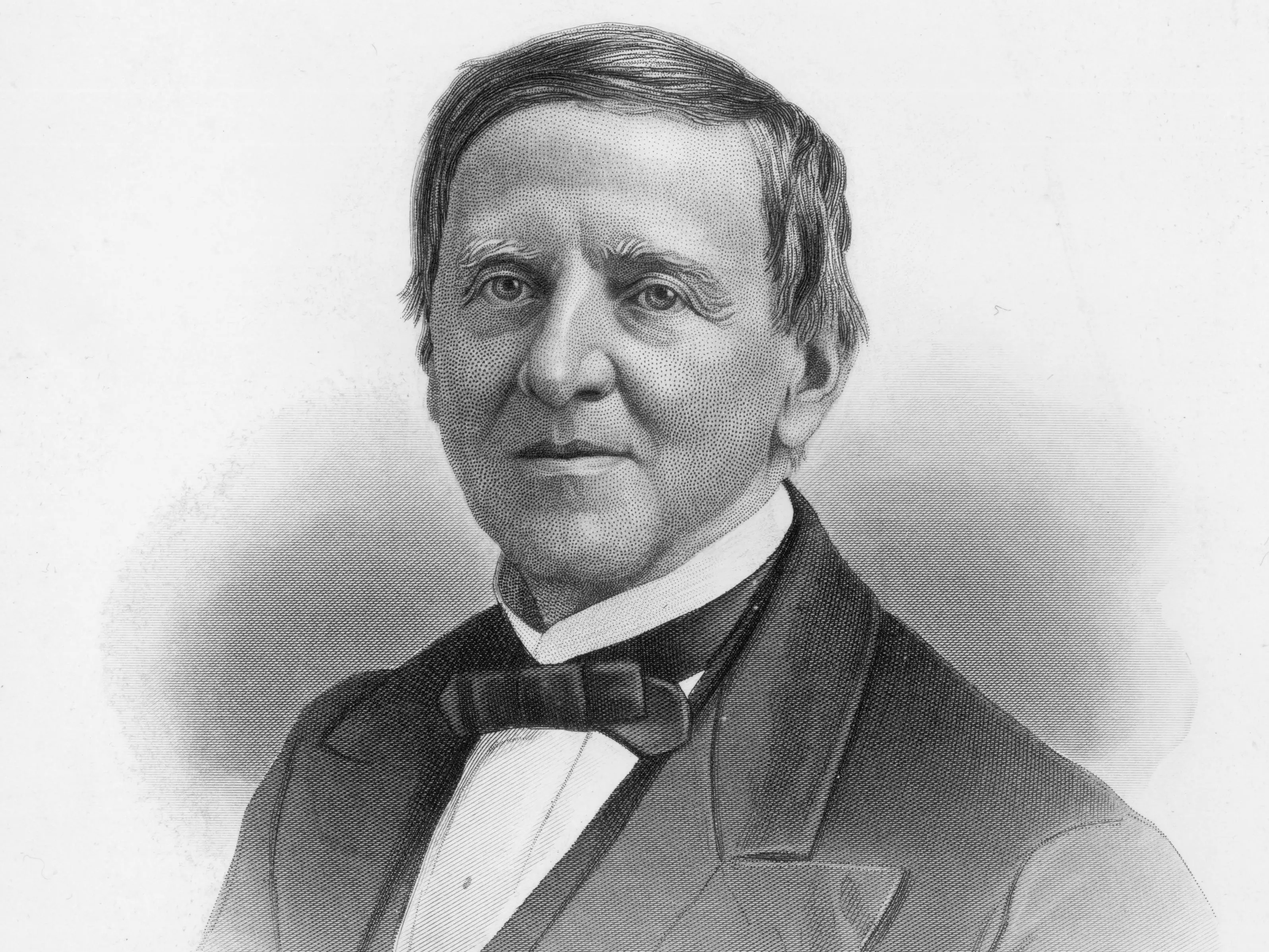
The 1876 US presidential election was one of the most contentious elections in US history. According to the House of Representatives, with many states’ electoral votes disputed, Congress instituted an Electoral Commission to decide the result of the election.
Ultimately, Republican Rutherford B. Hayes was awarded the presidency, beating Samuel J. Tilden by one electoral vote but losing the popular vote by three percentage points.
Tilden was born into a wealthy New York family and eventually worked his way up to governor of New York. An anti-slavery Democrat, he centered his presidential campaign platform around support for the gold standard.
Tilden flirted with presidential runs in 1880 and 1884, but ultimately declined the opportunity.
James G. Blaine
One of the closest elections in American history came down to just 1,047 votes.
A scandal involving Democratic candidate Grover Cleveland emerged when the Buffalo Evening Telegraph alleged he had fathered a child out of wedlock. As a result, the 1884 US presidential election proved to be a nail-biter.
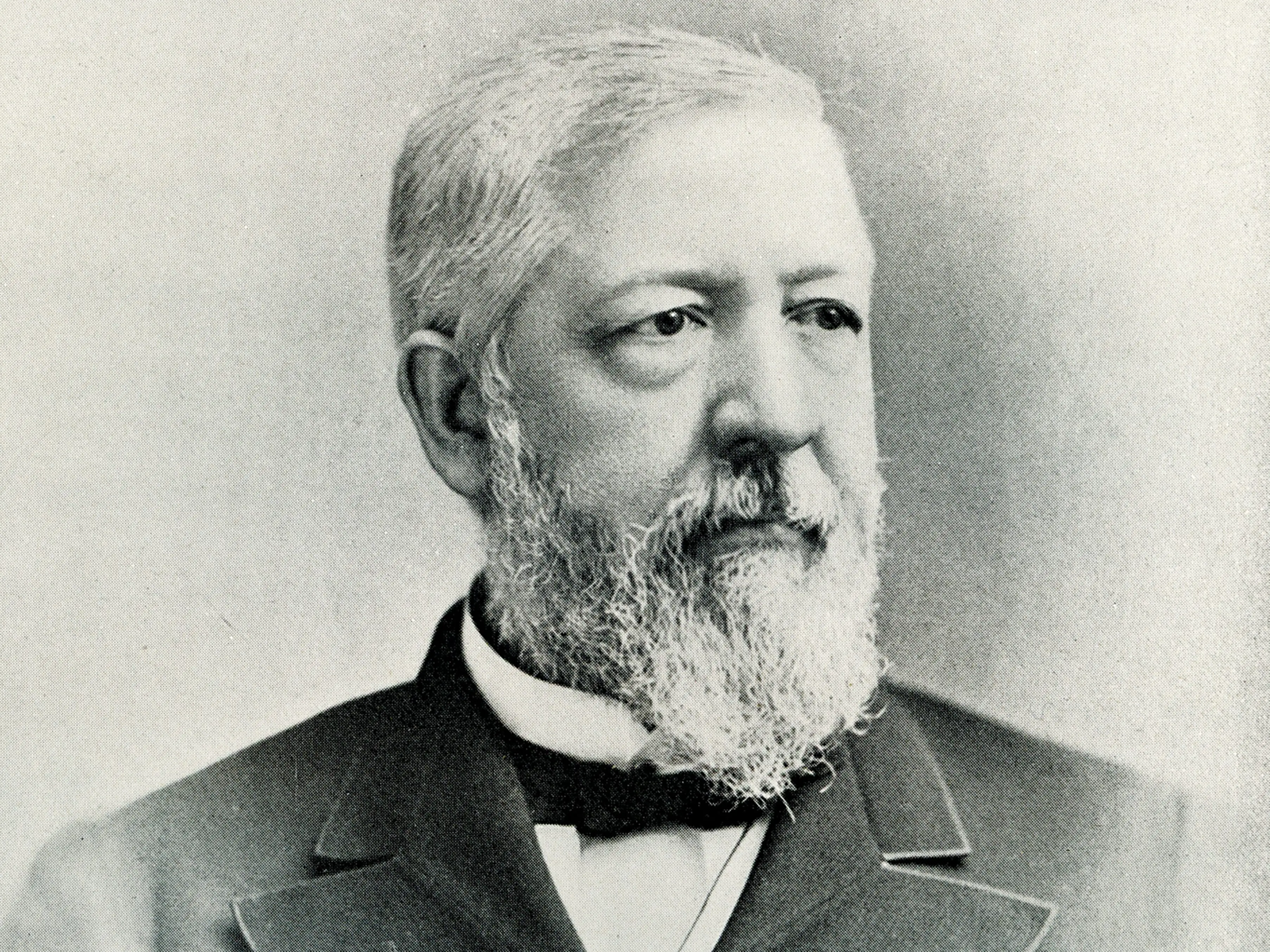
The contest came down to New York’s 36 electoral votes, with Cleveland edging out Senator James G. Blaine from Maine by just 1,047 votes, around 0.09% of the state’s electorate.
Blaine was a prominent figure in the national Republican party, serving as speaker of the House, a senator, and secretary of state under three presidents before and after his 1884 presidential run, according to the Department of State.
Thomas R. Marshall
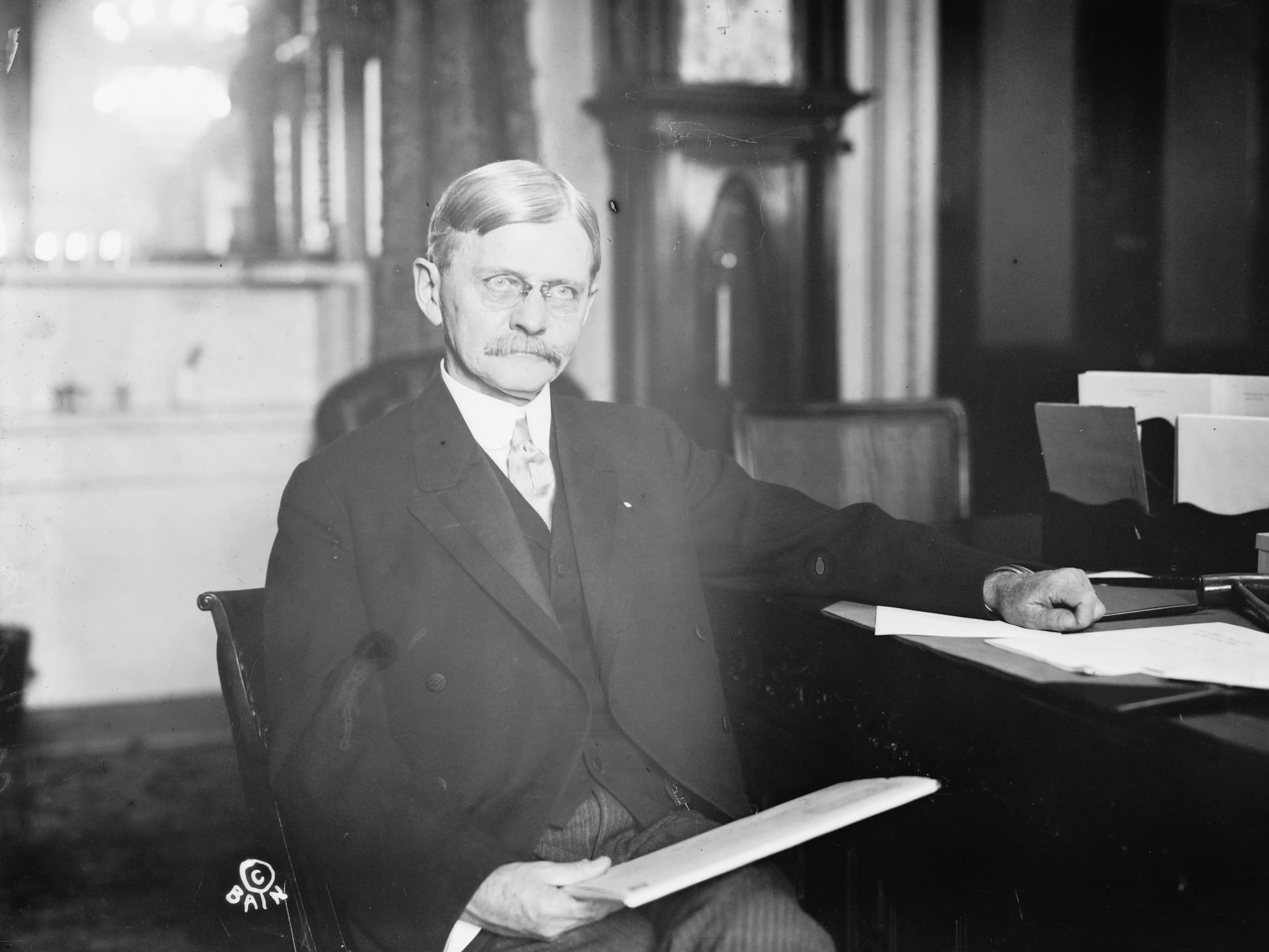
In 1919, President Woodrow Wilson suffered a stroke that left half his body paralyzed and largely rendered him unable to fully perform his duties as president. In the remaining two years of his presidency, Wilson suffered bouts of influenza and a urinary-tract infection that threatened his life, PBS reported.
The 25th Amendment, which outlines clear directives on presidential incapacitation, wasn’t ratified until 1967. This meant that Vice President Thomas R. Marshall didn’t assume presidential duties at any time, and the first lady, Edith Wilson, took on a large role in the Oval Office.
Under the scenario in which Wilson succumbed to his poor health, Marshall would’ve risen to commander in chief. Before his vice presidency, Marshall served as governor of Indiana. He later sought a presidential run in 1920, but wasn’t able to draw enough support.
He died in 1925, just one year after Wilson.
John Nance Garner
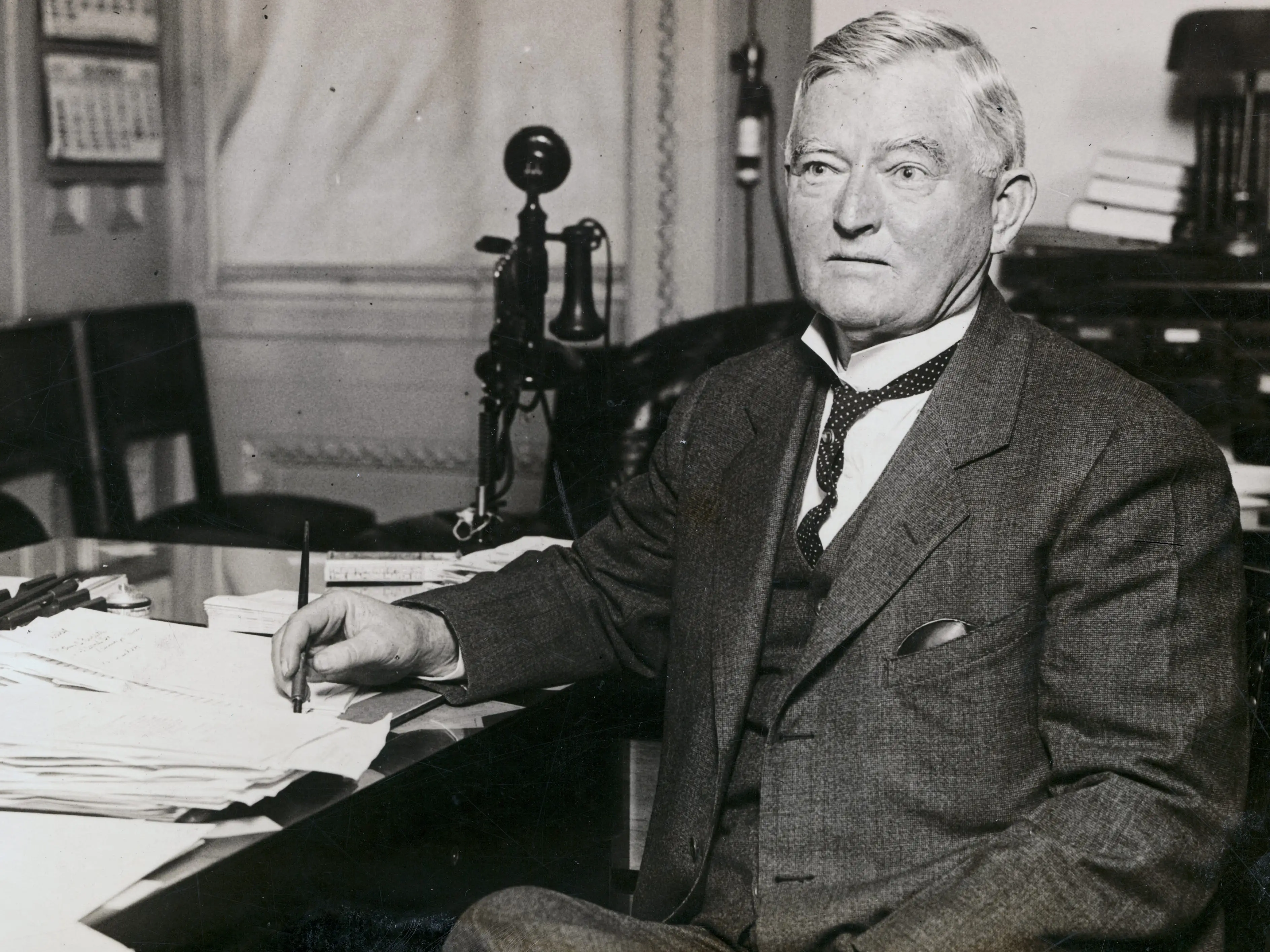
Nearly 12 years before Franklin D. Roosevelt would die of natural causes in office, he was almost assassinated before his presidency even began.
On February 15, 1933, just weeks before FDR’s inauguration, Italian immigrant Giuseppe Zangara fired at a car in which the president was giving a speech, The Washington Post reported.
Had FDR been killed, Vice President-Elect John Nance Garner would’ve assumed the presidency in his place under the terms of the recently ratified 20th Amendment.
An unlikely running mate for FDR, Garner was a conservative Democrat who represented Texas in the US House of Representatives. Had Garner been president, the government’s New Deal programs and its response to World War II might have looked a lot different.
After leaving the vice presidency, Garner retired and lived until the age of 98.
Henry Wallace
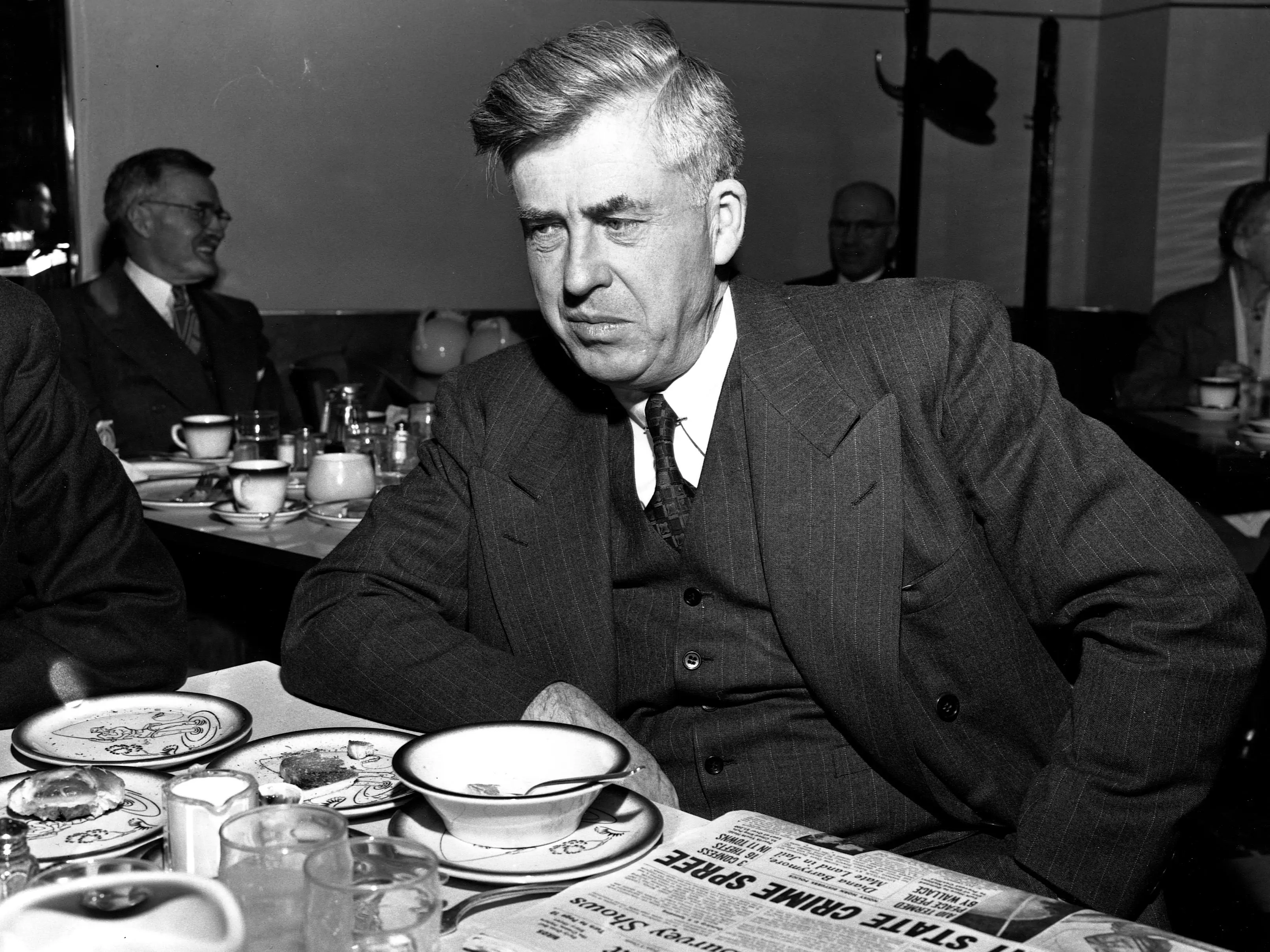
When FDR was nominated for an unprecedented third term in 1940, he chose Secretary of Agriculture Henry Wallace as his running mate. With the president’s health deteriorating as his term went on, it seemed that FDR’s 1944 running mate would be his successor.
Despite leading on the first ballot with a strong base of supporters at the 1944 Democratic National Convention, Wallace was leapfrogged by Harry Truman for the vice-presidential nomination when party leaders worked to rally support for him, according to the Truman Library Institute.
This would prove to be a consequential choice, as Truman would soon be overseeing the conclusion of World War II and giving orders to drop atomic bombs on Japan.
A native of Iowa, Wallace was a farmer before becoming active in politics and eventually serving in FDR’s administration. Following his vice presidency, he returned to a cabinet position under FDR, this time as secretary of commerce.
In 1948, Wallace launched an unsuccessful presidential bid on the Progressive Party ticket, PBS reported.
Robert F. Kennedy
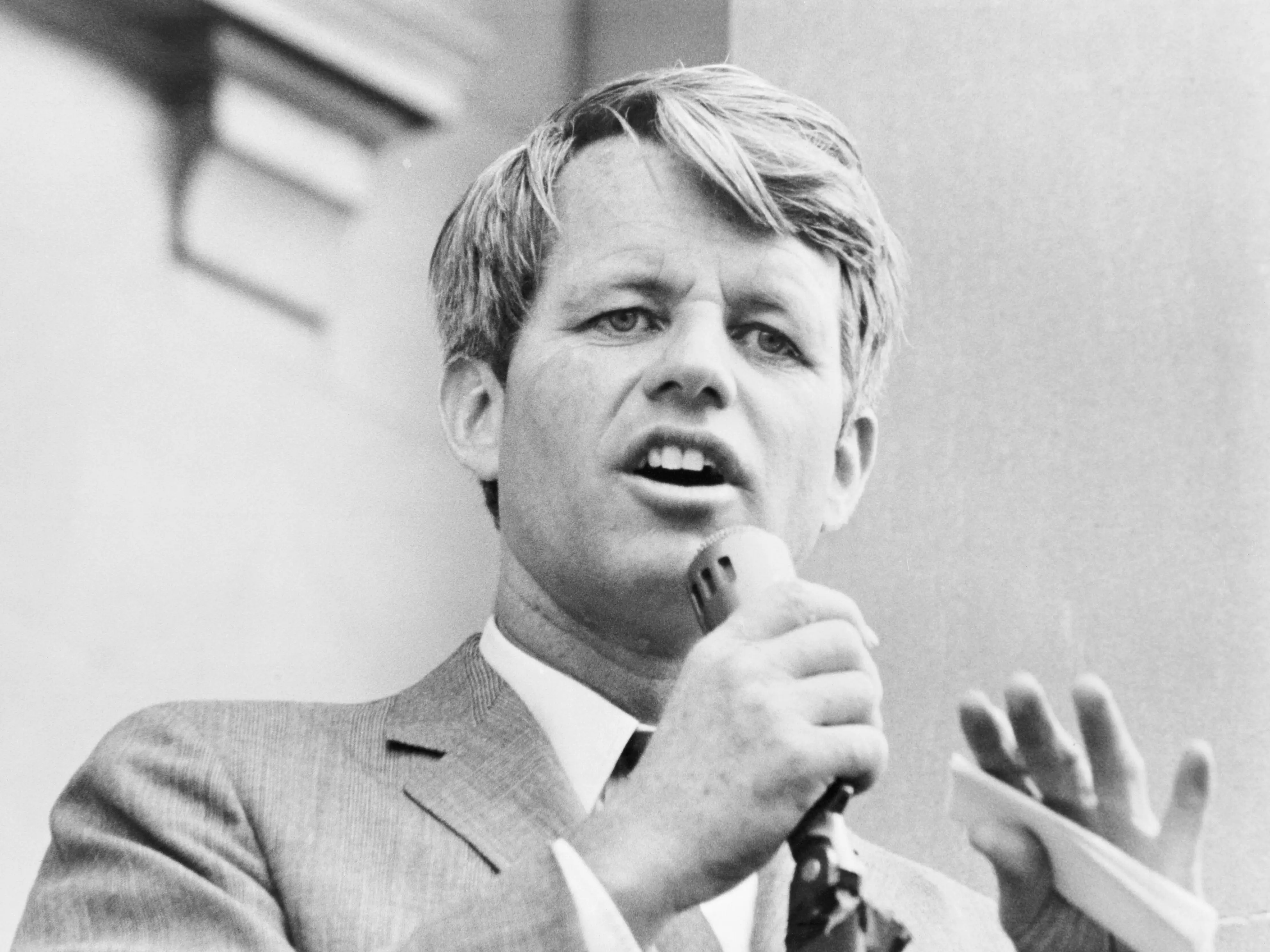
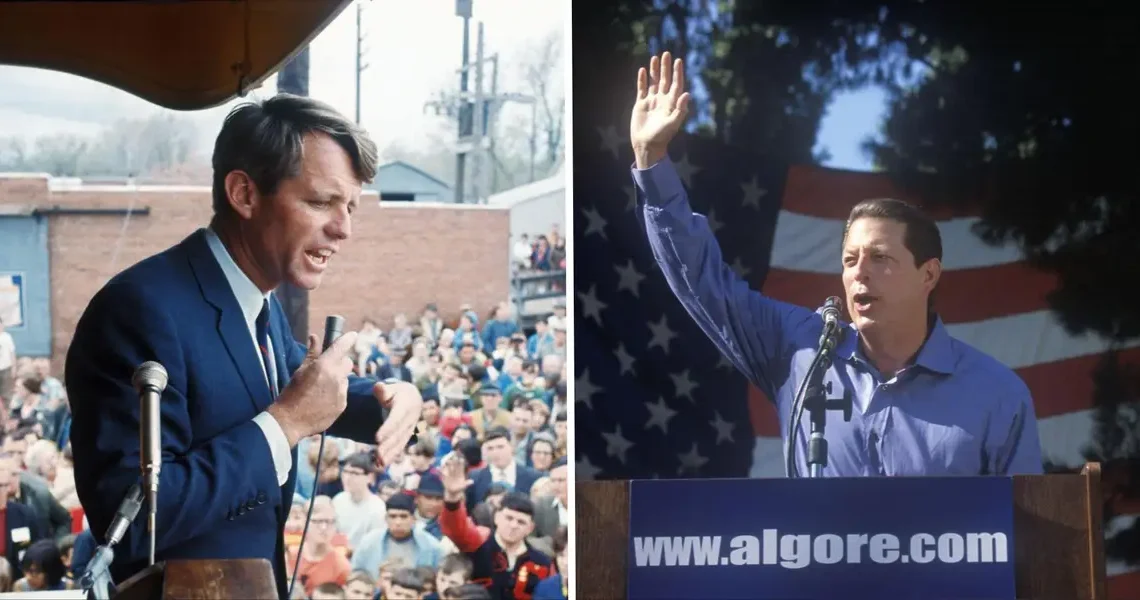
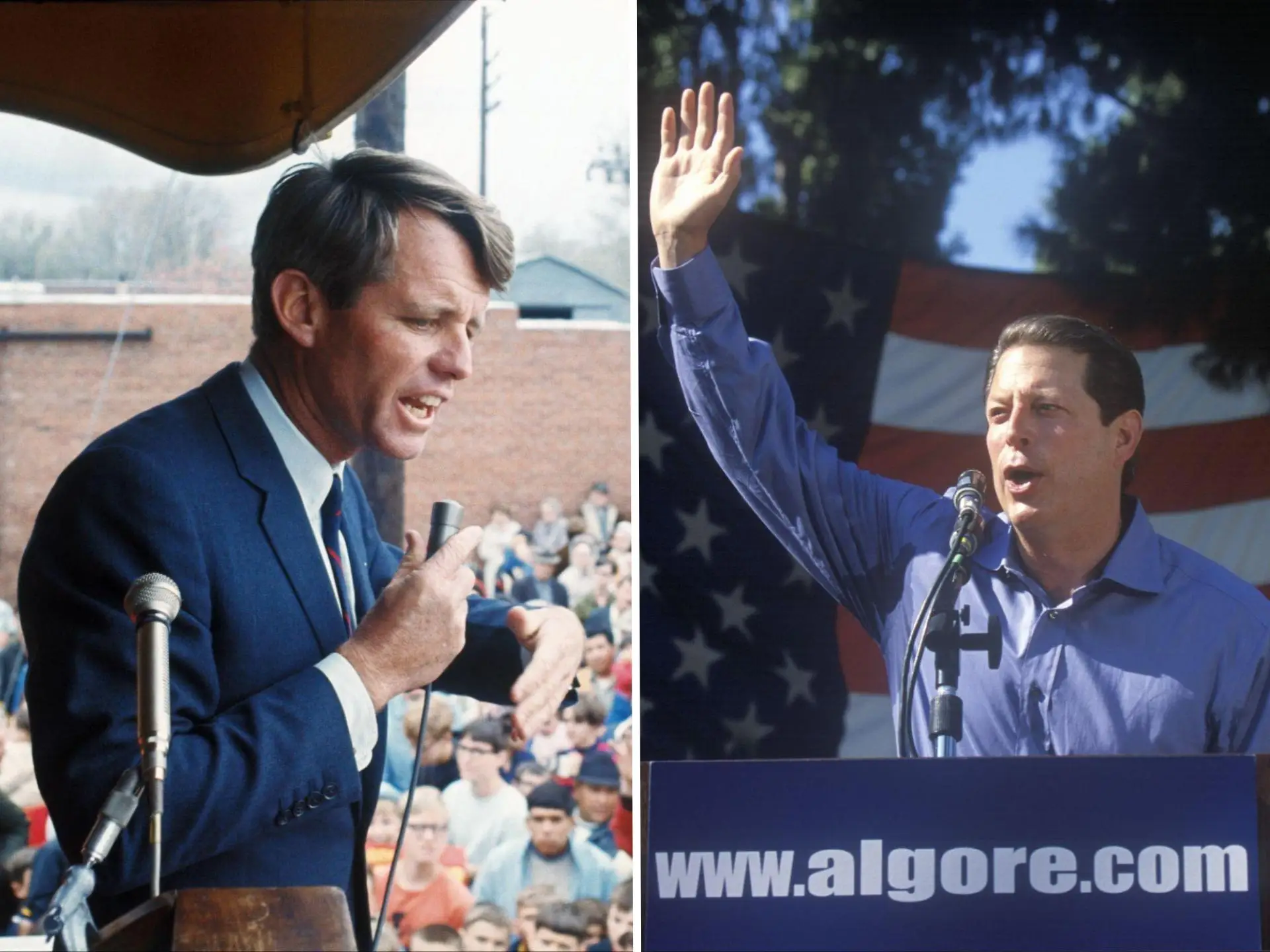
Perhaps one of the biggest presidential hypotheticals in history, Robert F. Kennedy was assassinated before he got to see his presidential ambitions fully realized.
On June 5, 1968, Kennedy was fatally shot in Los Angeles just after pulling into second place in the race for the Democratic nomination. Richard Nixon’s election to the presidency later that year proved to be consequential, with Nixon escalating the war in Vietnam and ordering bombing campaigns in Laos and Cambodia before resigning in disgrace in 1974.
While RFK’s chances of being nominated by the Democratic Party and later elected president are still debated by historians, the senator and attorney general left a generation asking, “What if?”
Spiro Agnew
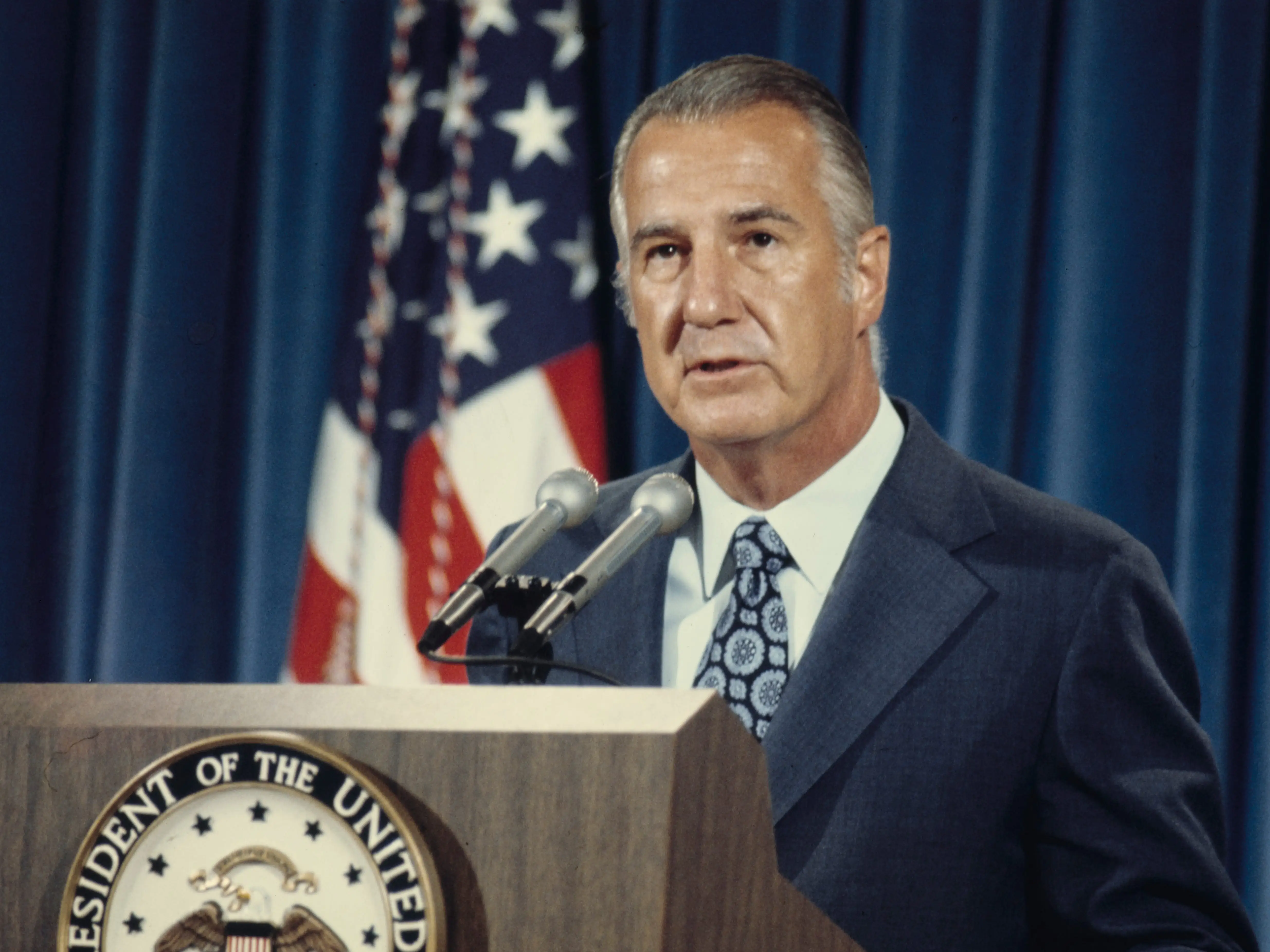
Nixon’s resignation meant that the role of commander in chief would ultimately be assumed by his vice president, and for most of Nixon’s tenure, that was Spiro Agnew.
Agnew served as governor of Maryland before being chosen as Nixon’s running mate. The former governor’s time in the White House was cut short, however, when a Justice Department investigation alleged bribery and extortion. Agnew pleaded no contest to a tax evasion charge, avoided jail time, and promptly resigned from office, The New York Times reported.
Gerald Ford was nominated for the vice presidency in his place and within a year was sworn in as president following Nixon’s resignation.
According to the National Governors Association, Agnew was disbarred after his resignation, and worked in business until his death in 1996.
Al Gore
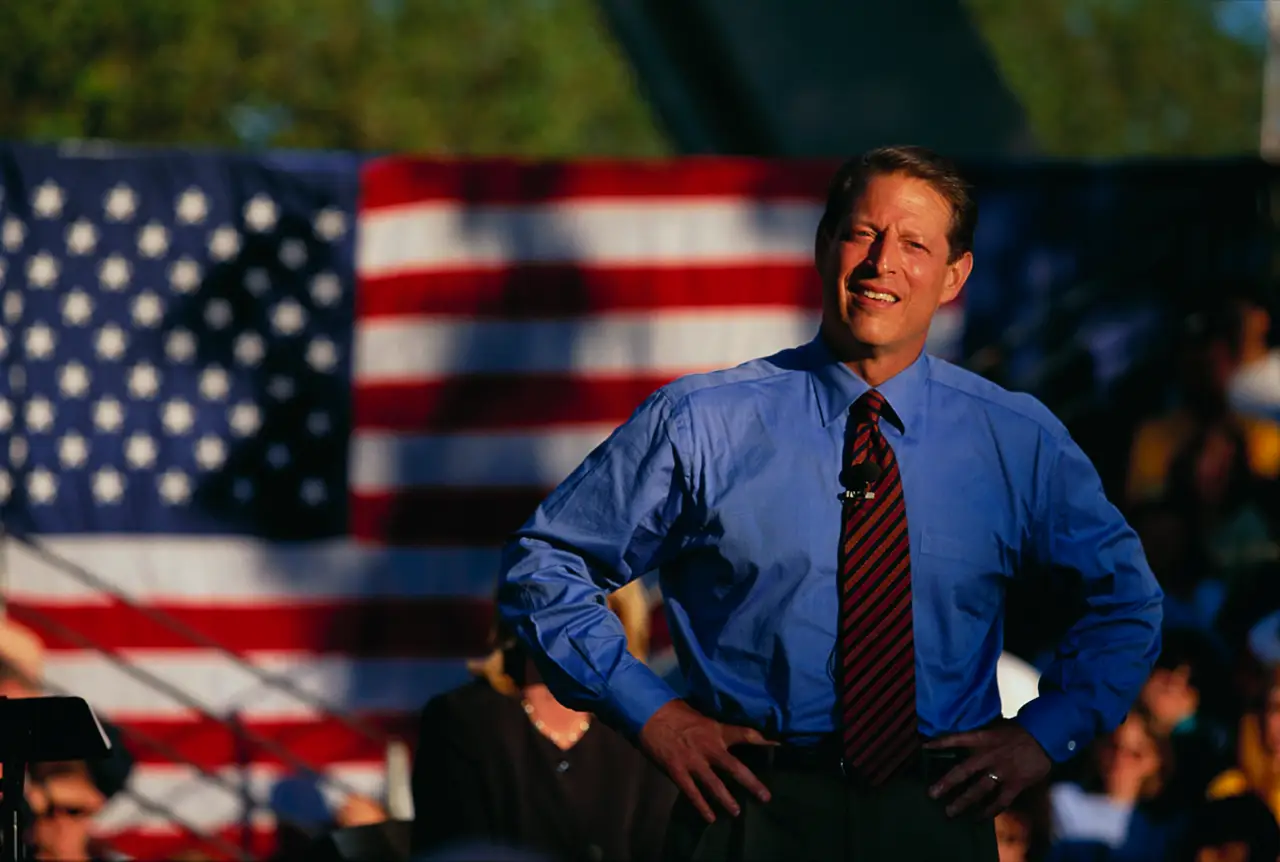
The 2000 election between George W. Bush and Al Gore marked the fourth time in US history that the candidate who won the popular vote lost in the electoral college.
This time, the race came down to Florida, with a recount triggered after the state was still undecided on election night. Following a lengthy process to determine a winner in the state, the US Supreme Court effectively put an end to the recount process, according to NPR. Bush was declared the winner by a margin of just 537 votes.
Bush’s presidency was defined by major events, from the September 11 attacks to wars in Iraq and Afghanistan, Hurricane Katrina, and the 2008 financial crisis. The decisions of a few hundred voters in Florida — and the Supreme Court — proved to be consequential in deciding the leader who would oversee all of them.
Gore represented Tennessee in both the House and Senate before serving as vice president under Bill Clinton. Since then, he’s been a loud advocate for environmentalism and combating climate change.
Read the original article on Business Insider
The post The almost-presidents: 10 Americans who nearly assumed the nation’s highest office appeared first on Business Insider.