Sarah Montalbano is an energy policy analyst at Always On Energy Research, a nonprofit energy modeling firm.
Alaska is often treated as a wilderness to be protected from its own residents. That mindset, common among D.C. bureaucrats and environmentalists alike, has left the state struggling to develop projects involving natural resources, even as communities shrink and young people leave Alaska.
I’m one of them. I left my hometown of Wasilla for college in 2018 and haven’t moved back. I’m far from alone: Only 25 percent of Alaskans who went to college out of state in 2005 were still living in Alaska by 2021.
I left because I wanted a career in energy policy, and decades of federal “green tape” ensured that Alaska wasn’t building the projects that would have given me one. The Trump administration has moved quickly to streamline permitting, and so has the House, which has advanced bipartisan legislation to speed up permit review and expedite domestic production of critical minerals. There’s a growing recognition among Democrats and Republicans that domestic supplies of critical minerals are essential to national security.
But new federal optimism for Alaskan projects won’t immediately provide more jobs, cheaper energy and a better life for young residents in the state.
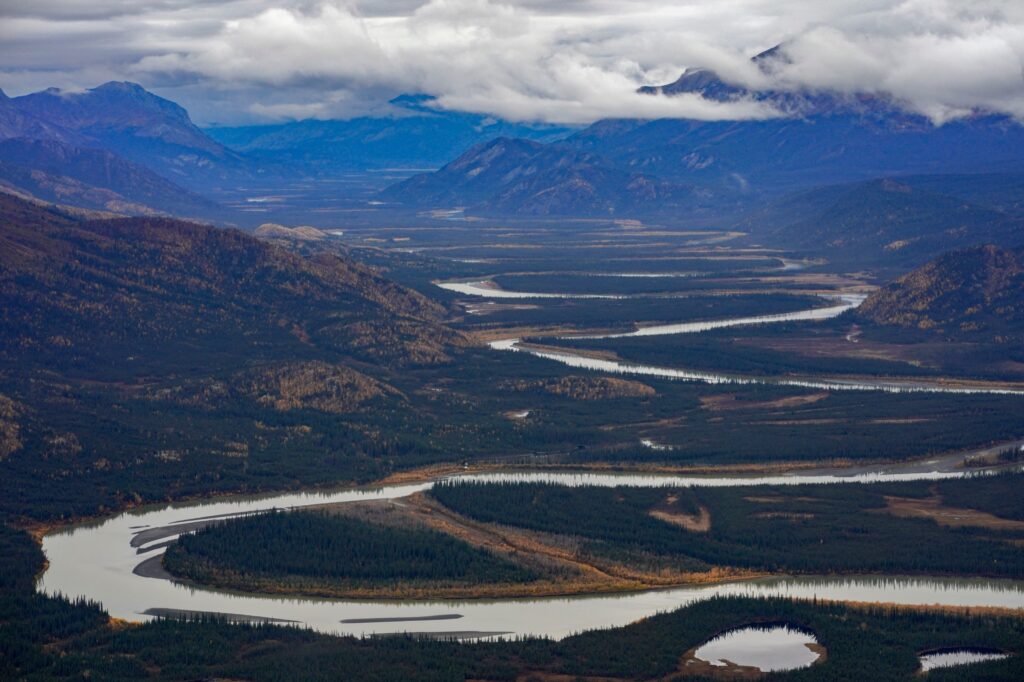
Take the Ambler Road, a proposed 211-mile private-access road in Alaska’s Northwest Arctic Borough that would unlock isolated reserves of zinc, lead, silver, cobalt and copper. In October, the Trump administration approved an appeal to allow the road to proceed, and winter field work can now begin — 46 years after the road was promised to Alaskans in federal law.
In 1980, Alaska agreed to set aside 10 federal parks, preserves and monuments spanning more than 100 million acres of wilderness. In exchange, the Alaska National Interest Lands Conservation Act signed by President Jimmy Carter states: “The [Interior] Secretary shall permit such access” to the Ambler Mining District for resource development. The district is a roughly 70-mile mineral belt along the southern slopes of the Brooks Range. Environmental groups are now reneging on the 1980 deal. Seven of the 10 environmental groups that sued again last month to stop the Ambler Road aren’t even based in Alaska.
The Ambler Road is part of a pattern of projects ping-ponging with every change in the White House, deterring and delaying urgently needed economic growth. The first Trump administration approved the road in July 2020. The Biden administration suspended those permits in 2022 and formally denied the road in 2024, saying there are “no active mines in the area and no mine plan proposals pending.”
It’s easy to oppose development in Alaska from a plush seat on K Street or from the corridors of federal agencies. It’s harder to live with the consequences as an Alaskan. Between 2024 and 2025, the state lost more residents than it gained through migration for the 13th straight year, with the number of children declining by almost 1 percent. In the Northwest Arctic Borough, a remote area larger than Maine with just 7,000 residents, families leave because there are fewer jobs and no replacements coming. The borough has seen a 1.43 percent average annual decline in population between 2020 and 2025. Compounding the crisis, the region’s largest employer, Red Dog zinc mine, will be depleted by 2031. Ambler Road’s construction is expected to create 2,730 jobs directly and hundreds more from mines built in the district.
Ambler Road isn’t an isolated case. Alaskan resource projects face the predictable cycle of political whiplash despite their merits and local support. Consider the Alaska LNG pipeline, proposed to carry natural gas 800 miles from Alaska’s North Slope to export terminals near Anchorage, a major population center.
Alaska LNG matters to more than just construction workers: Alaska generates nearly 56 percent of its electric power consumption from natural gas, and nearly half of households use natural gas for home heating. Anyone who has dealt with a power outage in an Alaskan winter knows the importance of affordable, reliable heating.
Thanks to federal tailwinds, the pipeline is likely to be constructed in 2028 and deliver gas in 2029. Unfortunately, that may be too late to address natural gas shortfalls in Cook Inlet, which could hit consumers as early as 2027, forcing utilities to import foreign gas at exorbitant prices or scramble for alternatives such as hydropower. Had the pipeline been approved within a few years of its 2014 proposal instead of being batted around between administrations, Alaska’s utilities wouldn’t be facing this energy crisis.
Alaska needs to be worth living in for young Alaskans and their growing families. Our state has proved that we can develop resources responsibly while protecting the natural beauty that Alaskans and visitors cherish. But to survive, Alaska needs to be allowed to build, develop its natural resources and create economic opportunities — and good lives for its residents.
I want to come home to an Alaska that’s prosperous and thriving, and for the first time in a long time, that future seems within reach.
The post I left Alaska for opportunity. Trump gives me hope I can go home. appeared first on Washington Post.