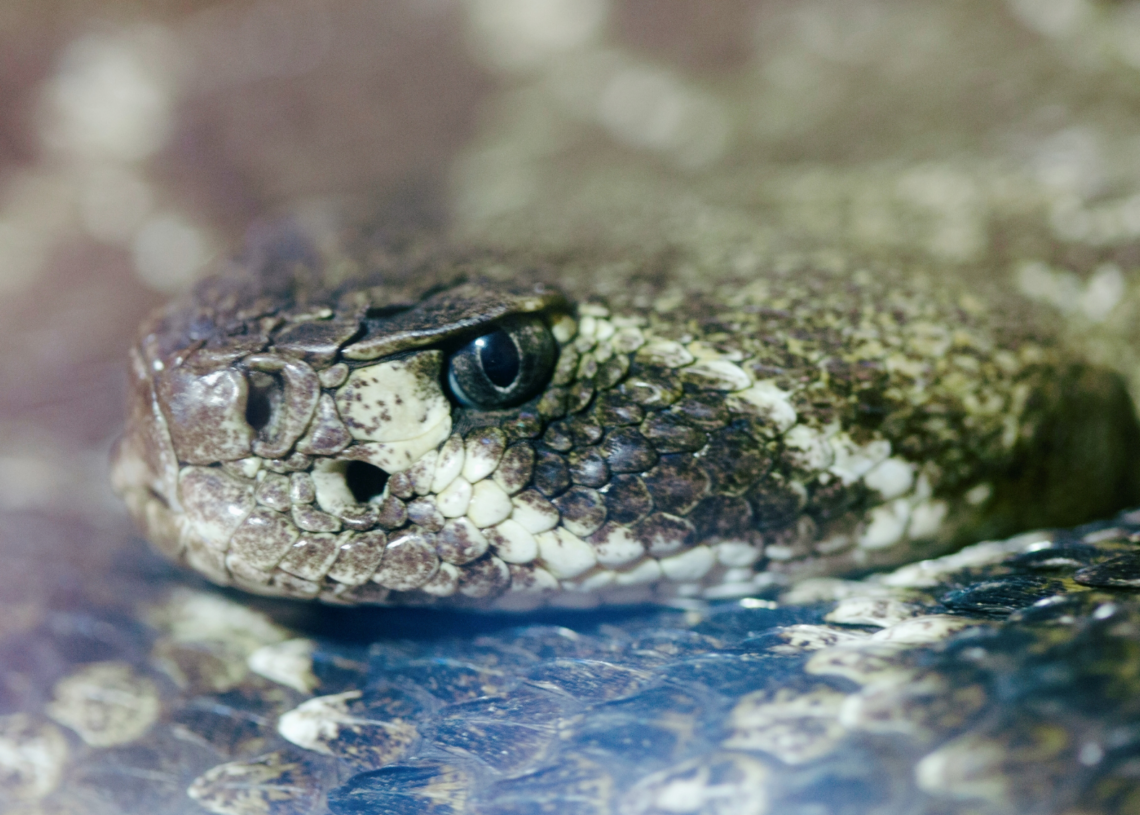
Sure, some sneaks can devour large animals whole. It makes sense that they may not want to eat again for a long time. But some can hold off on eating again for an exceptionally long time. So long that it seems to defy all reason. Now, however, a new study may shed some light on how snakes and some other reptiles can essentially shut off their hunger, and they did it by deleting the parts of their biology that tell them to be hungry in the first place.
Ghrelin is the so-called “hunger hormone.” In mammals, ghrelin tells the brain it’s time to eat and tells the body to burn fat during fasting. It was once hyped as a master switch for appetite control, until scientists realized it wasn’t. Blocking ghrelin didn’t stop hunger.
Why Don’t Snakes Feel Hunger?
Researchers, who published their findings in Open Biology, eventually turned to reptiles that rarely eat. By analyzing the genomes of 112 species, the team found that dozens of snakes, along with some chameleons and agamas, have either broken or completely lost the genes needed to produce ghrelin. In many cases, the genes were so fragmented that they were essentially biological junk. Even the enzyme that activates ghrelin was missing.
This appears to have occurred independently, multiple times, across different evolutionary branches. That could mean having ghrelin was a liability; the animals who lack it tended to survive more than those who did.
This survivability could come down to the mere act of acquiring food. Mammals typically had to roam around and hunt for their food. Meanwhile, snakes had a more of a wait-and-see approach, letting food come to them. They didn’t burn a whole lot of energy; the tactic didn’t burn much energy, while a ghrelin-driven metabolism would burn through energy quickly. Getting rid of ghrelin entirely helps reptiles coast through the months or years between meals.
The post Snakes Are Eating Machines? Think Again, Some Don’t Even Feel Hunger. appeared first on VICE.