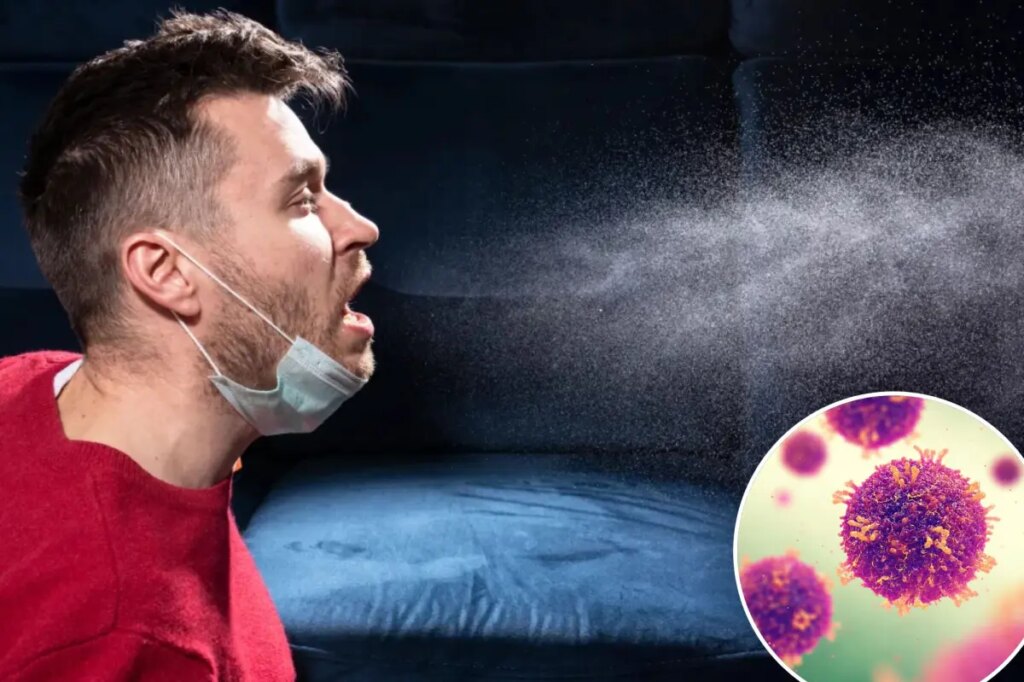
Most of us try to dodge coughs and sneezes, but some viral threats aren’t so obvious.
Research shows that many viruses can linger in the air and on surfaces long after an infected person has left the room — keeping the risk of infection alive.
Take measles. The virus has infected nearly 1,000 people in South Carolina, marking the nation’s largest outbreak of the deadly disease in more than three decades.
And it’s not an isolated spike. Measles cases have been on the rise in the US in recent years amid declining vaccination rates, with the CDC confirming five new outbreaks in 2026 alone.
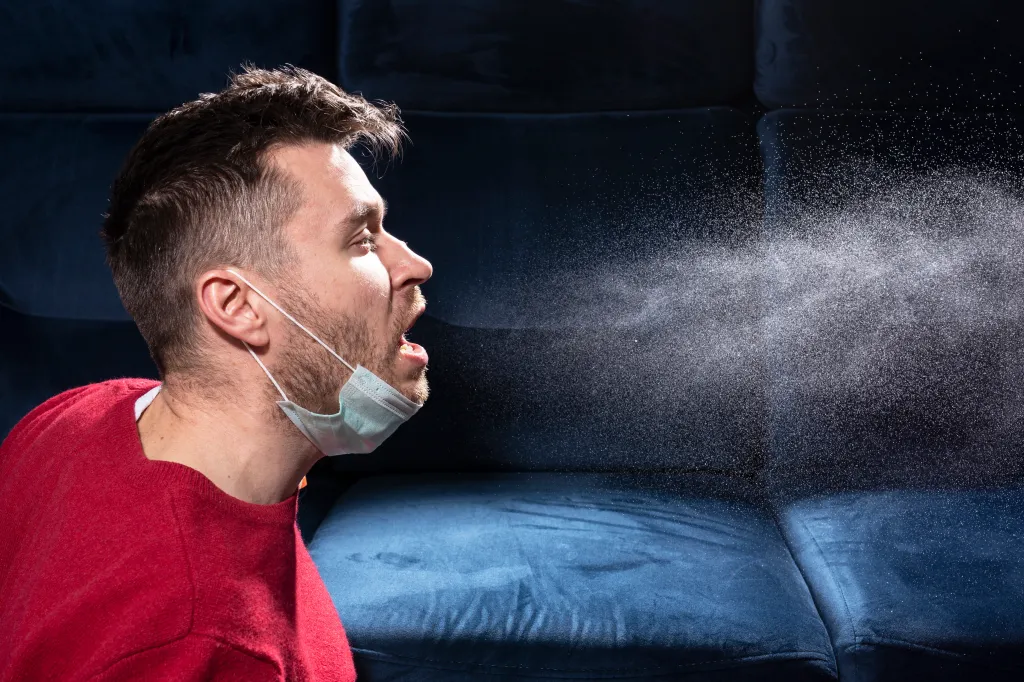
The reason it spreads so fast is simple: Measles travels easily through the air when an infected person coughs, sneezes or even talks, releasing droplets packed with virus that others nearby can inhale.
It can also spread when someone touches contaminated objects and then their eyes, nose or mouth.
Here’s a look at how long eight common viruses and bacteria can linger in indoor air and on everyday surfaces — and possibly make you sick.
Measles mayhem
Measles is a highly contagious virus that attacks the respiratory system, infecting about 9 out of 10 unvaccinated people who are exposed.
The virus can survive on surfaces or suspended in the air for up to two hours after an infected person leaves a room, according to the CDC.
Influenza
The flu is a contagious respiratory illness caused by influenza viruses that infect the nose, throat and lungs.
Studies suggest influenza A and B viruses can survive on hard surfaces for up to 48 hours, up to 12 hours on porous surfaces, and in the air for at least an hour, with colder temperatures prolonging survival.
Common cold
The common cold is a viral infection of the upper respiratory tract, most often caused by rhinoviruses.
Rhinoviruses can survive in the air for one to two hours indoors and remain on surfaces for anywhere from a few hours to seven days, depending on the surface and environmental conditions.
Covid-19
Covid‑19 is a respiratory illness caused by the SARS‑CoV‑2 coronavirus, which can be highly contagious and spread quickly.
The virus can be detected in the air for up to three hours, though a 2022 study found it loses most of its transmissibility within about 20 minutes.
It can survive on surfaces from hours to several days depending on the material, according to the Cleveland Clinic.
RSV
Respiratory syncytial virus (RSV) is a common virus that infects the lungs and breathing passages, especially in infants and older adults.
It isn’t very effective at staying airborne, losing most of its infectivity within about 45 minutes.
But research suggests RSV can survive on hard surfaces for up to six hours, on porous surfaces for 45 minutes and on skin for about 20 minutes.
Chickenpox
Chickenpox is a contagious viral infection caused by the varicella-zoster virus, which leads to an itchy rash and fever.
The virus can survive on surfaces and in the air for several hours, but the risk of infection from touching surfaces is lower than from breathing airborne virus particles.
TB
Tuberculosis (TB) is a bacterial infection of the lungs caused by Mycobacterium tuberculosis, which is uncommon in the US but can be serious if untreated.
TB bacteria in small droplets can remain suspended in the air for six to 12 hours indoors, while on surfaces they can survive for weeks to months.
Norovirus
Norovirus is a highly contagious virus that causes gastroenteritis, leading to vomiting and diarrhea.
It can survive in the air for up to two hours after vomiting events. but spreads mainly through contaminated surfaces, where it can remain infectious for up to two weeks.
Mumps
Mumps is a contagious viral infection that primarily affects the salivary glands, causing swelling and fever.
The virus can remain infectious on surfaces for several hours to a few days and can linger in the air for several hours in poorly ventilated indoor spaces, though close contact is the main risk.
Before you start side-eyeing every doorknob, keep this in mind: Just because a virus is detectable doesn’t mean it’s strong enough to make you sick.
“We may be able to find some viable virus after a few days, but it’s thousands of times less than what was originally deposited,” Dr. Frank Esper, an infectious disease specialist, told the Cleveland Clinic.
“As soon as the virus hits something that’s not alive and certainly not a human, it’s not going to do very well.”
The post How long diseases like measles and the flu linger in the air — after an infected person has left the room appeared first on New York Post.