Russia often mixes up how it attacks Ukraine with ballistic and cruise missiles — from firing decoys to tweaking trajectories midflight — and Kyiv says it’s funneling that battlefield intel to US Patriot interceptor makers to inform upgrades for better performance.
“They are trying to use different tactics and make some adjustments for their ballistic missiles,” Yehor Cherniev, the deputy chairman of the Ukrainian parliamentary committee on national security, defense, and intelligence, said of the Russian strikes.
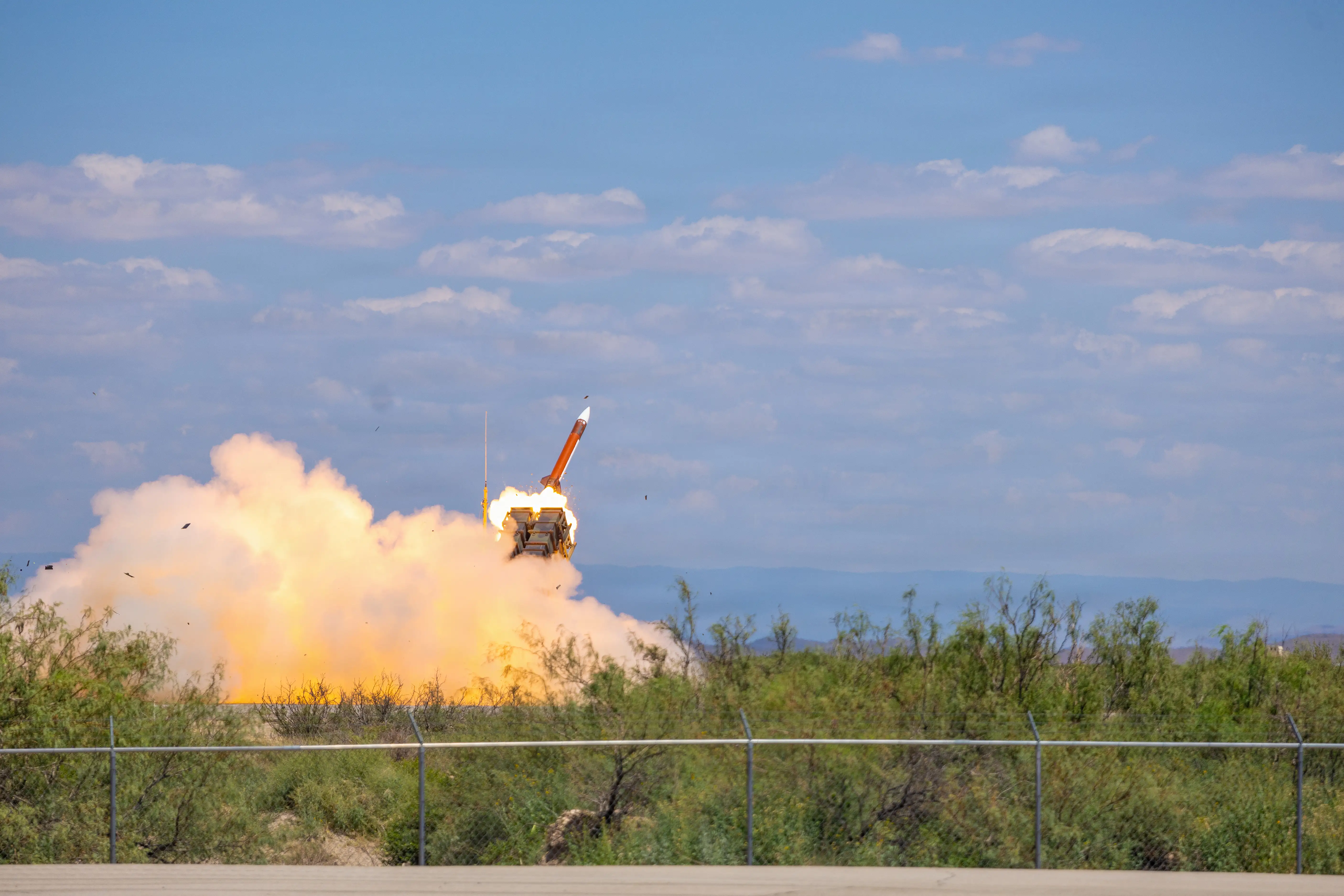
He shared with Business Insider in an interview this week that Ukraine is relaying information about the strikes to the manufacturers of the Patriot interceptors — specifically, the PAC-3 missiles made by the American defense giant Lockheed Martin — so that the company can make adjustments to its munitions.
A Lockheed Martin spokesperson declined to comment on foreign military activities but said that it is boosting production of its top Patriot interceptor while “accelerating upgrades to counter evolving threats.”
Cherniev characterized these efforts as a “race of technologies.” Ukraine and Russia are scrambling to gain a decisive edge over the other on and off the battlefield.
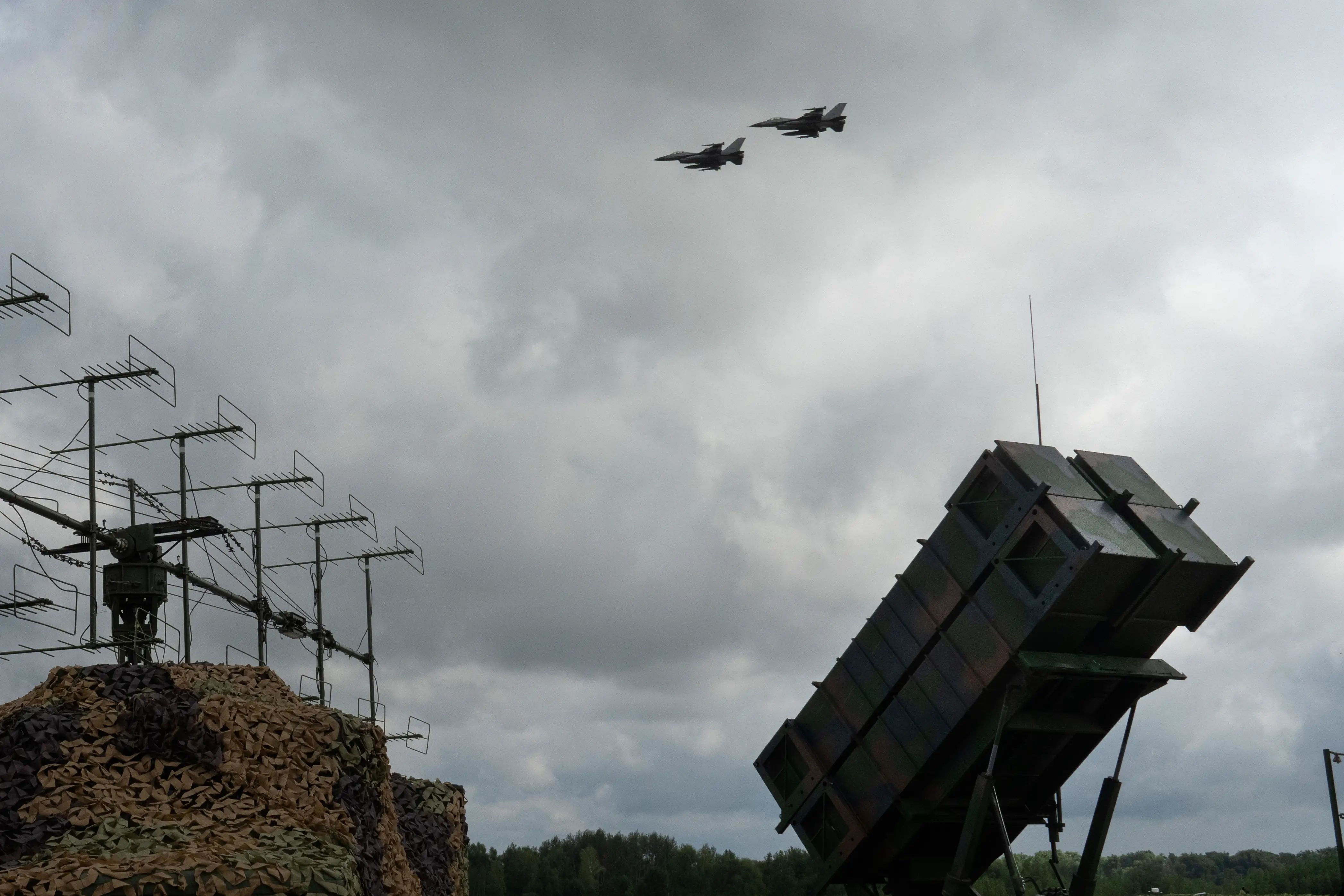
Ukraine’s military operates only a handful of MIM-104 Patriot batteries, which are widely regarded as the best surface-to-air missile system Ukraine has to defend against Russian ballistic missile attacks. One PAC-3 (Patriot Advanced Capability-3) interceptor costs $3.7 million, making engagements costly, particularly if an interceptor fails to eliminate its target.
A US intelligence assessment released in August said that Russia had upgraded its ballistic missiles, enhancing their maneuverability. This created additional challenges for Ukraine’s Patriot batteries.
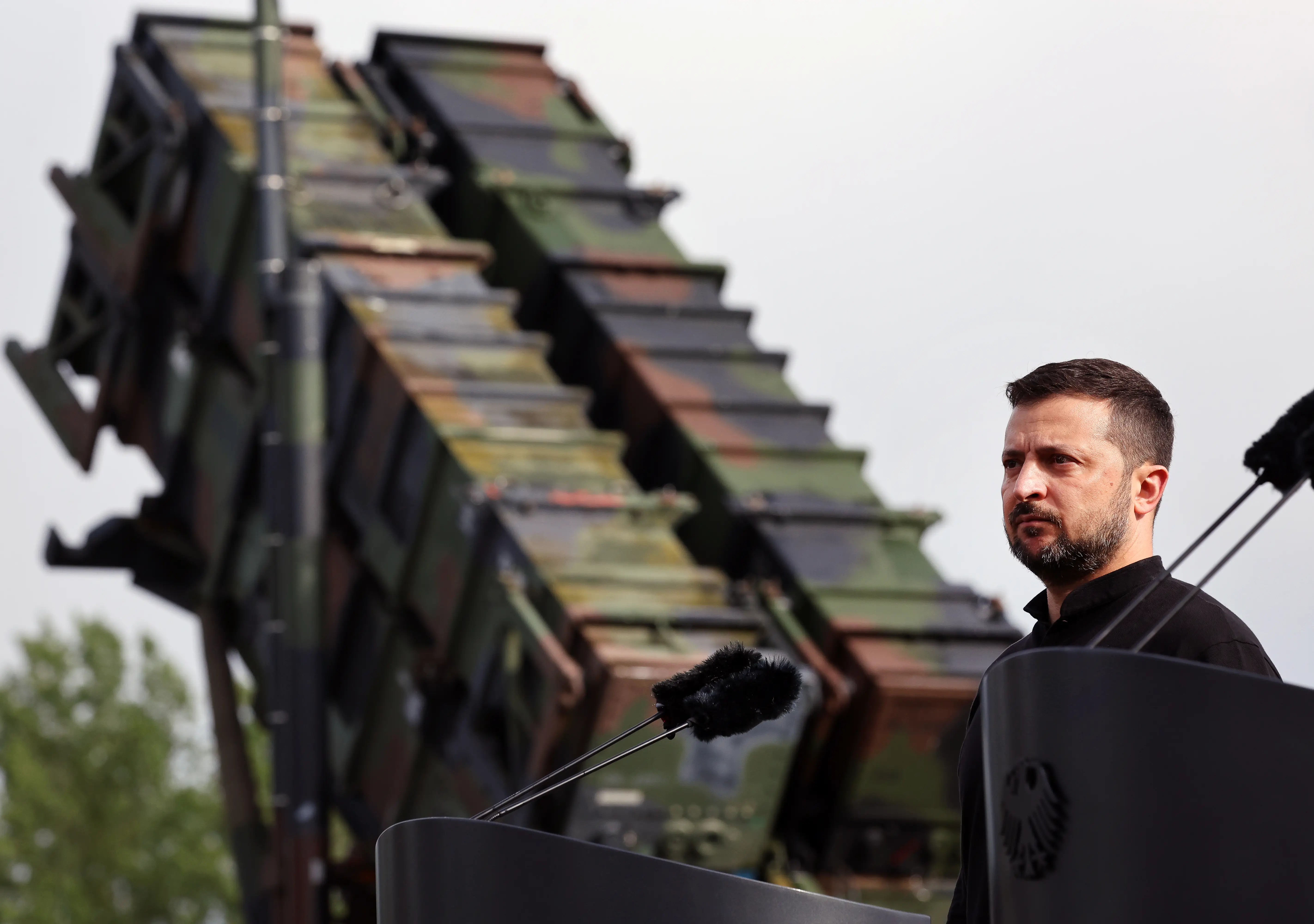
Ukrainian officials, most notably President Volodymyr Zelenskyy, have repeatedly called on Western countries to send more Patriot batteries to Kyiv, along with interceptors like the advanced PAC-3.
Interceptors are in high demand globally. To meet US expectations, Lockheed plans to triple its annual production of PAC-3 Missile Segment Enhancement (MSE) interceptors over the next few years.
Western partner nations have sent other surface-to-air missile batteries to Ukraine, such as the SAMP/T system developed by France and Italy, but Cherniev said Patriots are the most effective defense against Russia’s ballistic missiles.
Echoing Zelenskyy, the lawmaker stressed that Ukraine doesn’t have a “sufficient amount” of Patriot batteries and interceptors, but, he shared, “the situation is a little bit better than it was in the beginning of this year.”
Russia uses various tactics to overwhelm and confuse Ukraine’s air defenses, including launching missiles in multiple waves and changing their trajectory in the terminal phase to make them more difficult to intercept, Cherniev said. Several Russian missiles, such as the Kinzal and Iskander, have terminal maneuverability.
To exhaust Ukrainian air defenses, Russia also launches cruise missiles and drones without warheads, he added. The latter is a fairly common tactic.
Neither Russia’s defense ministry nor its US embassy responded to Business Insider’s request for comment on its tactics.
Ukrainian officials have identified air defense systems and missiles as the most important weapons they need from the West.
The US was the single biggest provider of security assistance to Ukraine under the Biden administration, and it sent tens of billions of dollars in weaponry to Kyiv during the first three years of Russia’s full-scale invasion.
Support has declined since President Donald Trump took office a year ago; however, the State Department continues to approve foreign military sales for Ukraine, including for Patriot-related equipment.
European countries have stepped up to fill the gap, providing roughly $30 billion in military aid in 2025, according to a new report issued by the Kiel Institute for the World Economy.
In July, the NATO alliance announced the Prioritised Ukraine Requirements List (PURL) initiative, designed for allies to purchase military hardware from US stockpiles for Ukraine. Countries have already committed billions of dollars to the effort.
Since the PURL initiative began, NATO member states have supplied around 75% of all interceptors for Ukraine’s Patriot batteries and 90% of the missiles for other air defense systems, Mark Rutte, the alliance’s secretary general, said last week.
Read the original article on Business Insider
The post Ukraine is feeding intel to Patriot interceptor makers as Russia mixes up its missile attacks, lawmaker says appeared first on Business Insider.