U.S. Immigration and Customs Enforcement expects to spend $38.3 billion on its plan to acquire warehouses across the country and retrofit them into immigrant detention centers that can hold tens of thousands of immigrants, according to documents the agency provided to New Hampshire’s governor and published on the state’s website Thursday.
ICE plans to buy and convert 16 buildings across the country to serve as regional processing centers, each holding 1,000 to 1,500 immigrant detainees at a time, according to one of the documents, an overview of the detention plan. Another eight large-scale detention centers will hold 7,000 to 10,000 detainees at a time, and serve as “the primary locations” for international removals.
Detainees would spend an average of three to seven days at the processing sites before being transported to the larger facilities, where they would be held about 60 days before being deported, according to the document. The additional detention space is necessary, the document states, due to ICE’s hiring of more agents and an expected surge in arrests.
The documents offer the most complete picture to date of the Trump administration’s plan to overhaul immigrant detention using buildings that were originally designed for industrial purposes — an expansive effort aimed at boosting ICE’s ability to arrest more immigrants and deport them faster. Rather than moving people around the country to any detention center with available beds, the new system of warehouses is designed to funnel them into a series of large-scale holding centers where they will await deportation, ICE documents show.
They also demonstrate the scale and resources the Trump administration has devoted to building a mass deportation network. The plan’s $38 billion budget is more than the total annual spending for 22 states, according to state budget data.
The Washington Post first reported on an earlier, draft solicitation document in December.
ICE has offered little information about the effort, prompting concern from state and local officials who have cited several logistical and humanitarian concerns of building large-scale detention centers in their regions.
New Hampshire Gov. Kelly Ayotte (R) said in a press release that the Department of Homeland Security shared the documents for the first time with her office on Thursday. Her statement appeared to contradict a claim made by Todd M. Lyons, ICE’s acting director, who testified at a Senate hearing earlier that day that DHS officials had previously spoken to the governor about the project and provided “an economic impact summary” to her.
A spokeswoman for DHS did not immediately respond to an email seeking comment. The ICE document says all new facilities will need to comply with federal detention standards and provide for the “safe and humane civil detention of aliens.”
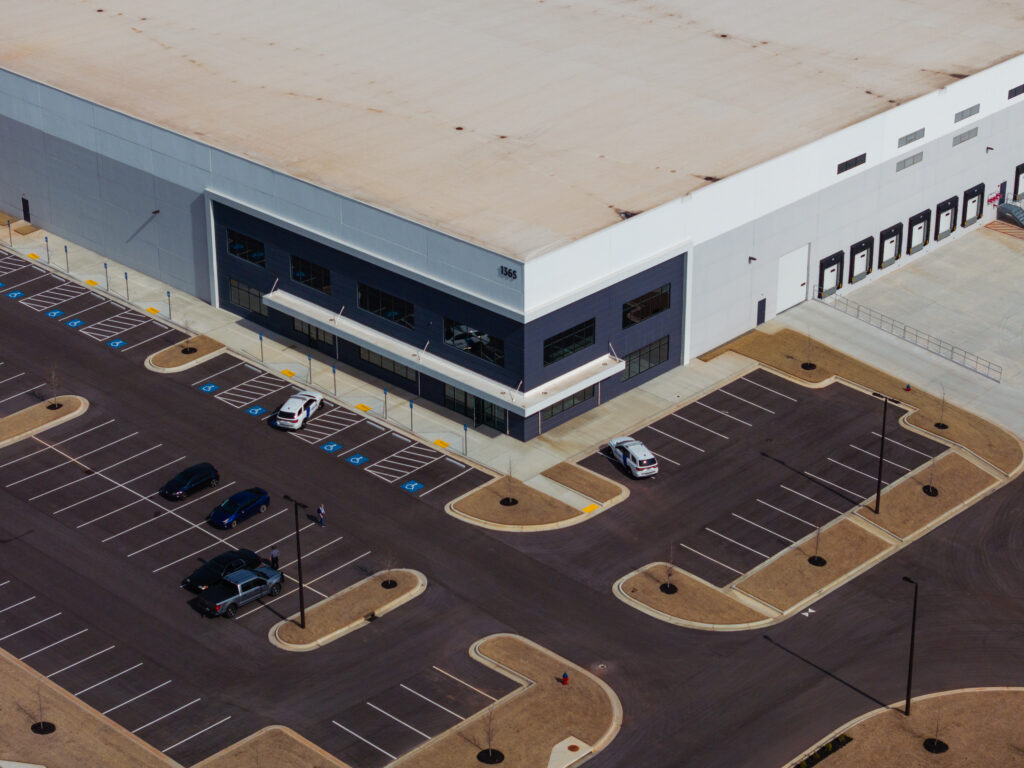
In recent weeks, ICE has spent more than $690 million acquiring at least eight industrial buildings in Maryland, Arizona, Georgia, Texas, Pennsylvania and Michigan, according to real estate deeds and internal ICE records reviewed by The Post. The agency has confirmed its interest in at least four additional buildings in Georgia, New Hampshire, New York and New Jersey, according to statements made by local officials in those places.
The government plans to hire contractors to carry out extensive renovations, turning vacant shells into holding facilities featuring lobbies, recreational space, dormitories, courtroom spaces and cafeterias. At a building ICE plans to acquire in Merrimack, New Hampshire, the agency expects to spend $158 million retrofitting the facility, according to an ICE economic impact assessmentAyotte posted to her website.
It’s not clear which companies will be hired to renovate and operate the new facilities. George Zoley, the founder and executive chairman of ICE detention contractor Geo Group, said on a quarterly earnings call with Wall Street analysts Thursday that his company wants to be supportive of the new initiative, but cautioned that renovating warehouses would be “more complicated than you may think.”
Geo Group once converted a warehouse into a holding center for 500 people about 30 years ago — nothing like the enormous size of the facilities being proposed now, Zoley said. “The operational implications of how you manage such a facility, particularly a large-scale facility, is going to be concerning,” Zoley said.
The Post previously reported that some warehouses are expected to accept detainees as soon as April. ICE appears to have given multiple deadlines for when it expects the centers to be operational, according to the overview document. The agency will “fully implement a new detention model” by Sept. 30 and will “activate” all facilities by Nov. 30.
Manchester Ink Link, a local news outlet, reported earlier on some of the details in the Manchester documents.
Details of the expensive warehouse renovation effort have come to light as Democratic lawmakers in Washington have blocked bills to fund DHS in an attempt to force lawmakers to include new restrictions on federal immigration agents. Though the federal government is hurtling toward a partial shutdown beginning this weekend, the closures would not impact ICE’s funding because Republicans sent the agency tens of billions of dollars last year — including a historic $45 billion for immigrant detention.
In several of the towns targeted for the project, local officials have said their water and sewer infrastructure would not be sufficient for a new facility holding thousands of people. For example, in Social Circle, Georgia, a town with a population of 5,000, the town is permitted to pump up to 1 million gallons of water per day, and for much of the year, its peak usage is already above 800,000 gallons, according to data the city’s manager shared with The Post.
In the project overview document, ICE says it reviewed the water supply at all of the proposed buildings, and found that “the capacities currently at the sites are sufficient to support the new facilities.” However, at the larger sites, the document said, “additional infrastructure” would be needed to support wastewater systems, and “numerous solutions” will be implemented. The document did not providing any more details.
Federally owned real estate is often exempt from local permitting and zoning rules, but elected officials in some of the locations have pressed DHS to adhere to these requirements anyway. The detention plan overview states that the department will comply with the National Environmental Policy Act, federal law that requires environmental review of federal real estate projects before they can be built.
DHS is pitching the New Hampshire project as “a major economic investment” that will help create 1,252 jobs during renovations and 265 jobs each year of operation, according to the economic impact document. The department said it expects to spend $146 million on the first three years of the facility’s operation.
The analysis for New Hampshire contained what appeared to be a copy-and-paste error in describing “ripple effects to the Oklahoma economy.” ICE’s plans to buy a warehouse in Oklahoma City were scrapped last month, after the building’s owner decided not to sell.
At least two other proposed deals — in Kansas City, Missouri, and in Virginia — have also fallen through.
These cancellations have revealed how the agency has pursued the projects. The owner of the Kansas City warehouse, a firm called Platform Ventures, said Thursday that it had begun negotiating a deal to sell its warehouse after being approached by a “third-party private enterprise” that it did not name.
Platform Ventures said it learned DHS was the buyer only once the deal got closer. When the public also learned about the buyer, the city council quickly passed a five-year ban on all new nonmunicipal detention facilities. The company said Thursday that it exited negotiations because it said “the terms no longer met our fiduciary requirements for a timely closing.”
The federal government also plans to take ownership of 10 existing detention centers where ICE currently operates in buildings owned by private contractors or local governments, the overview document said, without providing more detail.
These facilities, combined with the new warehouses, would accommodate a total of 92,600 detainees at a time, the documents said.
Aaron Schaffer contributed to this report.
The post ICE plans to spend $38.3 billion turning warehouses into detention centers appeared first on Washington Post.