You’re reading The Checkup With Dr. Wen, a newsletter on how to navigate medical and public health challenges. Click here to get the full newsletter in your inbox, including answers to reader questions and a summary of new scientific research.
Many readers praised the American Academy of Pediatricsfor issuing its own childhood immunization guidance after federal health officials stopped broadly recommending key vaccines for children. Bruce, a family physician from Ohio, wrote that the AAP’s guidance, now endorsed by 12 other major medical organizations, gives him the professional backing he needs to continue advocating the shots.
“I intend to follow evidence-based practice,” he said. “The science hasn’t changed, and neither has the fact that vaccines protect kids from serious illness.”
Other readers raised a different but related concern: where to turn for vaccine guidance themselves.
“I no longer trust [the Centers for Disease Control and Prevention],” wrote Jennifer from Maryland. “So how about us adults? Where are we supposed to go to find reliable information about which vaccines to get?”
Several months ago, I used this newsletter to outline where readers can find independent, credible medical guidance. In addition to those resources, I want to highlight the American College of Physicians. ACP represents more than 162,000 internal medicine physicians, subspecialists and trainees, and it plays a central role in setting evidence-based standards for adult care, including vaccination.
The ACP has long worked closely with the CDC. For years, federal vaccine recommendations were reviewed and endorsed by the ACP, including the most recent guidance issued in 2025.
That’s no longer the case, said ACP President Jason M. Goldman. An internist in private practice in Florida, he called what is happening with the CDC “absolutely horrifying.”
“I never thought in my lifetime [that] I have to say we can’t trust the recommendations coming out of the CDC, which was always the gold standard for the world,” he said.
Last year, the ACP took the highly unusual step of posting the CDC’s adult vaccine recommendations directly on its own website in case those guidelines were later altered or withdrawn. That decision speaks volumes. Though adult vaccination guidance has not yet been undermined in the way that childhood immunizations have, I think it is useful for people to reference that guidance, which CDC scientists developed through rigorous, transparent reviews and that leading medical organizations unanimously endorsed.
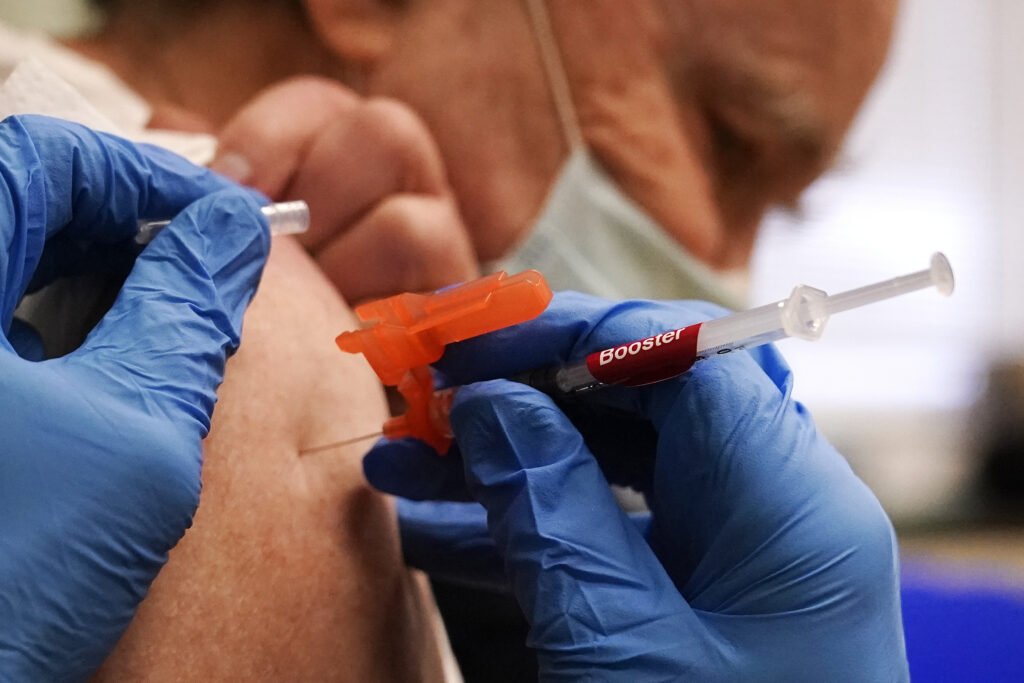
The first part of the recommendations focuses on vaccines for common respiratory illnesses. All adults should receive a flu shot every year. Adults 75 and older, as well as those ages 60 to 74 with certain chronic medical conditions, should get the respiratory syncytial virus vaccine. Everyone is eligible for one dose of the updated covid-19 vaccine, and adults 65 and older should receive two doses.
Other adult vaccine recommendations depend on age, health status and prior exposure. For instance, the shingles vaccine and pneumococcal pneumonia vaccines are recommended for everyone age 50 and older. In some circumstances, younger people could benefit as well. Those who are unsure whether they were previously vaccinated against measles, mumps or rubella may need that vaccine. Everyone should also receive a tetanus and diphtheria booster every 10 years.
Certain medical conditions, such as chronic liver disease or diabetes, can make additional vaccines advisable. There are also specific recommendations during pregnancy, including vaccines for RSV and whooping cough, which help pass protective antibodies to the baby.
Taken together, these recommendations can seem complex. That’s why everyone should review their vaccination history and risk factors with their primary care physician, who can tailor guidance to their individual circumstances. Resources like the ACP’s adult vaccine recommendations can help support those conversations and offer reliable reference for patients and clinicians to navigate these decisions together.
Goldman praised the AAP for issuing its own pediatric vaccine recommendations and said the ACP is doing the same for adults by convening experts and applying rigorous scientific standards to develop clinical guidance. But even as he expresses confidence in medical societies stepping up, he insists this shouldn’t be necessary.
“We need a centralized, reliable organization,” he said. “We need to go back to a legitimate, transparent, evidence-based recommendation process through a trusted agency, without political interference.”
I agree. In the absence of credible federal leadership, it is reassuring to see physician organizations and state health departments stepping in to provide clarity and trusted guidance. But the forces against them are formidable. The CDC’s advisory committee on vaccines is set to meet later this month, and no one should be surprised if more vital vaccines — including those for adults — are on the chopping block.
The post Where to find evidence-based adult vaccine recommendations appeared first on Washington Post.