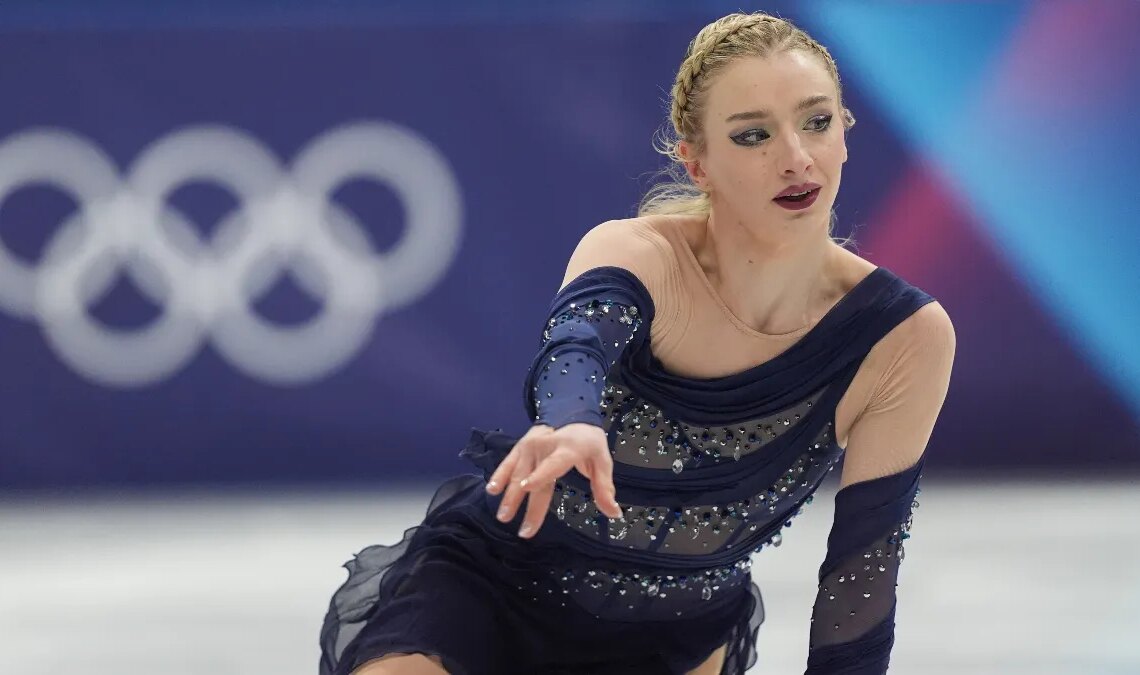
On February 8, 2026, Canadian artist Seb McKinnon publicly questioned the use of his song “The Return” after learning U.S. Olympic figure skater Amber Glenn choreographed her free skate to the track. McKinnon posted on X/Twitter, claiming Glenn used the song “without permission” and that it “aired all over the world.” He then asked, “What? Is that usual practice for the Olympics?”
What McKinnon’s query reveals is a fundamental breakdown in the world of music copyright. The reality of the situation is that Glenn has been skating the same choreography for two seasons. There’s also no point in which the Olympic Games would allow a skater to use music they didn’t have authorization for.
A similar situation unfolded previously when Spanish figure skater Tomas-Llorenc Guarino Sabate was told he didn’t have permission for his music. Sabate’s routine was a unique Minions theme, using a medley of songs from the Despicable Me films. He initially took to social media to share the news that he wouldn’t be able to perform his original routine at the Olympics. But fans showed overwhelming support, which led Universal Studios to grant the rights to use Pharrell Williams’ “Freedom”.
Olympic Figure Skating Routines Shine Spotlight On Music Copyright Issues
Amber Glenn and Seb McKinnon later resolved the perceived copyright issue regarding McKinnon’s track. He also posted congratulations to Glenn on her team’s gold medal. Meanwhile, Glenn released a statement to clear up any speculation.
“The issue of music rights can be complex and confusing, and it seems like there was a hiccup somewhere in that process,” she wrote. “I’m glad we were able to clear things up, and I’m excited about the possibility of collaborating with Seb moving forward.”
The Olympic governing bodies, like the International Skating Union, can prevent copyrighted music from being used in skating routines. But they aren’t actually in charge of the approval process. Allegedly, it’s on the skaters and their teams to get permission. However, the organizations within the Olympics typically provide resources and information on who to contact.
In Amber Glenn’s case, it’s unclear where the breakdown in communication occurred. Spectators online have posited that McKinnon’s team possibly didn’t make him aware that Glenn was using his music with permission. In that case, it may have seemed like Glenn was skating to his song without approval. Others claimed that McKinnon should have contacted his record label or learned about music licensing before calling out Amber Glenn on a public platform before she performed at the Olympics.
The shift from public domain music happened in 2014, when the ISU permitted skaters to use copyrighted songs with lyrics. As a result, U.S. Figure Skating has licenses with ASCAP and BMI to provide U.S. skaters with music for their routines.
Katherine Hill, Amber Glenn’s free skate choreographer, told Yahoo Sports that copyright permissions are handled “pretty early in the process” for skaters. “We’re trying our best to make sure that approvals are there,” she said. “You want to make sure that boxes are checked. It’s definitely part of the conversation.”
Photo by Jiang Qiming/China News Service/VCG via Getty Images
The post Miscommunication Between Artist and Olympic Figure Skater Highlights the Mess of Music Copyright appeared first on VICE.