Greenland is believed to hold significant deposits of critical raw materials, including valuable rare-earth elements. Mining them, however, is another story.
Harsh Arctic conditions, limited infrastructure, and strict environmental regulations are among the many factors that make mining in Greenland so difficult and costly.
In fact, Greenland has more than 1,200 identified mineral sites, but only one fully operational mine — Lumina Sustainable Materials in Western Greenland.
Lumina extracts anorthosite, which is not a rare-earth metal, but the mine’s ability to function year-round serves as a blueprint for advancing Greenland’s mining operations.
For now, China produces most of the world’s rare earths, a group of 17 metals essential for building electronics and military equipment such as fighter jets and missiles.
While President Donald Trump has repeatedly expressed his desire to acquire Greenland for its strategic Arctic location to bolster national and international security, Greenland’s untapped supply of rare earths would also prove valuable to US interests.
However, just because those resources are there doesn’t mean they’re readily extractable.
Business Insider visited Lumina in June to explore why Greenland remains such a difficult place to mine — and what life is like for miners in one of the toughest environments on Earth.
See our trip to Greenland in the video below. Keep reading for an inside look at Lumina.
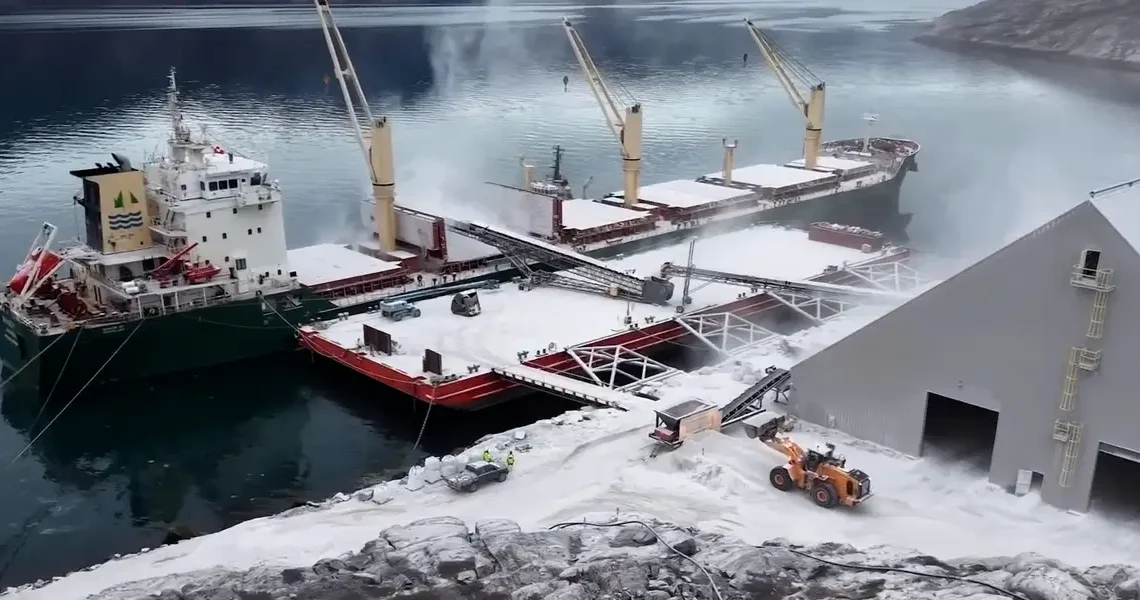
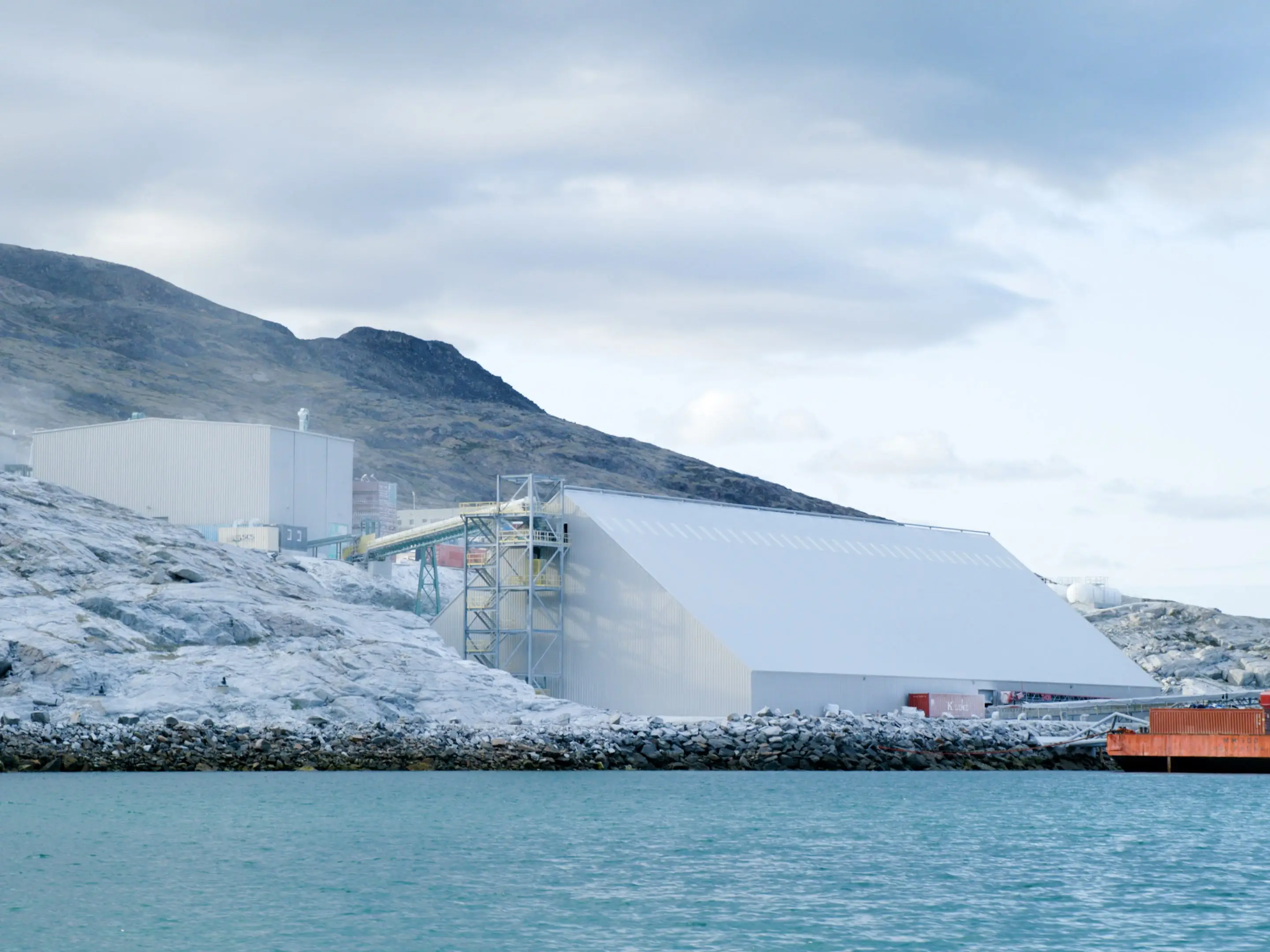
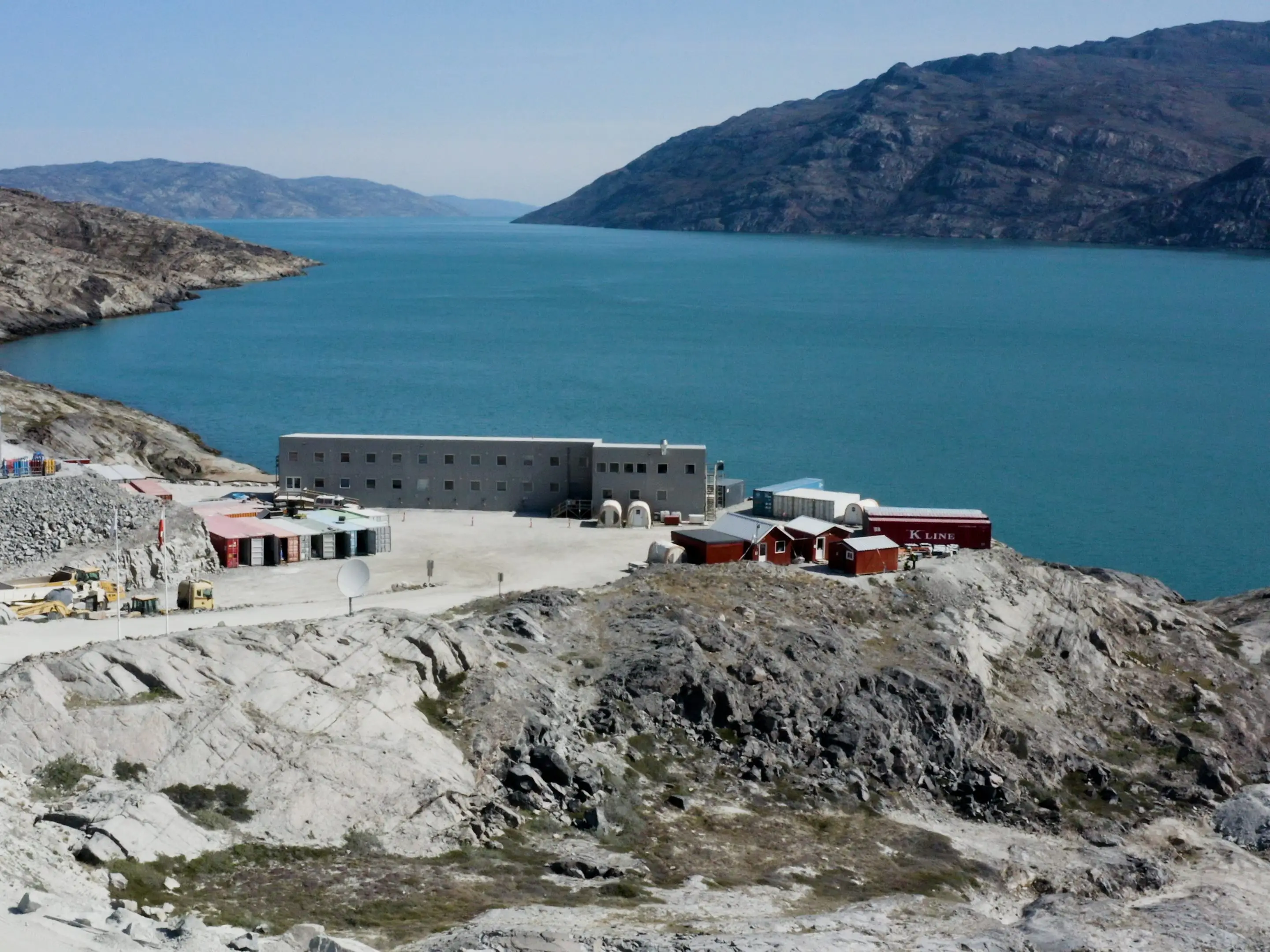
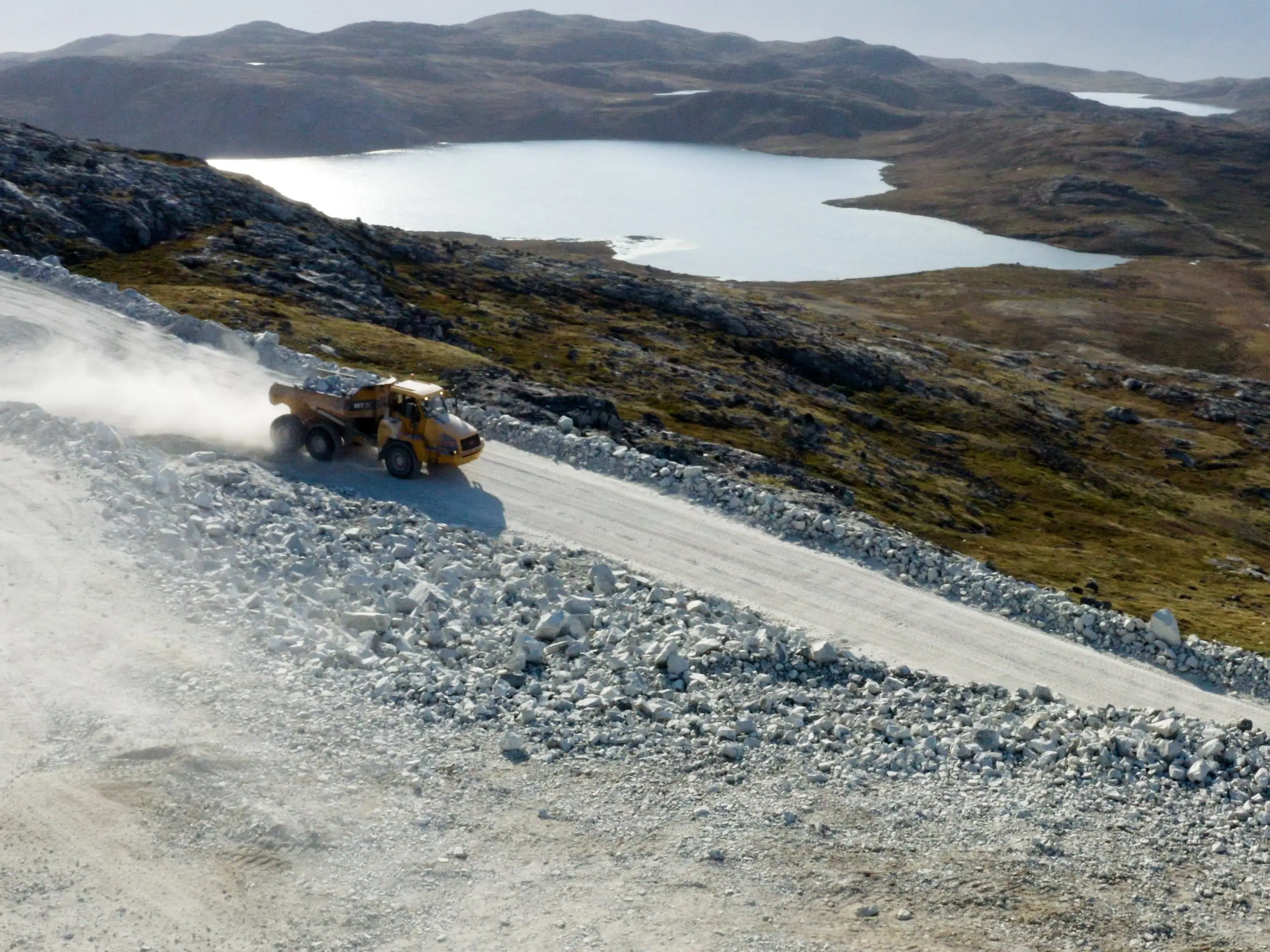
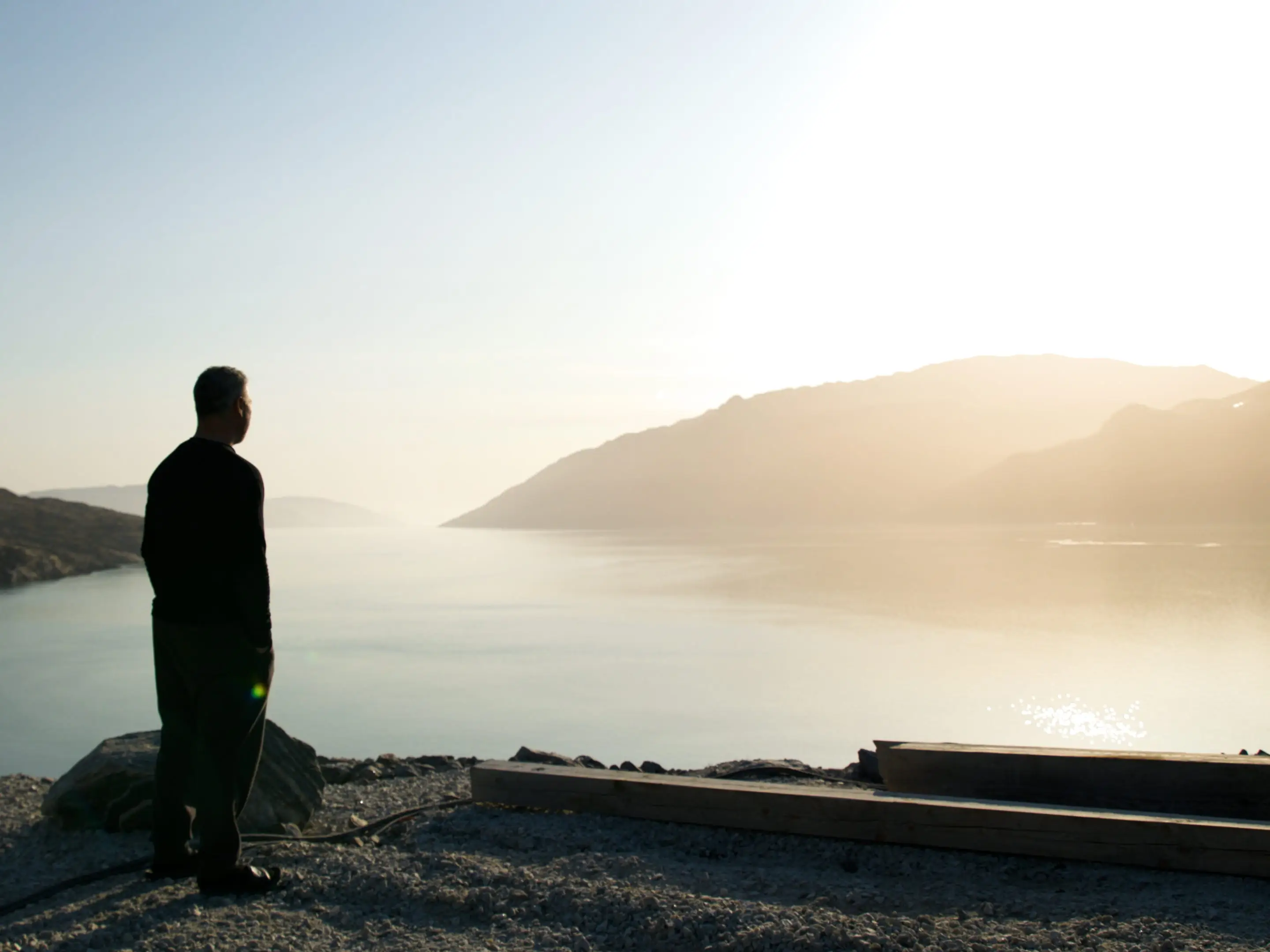
Greenland’s only fully operational mine, Lumina, is located in the remote Qaqortorsuaq mountain in Western Greenland.
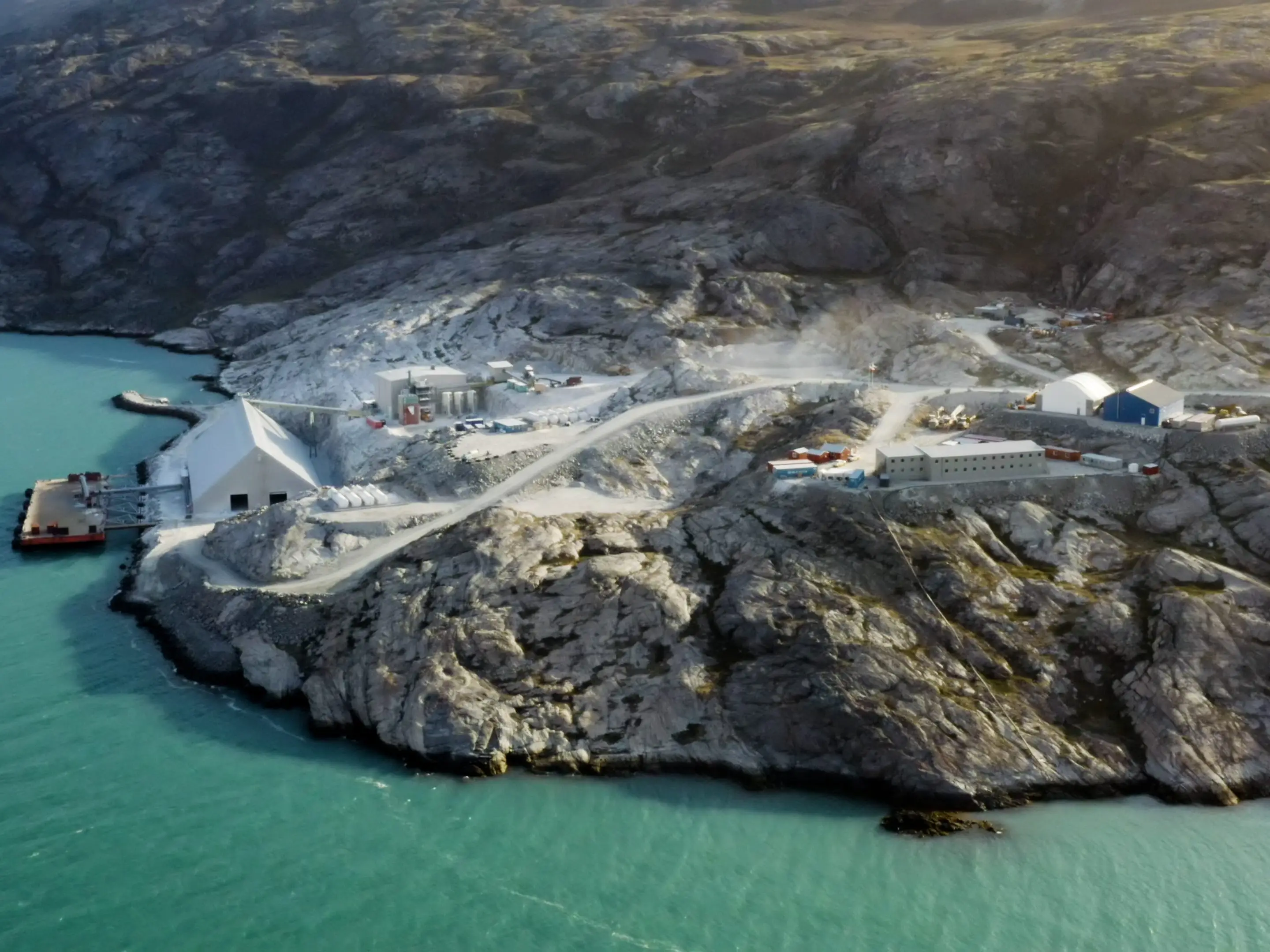
It’s accessible only by helicopter or an 8-hour boat ride from Greenland’s capital city, Nuuk.
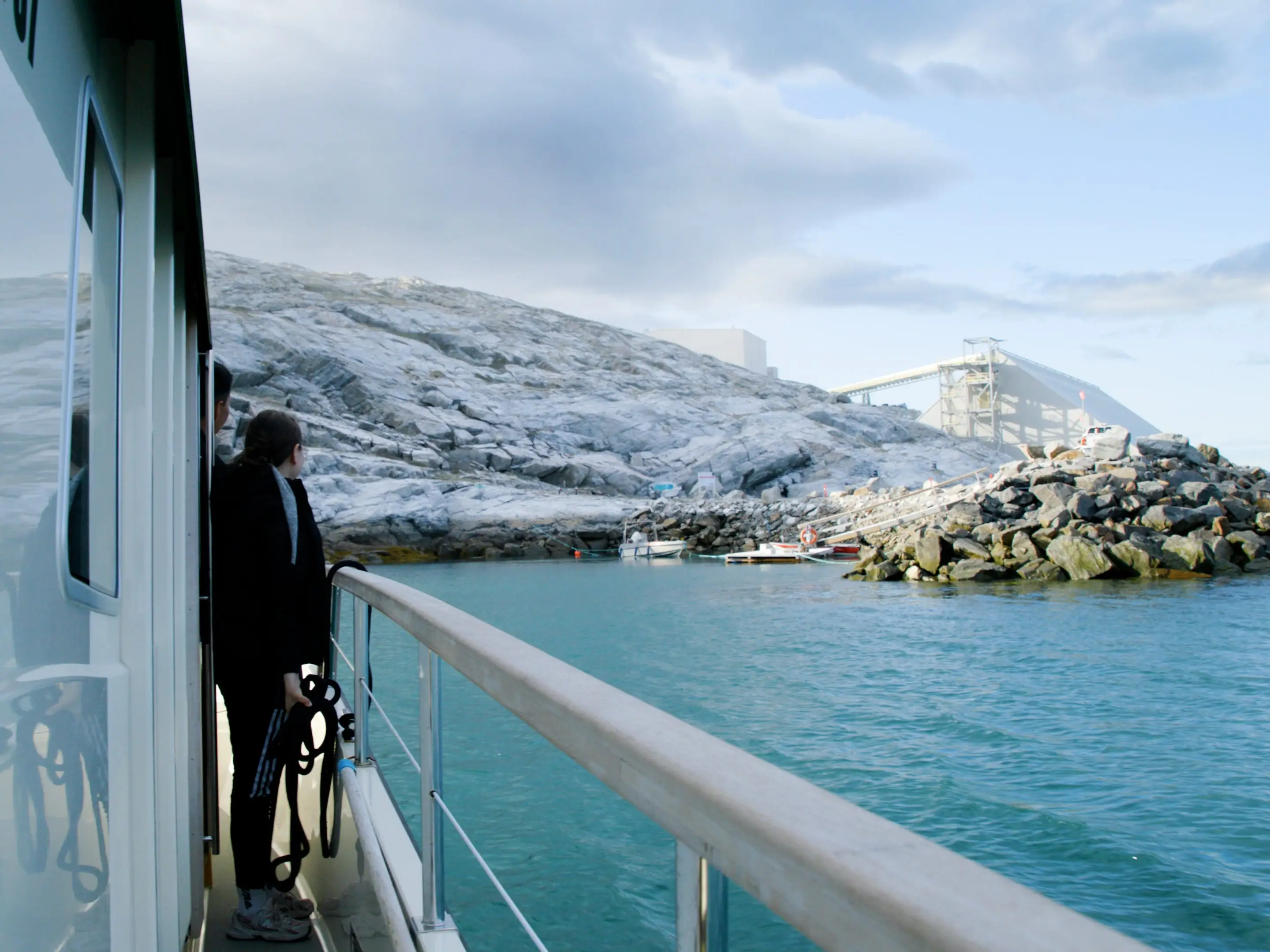
“The mine is totally isolated,” managing director Bent Olsvig Jensen told Business Insider. “There’s no infrastructure supporting us.”
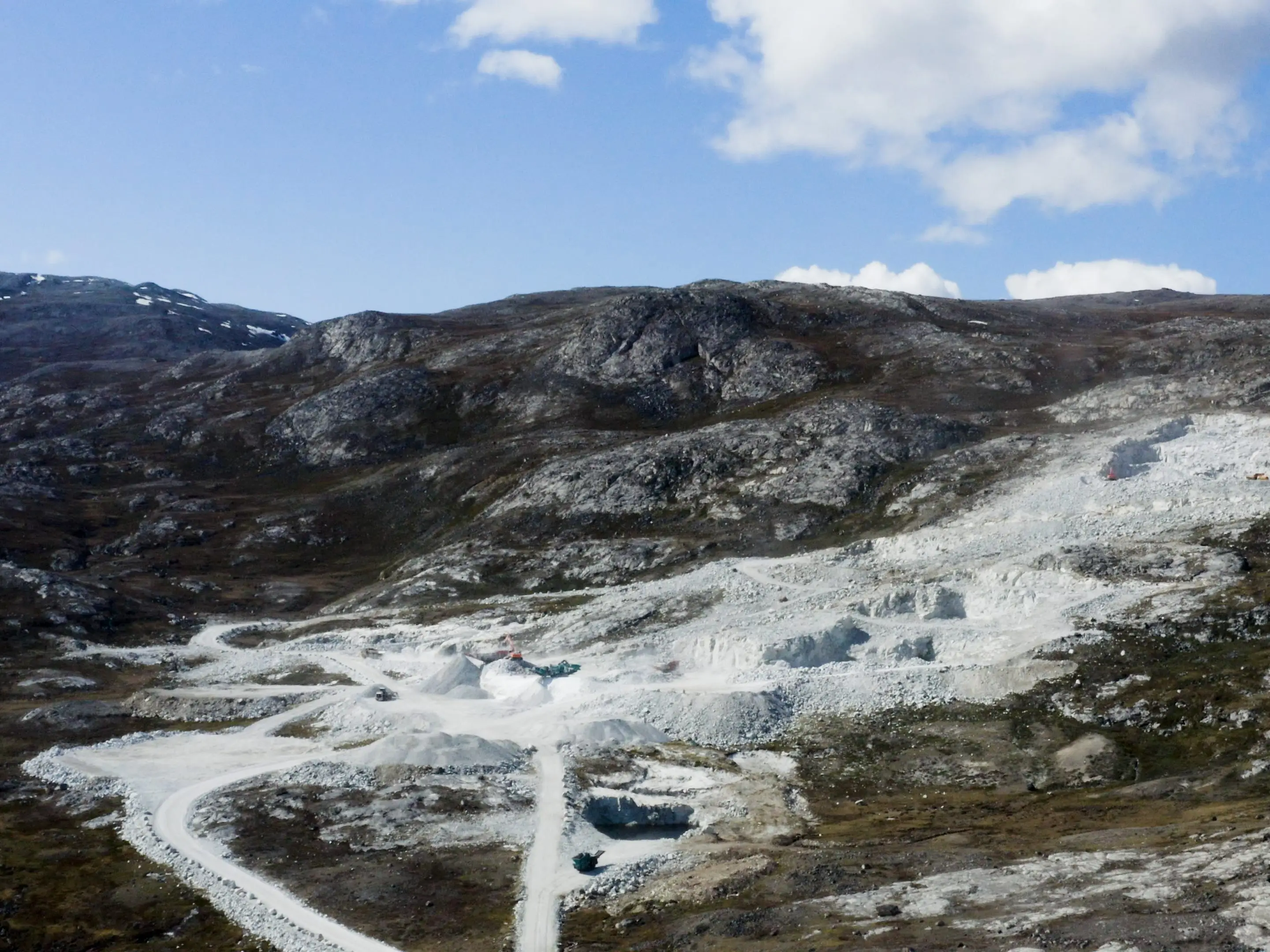
Lumina first began looking for minerals in 2008, but the mine didn’t become fully operational until 11 years later, in 2019.
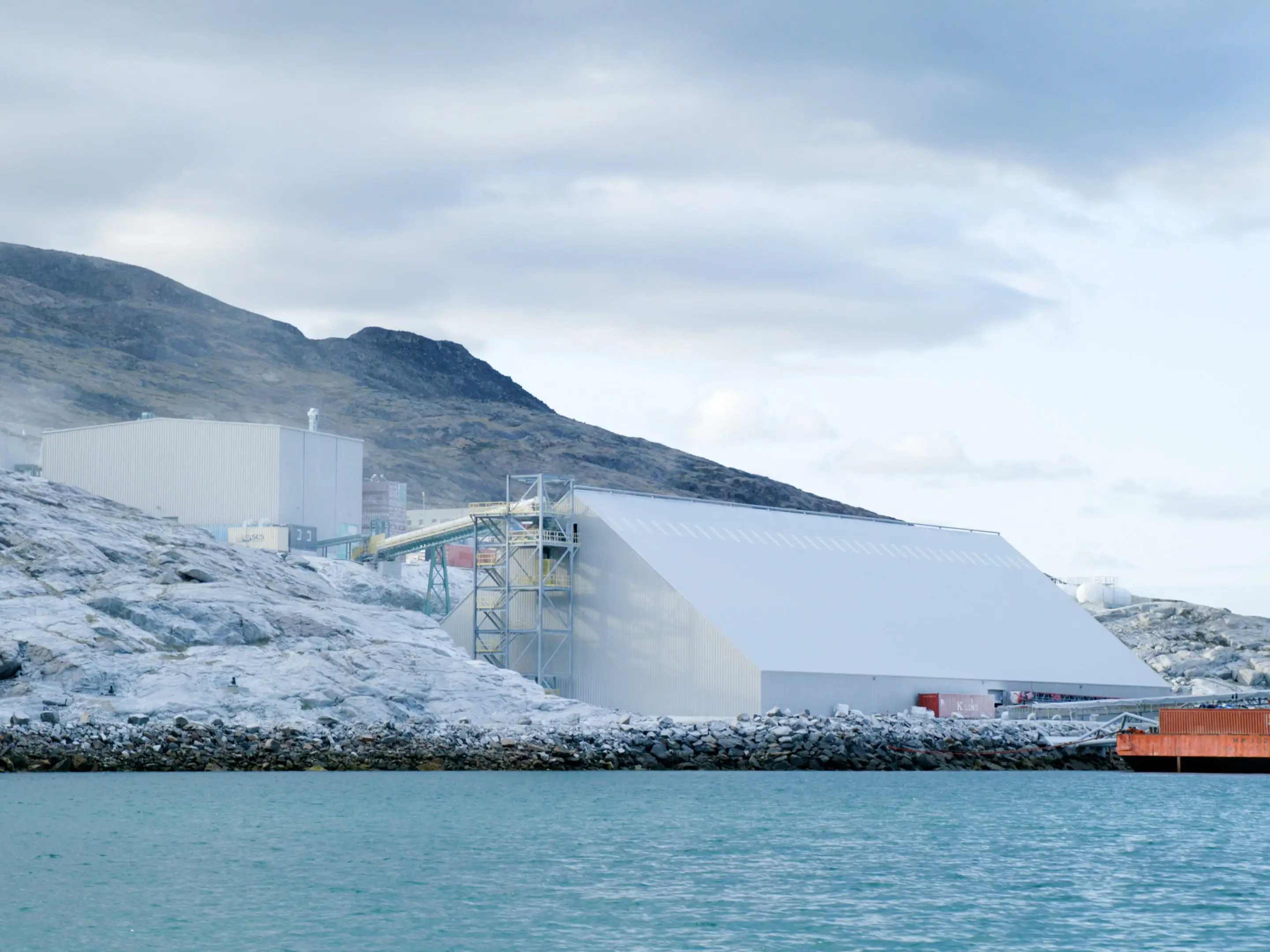
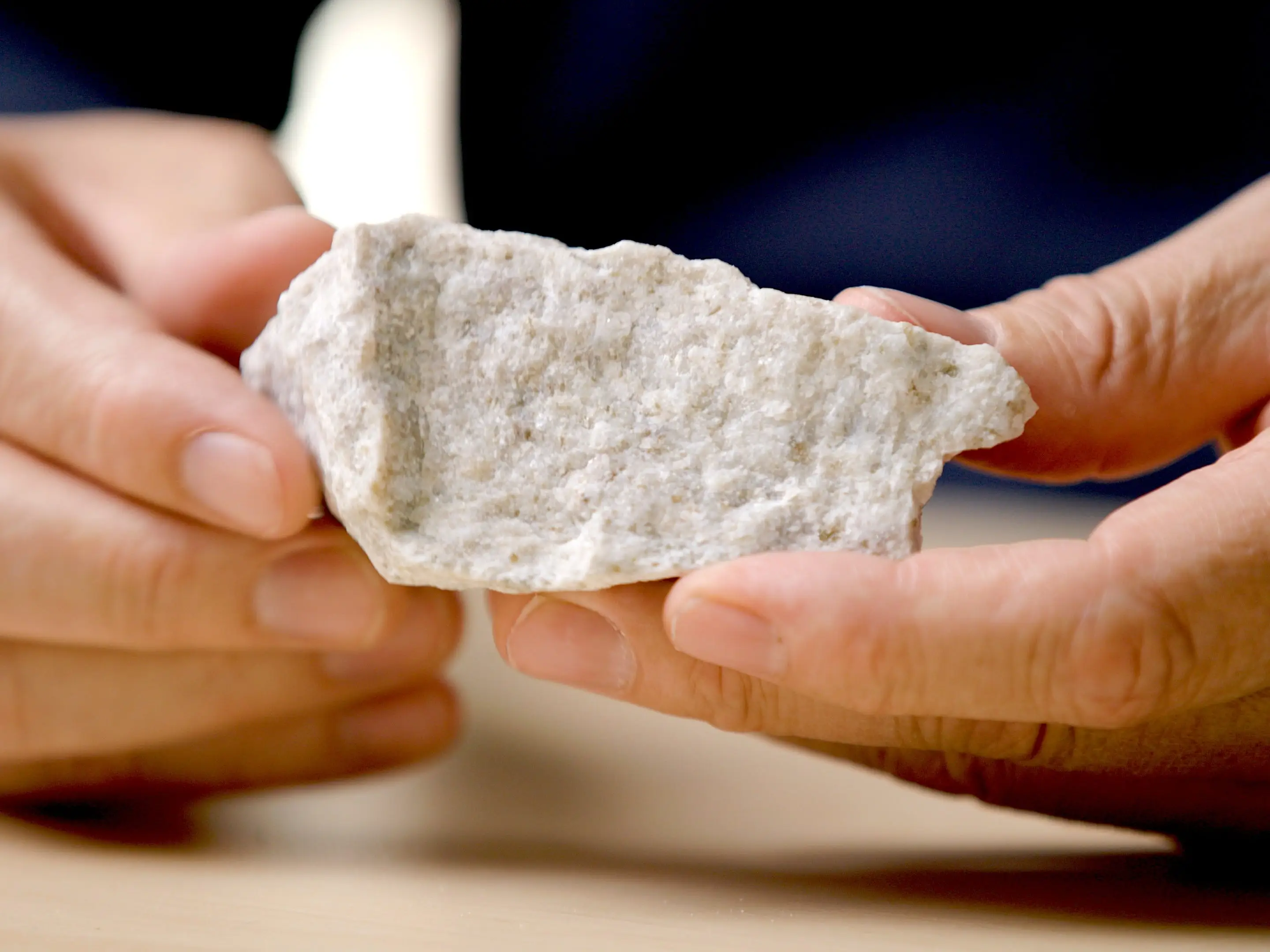
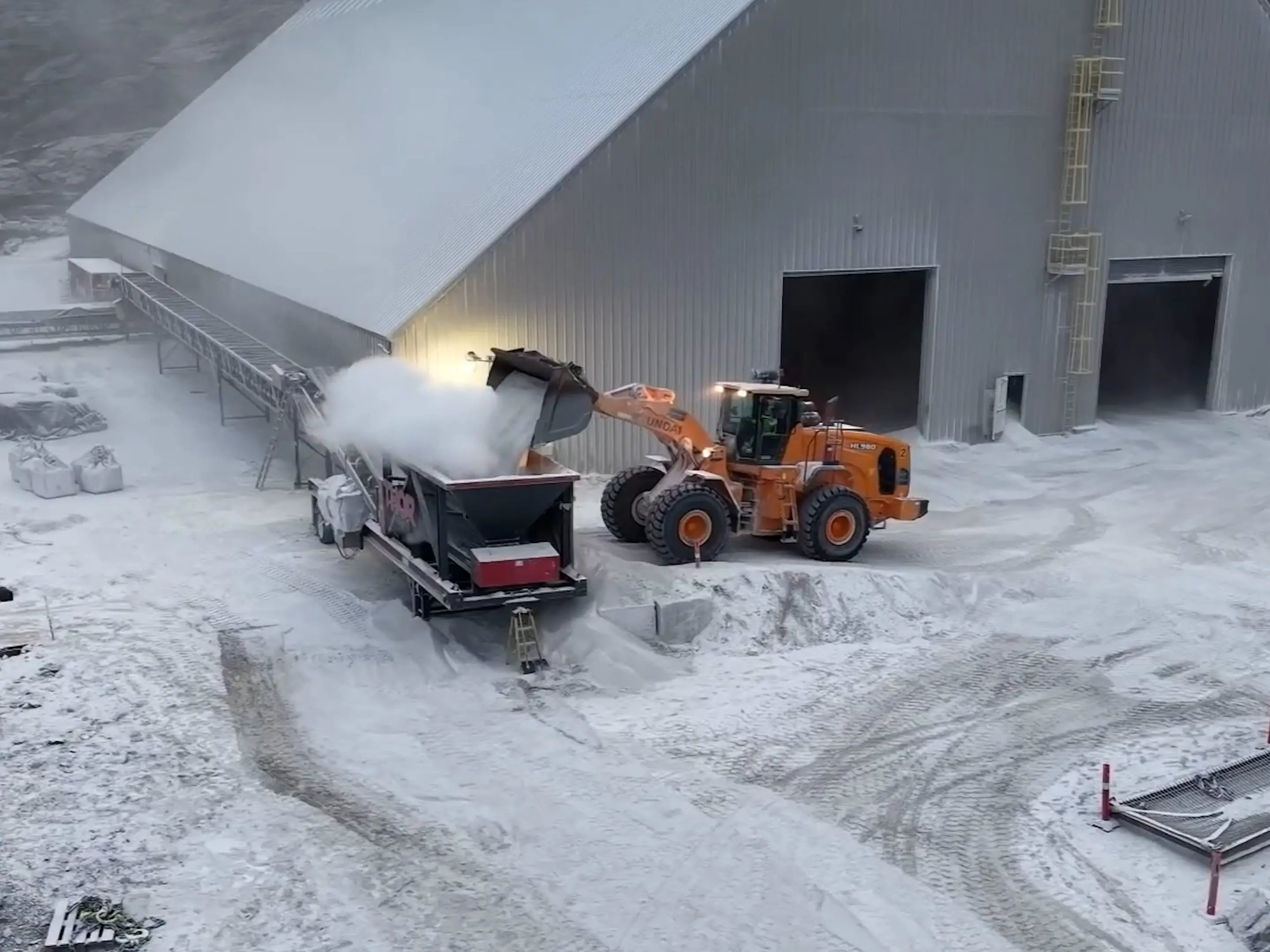
Lumina extracts anorthosite, a rock that contains minerals used in paints, glass fibers, and construction materials.
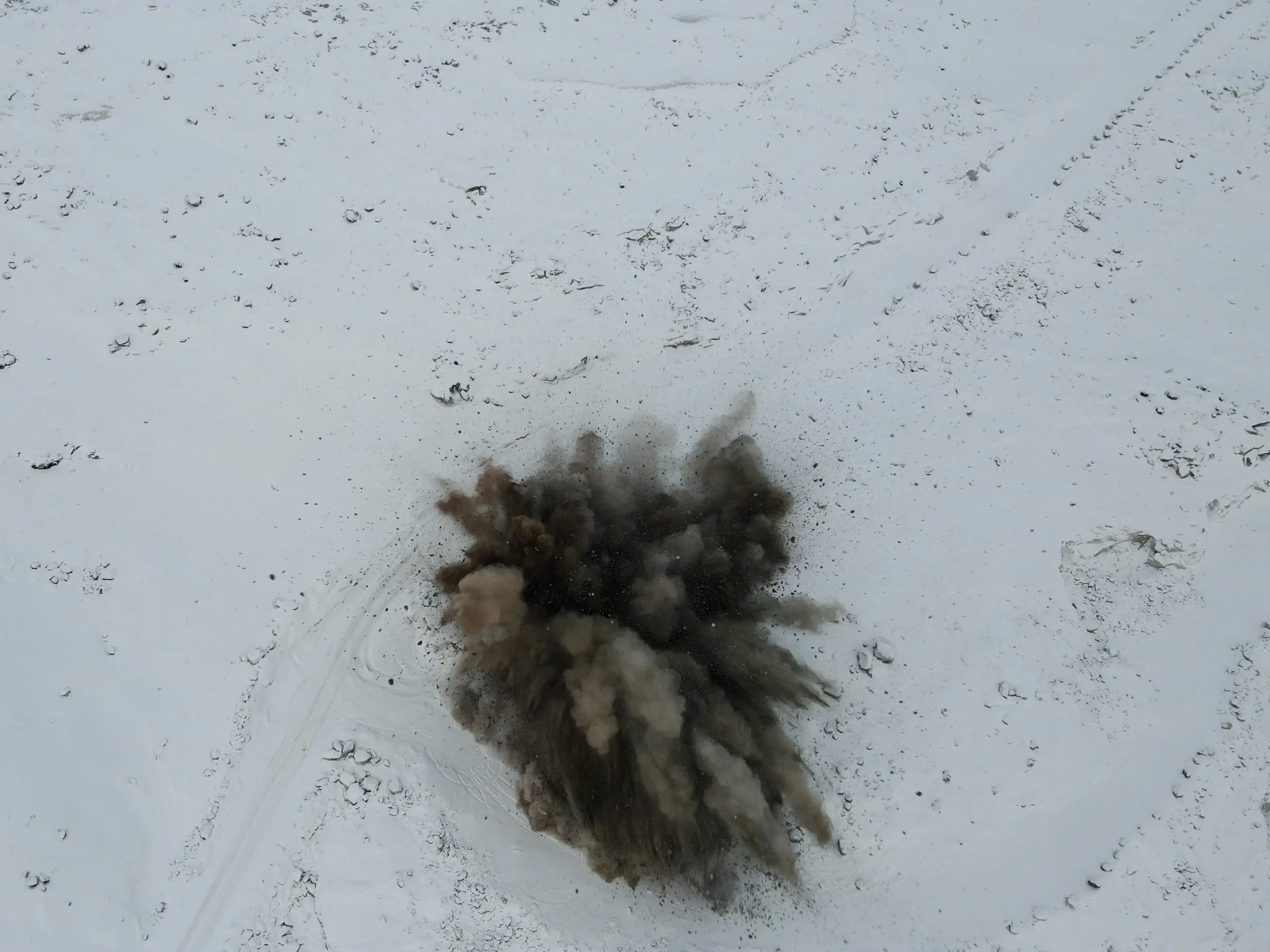
The process involves blasting 10,000 tons of explosives at a time to fragment the hard rock into manageable pieces.
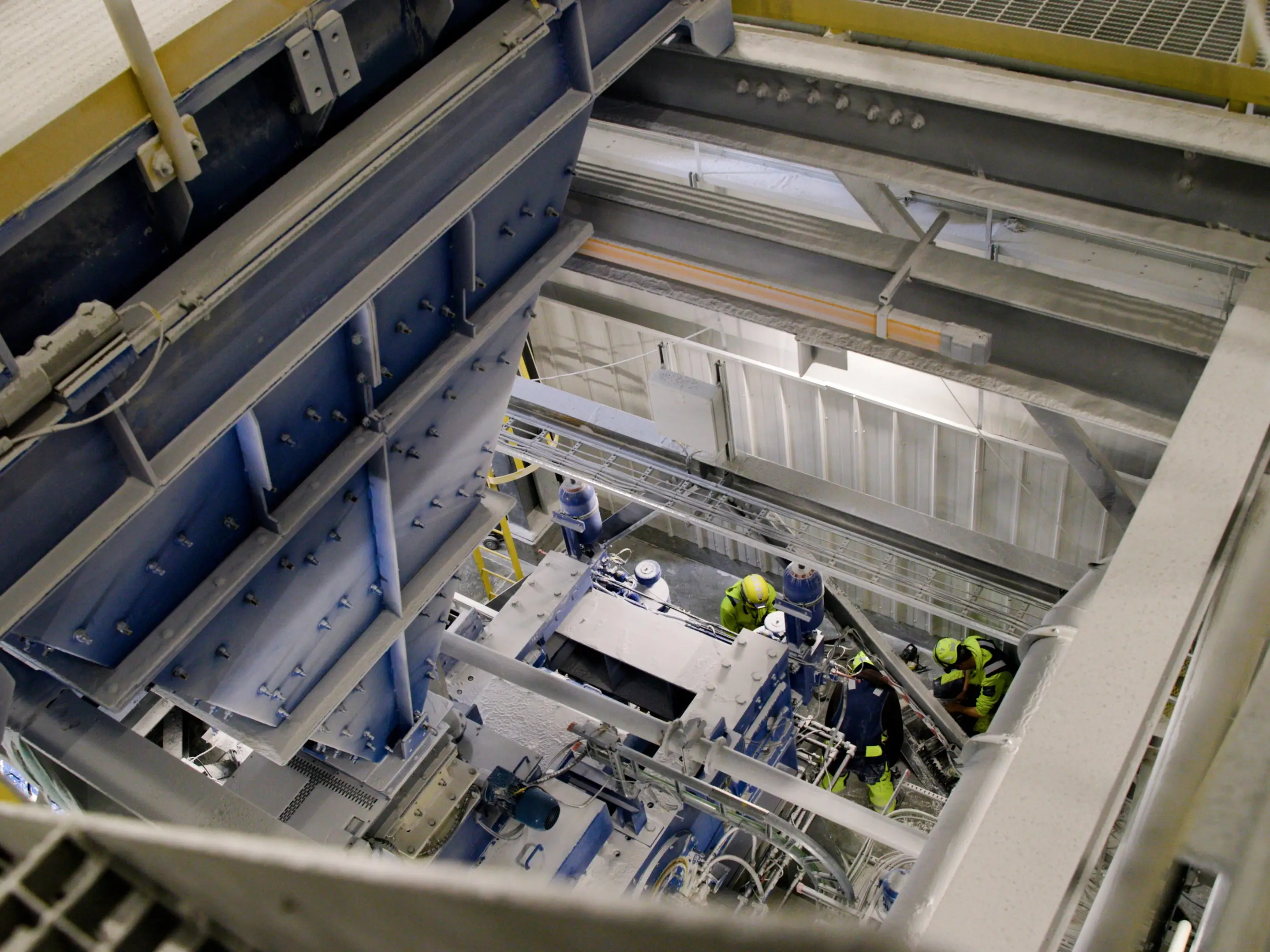
Because the mine is so remote, replacing a critical piece of equipment can take days or even weeks if it’s not readily available — and sometimes means the operation has to pause.
Miners work seven days a week, 12 hours a day, on four-week rotations, meaning they spend half the year at the mine and half at home.
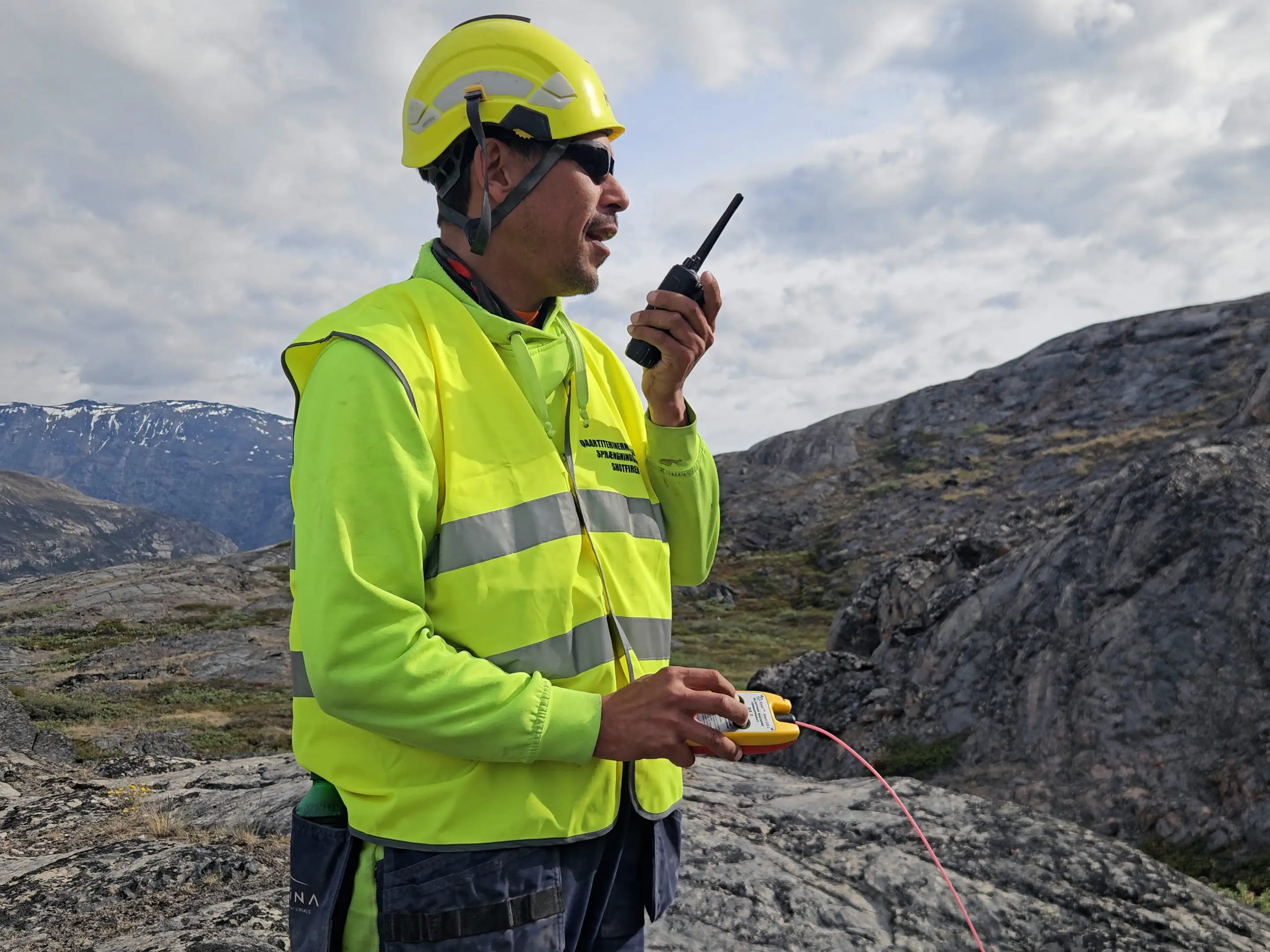
Temperatures at the mine can drop to -30 degrees Celsius, or around -22 degrees Fahrenheit. Winter storms and winds can force production to halt for the miners’ safety.
They live on-site at Lumina’s base camp.
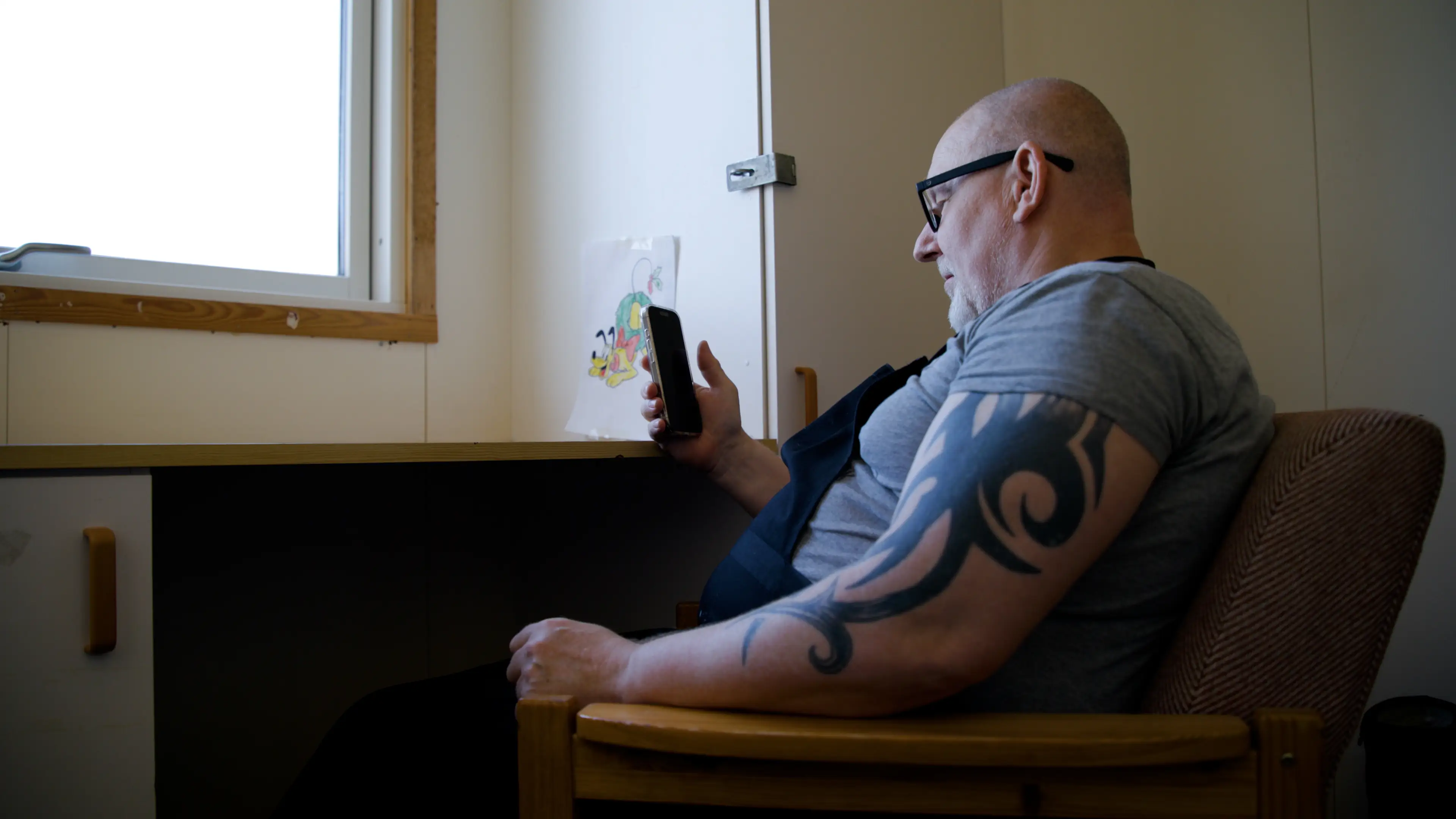
Each miner’s room has its own bathroom with a shower, a desk, a closet, and curtains to block out the midnight sun in the summertime.
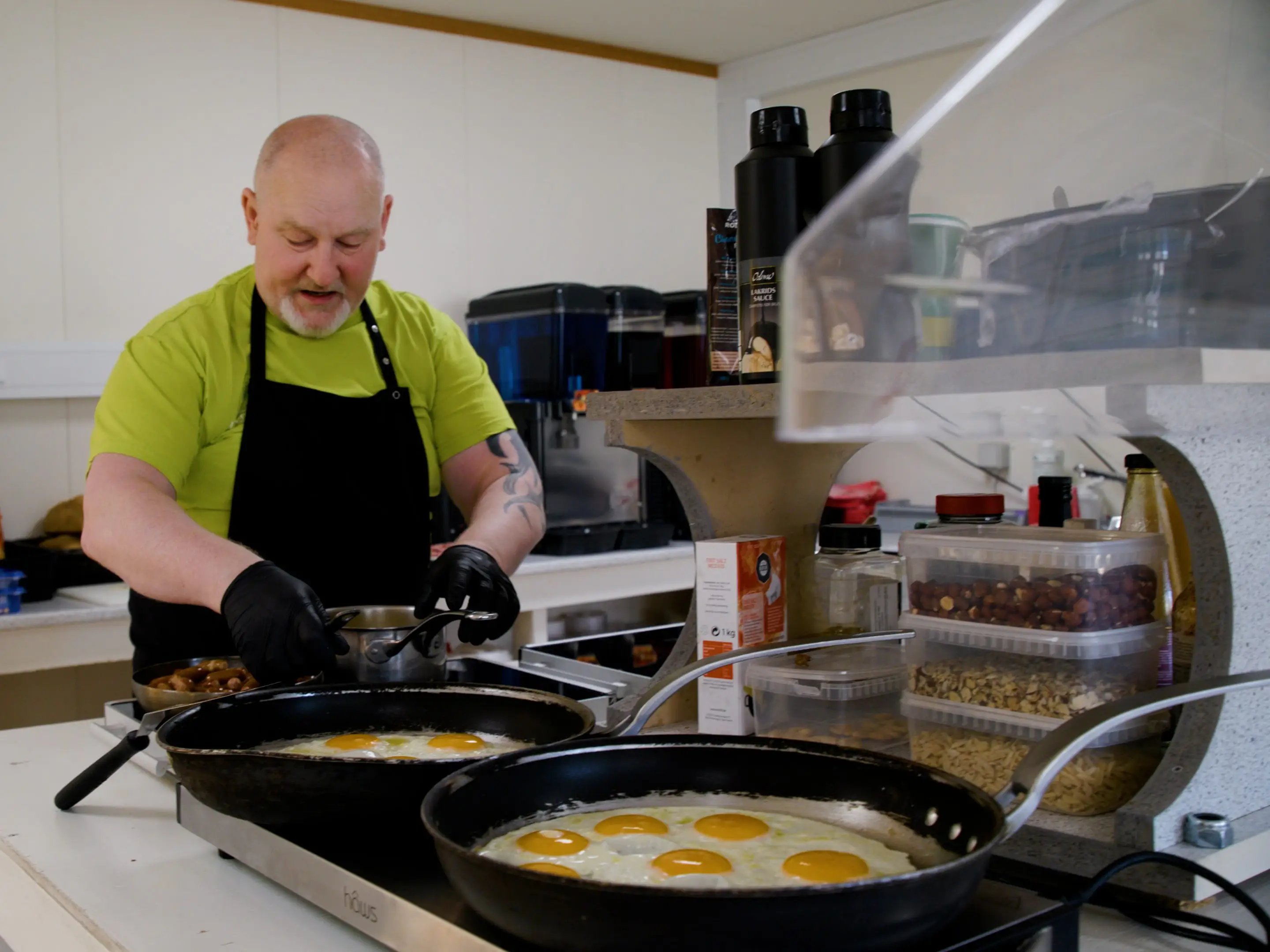
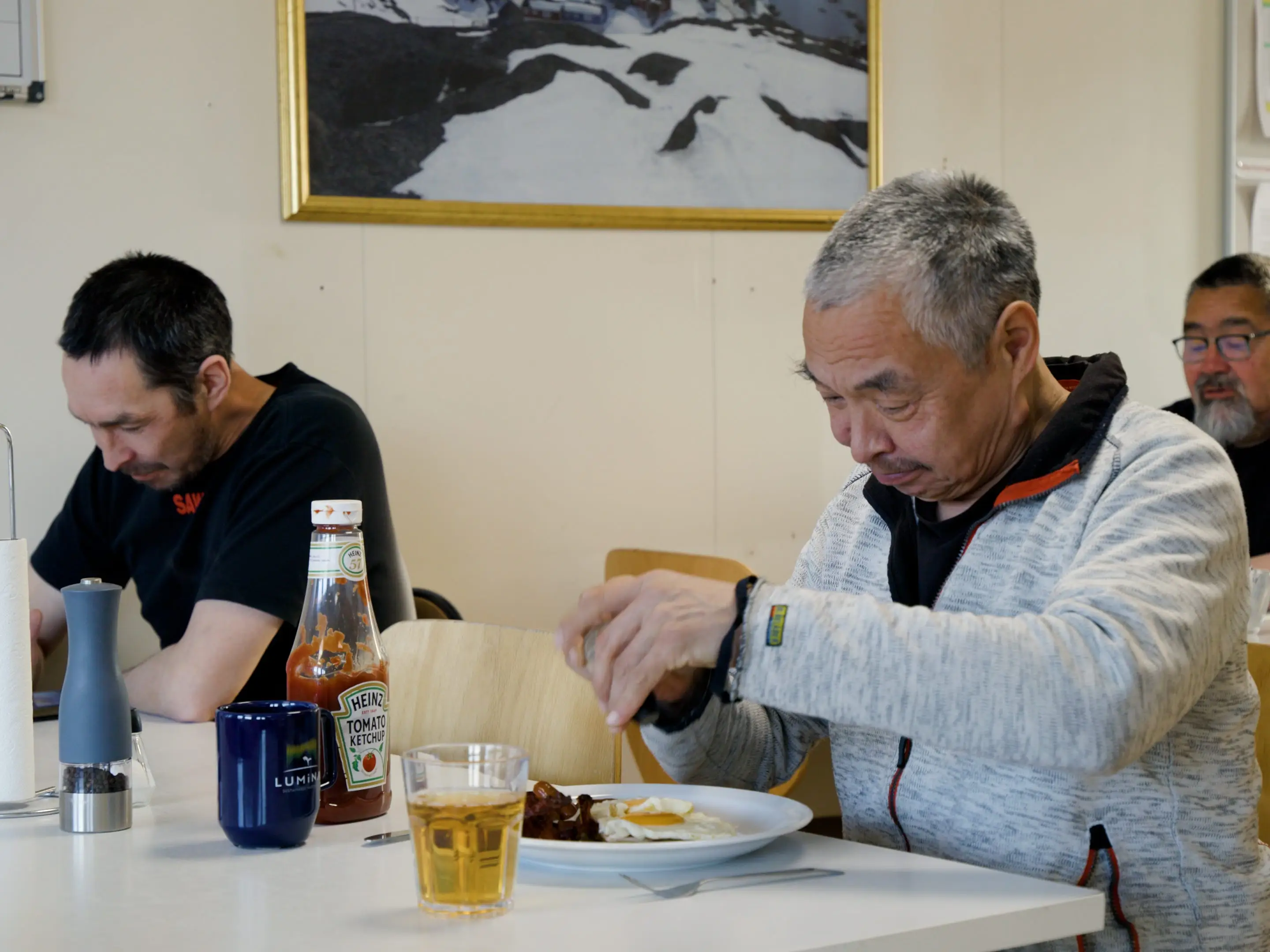
Chef Palle Dyg Koch prepares meals for the 25 people living and working at the mine.
Miners eat in shifts in Lumina’s dining hall.
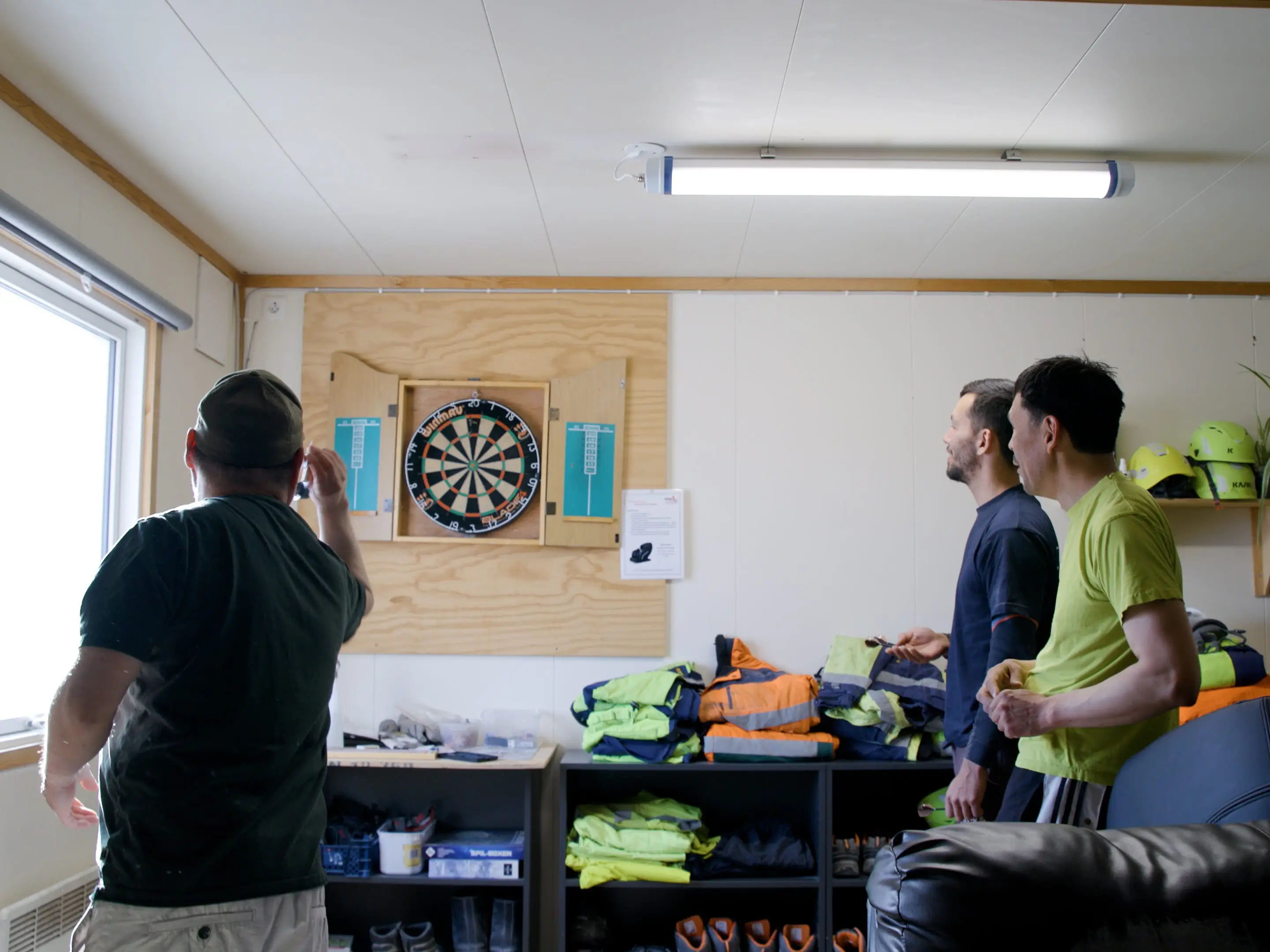
There’s also a common living area where workers enjoy playing darts.
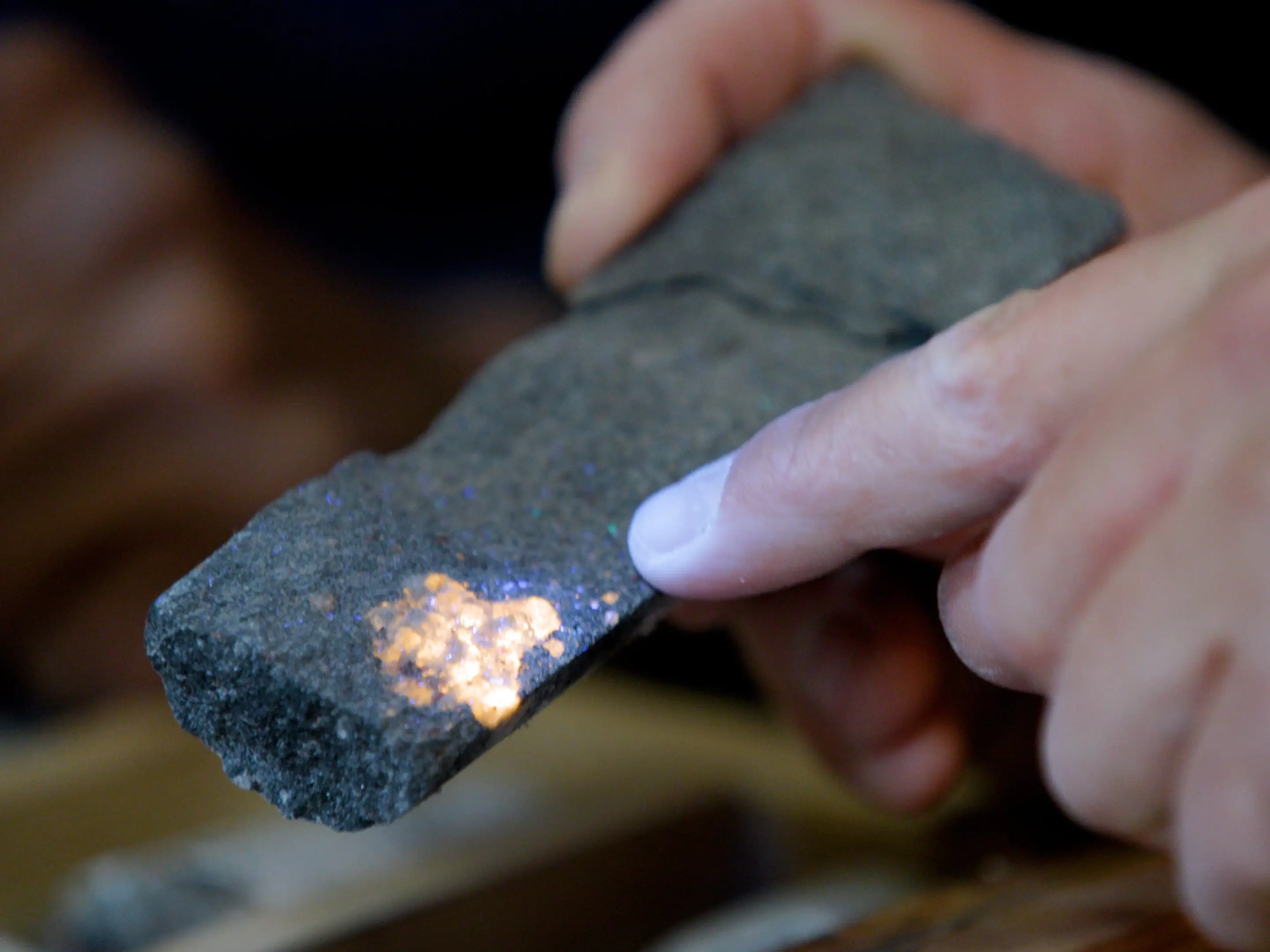
In 2025, Lumina secured the necessary license to conduct expeditions to search for rare earths, which are difficult to extract and process because they’re often mixed with other minerals.
More difficult to mine than anorthosite, rare earths are also more valuable as materials crucial to powering electronic devices and military technology.
As valuable as its mineral reserves are, Greenland is also home to about 56,000 people, some of whom worry about the environmental implications of a mining gold rush.
Read the original article on Business Insider
The post Take a look inside Greenland’s only fully operational mine, where miners live half the year and brave Arctic conditions appeared first on Business Insider.