Scouted selects products independently. If you purchase something from our posts, we may earn a small commission.
Growth factors have become one of the buzziest ingredients in skincare over the last few years. Some experts even tout growth factor–infused formulas as an irritation-free alternative to retinoids. After using tretinoin on my sensitive skin for several months, I experienced serious barrier damage that I’m still working to repair—so the promise of a gentler, reparative option is understandably appealing.
Growth factor serums are designed to support the skin’s natural healing process and help address irritation and damage (Osmosis Beauty’s StemFactor Serum is my go-to). But like most potent skincare ingredients, they aren’t necessarily 100 percent side-effect-free. Master organic aesthetician Katie Sobelman recently told me that it’s important to approach them with caution.
The rise of growth factors in skincare
“Growth factors are helpful anti-aging ingredients that can promote wound healing, reduce inflammation, improve skin texture and tone, and stimulate fibroblast activity,” she explains. “However, it’s important to be discerning when adding them into your skincare routine. The same mechanism that increases collagen in the skin activates an intracellular signaling cascade that inevitably stimulates cell proliferation.”
In other words, if unhealthy or cancerous cells are present, growth factors may also encourage their growth through this same process.
Why sourcing matters
Sobelman emphasizes that not all growth factors are created equal—and sourcing is a major concern. Growth factors can be derived from human or animal sources, and not all brands are transparent about where theirs come from.
“Human- and animal-derived growth factors are the most bioavailable and rich in a variety of signaling molecules,” Sobelman says. “Human-derived growth factors made in a lab (recombinant) are often considered the safest option. In contrast, growth factors from cultured stem cells can lack sourcing transparency and carry a potential risk of immune reactivity,” she says.
Animal-derived growth factors may also raise ethical concerns, making ingredient origin an important consideration for consumers.
The truth about “plant” growth factors
Another term to approach carefully: plant-derived growth factors. According to Sobelman, these aren’t technically growth factors at all.
“Rather, [they’re] peptides and botanical extracts that mimic their behavior,” she explains. “This group—often used in cleaner formulas—offers a safer, albeit sometimes less potent, alternative (e.g., barley EGF, snail mucin, or certain bioengineered peptides like sh-Oligopeptides).”
For those seeking a lower-risk option, these formulas (often found in Korean beauty products) may provide benefits without the same theoretical concerns around cell proliferation.
Who should be using a growth factor serum?
Sobelman also suggests that regularly relying on growth factor serums could signal deeper underlying issues within the skin.
“Healthy cells don’t need outside help,” she adds. “While certain conditions may call for support through topical growth factors—such as post-procedure healing or injury—relying on them long-term to solve deeper deficiencies is like putting a bandaid on a bullet hole.”
In her view, growth factors are best reserved for targeted protocols rather than indefinite daily use. She thinks they’re a great tool for post-treatment recovery after procedures like microneedling and laser treatments.
Growth factor alternatives for healthy skin
When it comes to healthy aging (and healthy skin), Sobelman advocates for supporting cellular health from the inside out. While sun exposure and environmental stressors contribute to visible aging, many concerns originate internally. “Diet, lifestyle, and nervous system regulation play pivotal roles in how we age,” she says. “Without these foundations in place, no serum is going to make a meaningful impact.”
Instead of long-term growth factor use, Sobelman prefers exosomes, extracellular vesicles that deliver targeted cellular messages. Rather than simply encouraging cells to divide, they influence how a cell behaves (its cellular phenotype). “This makes them a more intelligent and skin-compatible alternative to traditional growth factors.”
For those who prefer to avoid human-derived ingredients altogether, she also recommends signaling peptides.
“[I prefer] Matrixyl and Argireline, which act as cellular messengers to promote collagen and elastin production,” she adds. In her practice, she prioritized results-driven actives and frequency-based modalities. “Our bodies are electric, and healthy cells must maintain a charge of around –50 mV or more to perform essential functions,” she explains.
“When that voltage drops, everything from repair to communication suffers. By using electrical modalities such as microcurrent, light-emitting diode therapy (LED), and Pulsed Electromagnetic Field therapy (PEMF), we can help restore optimal cellular charge. This stimulates ATP production, supports detoxification, reduces inflammation, and encourages regeneration—creating a ripple effect of healing and vitality throughout the body.”
Shop some of Sobelman’s at-home favorites below.
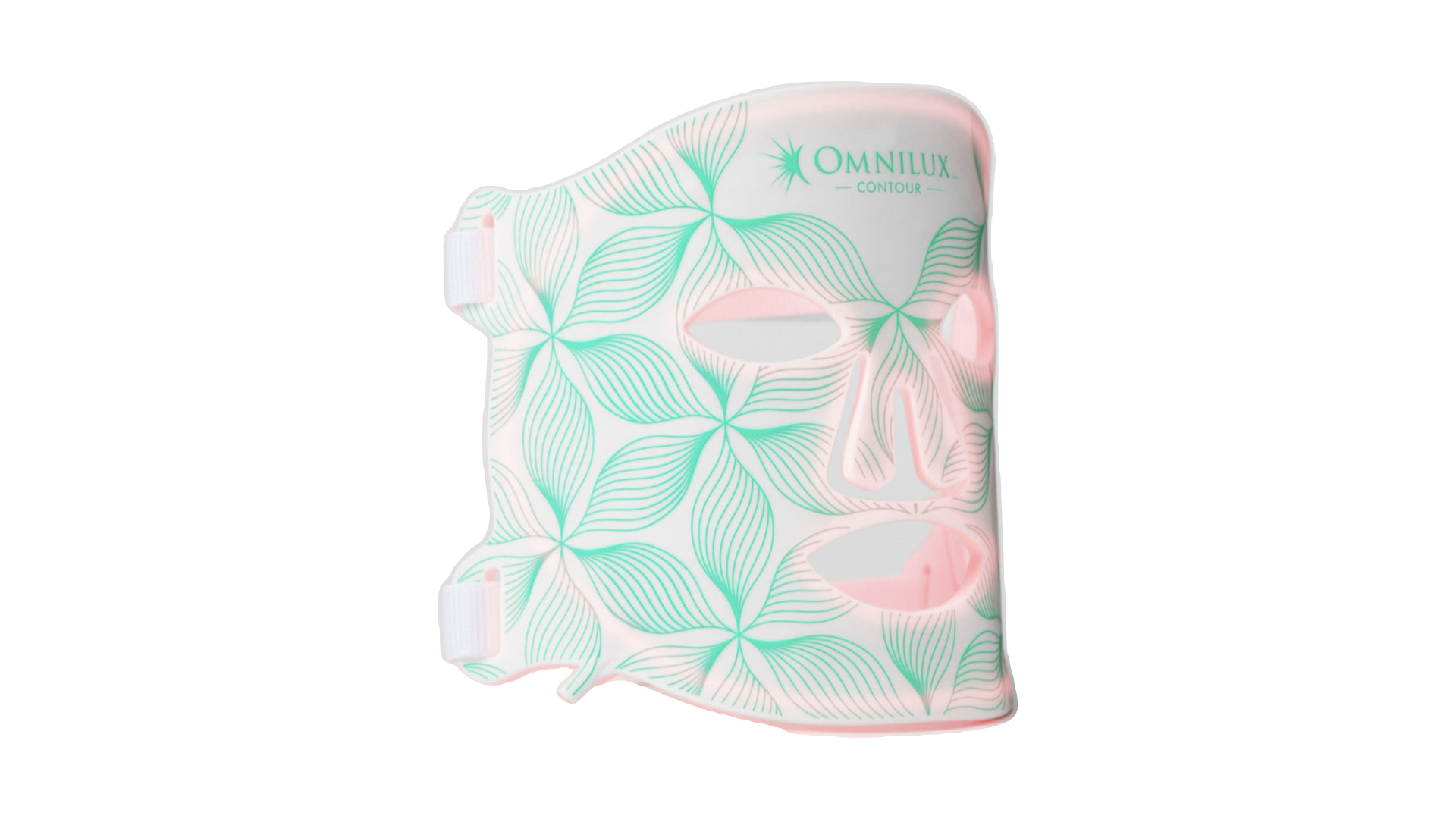 Omnilux Contour Red Light Therapy Face MaskOmnilux’s bestselling Contour mask is an aesthetician favorite for a good reason—it actually works. The flexible face mask is powered by red and near-infrared lights to help lift, contour, smooth, and even soften acne scars.
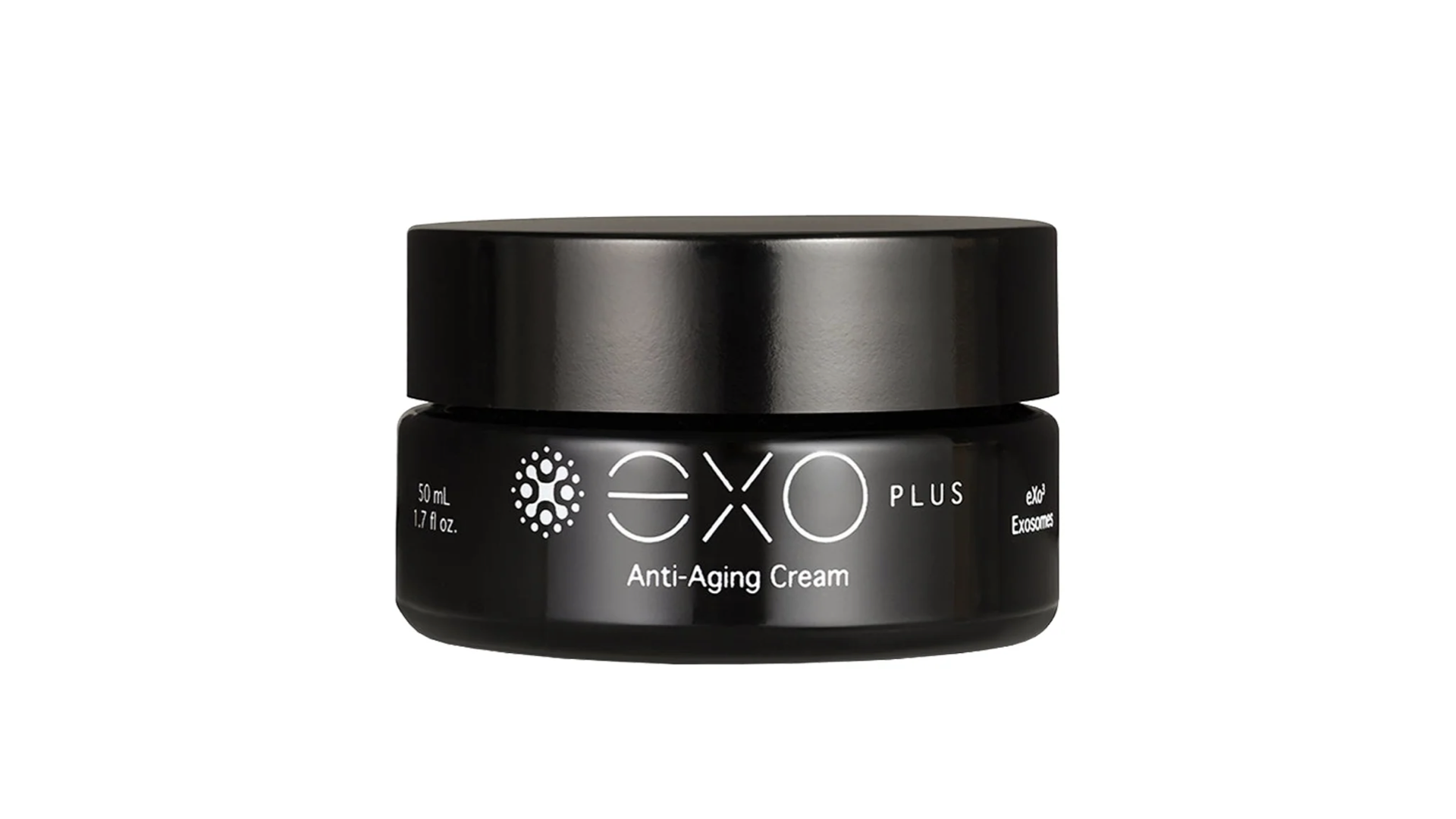 Exoceuticals Exo Plus Anti-Aging Cream With Exosomes and PeptidesPowered by a blend of bioidentical, stem cell-sourced exosomes and lifting peptides, this supercharged face cream harnesses two of Sobelman’s favorite ingredients for firming, line smoothing, and damage repair.
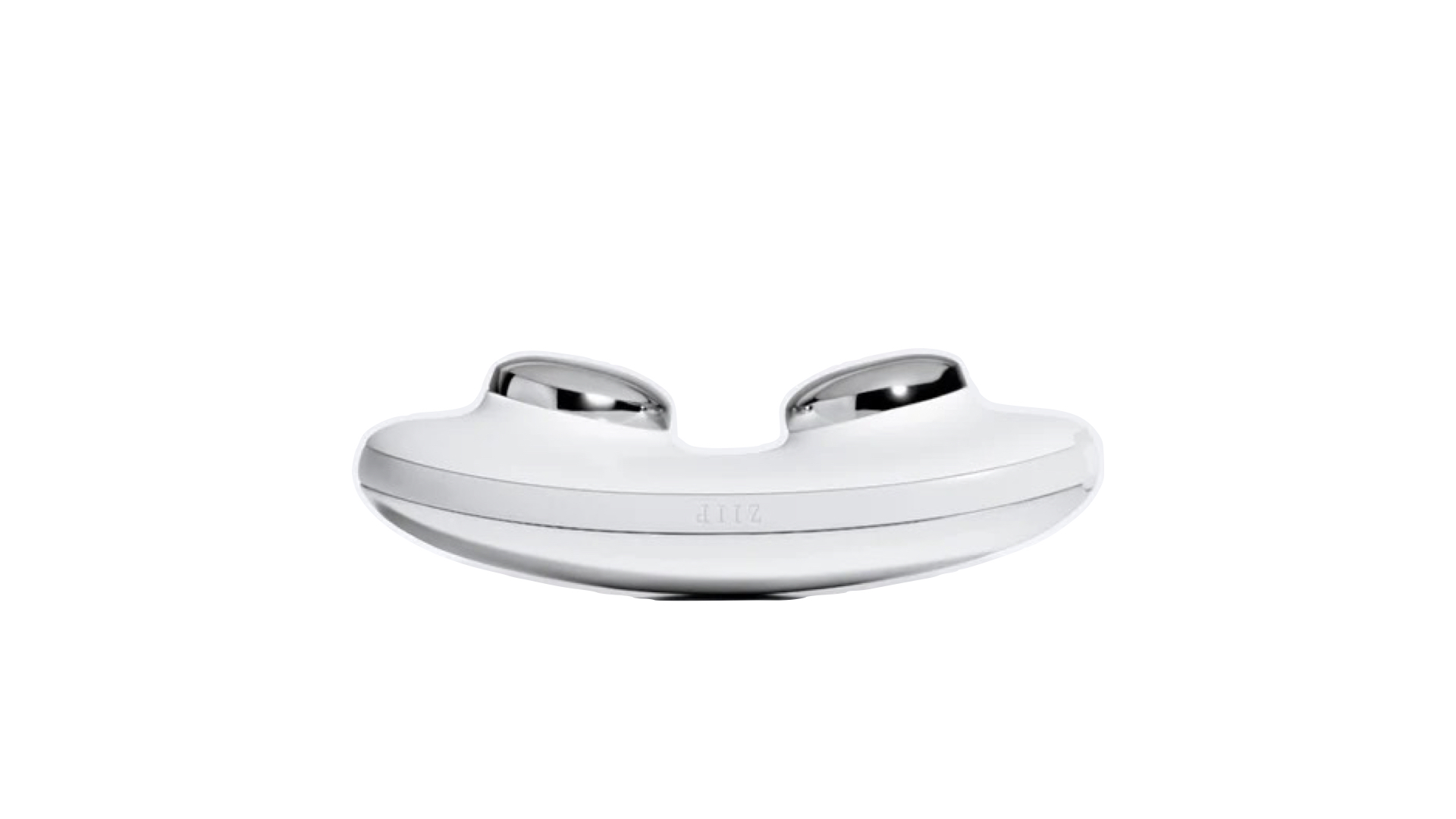 Ziip Halo 2.0 Microcurrent DeviceThe Halo 2.0 is a handheld microcurrent device engineered to lift, sculpt, and tone your facial muscles for a sharper profile sans the needle.
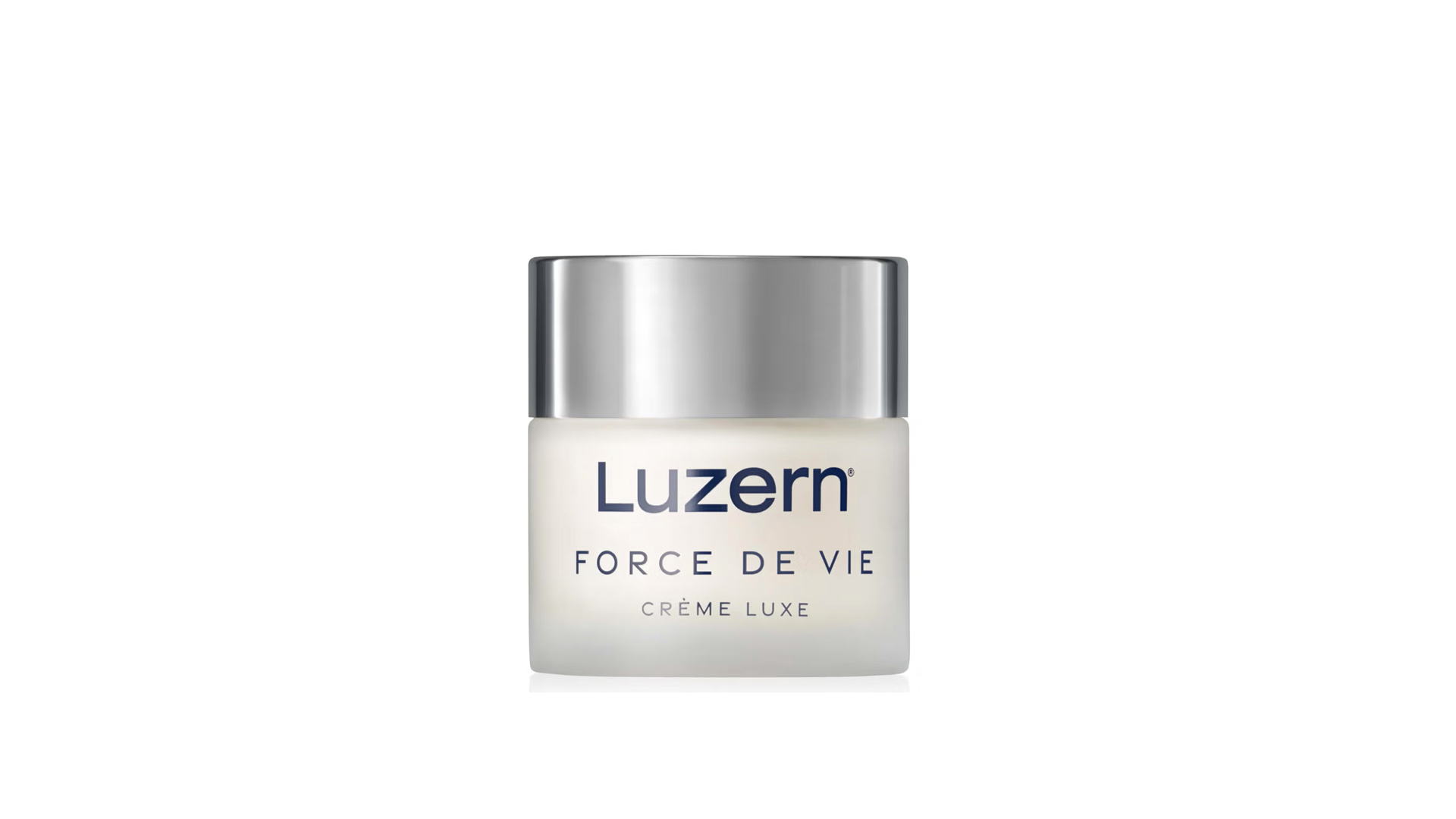 Luzern Force De Vie Pure Oxygen Creme LuxeInfused with co-Q10, vitamin C, alpha-lipoic acid, and bio-Suisse extracts, this nourishing face cream is designed to soften fine lines and lock in moisture while strengthening the skin barrier.
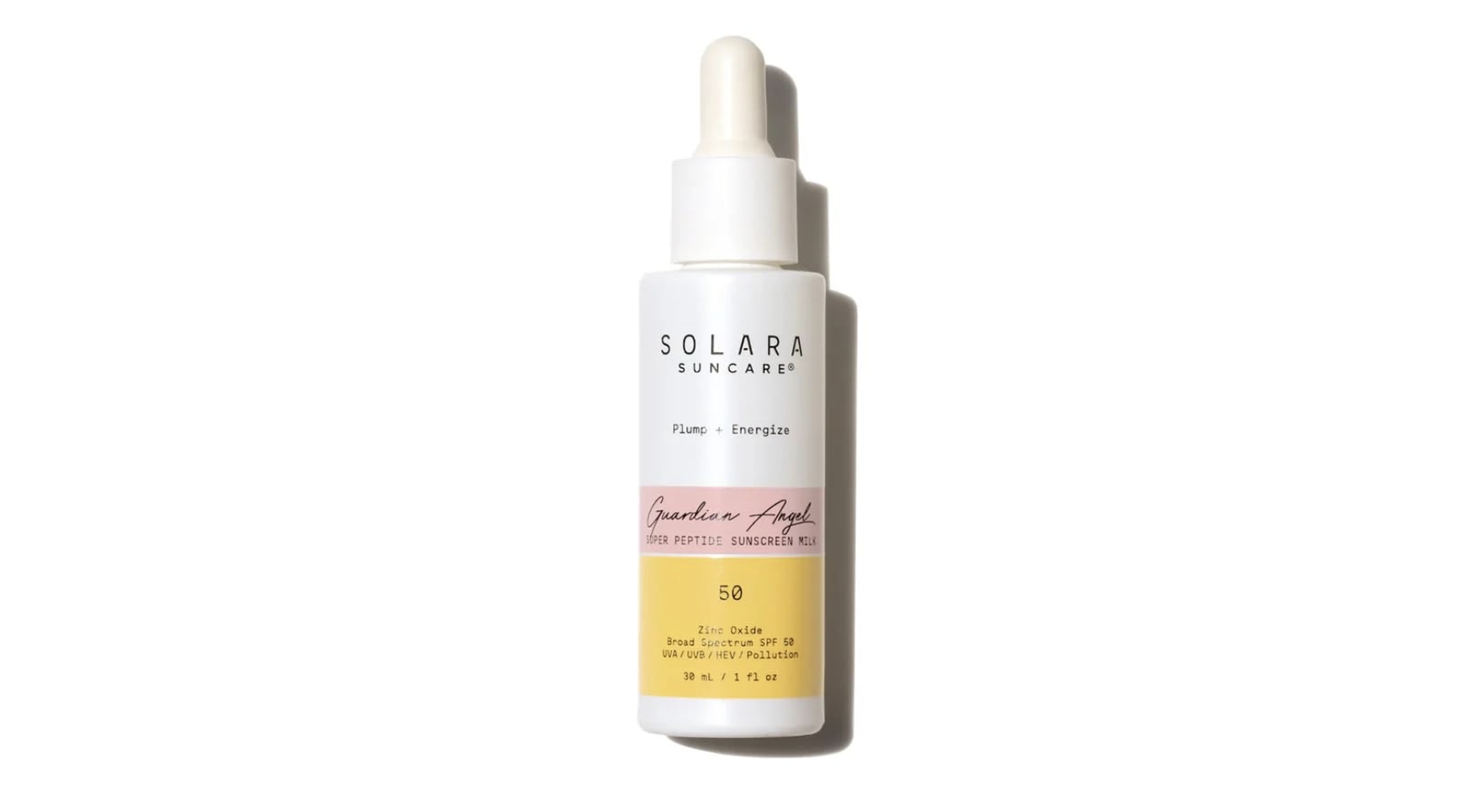 Solara Suncare Guardian Angel Super Peptide Sunscreen Milk SPF 50Protecting the skin from sun damage is one of the best ways to prevent premature signs of aging (and, more importantly, skin cancer). Unfortunately, not all SPF formulas are created equal. This milky, mineral sunscreen delivers SPF 50 while imparting a subtle glow. Plus, the free-safe, oil-free formula is suitable for acne-prone and sensitive skin types.
Free Returns | Free Shipping
The post Scouted: Are Growth Factors Really the Answer to Youthful Skin? This Aesthetician Isn’t Convinced appeared first on The Daily Beast.