A U.S. military boat strike, the third this year, blew up a vessel suspected of carrying drugs in the eastern Pacific Ocean on Monday, killing two people and leaving a lone survivor, the Pentagon’s Southern Command said.
Southern Command, or Southcom, said that it had notified the U.S. Coast Guard to begin search-and-rescue operations.
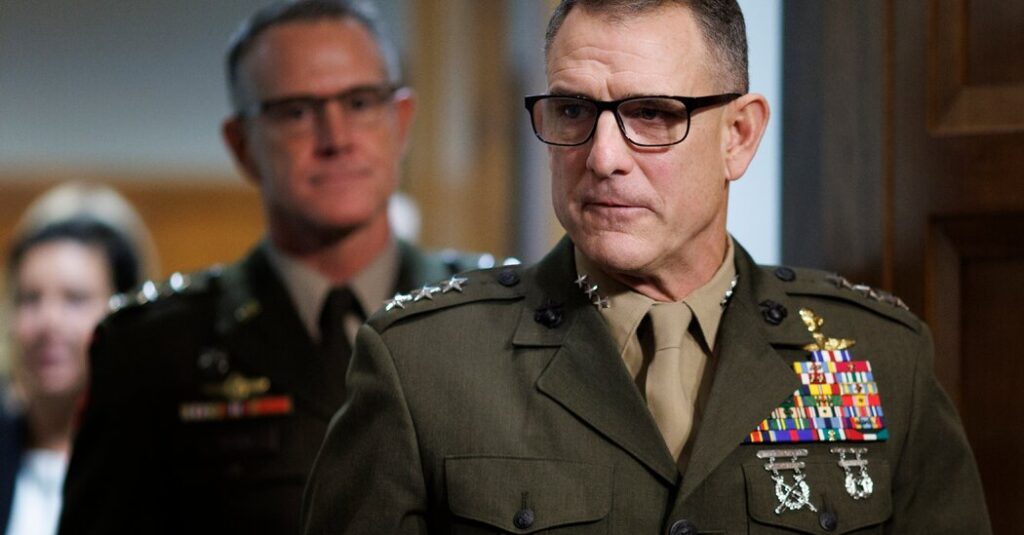
The strike was the second authorized by Gen. Francis L. Donovan, a Marine who became Southcom’s new leader last week, overseeing U.S. military operations in Latin America and the Caribbean. It was the 38th strike announced by the Trump administration in a campaign against drug trafficking from Latin America, particularly Venezuela and Colombia, which began in early September. The campaign began with strikes in the Caribbean but has most often targeted vessels in the eastern Pacific, according to a tracker maintained by The New York Times. The strikes have now claimed 130 lives.
Since the campaign started, only two other people are known to have survived a U.S. military airstrike; they were eventually rescued. A third person survived a strike on Jan. 23, but was never found and is presumed dead.
An 11-second video clip accompanying Southcom’s announcement on Monday showed the boat traveling across the water when two explosions set it on fire. The announcement said that unspecified intelligence had determined that the boat was “engaged in narco-trafficking operations” and that it was following a known drug-smuggling route.
A broad range of legal specialists on the use of lethal force have said that the U.S. strikes are illegal, extrajudicial killings because the military cannot deliberately target civilians who do not pose an imminent threat of violence, even if they are suspected of engaging in criminal acts.
Eric Schmitt is a national security correspondent for The Times. He has reported on U.S. military affairs and counterterrorism for more than three decades.
The post U.S. Boat Strike Kills 2 in Pacific, With One Survivor appeared first on New York Times.