
If you’ve been on the internet, listened to a podcast, or shopped for food anywhere lately, you’ve probably heard the great news about protein.
Protein is being touted as the best thing to consume to build muscle, lose weight, suppress appetite, balance hormones, enhance longevity, curb menopause, and even improve your metabolism.
More protein? Even better.
There is some truth here. Protein can help you build and maintain muscle. It can also impact metabolism and has a real, albeit quite mild, effect on how full you feel after you eat.
We need some protein in our diet to provide the essential amino acids our body can’t make on its own, which are critical for cellular tasks, including tissue repair, muscle building, and boosting immunity. But most of the visible benefits of protein consumption — the ones you can see in the mirror — don’t kick in automatically, without some external stimulus.
“None of it is really actually true unless you’re combining it with a pretty good dose of physical activity,” professor Stuart Phillips, chair of the kinesiology department at McMaster University, told Business Insider.
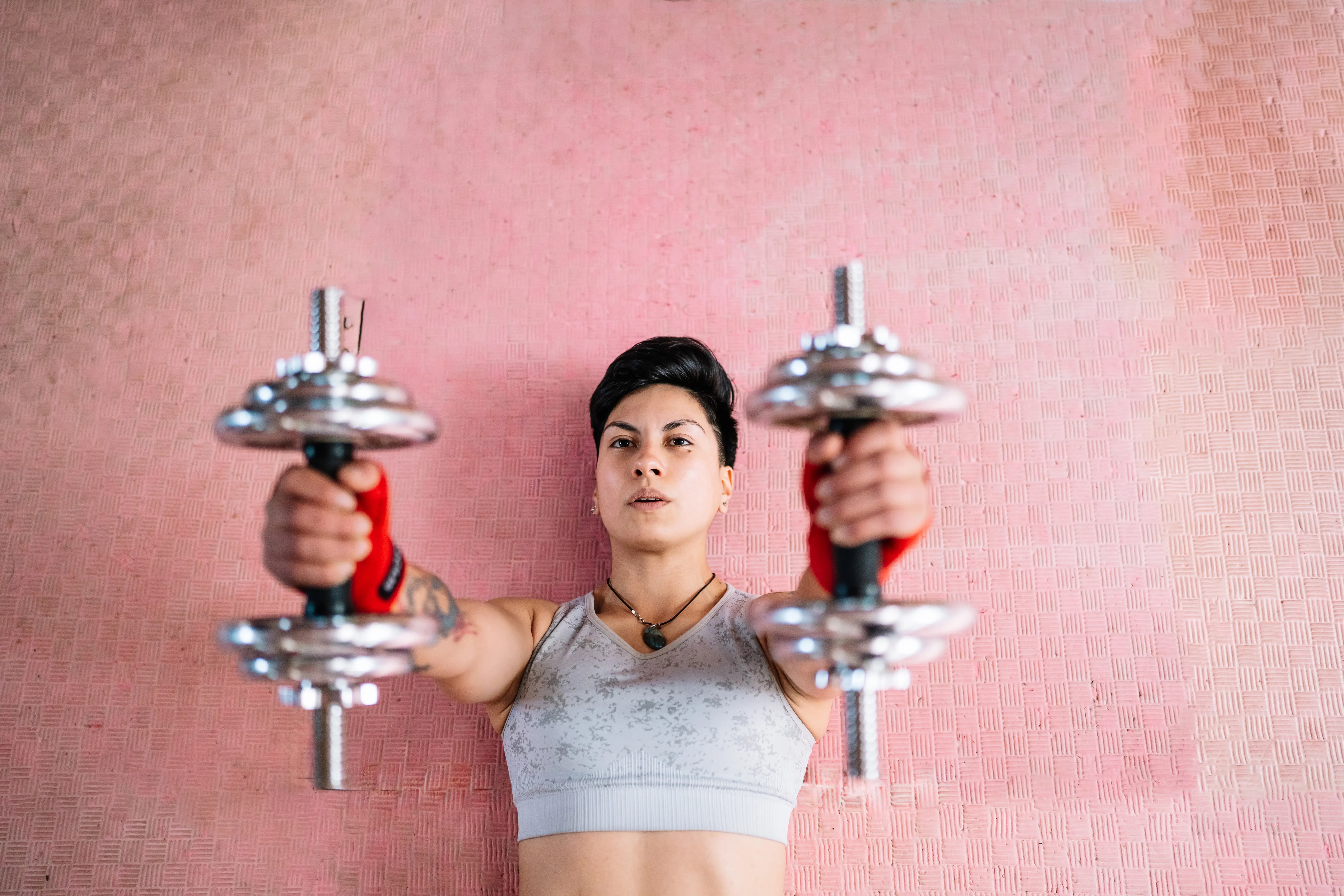
Phillips said that protein is simply the “small dressing on top that allows the big stimulus of exercise to have its influence.”
He recommends a simple weekly exercise routine, plus enough daily protein to drive results, and he shared ways anyone can optimize the idea for their own goals and body.
Why eating more protein isn’t a panacea for fat loss and muscle gains
If you change nothing else about your diet or workout routine, and only add in more protein-rich foods, you will probably gain weight.
Our bodies can’t store extra protein, so when it’s not immediately used up, we turn it into carbohydrates for fuel. Once our fuel needs are met (in glycogen stores), the rest of that once-protein becomes fat.
“It’s pretty benign in terms of its effects, other than you might feel a little bit fuller,” Phillips said. “The hype around protein definitely outpaces the reality of what’s going to happen.”
Phillips, who has studied the effects of regular exercise on human skeletal muscle for 30 years and is one of the world’s leading scholars on how to combine protein and exercise — with over 400 scientific publications to his name. He typically recommends strength training with weights that challenge your ability two to three times per week for best results.
Phillips tracks his own protein intake very judiciously, in line with his muscle-building goals, never pushing past a well-trodden benchmark that is something of an industry standard protein dose.
Phillips said he aims for “probably 1.5 to 1.6” grams per kilogram of protein every day — at the upper limit of the new Dietary Guidelines for Americans, which recommend people aim for anywhere from 1.2 to 1.6 grams per kilogram of body weight in protein every day. That’s a big hike from the old federal recommendation of 0.8 grams per kilogram, but 1.2 to 1.6 grams isn’t a big jump for most people.
What does 1.6g per kg of protein actually look like? You might already be getting it.
As it turns out, most of us are doing just fine getting at least 1.2 grams per kilogram of protein per day, according to federal estimates of “what we eat in America” from the US Department of Agriculture. The latest data available, from March 2020, suggests the average American gets in about 1.22 grams per kilogram of of protein each day, and roughly 25% of Americans, the ones eating the most protein, are getting anywhere from 1.58 grams to more than 3 grams.
Phillips’ personal protein target amounts to about:
- 90 grams of protein per day for someone who’s 125 pounds
- 110 grams of protein per day for someone who’s 150 pounds
- 145 grams a day for someone who’s 200 pounds
That’s roughly 30 to 50 grams of protein per meal.
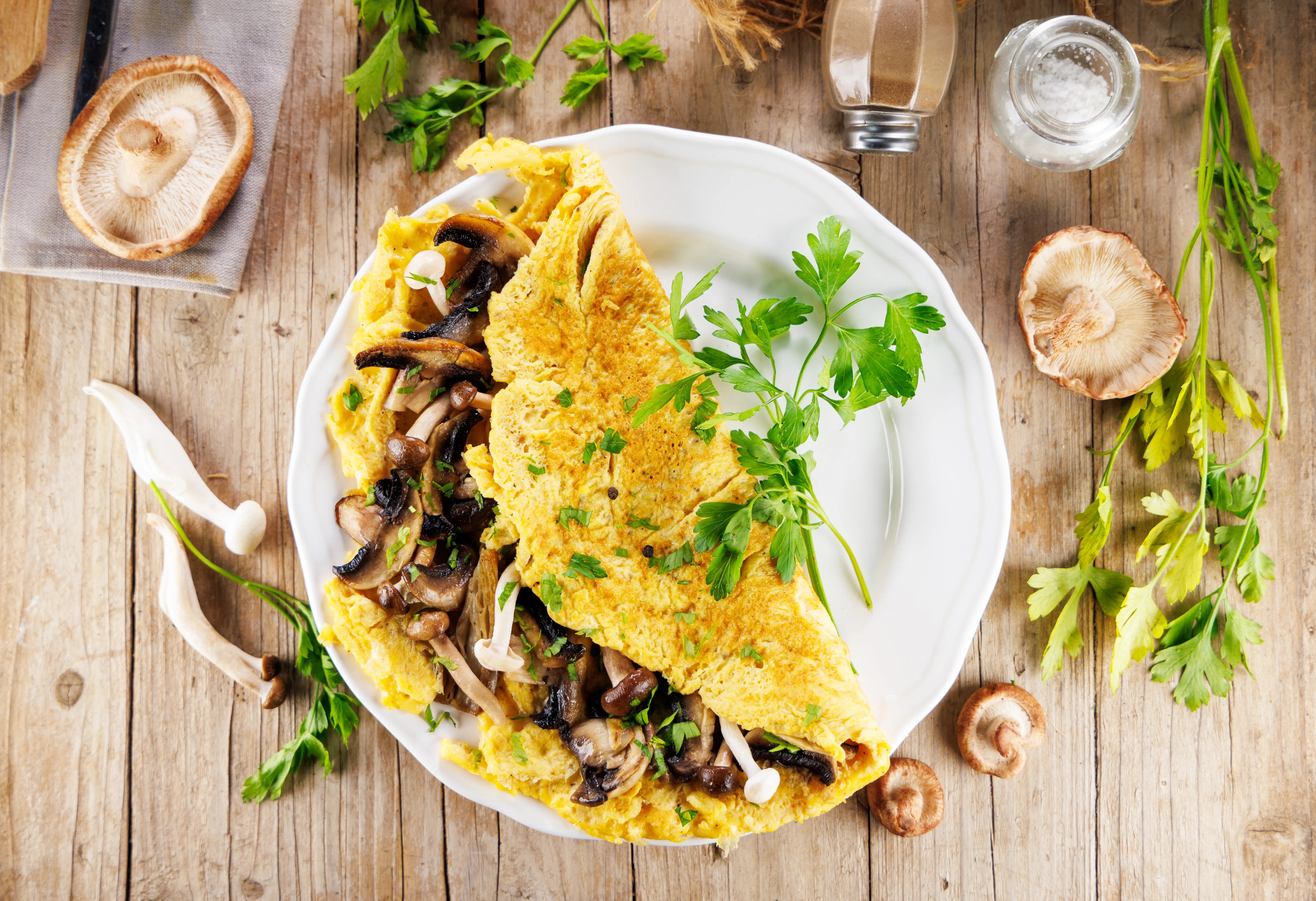
Two cups of cooked chickpeas, or one cup of cottage cheese could each get you near 30 grams. A medium-sized chicken breast would get you closer to 50 grams. Not everyone needs this much protein, but it can be beneficial for people focused on muscle building, healthy aging, and sustainable weight loss. Bumping up protein intake can help preserve muscle mass, which is ideal for body recomposition — but it has to be paired with a moderate calorie deficit for weight loss to occur.
Nutrition expert Christopher Gardner, a professor of medicine and nutrition science at Stanford University who previously served as a scientific advisor to the government on healthy eating, said it’s “OK” to get more protein into your diet if you want to build muscle, but he worries that in the current craze for more protein, people will skimp on fiber-rich foods. Most Americans do not get enough fiber every day, and fiber-rich, plant-based diets are consistently linked to better longevity and health outcomes.
“I’d like to see people hedge their bets,” Gardner said, and incorporate more plant foods into their diet that include both protein and fiber, like beans, peas, soy, and nuts. “The protein craze in packaged, processed junk foods is simply the latest marketing strategy.”
Be smart about how you add protein, Phillips says: skip the powder
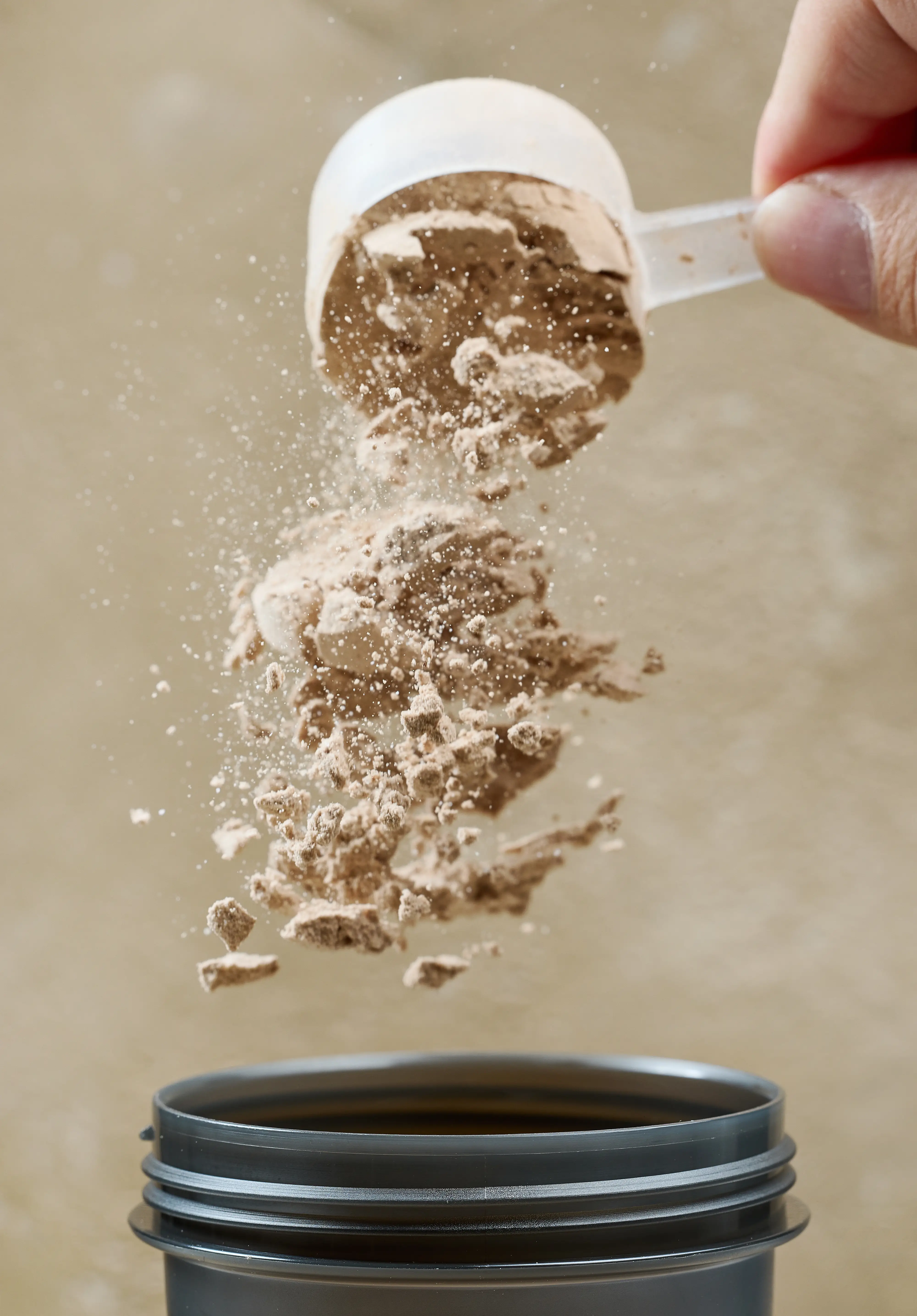
Shoppers are gobbling up the protein hype. Brick and mortar sales of foods labeled as an “excellent” source of protein are up 4.8% over the past year, according to NielsenIQ data, while sales of performance nutrition powders labeled as an “excellent” source of protein are up roughly 15%.
“Everybody’s got the message, but the whole idea is now we need to put protein into other places where it has no place being,” Phillips said.
Protein water, protein chips and cookies, portable protein shots. He doesn’t do any of that.
Phillips typically skips protein powders too because he already gets all the protein he needs from protein-rich foods, with a mix of plant and animal proteins — whole foods that provide other nutrients powders can’t in a synergistic way. He knows that some protein-billed products aren’t doing much for you; for example collagen protein has a protein quality score of zero, meaning your body isn’t getting any protein-building benefits from it, whereas something like a chicken egg gets a near-perfect protein quality score.
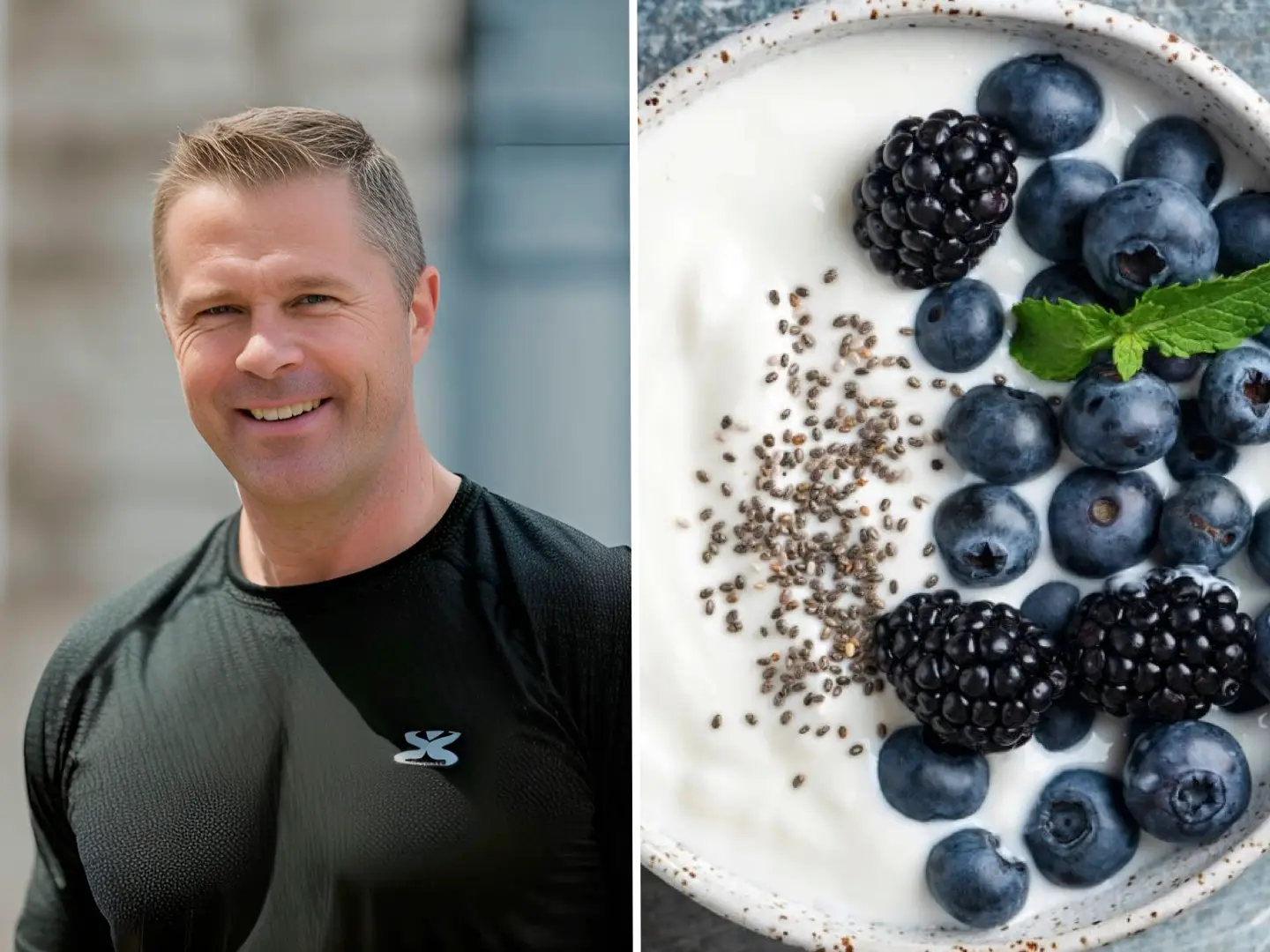
Some of Phillips’ favorite all-time favorite protein-rich whole foods include Greek yogurt for breakfast, plus fermented kefir, lunches like tuna fish sandwiches, and chicken or fish for dinner, while Gardner says you could probably stand to add more protein-rich fiber-filled foods like beans, nuts, and soy into your diet.
Read the original article on Business Insider
The post Protein isn’t a weight loss miracle. A leading protein expert explains how to incorporate it into your routine for the best results. appeared first on Business Insider.