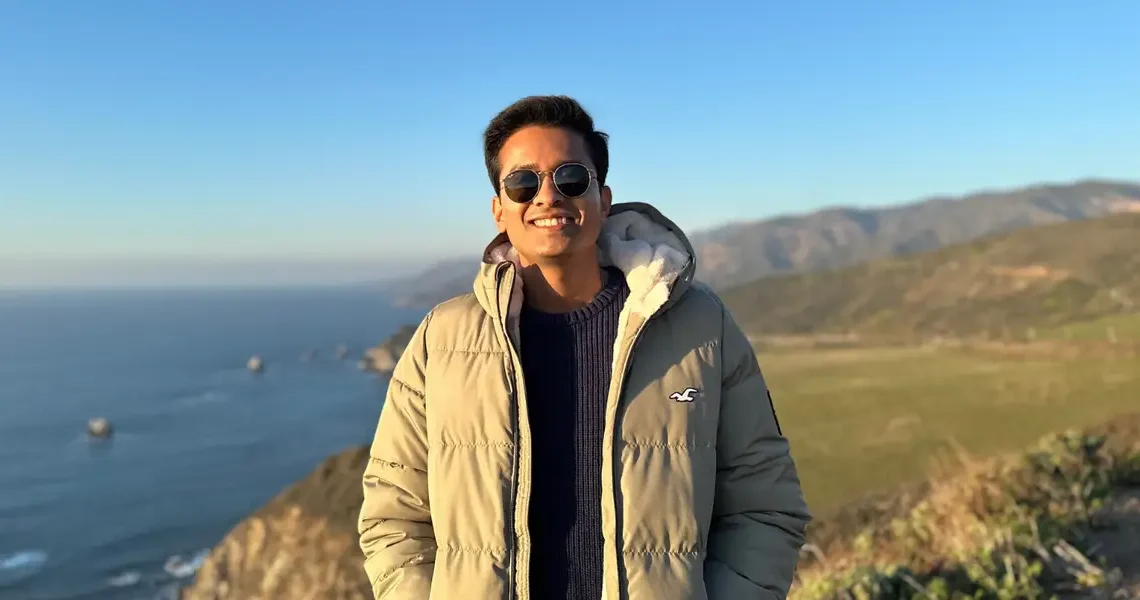

This as-told-to essay is based on a conversation with Pronnoy Goswami, 31, who lives in the San Francisco Bay Area. The following has been edited for length and clarity.
When I was diagnosed with ulcerative colitis in 2022, I thought: Why me?
I didn‘t have lots of bad habits, I hadn’t abused my body, and it took me a long time to accept what was happening to me.
I considered giving up my dream of solving meaningful problems in tech at scale, taking a career break to focus on my health, and leaving the US to go back to my home country of India.
Ultimately, I stayed in the US and continued with my career while making huge changes to my lifestyle and work routine. I’m proud of what I’ve achieved in tech in spite of my adversities, and along the way, I’ve found my voice and a new vision of success.
It felt like someone was twisting a knife in my stomach
When I first got sick in 2021, I was working in Washington as a software engineer at Microsoft. Previously, I’d spent two years in software engineering at McKinsey, and a few months interning at PayPal. I now work at a large enterprise software company.
I was on a trip with my partner just before Thanksgiving when I had rectal bleeding and felt weak, but I didn’t think it was anything more serious than hemorrhoids or food poisoning. My symptoms kept getting worse, even after I consulted doctors and took medication. I was going to the restroom 15 to 20 times a day, and I lost a lot of weight.
By Independence Day, I couldn’t drive because I had excessive stomach cramps while sitting, like someone was putting a knife in my stomach and twisting it.
Doctors noticed my gut was inflamed, and referred me to a gastroenterologist. I was very scared.
A colonoscopy showed I have ulcerative colitis, a type of inflammatory bowel disease that causes symptoms like abdominal pain and rectal bleeding.
I was scared to tell people about my condition, but they were empathetic
I’m used to putting 100% into my work, and when I was diagnosed in 2022, I’d been working on projects at Microsoft I felt were impactful. I took three to four weeks of sick leave, then returned to work, but I was completely remote for a year after my diagnosis.
My body struggles to absorb nutrients, and I get tired very quickly. I’ve had to make many dietary changes to manage flare-ups, including cutting out caffeine, alcohol, lactose, chile, and red meat.
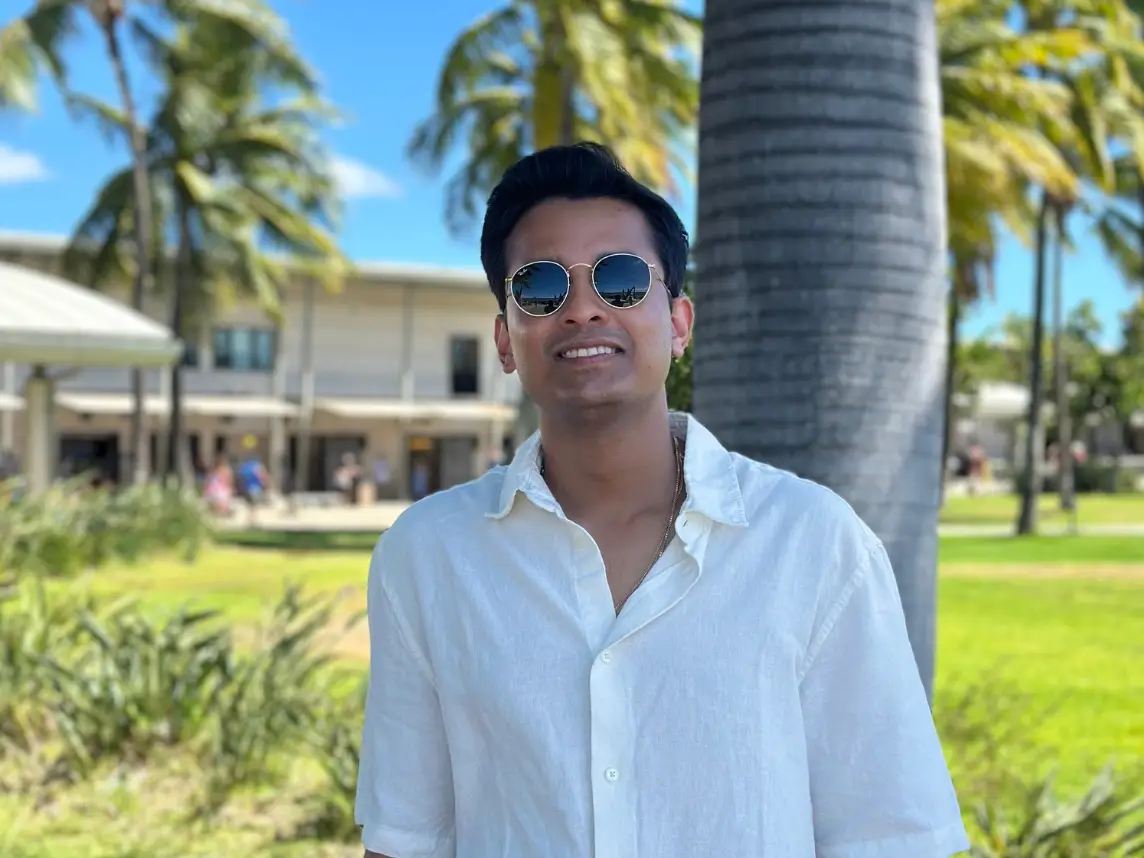
When my wife and I went on honeymoon in Hawaii in August 2025, we planned the trip down to the restaurants I could eat at and what I’d order. But then I ate something I hadn’t planned at a lūʻau, and I was sick for two days, which was disheartening.
At first, I was scared to tell people about my condition, but when I started sharing with my colleagues, I found people empathized and judged me according to my merits.
I have bad days related to my condition 20% of the time, and sometimes have to step away for appointments and procedures. For example, I have a colonoscopy every year because ulcerative colitis puts me at higher risk of getting colorectal cancer. I always try to catch up with tasks in my own time, and accept that I have to achieve the same things as others in less time.
I left Microsoft and started working at a large enterprise software company in 2023. I live in the San Francisco Bay Area, where the allure of startups is all around. However, I’m not physically or mentally ready to take the leap of faith to work at one yet. The stability of my current job is vital for my health.
I also need to be careful with what jobs I consider, because a workplace might not be a good fit if it has a strict policy of being in the office five days a week and doesn’t make accommodations. Plus, I’m very happy where I am.
I used to take my health for granted
Before I got sick, I took my health for granted, but I’ve started treating my body like a temple and am careful with how I’m spending my energy. I’ve come to define success as being healthy, because it helps me solve problems at work better.
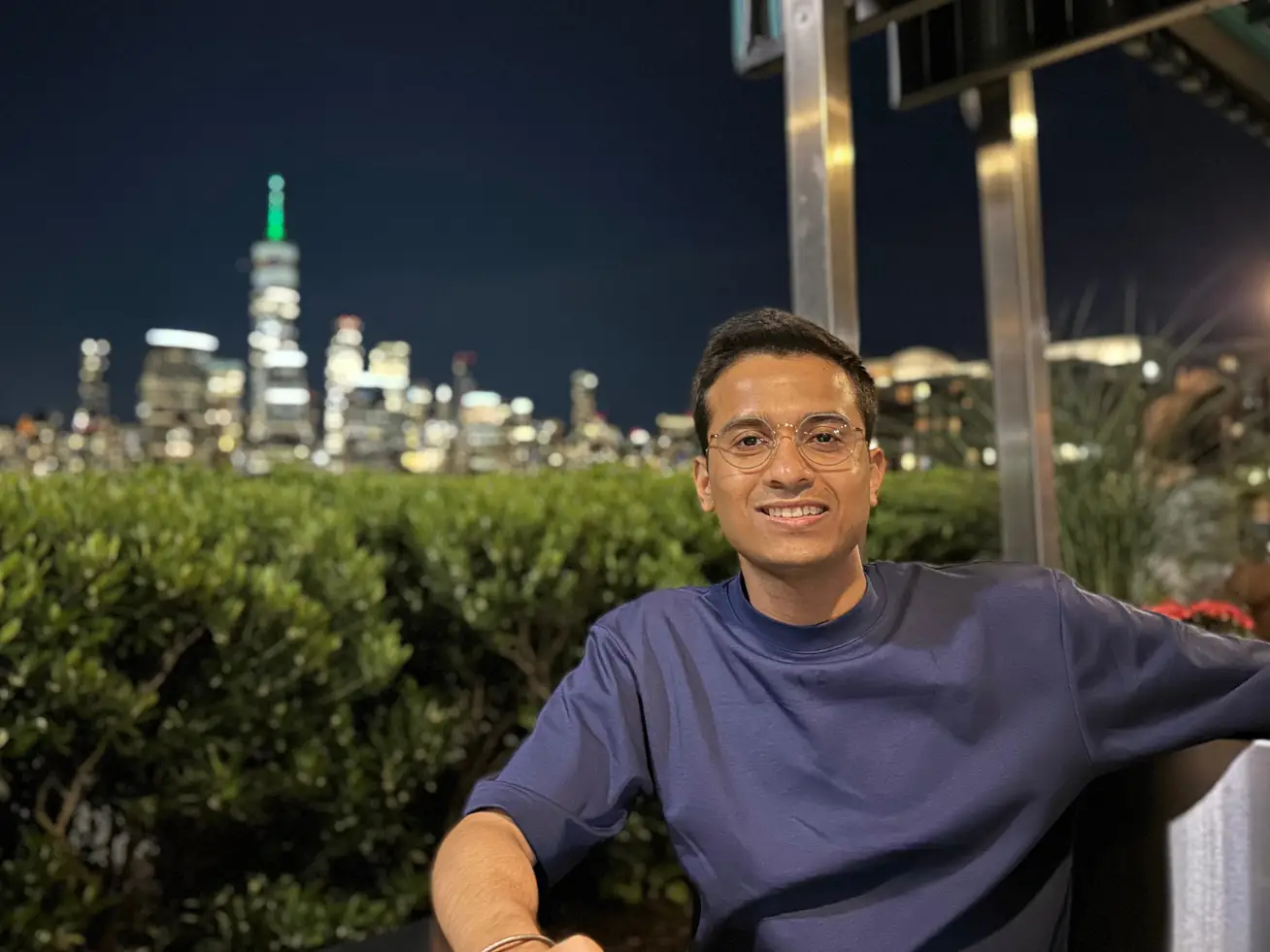
It’s also given me a voice. My diagnosis made me want to be more purposeful with my time, so I started exploring creative passions, like writing a newsletter and technical blogs. I want to connect with like-minded people and not live in a shell.
When I look back at what I’ve achieved in my career since my diagnosis, I feel God has been kind to me. I’ve done interesting, cutting-edge work in tech, like building important infrastructure.
But I’m not done yet. I’m still in the early innings of my career, and I have a long way to go.
Microsoft declined to respond to a request for comment from Business Insider.
Do you have a story to share about navigating a diagnosis alongside your career? Contact this reporter at [email protected]
Read the original article on Business Insider
The post I was diagnosed with a chronic illness while working at Microsoft. It shifted how I view success. appeared first on Business Insider.