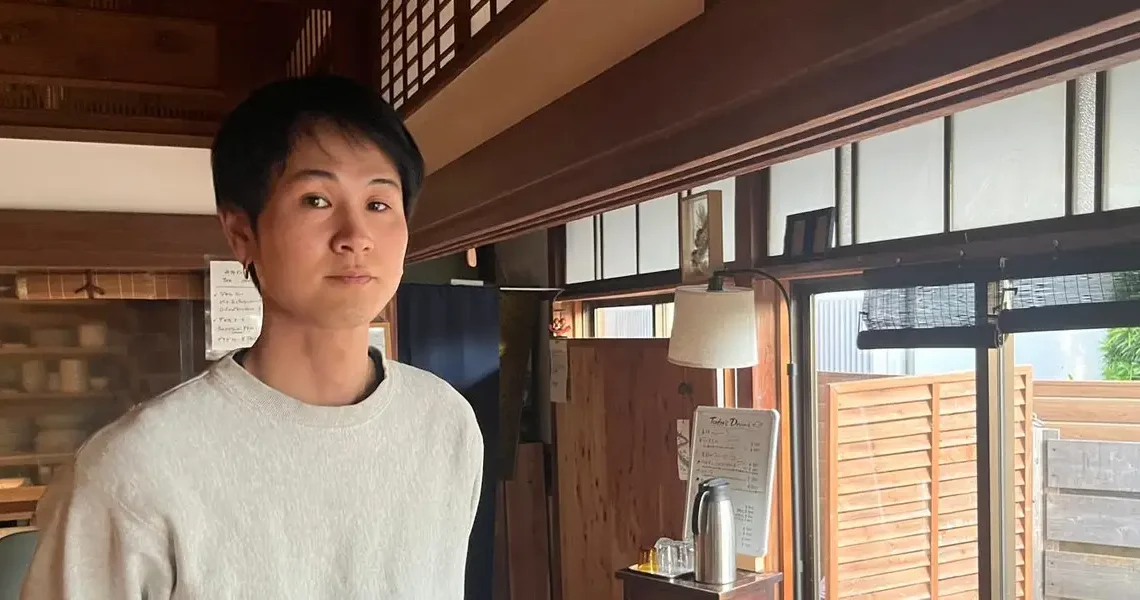
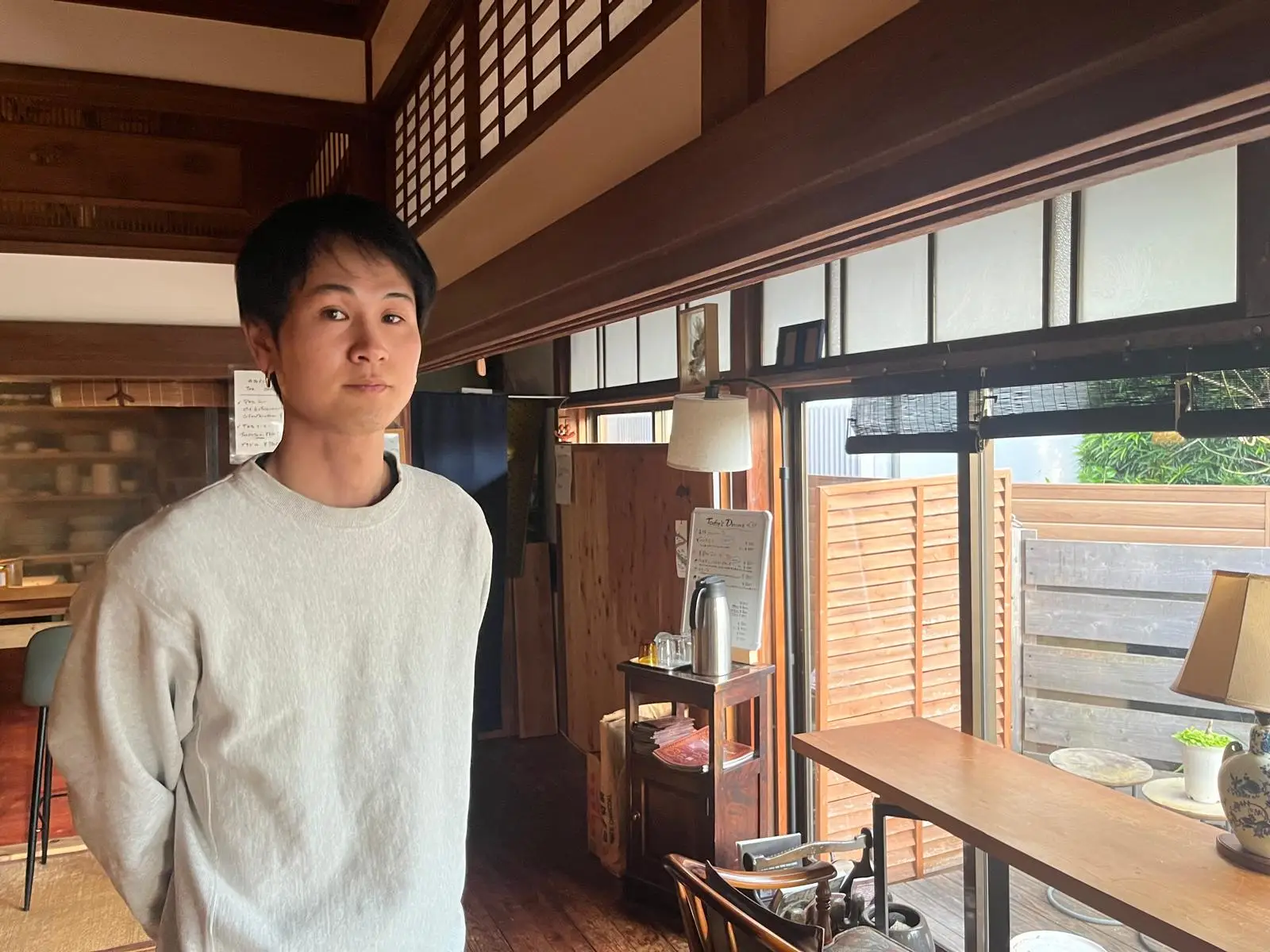
This as-told-to essay is based on a conversation with Aoi Onodera, 34, which took place at Aoito, the café he manages in Zushi, Japan. His words have been translated and edited for length and clarity.
I grew up visiting this house. It originally belonged to my grandfather’s older sister, and whenever I traveled down from Iwate, the northern prefecture in Japan where I grew up, this was where the family gathered.
Later, I worked as a rehabilitation consultant at hospitals in Osaka and Yokohama. I moved, but this place was always in the back of my mind.
When my great aunt passed away about 14 years ago, the house became something of an akiya — technically empty, though relatives still came by now and then.
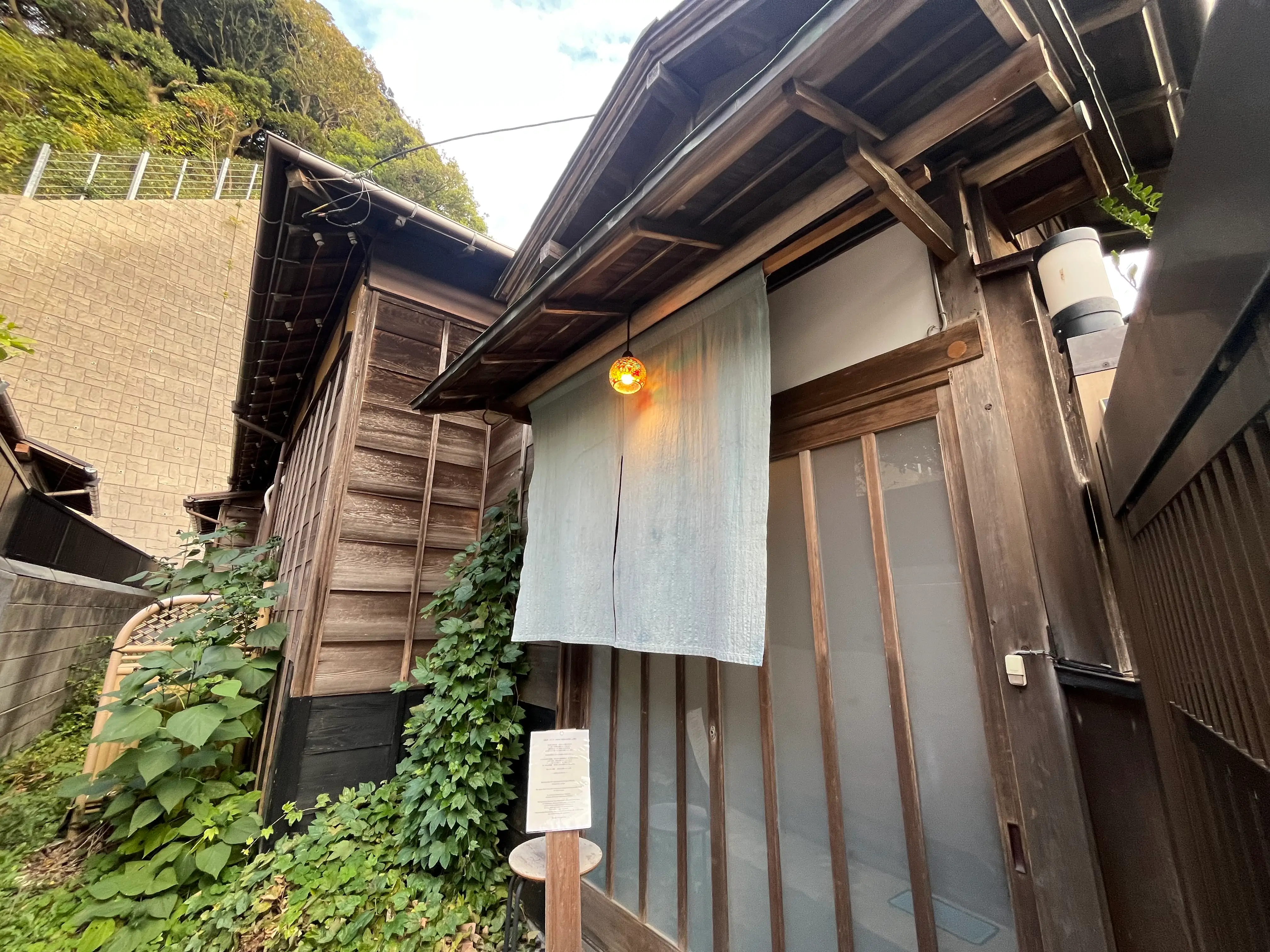
Six years ago, I started wondering what we should do with the house. It was in rough shape at the time. The house was built in 1940, and it felt wasteful to let it fade.
That’s when the idea of renovating it — and eventually turning it into a café — began to take shape.
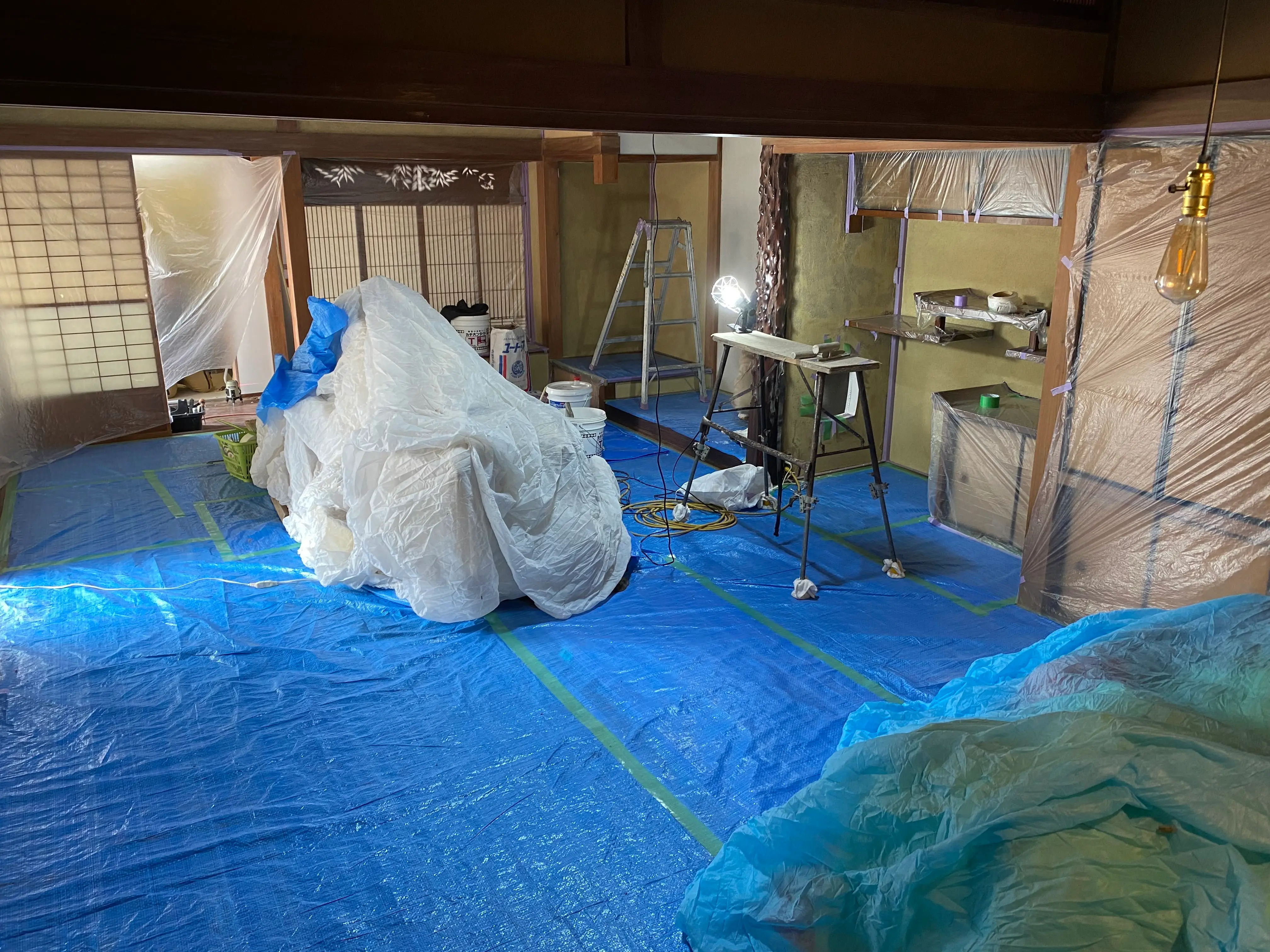
We never planned on a huge makeover
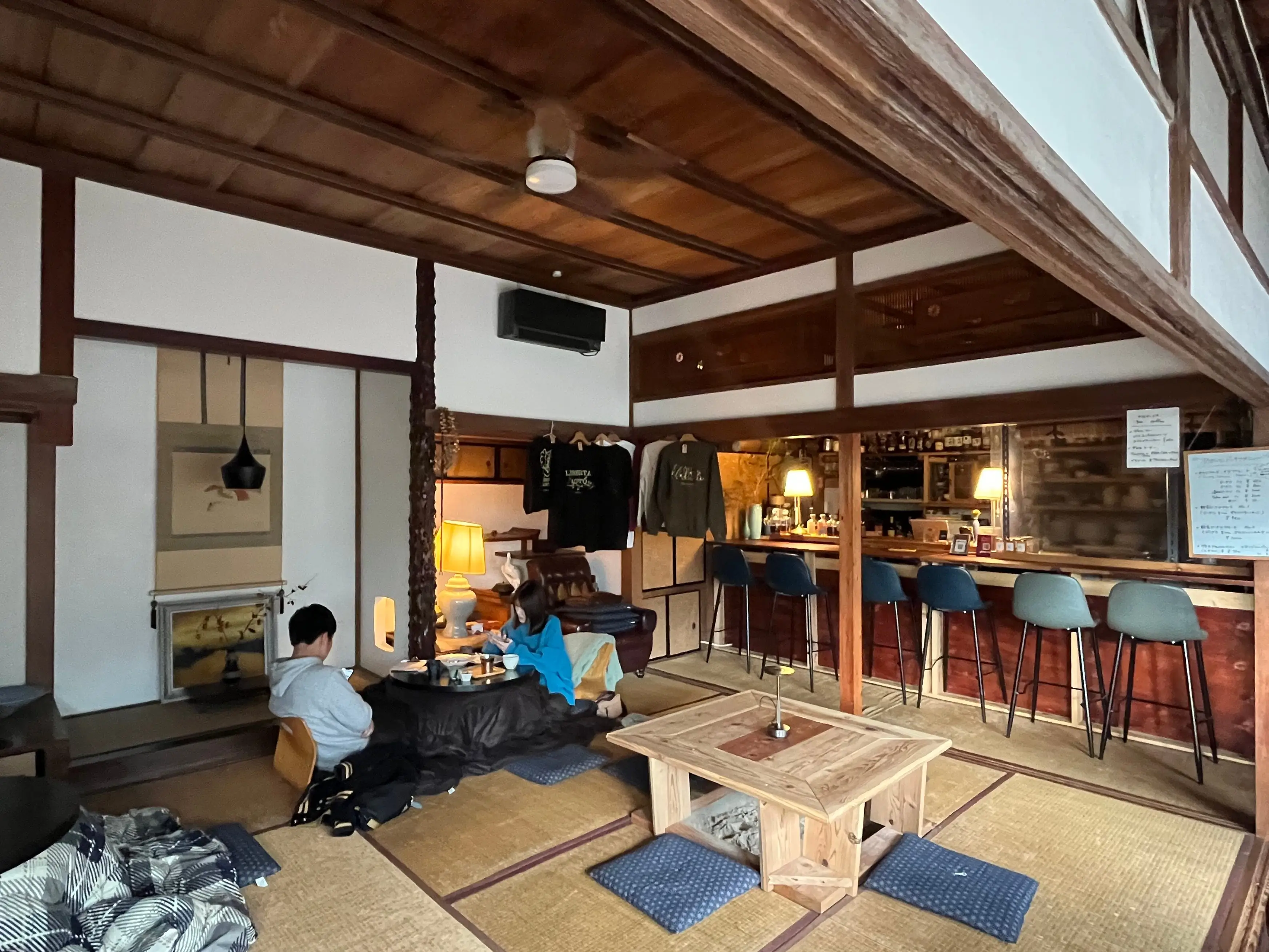
What you see is pretty consistent with how it looked before. The original 85-year-old tatami is still intact, and the main beam and post structure remain.
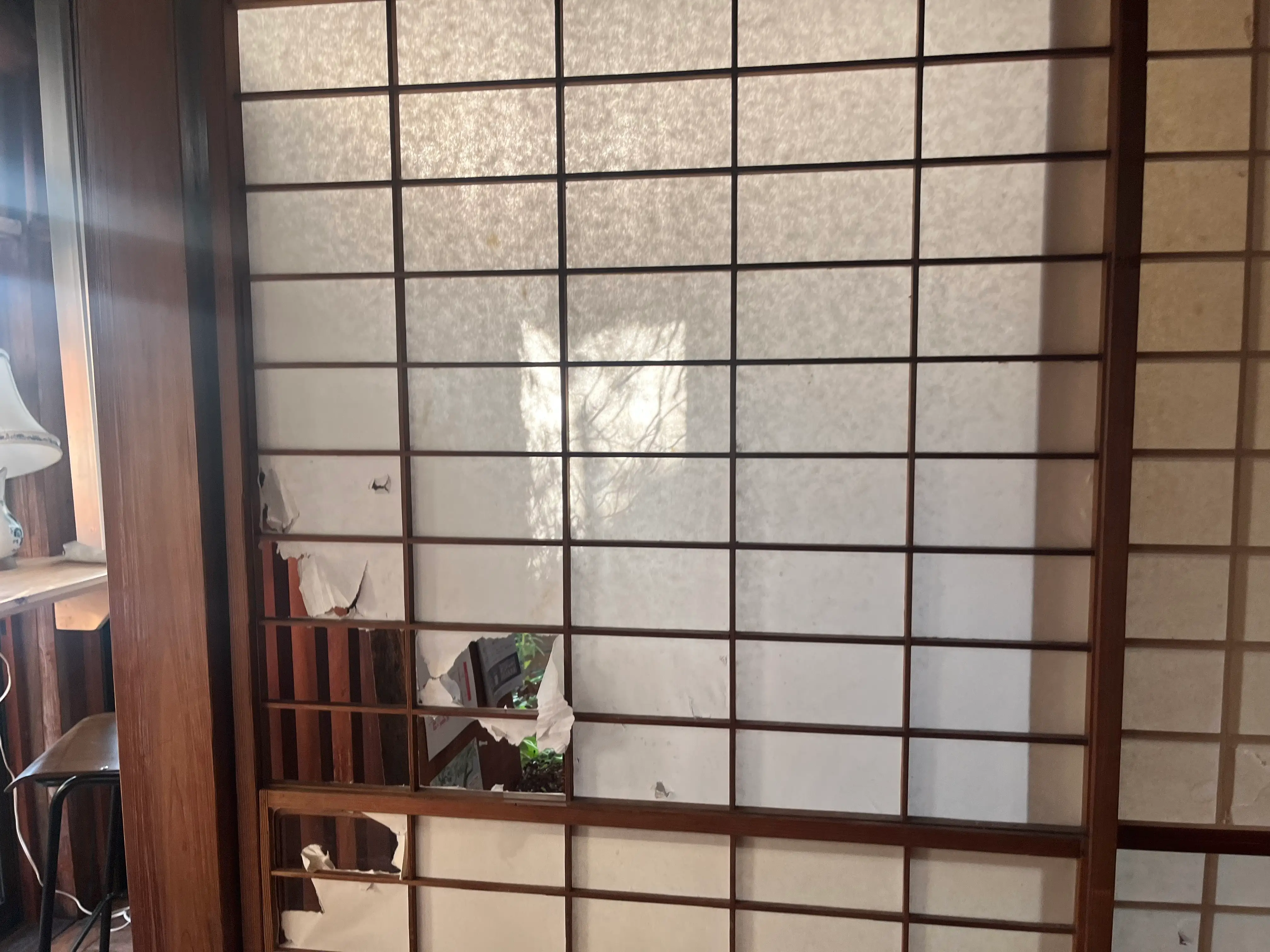
The shoji paper screen doors are intentionally torn, encouraging kids to poke their fingers through them — some adults can’t resist, too. The mud walls used to be darker; painting them white brightened the atmosphere a bit, but overall, we kept things close to the original bones. We added what we had to — like the counter — and let the rest speak for itself.
I wanted the café to feel like a third place, somewhere locals and family could gather casually.
I’ve been running the café for almost four years now. On weekdays, it’s mostly locals, and on weekends and holidays, around 30% of customers are tourists.
The furniture and many of the paintings have been here since I was a kid, but the lighting was my choice. I traveled to shops in cities across Japan — including Kobe, Chiba, and elsewhere — picking pieces, such as a 1960s American lamp, that matched the mood I wanted.
I spent about six months cleaning, repairing, and preparing the house.
Creating the menu was a challenge
Until I got started at the café, I’d worked only in hospitals — I had no food-and-drink experience at all — so inventing dishes, prepping ingredients, and managing a kitchen were all new to me. Every part was hard at first.
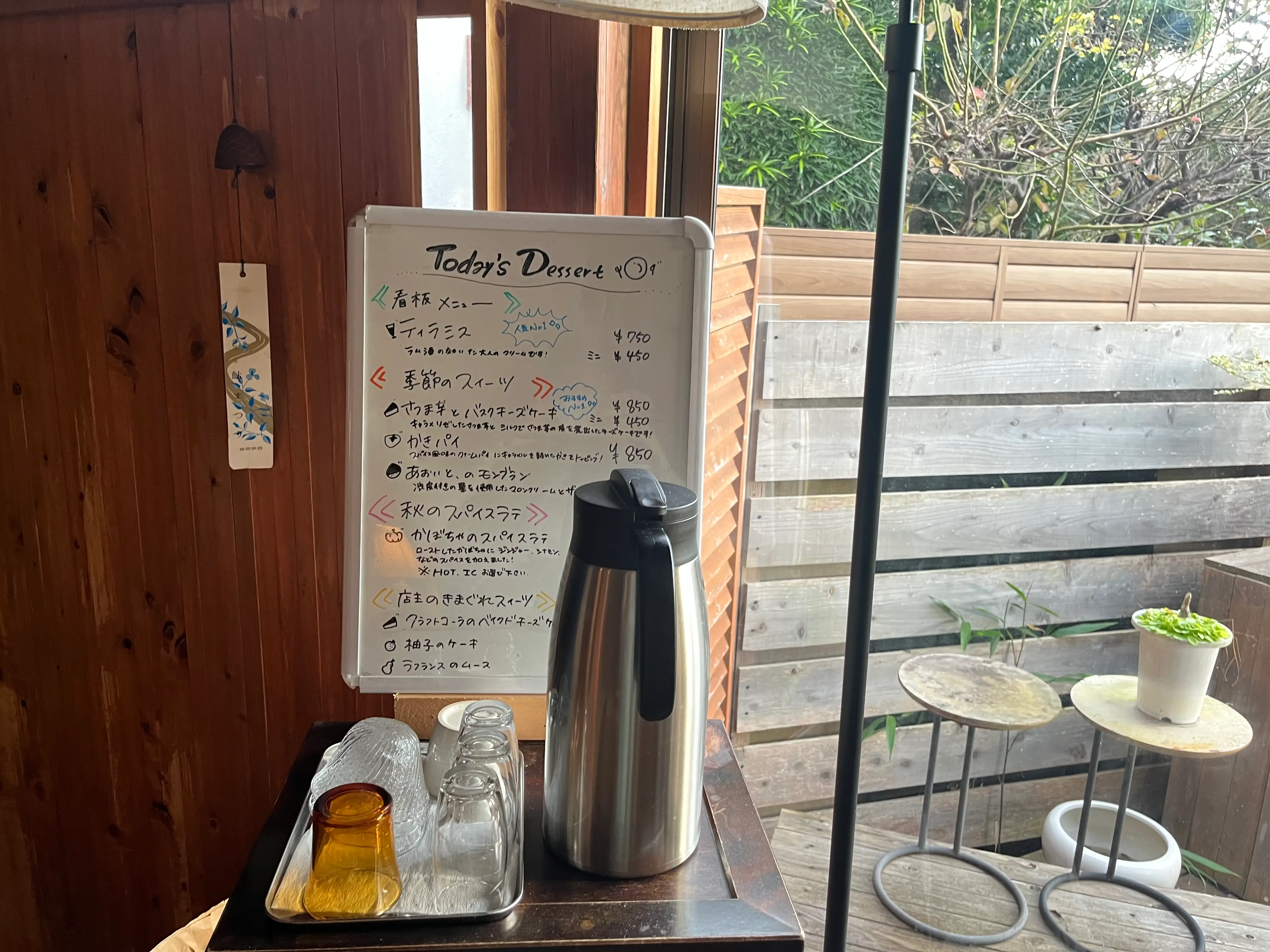
The menu now features seasonal vegetables from the region. We also serve desserts like tiramisu and cheesecake.
My younger sister and I run the café together. I take weekends, she handles weekday afternoons. We have a close relationship, so I don’t micromanage. I trust her to run things as she sees fit. I leave it to her good judgment.
Timing was coincidental
l didn’t open the café to ride the trend of renovating old Japanese homes around the end of COVID, when more foreigners started visiting and buying property. That was never my motivation.
I just didn’t want a place, which had been in the family so long, to fall into disuse. One of my relatives still owns it, and I pay rent monthly. My family tells me they’re glad the house looks better now, and locals appreciate having a community spot.
We also host musical performances here. Since the house was built in the 40s, we like to play music from that era — oldies, jazz, that sort of thing. It fits.
Work-life balance
I’m 34 now, and when I look at young Japanese today, I notice how differently they think about work and life. They are more balanced, more creative, more intentional than I was in my 20s.
For me, juggling the café, freelance rehabilitation work, and managing concerts has become the right pace. Back at the hospital, I sometimes get in trouble for doing things my own way and working too freely, so maybe this kind of multi-directional work suits me better. It allows me to express myself.
In a hospital, my world was doctors, nurses, and patients. Opening the café introduced me to a much wider community: grandparents, kids, tourists, and people whose values and backgrounds I never would’ve encountered otherwise.
Of course, as with people in any environment, some customers are wonderful; some are thoughtless and create problems for others. But even that teaches me something, that the world is full of people I wouldn’t have met if I’d stayed in the hospital forever.
This aging house, somehow, continues to beckon new life.
Do you have a story to share about renovating your family’s house in Japan? Contact this reporter at [email protected].
Read the original article on Business Insider
The post I didn’t want my family’s old house in Japan to sit empty — so I turned it into a café appeared first on Business Insider.