For decades, executive security followed a familiar playbook: Most CEOs traveled freely at home, accepted protection only in high-risk foreign countries, and treated personal safety as a private concern rather than a boardroom imperative.
That world no longer exists.
Mentions of exec security protocols are popping up in more proxy filings, and companies like Starbucks are changing corporate jet policies due to what it calls “significant heightened security concerns.”
These moves follow the December 2024 killing of UnitedHealthcare CEO Brian Thompson in New York City and a shooting at a Park Avenue office building about eight months later.
Both instances shattered long-held assumptions that corporate leaders were at least somewhat insulated from the types of violence more often associated with politicians or celebrities, several security executives told Business Insider.
There isn’t a distinction between low-, medium-, or high-risk anymore, said Dale Buckner, head of the security firm Global Guardian, which works with Fortune 1000 companies.
“The risk is everywhere,” he said.
The news of the disappearance of “Today” co-host Savannah Guthrie’s mother, Nancy, has only added to a sense of unease for high-profile leaders, several of these execs said.
Boards step in
Buckner, a retired US Army colonel who served for more than two decades, said his firm has briefed more boards in the past 11 months than in the previous 14 years combined. Increasingly, Buckner said, boards view CEOs and other C-suite members as assets that must be protected, even if some leaders are leery of perceived constraints on their freedom.
“The board is overruling the CEO who is going, ‘I don’t need this,'” he said.
In regulatory filings, companies have begun to spell out their decisions. Starbucks said last month that, following a security review, it recommended that CEO Brian Niccol use company aircraft for both personal and work travel. While it’s made that recommendation before, the company lifted a spending cap it had in place for personal travel and will instead review those costs each quarter.
Unlike in its previous proxy a year earlier, Starbucks also cited “the existence of credible threat actors.”
Those concerns extend beyond the coffee chain.
Disney requires Bob Iger, who is set to step down as CEO next month, to use company aircraft for both business and personal travel. A security consultant identified “bona-fide, business-related security concerns” for Iger, Disney said in a January filing. That language didn’t appear in the company’s prior filing.
Meatpacking giant Tyson Foods said it hired a consultant during its fiscal year that ended in September to review risks associated with its senior management team “based on the evolving security environment for corporate executives.” One resulting change: requiring certain execs to use company aircraft for both business and personal travel.
Proxy filings by large US public companies that mention “executive security” or “corporate security” rose from 69 in 2023 to 87 in 2025, according to an AlphaSense analysis.
Representatives from Starbucks, Disney, and Tyson Foods didn’t respond to Business Insider’s requests for comment on the nature of the threats executives face.
18 armed agents
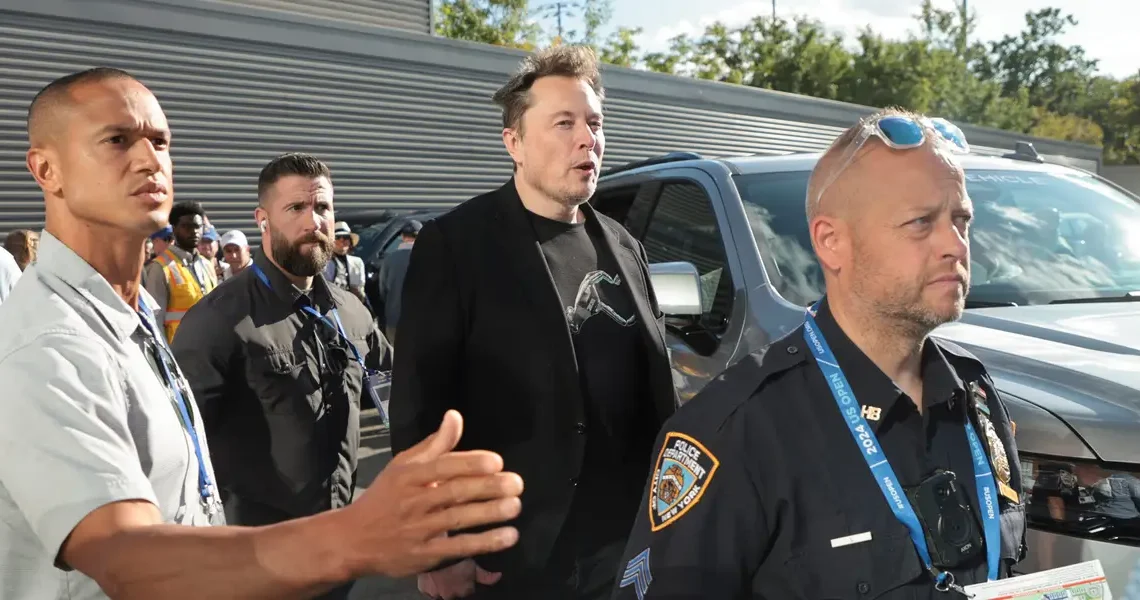
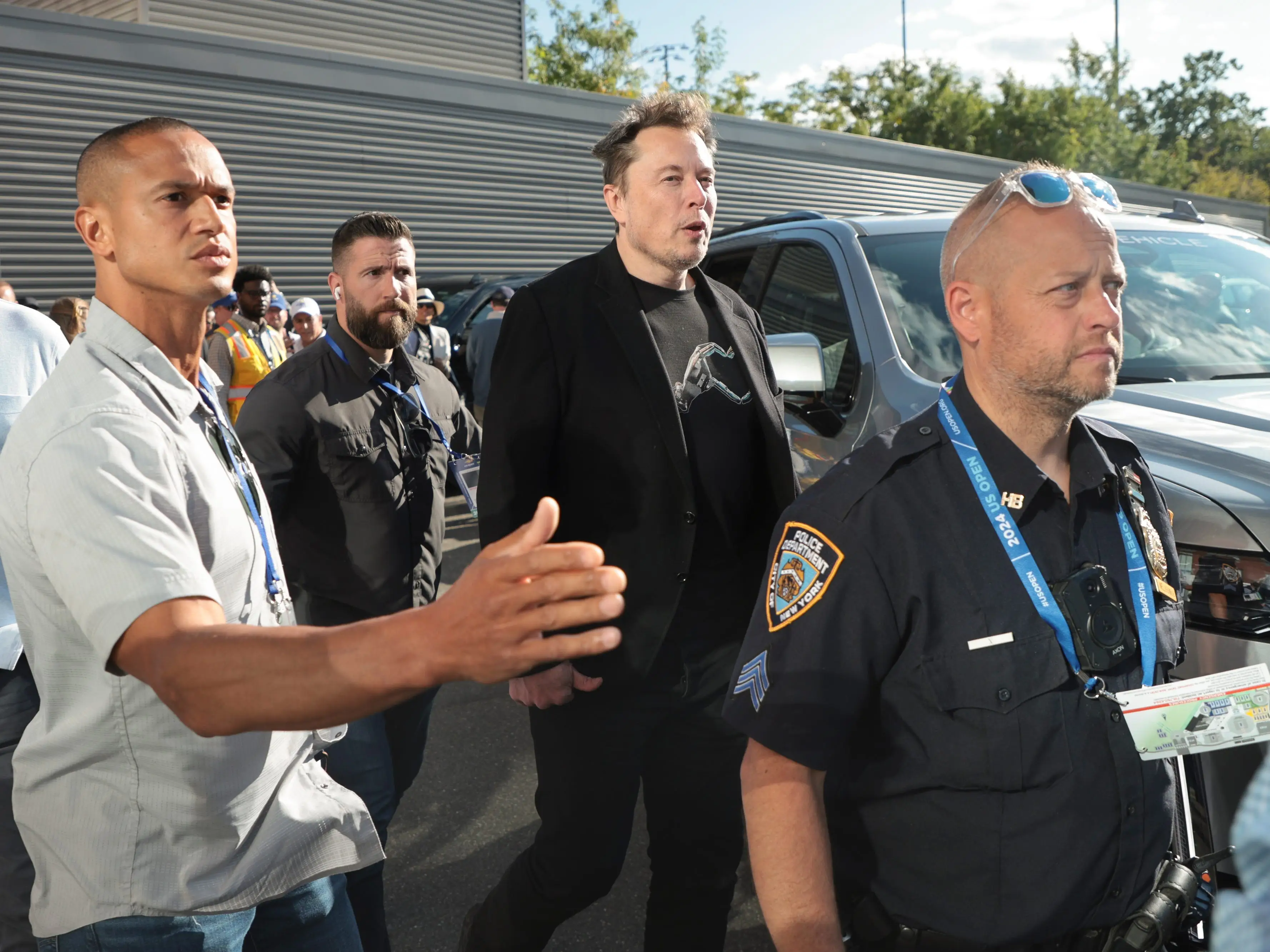
While high-profile CEOs have long had protection in high-risk zones, Buckner said what’s grown more common is keeping executives under a 24/7 safety umbrella.
Buckner said that the protocol for one of his protectees, a Fortune 500 CEO, includes 18 armed agents, camera surveillance of the executive’s home, and monitoring of its WiFi network. A former garage on the property now serves as an “op center,” he said.
“I have two to four roving armed agents around their home, 24 hours a day,” Buckner said.
It can be a challenge to determine whether something that starts as disapproval over a company or leader could morph into something more nefarious, security veterans said.
A threat might start out as a joke in poor taste, and a group targeting a company might pick it up. Then, all of a sudden, it becomes a real risk, said Lisa Kaplan, founder and CEO of the risk-intelligence firm Alethea.
‘The reality of risk’
Caleb Gilbert, founder of White Glove Protection Group, a security firm serving large companies and family offices, said the range of people who feel threatened has widened over the past six months.
“The reality of risk is resonating with more people. And that’s different than I’ve seen in the last 30 years,” he said.
One reason is that the cadence of high-profile incidents — from the attempted assassination of President Donald Trump in 2024 to the killing of conservative activist Charlie Kirk in September — hasn’t seemed to slow, Gilbert said. While attacks on business leaders remain rare, many nonetheless feel rattled, he said.
“It used to be where something bad would happen, there’d be time in between, and the executives would forget about it,” Gilbert said. Now, “with the security-minded glasses that they put on, it’s brought everything into focus.”
The cost of protection is part of that view. A small protective detail can cost about $1 million a year, while a full-scale operation can reach $30 million, he said.
In some cases, Gilbert said, even without a board’s prodding, executives are “willing to give up personal liberties that they cherished before for the sake of feeling safe.”
The apparent kidnapping of Nancy Guthrie could lead to demand from executives to detect threats against parents, Kaplan said. Typically, she receives requests from executives to monitor risks to their children.
Buckner said he recently spoke to a group of CEOs in Washington, DC, on security threats. Many reported feeling unnerved, he said.
“It’s palatable,” he said. “They’re scared that they’re in a new world order. They’re not quite sure how to navigate it.”
Read the original article on Business Insider
The post Why more CEOs and boards are worrying about security: ‘The risk is everywhere.’ appeared first on Business Insider.