The Olympics and its athletes have been the subject of many infamous scandals and controversies over the years — Tonya Harding and Ryan Lochte may come to mind.
The last Olympics, the 2024 Summer Olympics in Paris, were no exception, as athletes faced online scrutiny and judging errors, while National Olympic Committees and coaches faced cheating allegations. And, of course, who could forget about all the drama with pollution in the Seine?
Here’s a look back at some of the Olympic Games’ biggest controversies and updates on those that continue to unfold.
At the 1998 Winter Olympics, French ice skater Surya Bonaly pulled off an illegal yet impressive backflip on the ice that cost her points.
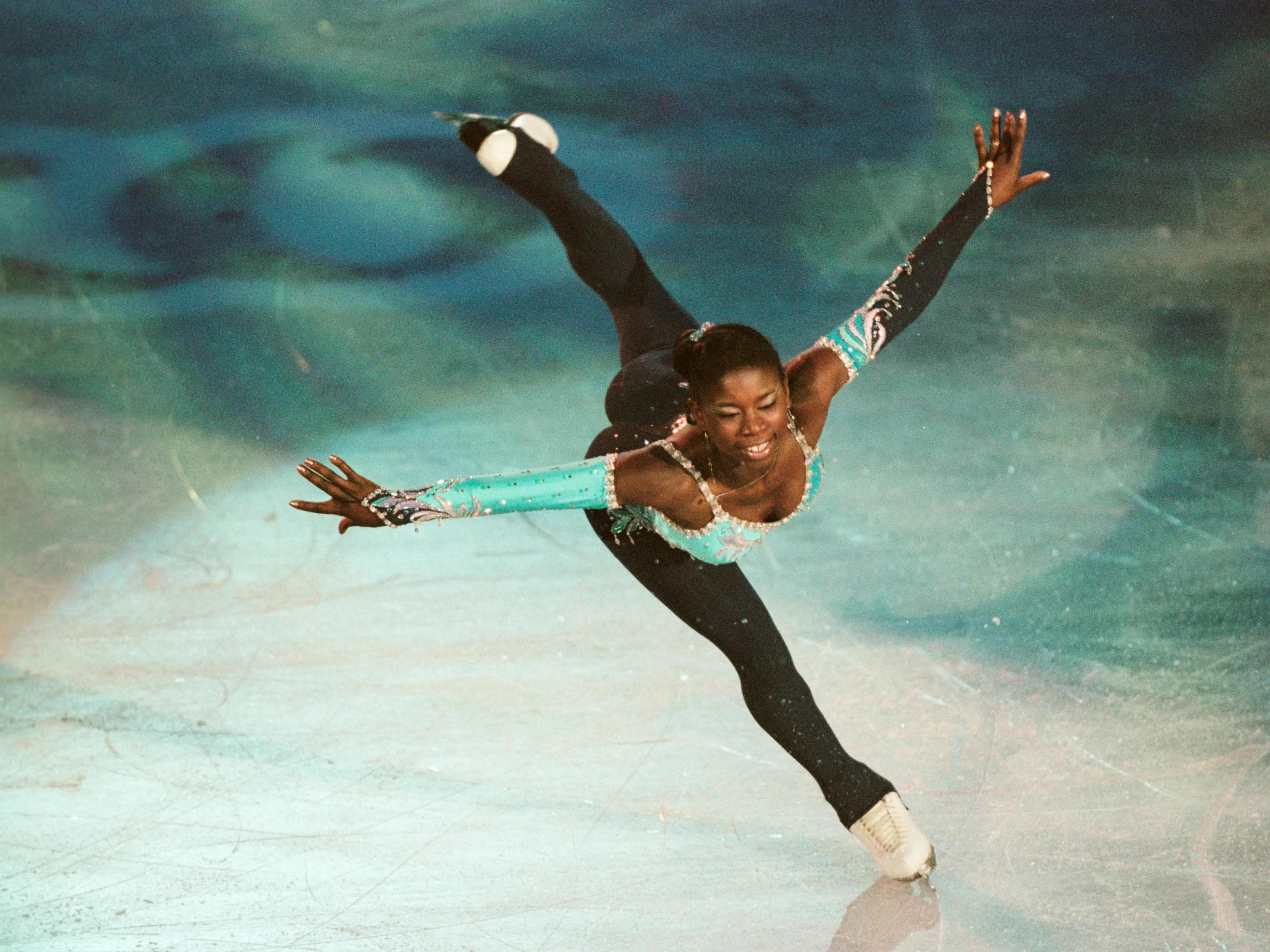
After suffering an injury prior to the Olympics in Nagano, Japan, and realizing three minutes into her free skate that she wouldn’t be receiving a medal, Bonaly decided to pull out her signature move, a backflip with a landing on one blade, which was then illegal in competition.
“I wanted to do something to please the crowd, not the judges,” she said, according to the Miami Herald and the Washington Post. “The judges are not pleased no matter what I do, and I knew I couldn’t go forward anyway because everybody was skating so good.”
The Huffington Post reported Bonaly is one of only a few female skaters to have ever performed the move in competition, and the only skater, male or female, to ever land a one-foot backflip.
Tonya Harding was barred from figure skating after her ex-husband planned an attack on her competitor, Nancy Kerrigan, in an effort to crush Kerrigan’s Olympic dreams.
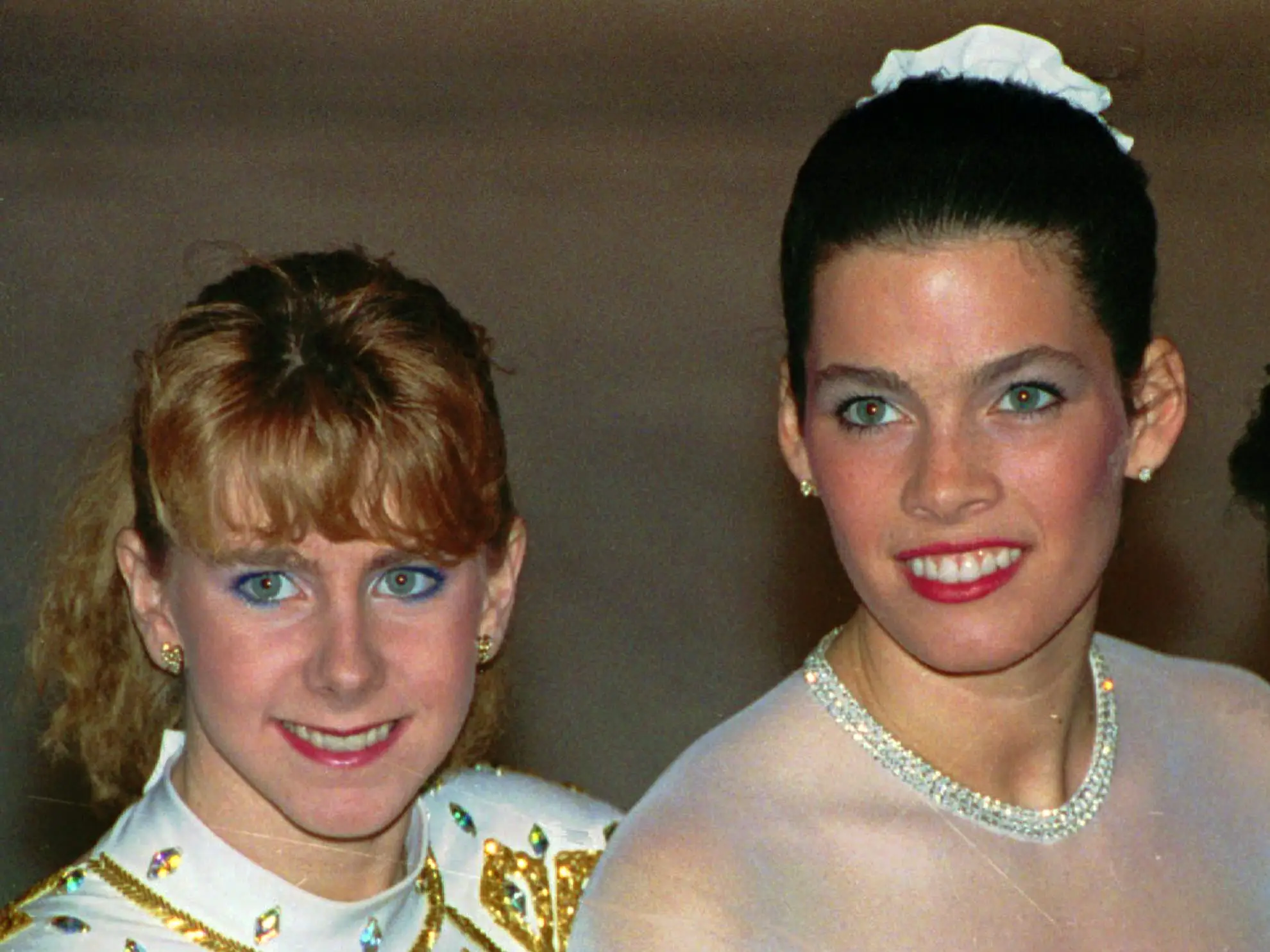
In one of the biggest scandals in sports history, Nancy Kerrigan was physically attacked and struck in the leg on January 6, 1994, which put her at risk of never skating again.
At the time, she was the top ice skater in the US and a gold medal hopeful for the 1994 Winter Olympics.
Harding pleaded guilty to failing to cooperate with prosecutors. She was fined $160,000 and barred from ever participating in skating competitions again.
Harding’s ex-husband, her former bodyguard, and two others spent time in prison for their connections to the scheme after pleading guilty to charges.
For more than two decades, Harding denied knowing anything about their plot, but in a 2018 ABC special, she admitted she had an inkling the men were behind it. However, she’s maintained she had no part in planning the attack.
At the 2000 Olympic Games in Sydney, the artistic gymnastics vault was 2 inches shorter than it was supposed to be.
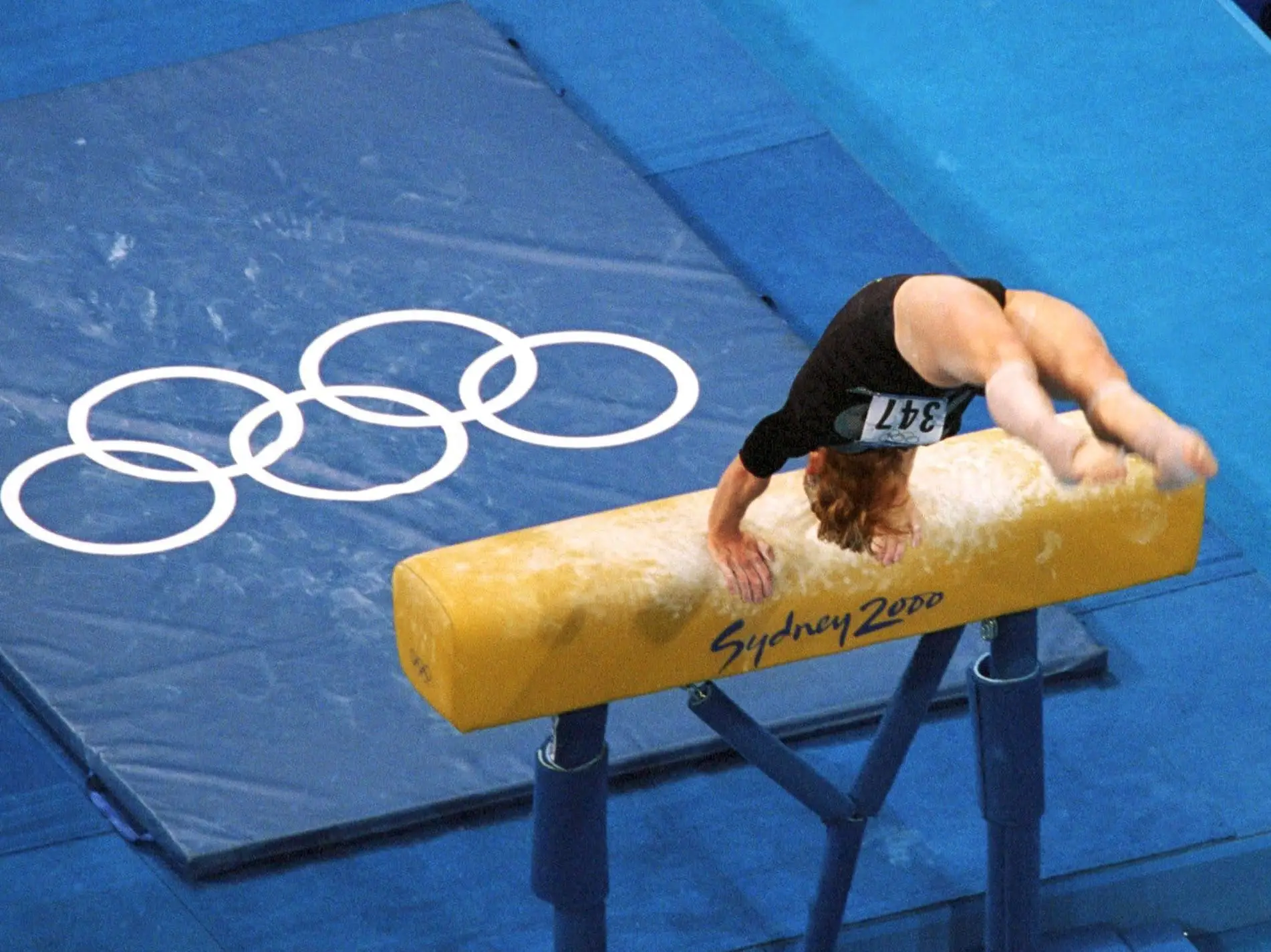
The error during the women’s all-around threw many athletes off their game, and some fell. Eighteen gymnasts used the vault before one flagged the issue to organizers.
Five gymnasts took the opportunity to re-perform their vaults after the botched vault setting was revealed, ABC News reported.
The International Gymnastics Federation (FIG) said the organizations tasked with overseeing the equipment were reprimanded, The Associated Press reported.
“It was checked. Believe me, it was checked. I’m sure triple-checked,” Slava Corn, then-president of the media commission for FIG, said following the error, AP reported.”And, quite frankly, I don’t think we’ll ever have an error like this again.”
Nearly a decade after her win, it emerged that Chinese gymnast and medalist Dong Fangxiao had lied about her age at the 2000 Olympics.
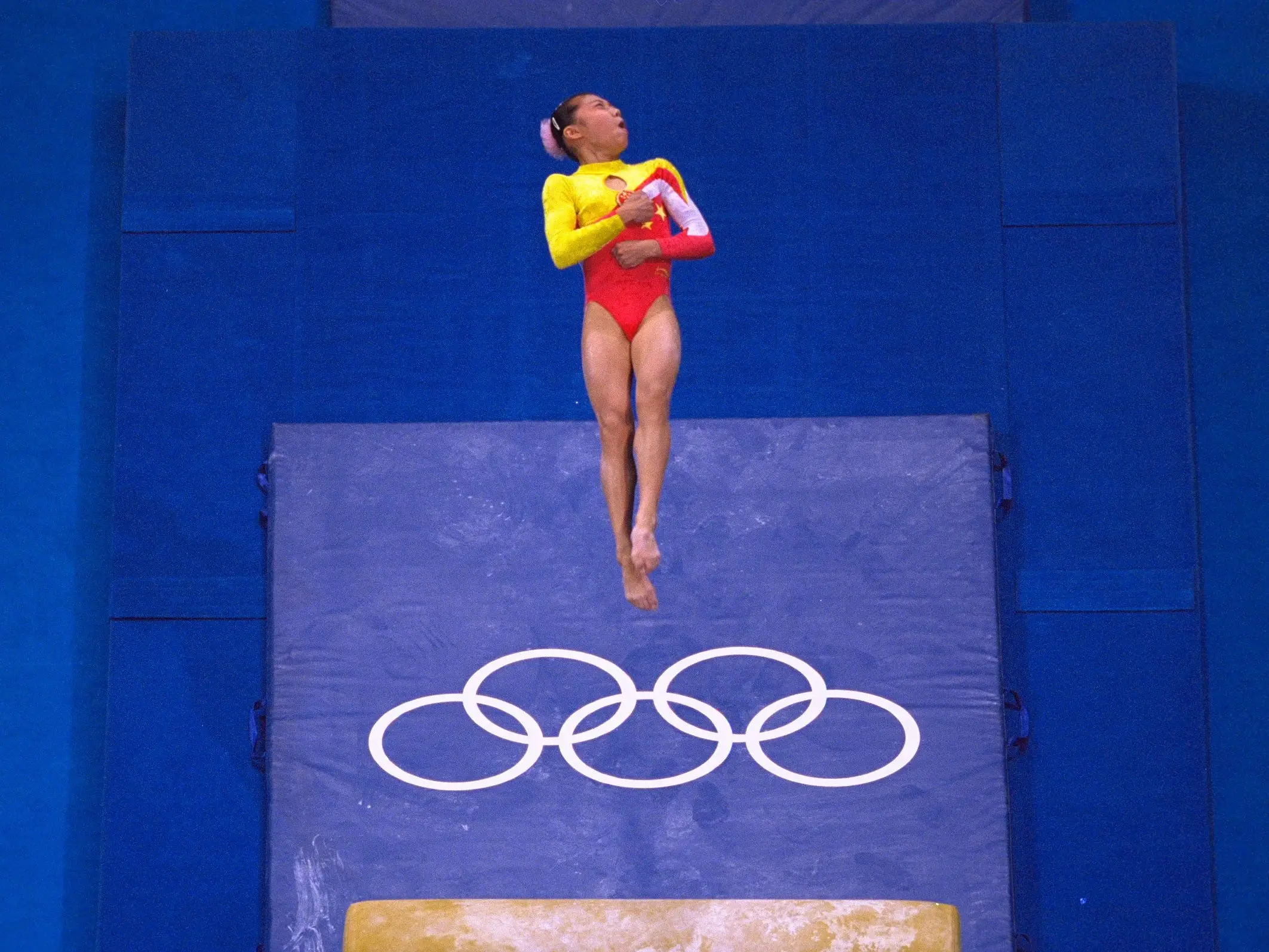
When Dong Fangxiao registered as a technical official for the Beijing Olympics in 2008, she listed her birth year as 1986 — not 1983, as her paperwork indicated at the time of her bronze-medal-winning appearance at the 2000 Olympics in Sydney.
In 2010, after an investigation, FIG determined that Fangxiao’s age had been falsified to meet the 2000 Olympics’ requirement that all competing athletes be at least 16 years old. At the time of the competition, she was 14.
Age restrictions are in place to protect young athletes from injury as their bodies are still growing.
In 2010, Fangxiao’s scores were discounted, and the team’s bronze medal was later revoked. The fourth-place US team was then awarded the bronze medal.
It came amid scrutiny over the ages of other Chinese gymnasts who competed at the 2008 Olympics, but an official investigation concluded they were indeed eligible to compete, Reuters reported.
Team USA track athlete Marion Jones was stripped of her five Olympic medals after admitting to using steroids.
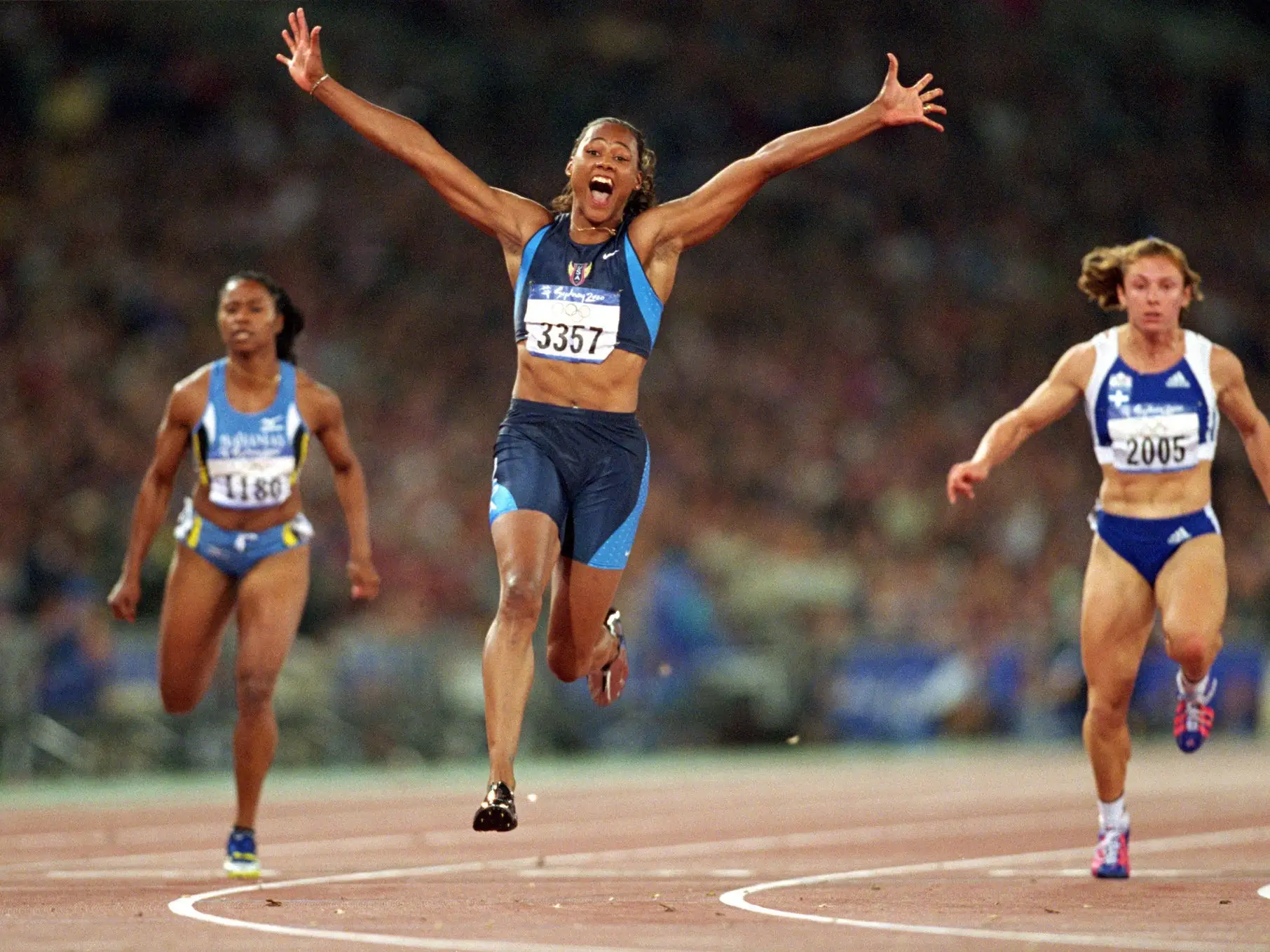
At the 2000 Olympics in Sydney, Jones became the first woman to win five track-and-field medals at a single Olympics. Three of her medals were gold.
However, in 2007, Jones admitted she had used steroids to prepare for the games and gave up her medals.
“I have let my country down, and I have let myself down,” Jones said at a press conference outside court in 2007. “I recognize that by saying that I’m deeply sorry, it might not be enough and sufficient to address the pain and the hurt that I have caused you. Therefore, I want to ask for your forgiveness for my actions, and I hope you can find it in your heart to forgive me.”
In January 2008, she was sentenced to six months in prison for lying to federal investigators about her steroid use ahead of the Olympics and for her involvement in a separate check fraud case.
In 2025, Jones, who went on to play professional basketball after her prison term, told The Athletic she has moved on from the scandal. “You not only have done your physical time, but you’ve done your mental time, as well,” Jones told herself.
“You’ve apologized more times than you ever needed to. Now it’s time for you to live your life,” she added.
More than 100 athletes from Russia were banned from the 2016 Games in Rio due to widespread doping allegations.
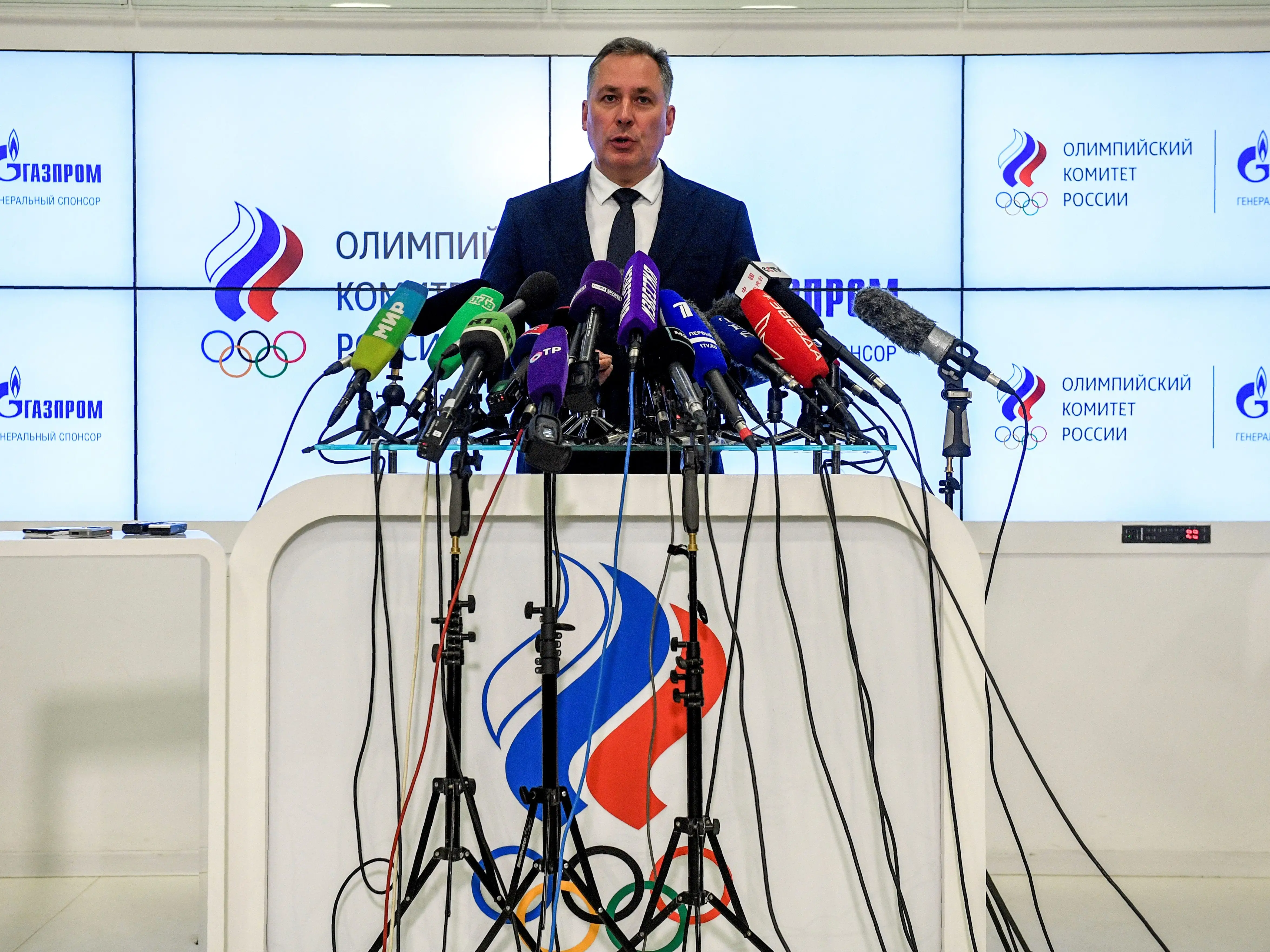
The International Olympic Committee (IOC) conducted an investigation of all Russian athletes set to compete in the Rio Olympics following allegations by the former director of Russia’s anti-doping laboratory. He alleged widespread “doping” — the use of illegal substances to improve sports performance — during the 2014 Olympics in Sochi.
Reuters reported that 116 Russian athletes were banned from the 2016 Olympic Games in Rio de Janeiro, while the remaining 271 athletes were approved to compete. A smaller squad was also sent to the 2018 PyeongChang Winter Games in South Korea.
In light of the doping scandal, Russia’s team name, flag, and national anthem were barred from the 2020 Tokyo Olympics and the 2022 Beijing Olympics by the Court of Arbitration for Sport. Instead, the team went by “ROC,” an acronym for the Russian Olympic Committee.
“We are very sorry that athletes who tried to deceive us, and the world, were not caught sooner,” Russian sports minister, Vitaly Mutko, wrote in the Times of London in 2016. “We are very sorry because Russia is committed to upholding the highest standards in sport and is opposed to anything that threatens the Olympic values.”
He added that testing ahead of Rio would be far more rigorous and carried out by an independent body.
Russia has also not competed in recent Olympic Games. Following Russia’s 2022 invasion of Ukraine, the IOC banned its team from competing in Paris in 2024 and Milan-Cortina in 2026. Instead, athletes can compete as “Individual Neutral Athletes.”
US swimmers Ryan Lochte, Jimmy Feigen, Gunnar Bentz, and Jack Conger were embroiled in a scandal in Rio.
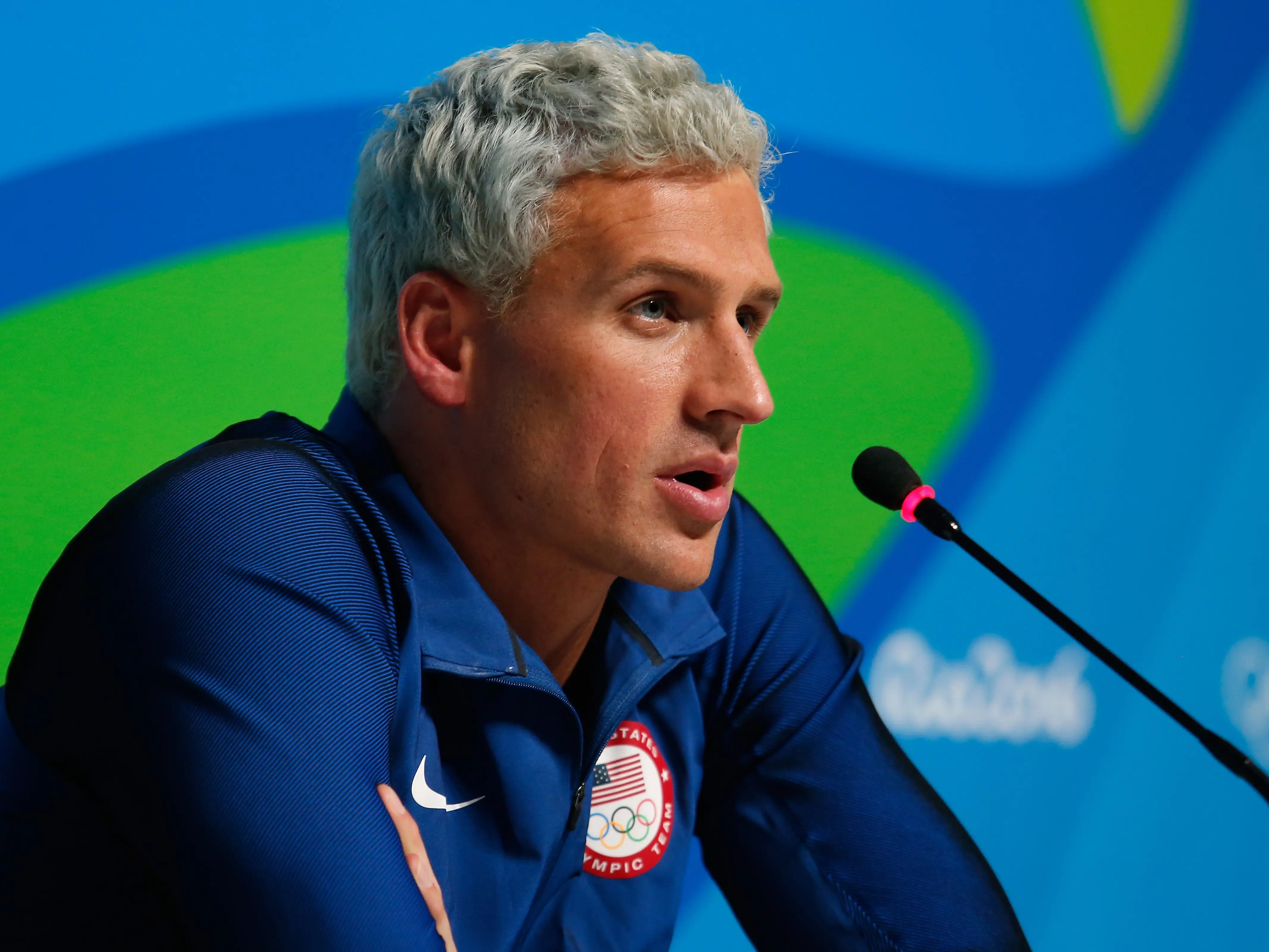
The story began when Ryan Lochte’s mother told USA Today that he’d been robbed at gunpoint. He repeated the claim to other outlets, saying he and his teammates had been robbed at gunpoint by men posing as police.
However, police in Brazil said they were unable to confirm their account with witnesses. Within days, Conger and Bentz told police that Lochte had made up the story.
Instead, an investigation found that after the four men had asked their taxi driver to pull over at a gas station, they engaged in public urination and vandalism. They were then confronted by armed security guards, police said.
A week after his initial claims, Lochte admitted to exaggerating their original story in an interview with NBC, saying, “If I hadn’t exaggerated the story or told the entire story, none of this would have happened. I was coming from the France house, I was highly intoxicated, and I made immature accusations. If I had not done that, none of this would have happened.”
He added that he was “truly, 110% sorry.”
Lochte was given a 10-month suspension from domestic and international competitions, while Feigen, Bentz, and Conger were given four-month suspensions for failing to come forward about what actually happened that night, The New York Times reported.
Ahead of the 2020 Olympics, the Olympic committee sparked outrage after banning swim caps designed specifically for natural hair.
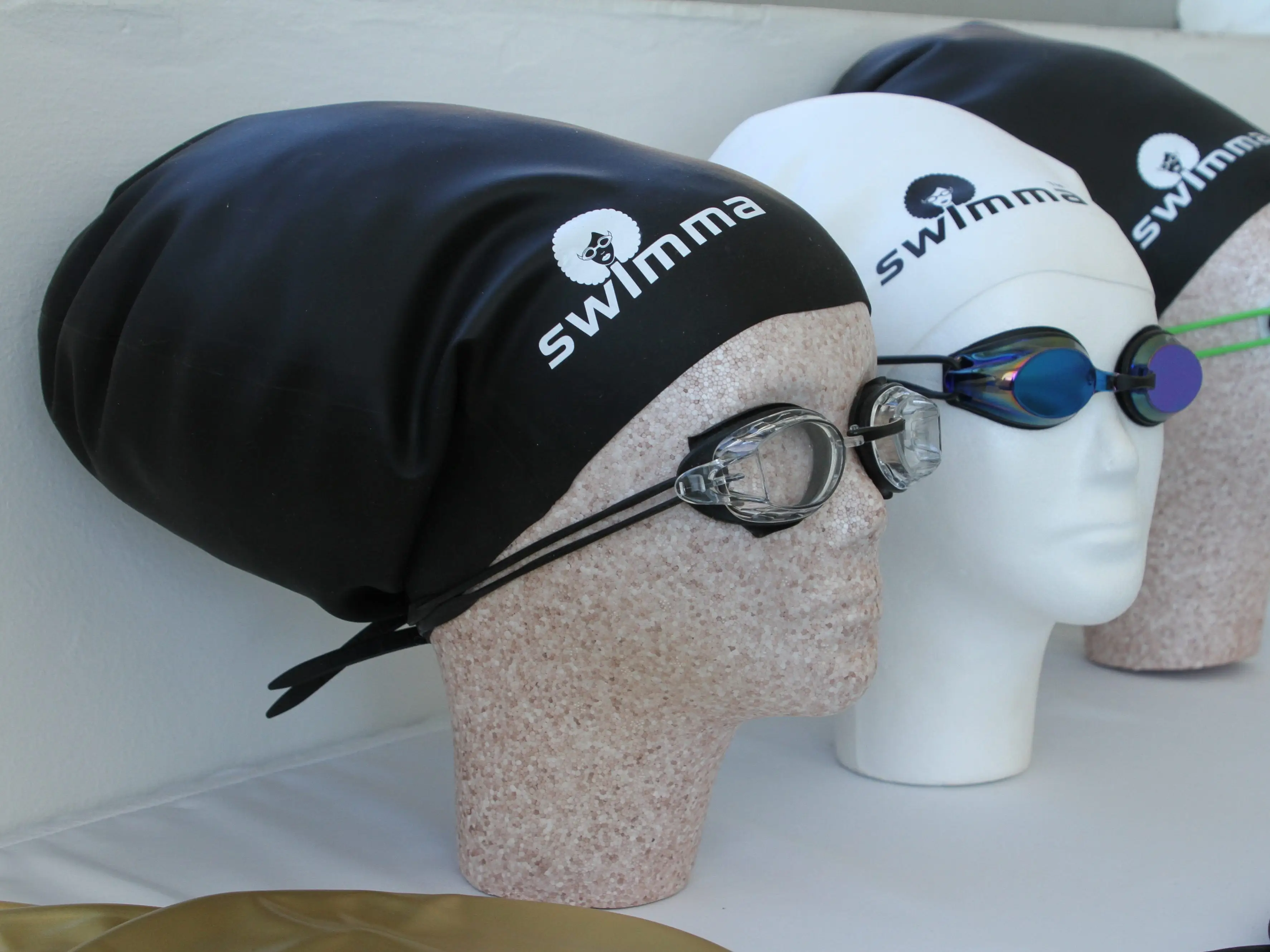
Ahead of the 2020 Olympics in Tokyo — which were delayed until 2021 due to the COVID-19 pandemic — the International Swimming Federation (known as World Aquatics since January 2023) announced that certain swim caps would not be permitted, Metro reported.
The organization, formerly known as FINA, rejected an application to certify products from the Black-owned brand Soul Cap, which creates inclusive swim caps for people with dreadlocks, afros, and other natural hairstyles. FINA said the caps didn’t fit “the natural form of the head” and were unnecessary.
“For younger swimmers, feeling included and seeing yourself in a sport at a young age is crucial,” Toks Ahmed and Michael Chapman, the founders of Soul Cap, told Business Insider. “FINA’s recent dismissal could discourage many younger athletes from pursuing the sport as they progress through local, county, and national competitive swimming.”
Following criticism, FINA later said it would be reviewing its decision. Soul Cap was officially approved by FINA in September 2022.
Sha’Carri Richardson was excluded from the USA Track and Field Olympics roster after a positive drug test result.
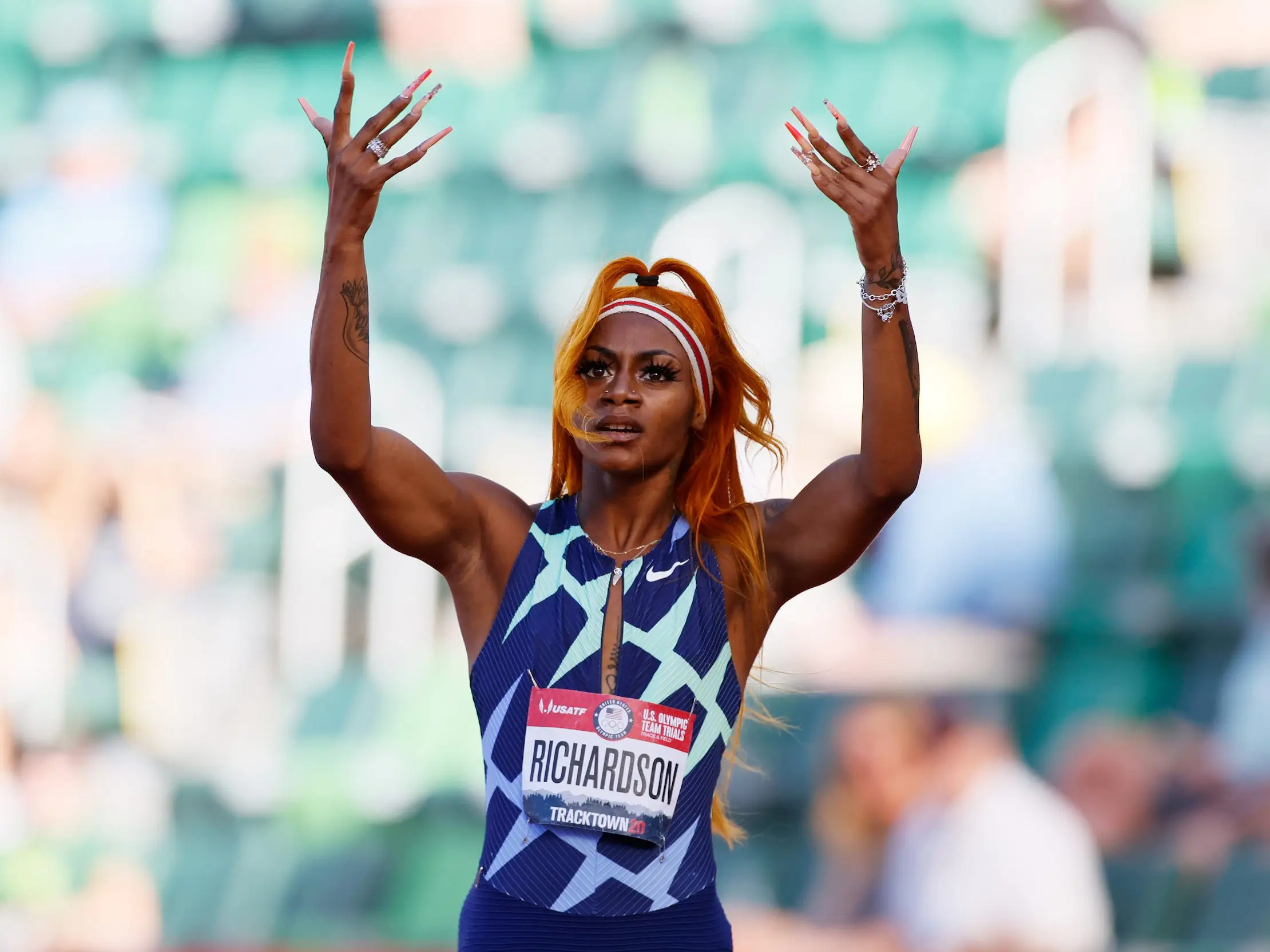
Sha’Carri Richardson, one of the fastest female runners in the US, was excluded from the US relay team in 2021 after testing positive for THC, the psychoactive component in cannabis, at the US Olympic Team Trials. She later admitted she had taken marijuana after learning from a reporter that her biological mother had died.
“I’m not making an excuse or looking for empathy in my case,” the then-21-year-old athlete said in an interview with NBC’s “Today” show. However, she added that finding out about her mother’s death and dealing with the relationship they had “was a very heavy topic.”
USATF said in a statement: “First and foremost, we are incredibly sympathetic toward Sha’Carri Richardson’s extenuating circumstances and strongly applaud her accountability — and will offer her our continued support both on and off the track.
“While USATF fully agrees that the merit of the World Anti-Doping Agency rules related to THC should be reevaluated, it would be detrimental to the integrity of the US Olympic Team Trials for Track & Field if USATF amended its policies following competition, only weeks before the Olympic Games,” the statement continued.
Richardson did make the 2024 Paris Olympics, however, and earned silver and gold medals there.
Horseback riding was eliminated from the modern pentathlon after a horse-punching incident at the Tokyo Olympics.
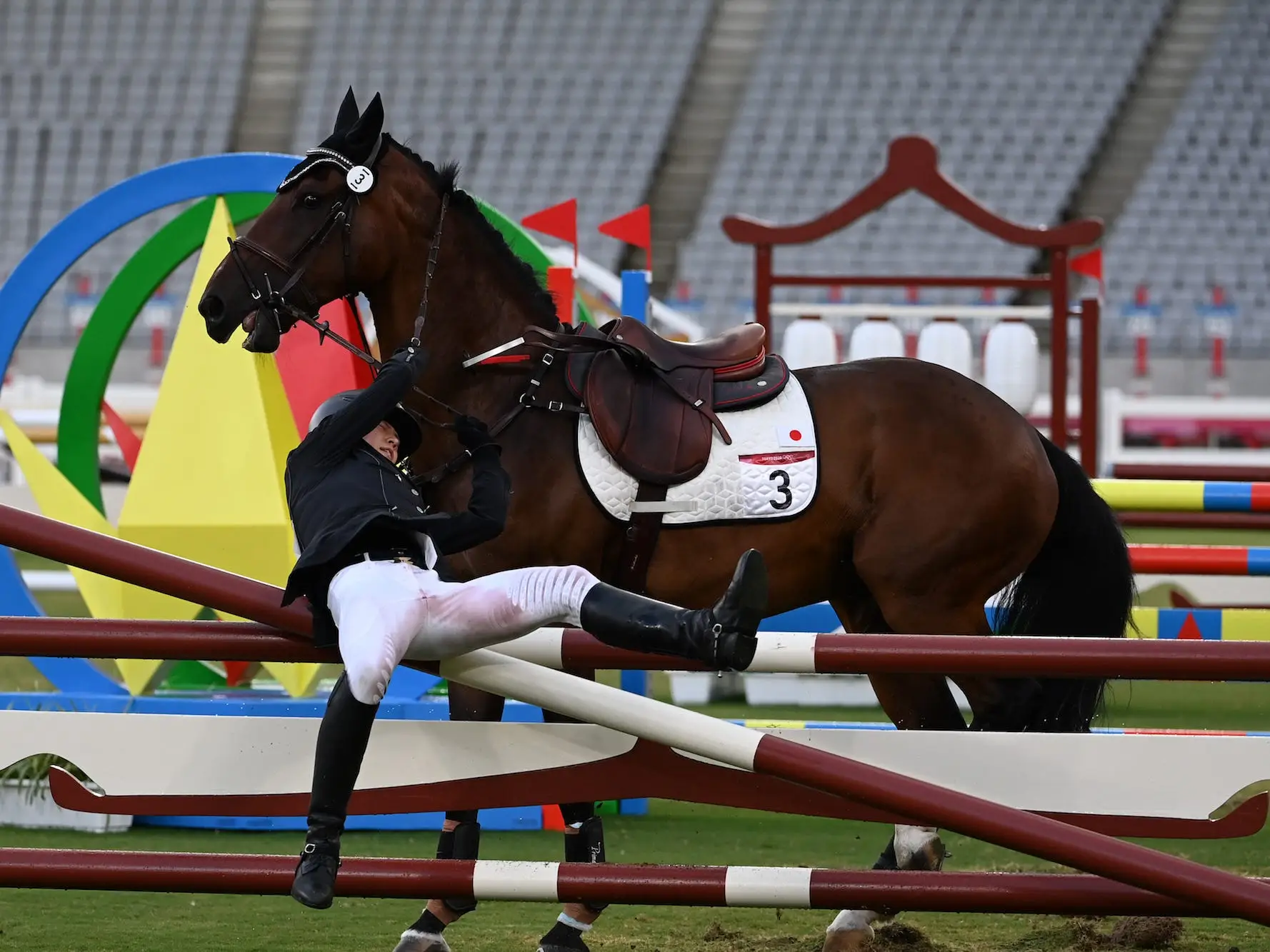
In 2021, German coach Kim Raisner was ejected from the Olympic competition following an incident involving athlete Annika Schleu and her horse, Saint Boy. When Saint Boy refused to jump during the show-jumping round of the women’s event, Raisner was heard encouraging Schleu to “really hit it, hit” the horse to get it to jump, and even struck Saint Boy herself.
Following the incident, animal safety at the event was called into question. The Union Internationale de Pentathlon Moderne, which oversees the pentathlon, said the incident caused “distress both inside and outside the global UIPM Sports community.”
“UIPM regrets the trauma suffered by Saint Boy in this high-profile incident and has penalized the coach who violated the UIPM Competition Rules by striking the horse from outside the ring,” the organization said in a statement.
“Although no athlete or horse was physically injured on August 6, the best possible safeguards must be in place to minimize risk in future,” it added.
Ultimately, the UIPM’s executive board voted to remove horse riding from the modern pentathlon. The change came into effect after the 2024 Paris Olympics, and obstacle course racing will replace the equestrian event at the 2028 Olympics in Los Angeles.
Kamila Valieva’s eligibility for the 2022 Winter Olympics was called into question after she failed a drug test, but she was allowed to compete.
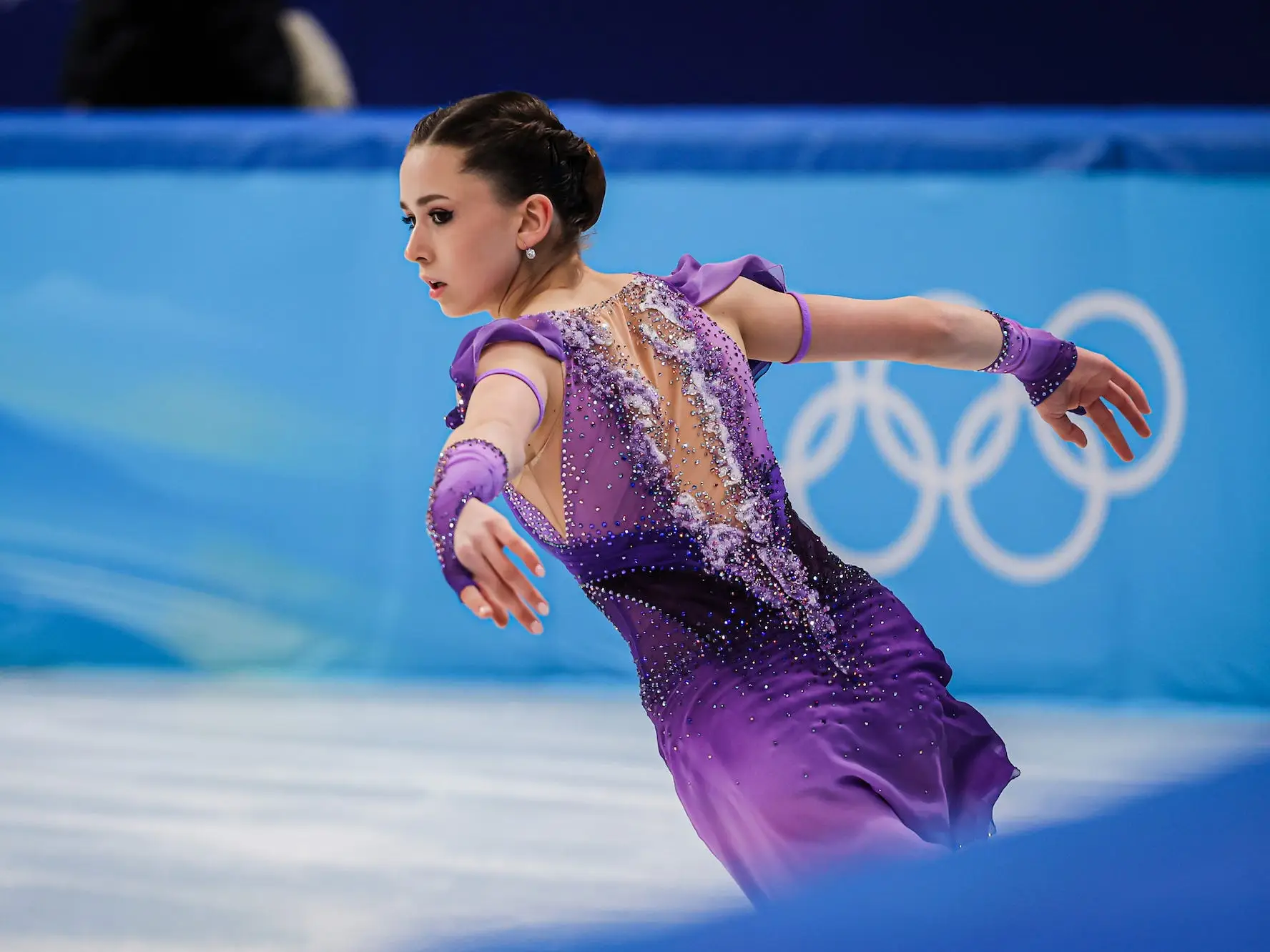
Kamila Valieva, a skater competing for the Russian Olympic Committee, was embroiled in a doping scandal after it emerged she had tested positive for trimetazidine, a drug the World Anti-Doping Agency categorizes as a “hormone and metabolic modulator,” as reported by The Associated Press.
Business Insider reported that the drug can “bolster endurance and improve circulation,” potentially giving athletes who do not need to use the drug a competitive advantage.
Valieva’s lawyers said her positive test was the result of a mix-up with her grandfather’s medicine.
After news of the skater failing the drug test in December 2021 emerged in early February 2022, Valieva was suspended from competition. However, the decision was appealed and overturned, allowing Valieva to continue with the competition. The IOC later challenged that decision, but the Court of Arbitration for Sport lifted her suspension.
Ultimately, Valieva was allowed to skate, a move that drew backlash from the skating community, including commentators Tara Lipinski and Johnny Weir.
American sprinter Sha’Carri Richardson said she believed she was treated differently from Valieva over their positive tests because she is Black; the IOC denied that was the case.
The skater earned first place in the women’s short program on February 15, 2022, but she placed fourth in the women’s free skate two days later after two falls, keeping her out of medal contention.
The IOC had said it would not hold a medal ceremony if she were in the top three.
Olympic medalist Charlotte Dujardin of Great Britain was barred from the Paris Olympics after a video reportedly showed her whipping a horse.
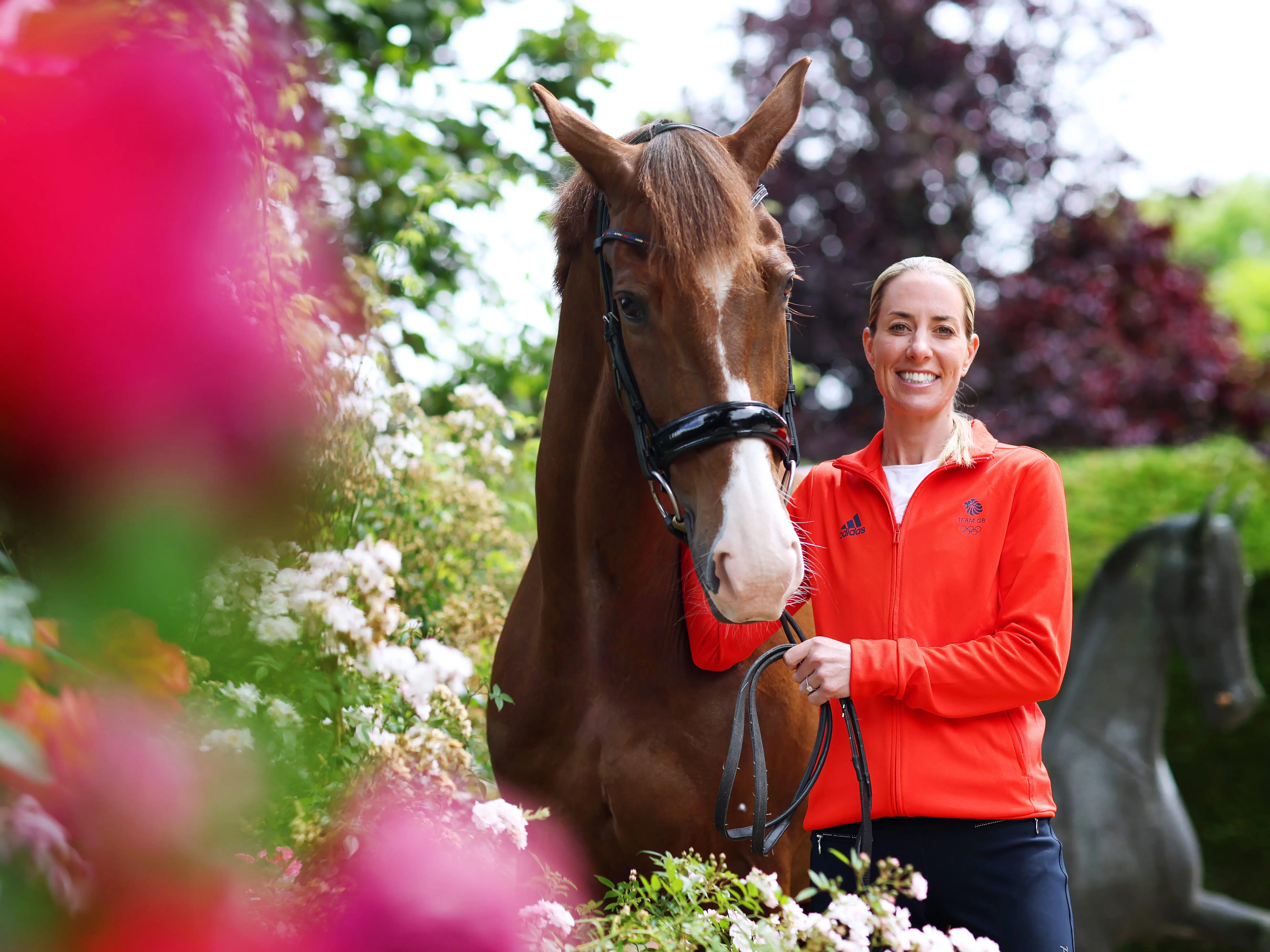
In a July 2024 press release, the International Federation for Equestrian Sports (FEI) said it received a video of six-time dressage medalist Dujardin “engaging in conduct contrary to the principles of horse welfare,” noting that “the footage was allegedly taken several years ago during a training session conducted by Ms. Dujardin at a private stable.”
The Guardian reported Dujardin whipped a horse more than 20 times during the session.
She was issued a one-year suspension, a fine, and barred from the Paris Games.
Dujardin released a statement on Instagram, writing that the video showed her “making an error of judgment.”
She added, “What happened was completely out of character and does not reflect how I train my horses or coach my pupils; however, there is no excuse. I am deeply ashamed and should have set a better example in that moment.”
Dujardin finished her statement with an apology and said she would “cooperate fully” during investigations.
Canadian women’s soccer head coach Beverly “Bev” Priestman was removed from the 2024 Olympics amid a cheating scandal.
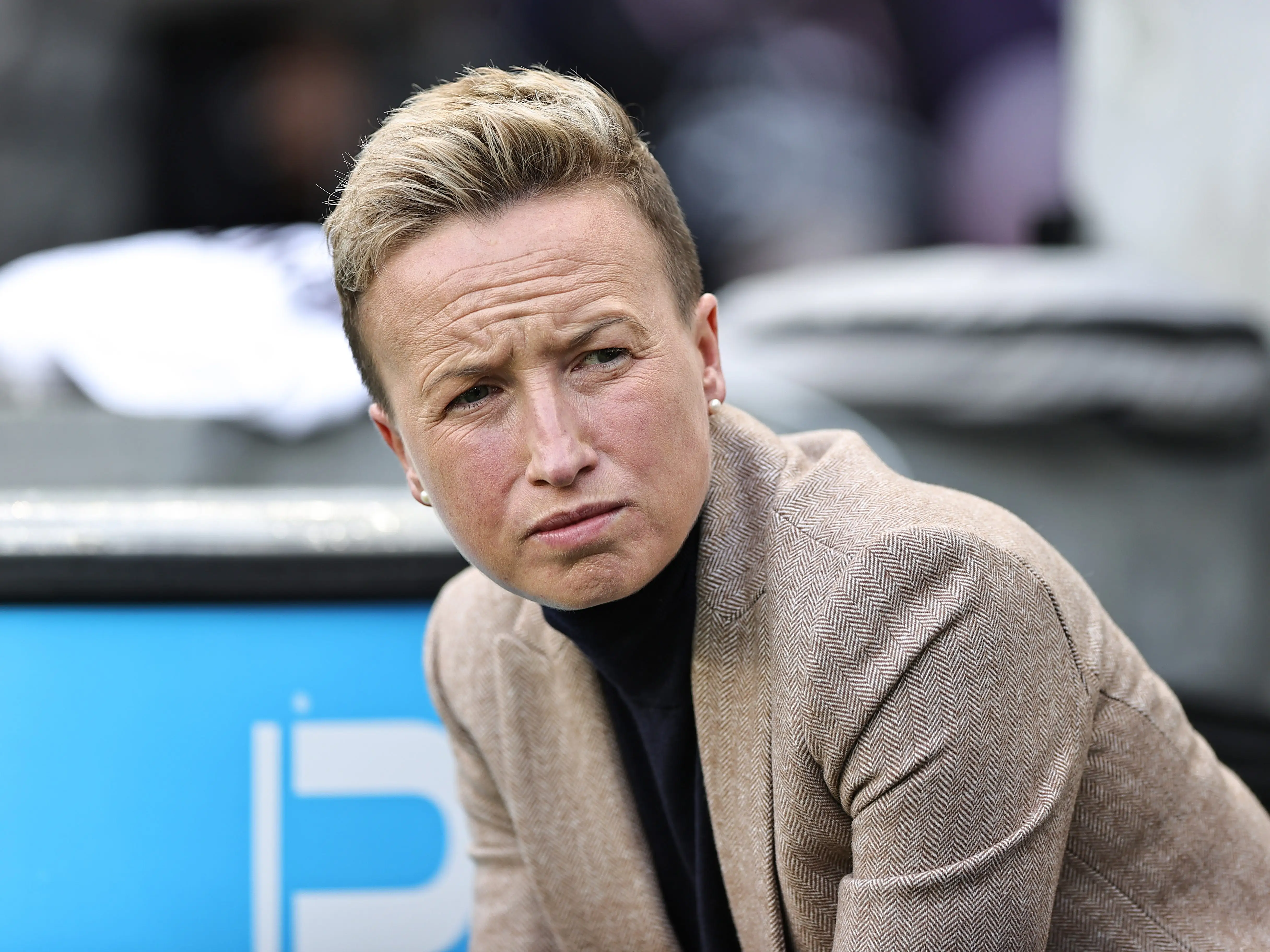
On July 26, 2024, the Canadian Olympic Committee released a statement that women’s national soccer team head coach Bev Priestman had been removed from the Olympics.
“Over the past 24 hours, additional information has come to our attention regarding previous drone use against opponents, predating the Paris 2024 Olympic Games,” Kevin Blue, then Canada Soccer CEO and general secretary, said.
It followed the arrest of an analyst, identified by the Toronto Star as Joseph Lombardi, in France in July after authorities said he flew a drone over New Zealand’s soccer team and captured images. Lombardi, Priestman, and an assistant coach, Jasmine Mander, were later removed from the Olympics.
Following an investigation by FIFA, Priestman was suspended from the sport for a year, NPR reported.
In a statement issued through her legal counsel, per The Athletic, Priestman said, “As the leader of the team on the field, I want to take accountability, and I plan to fully cooperate with the investigation.”
Under the leadership of interim head coach Andy Spence, the team advanced through the group stage despite a six-point penalty, before ultimately losing to Germany in the quarterfinals.
In 2024, a court ruled Team USA gymnast Jordan Chiles should return her bronze medal.
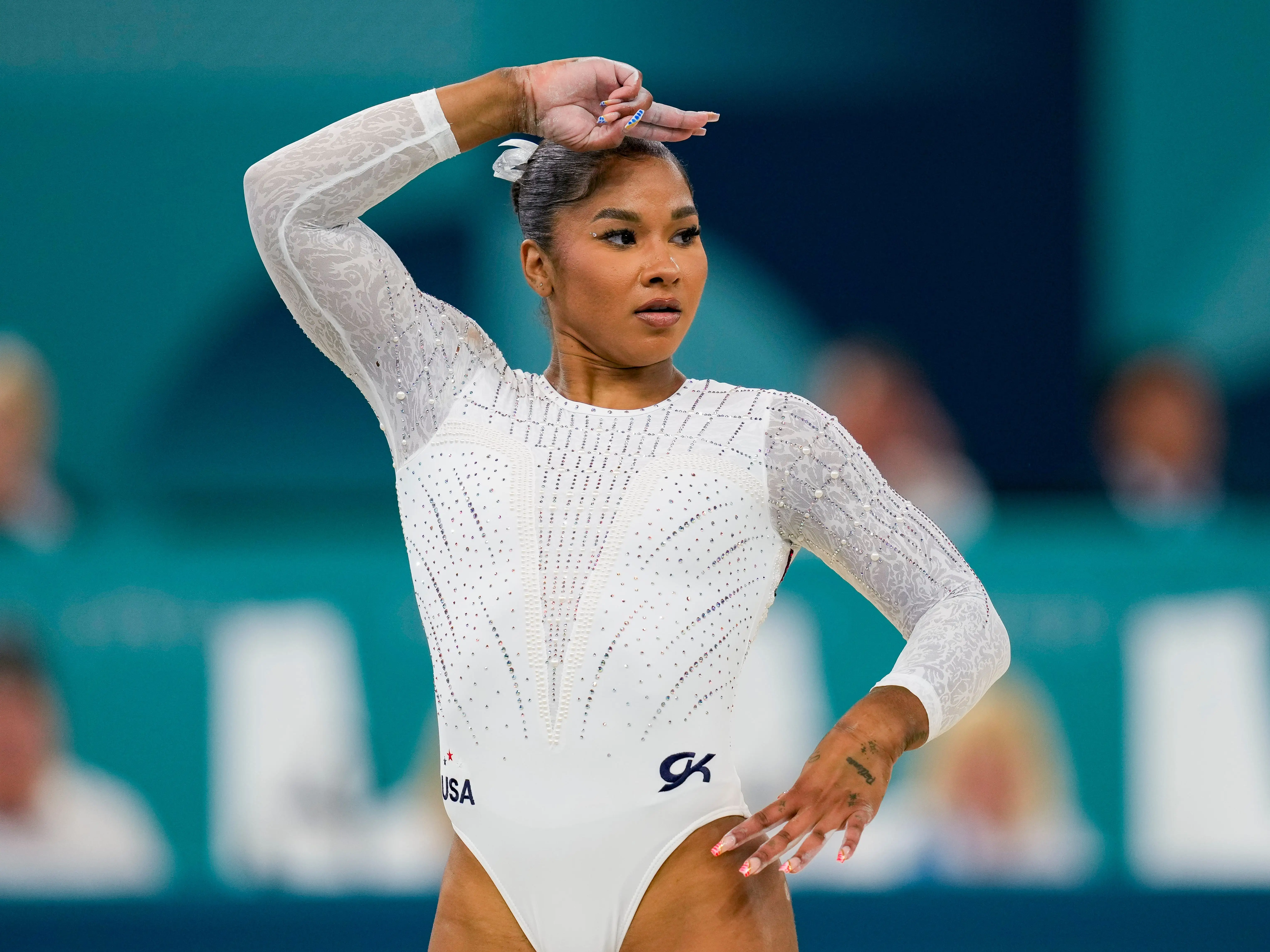
The women’s artistic gymnastics floor exercise final was full of drama. Team USA gymnast Jordan Chiles was initially awarded a score of 13.666, placing fifth.
Her coach, Cecile Landi, appealed the score based on the routine’s difficulty, and officials re-evaluated it, awarding Chiles a 13.766, bumping her from fifth to third place and allowing her to receive the bronze medal instead of Romania’s Ana Bărbosu.
After the competition, Team Romania filed an inquiry about Team USA‘s request to review Chiles’ score, arguing that the challenge wasn’t submitted within the 60-second limit.
On August 10, the Court of Arbitration ruled that Team USA’s appeal was four seconds late and reinstated her original score of 13.666, putting Bărbosu back in third place.
The IOC agreed with the court and released a statement that it is “in touch with the NOC of Romania to discuss the reallocation ceremony and with USOPC regarding the return of the bronze medal.”
USA Gymnastics and the US Olympic & Paralympic Committee released a joint statement defending Chiles and Landi’s original inquiry, writing, “The inquiry into the Difficulty Value of Jordan Chiles’ floor exercise routine was filed in good faith and, we believed, in accordance with FIG rules to ensure accurate scoring.”
USA Gymnastics released an additional statement on X that Landi requested to file the inquiry 47 seconds after the publishing of Chiles’ score, writing, “The time-stamped video evidence submitted by USA Gymnastics Sunday evening shows Landi stated her request to file an inquiry at the inquiry table 47 seconds after the score is posted, followed by a second statement 55 scores after the score was originally posted.”
In January 2026, Switzerland’s federal court said the case would be returned to the Court of Arbitration for further review, in light of new video evidence.
Algerian boxer Imane Khelif’s sex became the subject of intense scrutiny at the 2024 Paris Olympics.
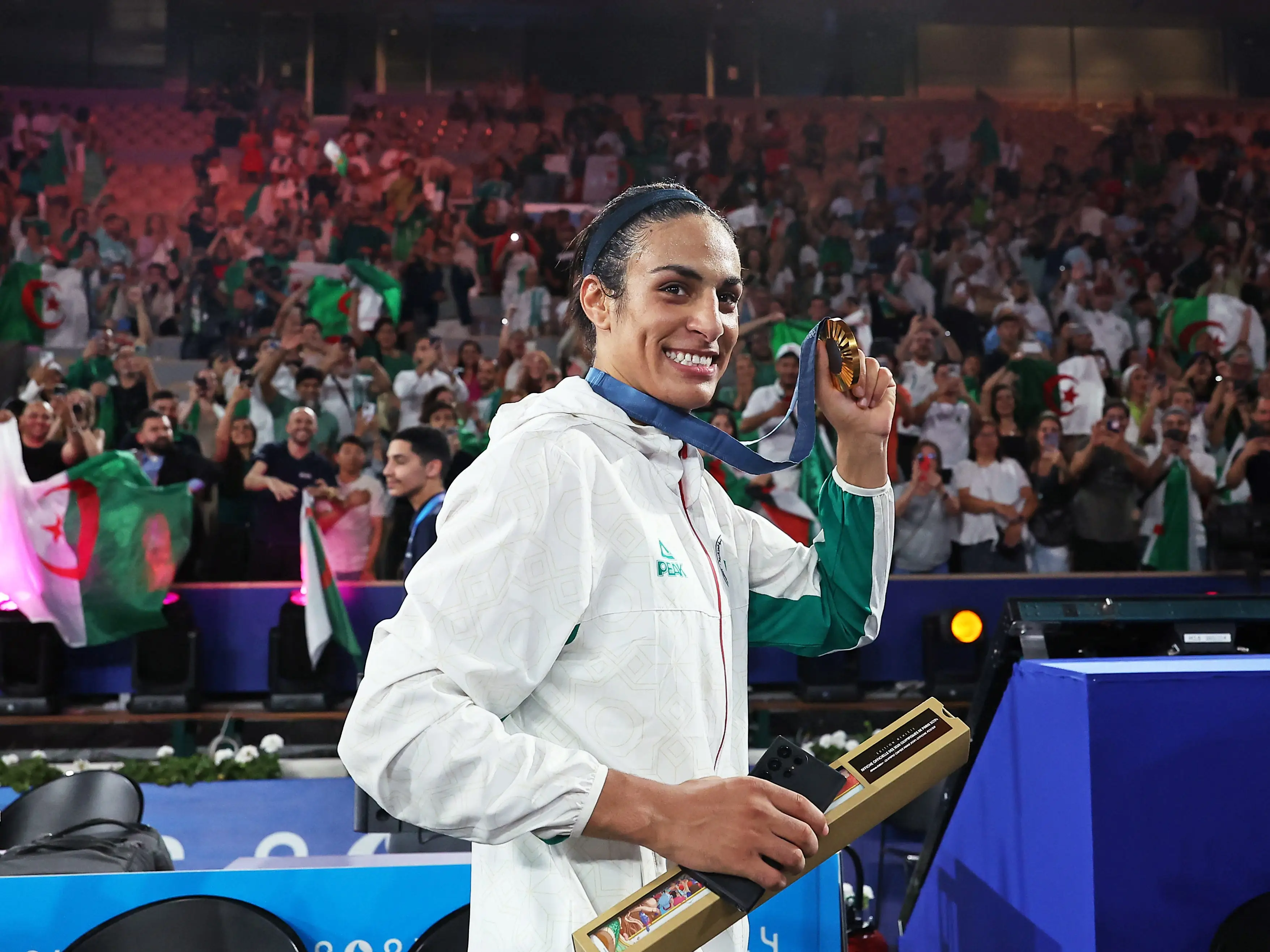
Algerian boxer Imane Khelif faced scrutiny throughout the Olympics due to the spread of misinformation about her sex.
The controversy began after Italy’s Angela Carini withdrew from her competition against Khelif, refusing to shake her hand and saying she’d “never been hit with such a powerful punch.”
Carini’s actions reignited debate over the International Boxing Association’s (IBA) 2023 decision to disqualify Khelif from the world championships.
The IBA — which was banned from the Olympic family in 2023 — said Khelif and Taiwanese boxer Lin Yu-ting failed “to meet the required necessary eligibility criteria and were found to have competitive advantages over other female competitors,” the Associated Press reported.
However, International Olympic Committee spokesman Mark Adams repeatedly defended Khalif and Yu-ting against the unspecified tests and the scrutiny they faced. No evidence was presented publicly that Khelif violated Olympic eligibility rules.
“The whole process is flawed,” Adams said, per the AP, adding, “From the conception of the test, to how the test was shared with us, to how the tests have become public, is so flawed that it’s impossible to engage with.”
Khelif and Yu-ting went on to win gold medals in their respective weight classes.
After Khelif’s win, she said, “I’m a woman like any other woman. I was born a woman, I lived a woman, I competed as a woman.”
Eleven swimmers on China’s 2024 Olympic swimming team were named in a doping scandal from 2021.
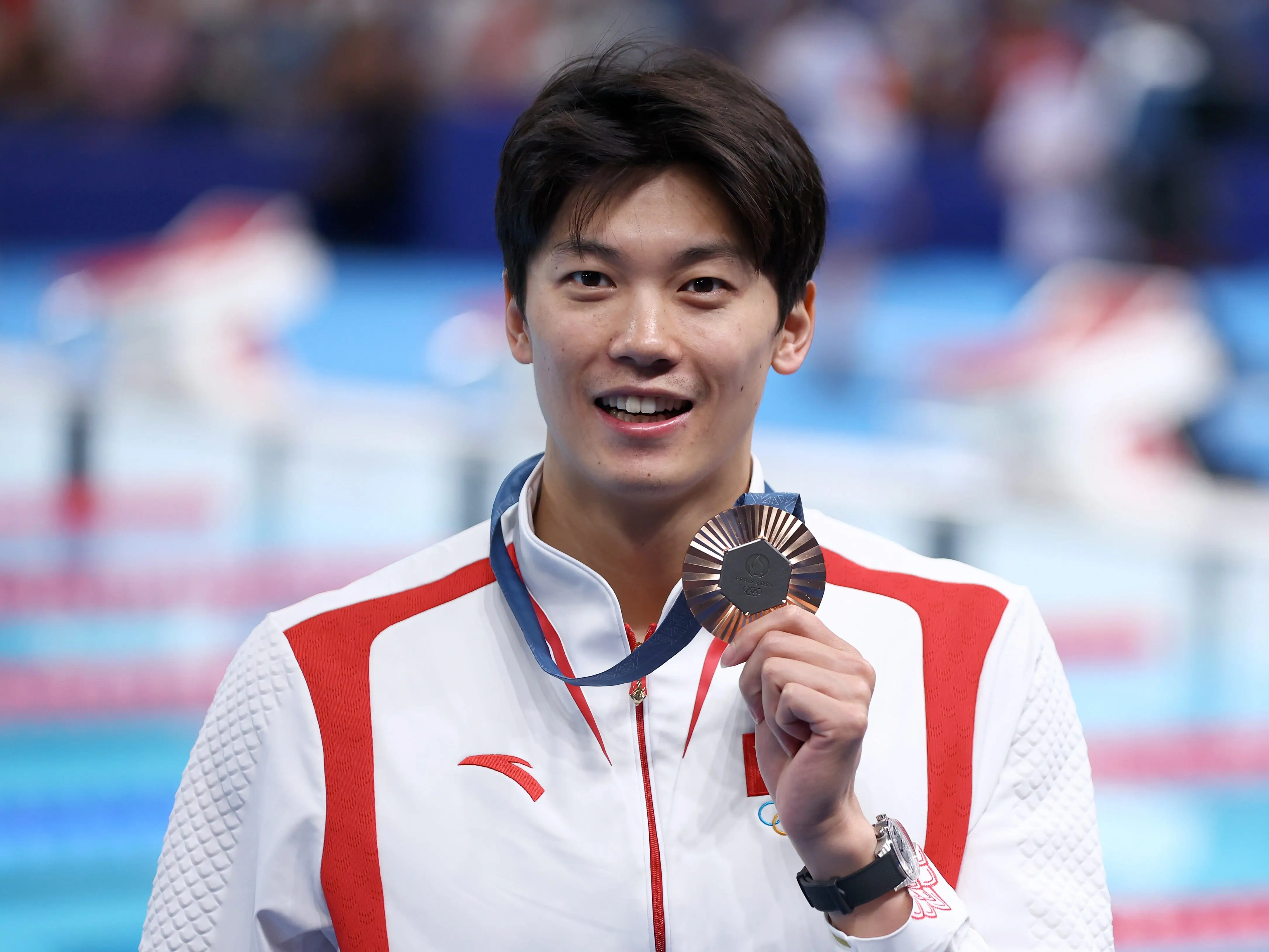
Eleven members of China’s swim team for the 2024 Olympics were involved in a 2021 doping scandal, NBC reported.
These swimmers tested positive for trimetazidine, a banned drug that’s used to treat heart-related conditions, in 2021, but the results didn’t come to light until 2024.
China said the athletes’ levels of trimetazidine were the result of contaminated food, which the World Anti-Doping Agency (WADA) accepted. Thus, none of the swimmers was sanctioned.
All of the athletes were allowed to compete in Tokyo, including Wang Shun, who won the gold medal in the men’s 200-meter individual medley. He also won the bronze medal in the same event this year.
AP reported that Shun, through a translator, said, “Chinese swimmers only compete cleanly.”
Paris Olympians finally swam in the Seine after continued concern over its pollution levels.
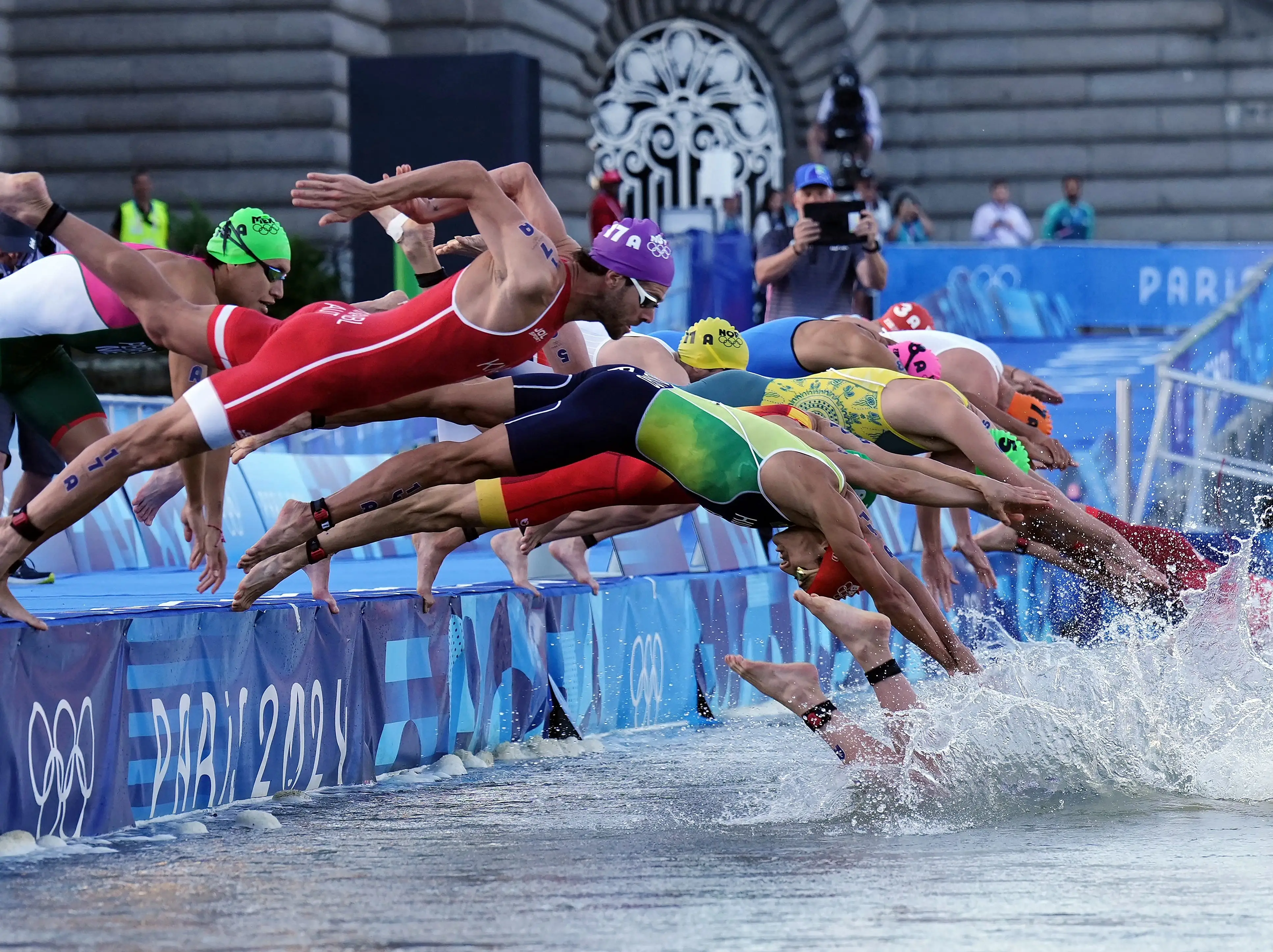
The city of Paris invested $1.5 billion to clean the River Seine, which had been closed to swimmers for more than a century because of pollution levels. Mayor Anne Hidalgo even swam in the water to prove its safety.
A representative for Paris 2024 told Business Insider in a statement that “this project to make the Seine swimmable after 100 years is a major achievement.”
However, even after the 2024 Olympics got underway, there were concerns about levels of E. coli and other bacteria in the river, and the men’s triathlon was rescheduled, the AP reported.
Olympic athletes ultimately swam in the Seine, but the reviews left something to be desired.
“While swimming under the bridge, I felt and saw things that we shouldn’t think about too much,” Jolien Vermeylen of Belgium told Dutch television station VTM, Metro reported.
Read the original article on Business Insider
The post 17 of the biggest scandals in Olympic history appeared first on Business Insider.