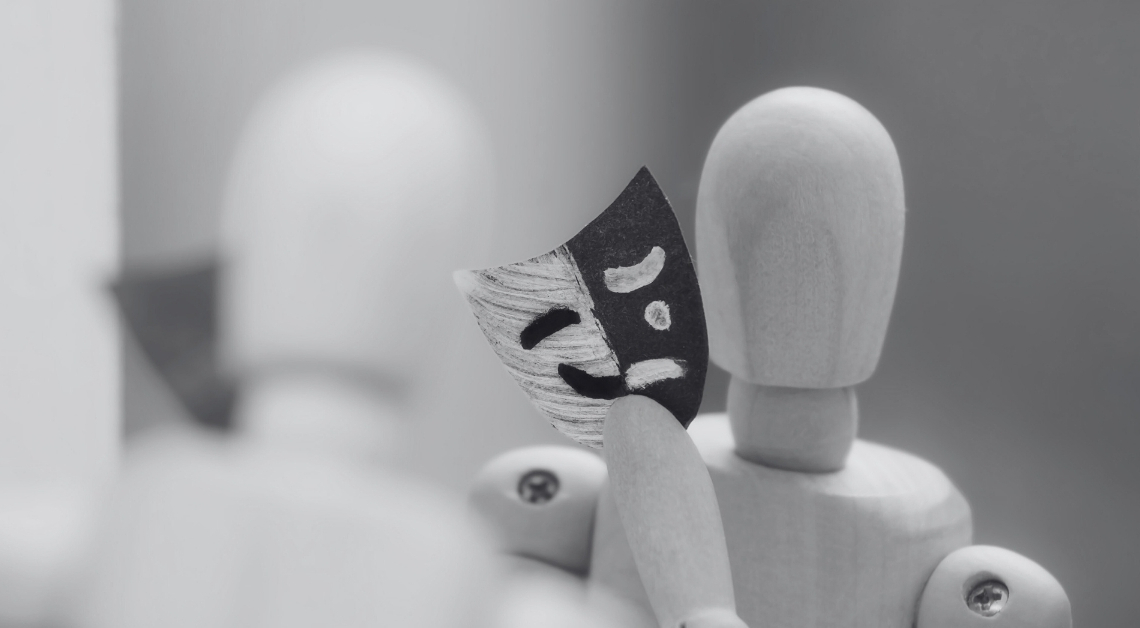
No matter how hard you work in life to make something of yourself, imposter syndrome is always lurking around the corner. It’s ready to make you feel like, at any moment, someone is going to find out you’re a fraud.
A new study published in Personality and Individual Differences dug into why some people are especially prone to this feeling. And the answer has at least something to do with perfectionism.
Imposter syndrome involves underestimating your abilities, eventually making it difficult to accept successes when they happen. High achievers are particularly vulnerable to this, leading to a cycle in which they doubt their worth, work to overcompensate, receive praise that should validate their hard work, but then dismiss it as undeserved.
It’s rinse and repeat until they feel worthless, which somehow feels more appropriate to them.
Do Narcissists Ever Experience Imposter Syndrome?
Led by University of Idaho professor Colin Xu, the study looked at nearly 300 participants and measured both their imposter feelings and their perfectionist tendencies. The researchers didn’t treat perfectionism as a monolith.
They broke it into three distinct types: rigid perfectionism, for people who tie self-worth to flawless performance; self-critical perfectionism, for those who obsess over mistakes and perceived judgment; and narcissistic perfectionism, in which people expect perfection from others while assuming their own greatness will come naturally, with no effort.
Imposter syndrome was strongly linked to rigid and self-critical perfectionism, the more anxious, inward-facing kinds of the syndrome. Meanwhile, narcissistic perfectionism showed no connection at all. In some cases, it was even negatively correlated. In other words, people who assume they’re exceptional don’t tend to worry they’re impostors. Somehow not shocking at all, is it, given the state of things?
While the study showed a link between perfectionism and imposter syndrome, it is unclear which causes which. The thing that does seem a little clearer is that caring too much and doubting yourself while setting standards for yourself a little too high could end in disaster, that is, of course, unless you’re one of the people least worried about being impostors, who are probably the ones who absolutely should be.
The post What Causes Imposter Syndrome in the First Place? appeared first on VICE.