Toyota Motor is tapping a new chief executive to steer the company through a new era of rising protectionism and geopolitical frictions.
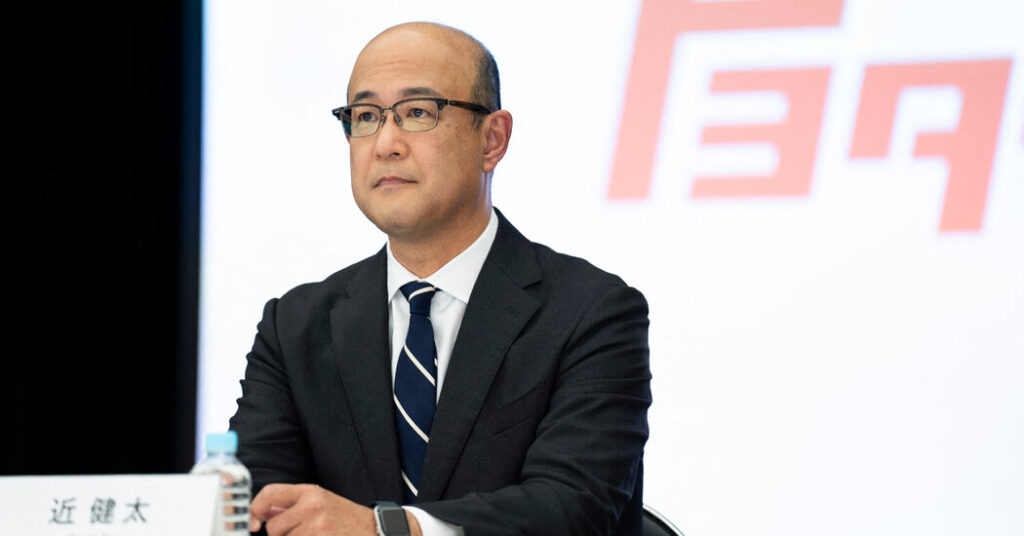
The world’s largest automaker announced on Friday that Kenta Kon, its chief financial officer, will become C.E.O. on April 1. He succeeds Koji Sato, who was given the top job three years ago and will now become vice chairman.
The leadership shift arrives at a fraught moment for the auto industry. Toyota continues to consistently top global sales. Yet it faces the specter of higher tariffs in its most important market, the United States, and rising competition and potential supply-chain squeezes from China.
Last year, Japan sealed a trade deal with the Trump administration that left it with a 15 percent tariff on its auto exports to the United States. While a significant reduction from the previously threatened 27.5 percent, the rate is still six times what U.S.-bound exports from companies like Toyota were subjected to in previous years.
In China, Toyota and other global automakers are contending with rising competition from homegrown upstarts, including the electric vehicle giant BYD, that are considered miles ahead in their development of next-generation vehicles that run on batteries and advanced software.
In what was the latest escalation in a monthslong geopolitical feud, China in January threatened to begin curtailing exports to Japan of rare earths, the minerals vital to manufacturing everything from cars to advanced electronics. Industry experts say that Japan’s auto sector will be the first to feel the pain from the restrictions.
Amid the turbulence, Mr. Kon is expected to be a steading hand.
A longtime company veteran, Mr. Kon earned recognition within Toyota for his ability to manage the supply chain disruptions that were rampant around the time of the Covid-19 pandemic. Early on, Toyota stockpiled semiconductors after judging them as being at risk of running low. As a result, the company was spared from having to cut production at the time like many of its peers.
Despite more recent headwinds, Toyota’s long-held strategy — developing electric cars while not easing off more established kinds of vehicles, including gas-electric hybrids — appears to be paying off. On Friday, Toyota raised its outlook for full-year operating profit by 12 percent, signaling that the company’s core business remains a cash engine even as it pours billions into developing the software that increasingly forms a central component of cars.
The outgoing C.E.O.’s term was largely defined by the enduring influence of his predecessor and current chairman, Akio Toyoda. The grandson of the company’s founder, Mr. Toyoda famously defied the industry’s early 2020s all-in bet on battery-electric vehicles, arguing that infrastructure and consumer demand were not yet ready for a total switch away from gasoline-powered engines.
Under Mr. Sato, Toyota stayed that course, despite pressure from some environmental groups and investors who feared the company was ceding ground to rivals like BYD. As global E.V. sales have cooled, Toyota’s strategy has been largely vindicated by a surge in demand for hybrid cars.
River Akira Davis covers Japan for The Times, including its economy and businesses, and is based in Tokyo.
The post Facing Threats From Both America and China, Toyota Changes C.E.O.s appeared first on New York Times.