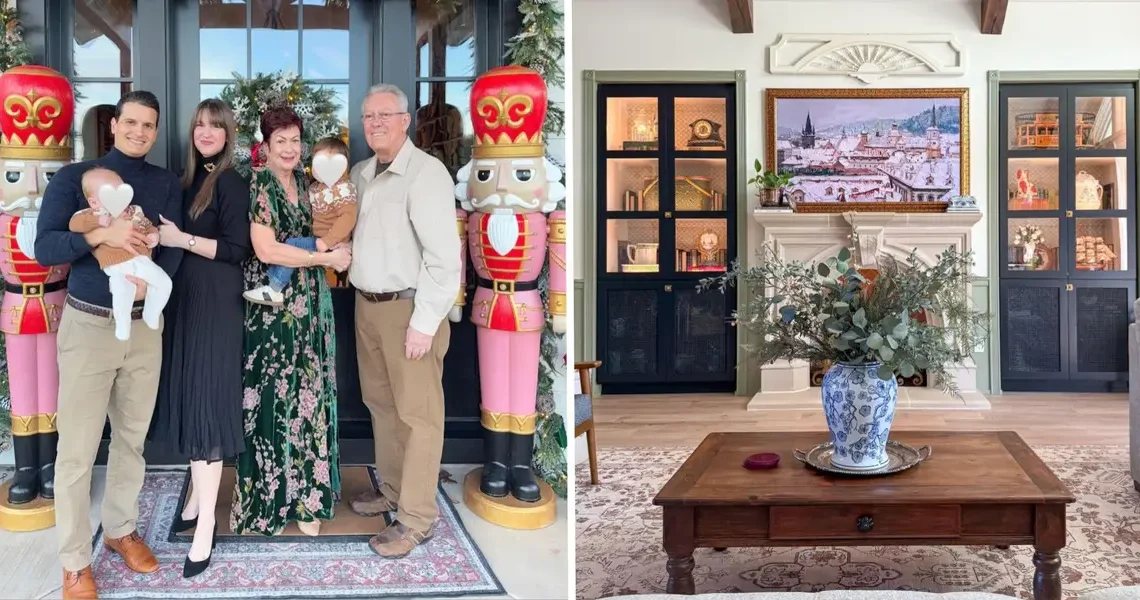
When people fantasize about building their dream homes, they may imagine a spacious kitchen, a soaking tub, or a backyard pool.
Others might want their perfect house to have a bonus space where they can spend time with friends.
Ana Ochoa needed something pretty unique to bring her dream home to life: a hallway that connected her house to her parents’ space.
Ana Ochoa always hoped to live near her parents when she decided to start a family.
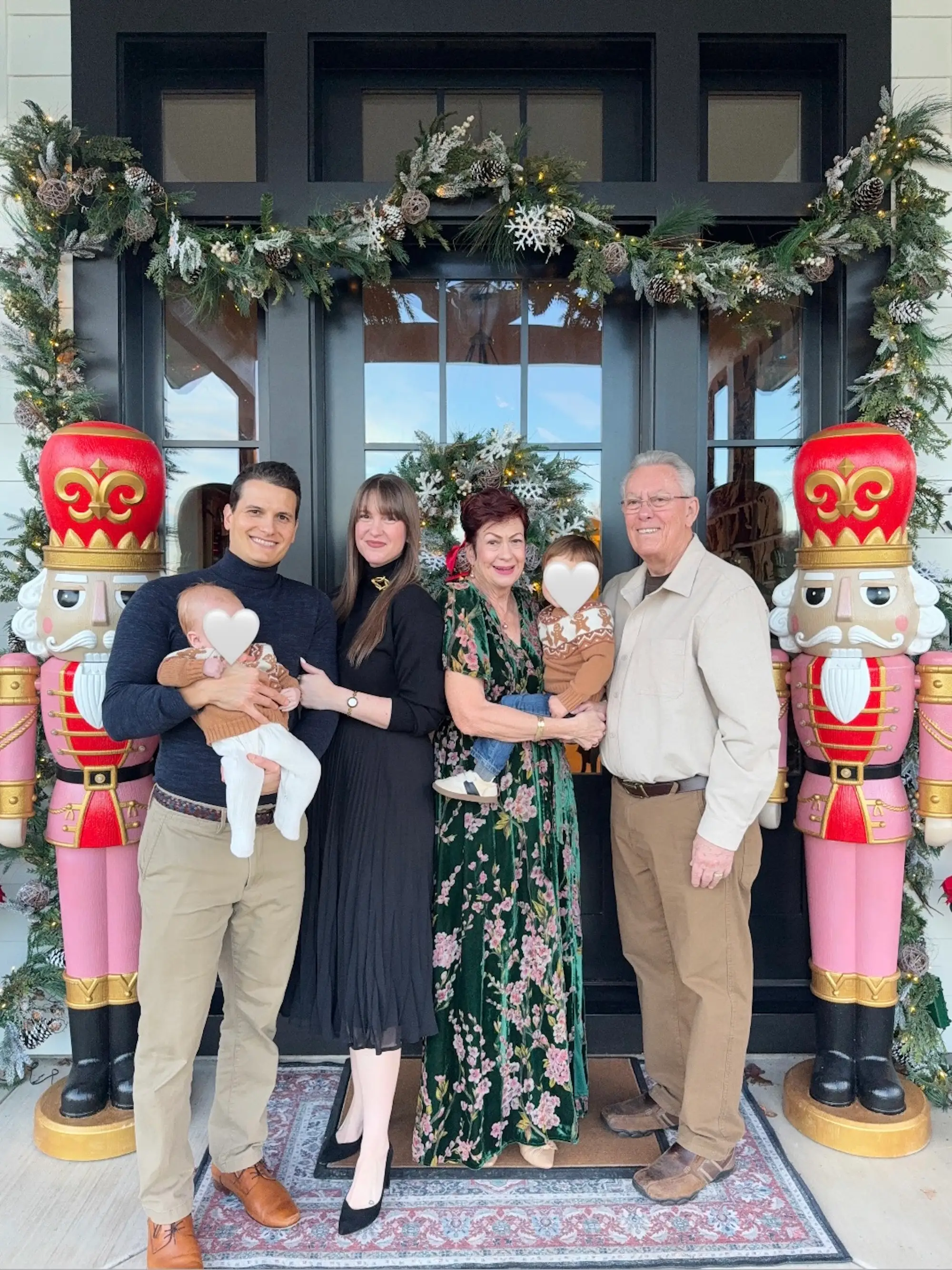
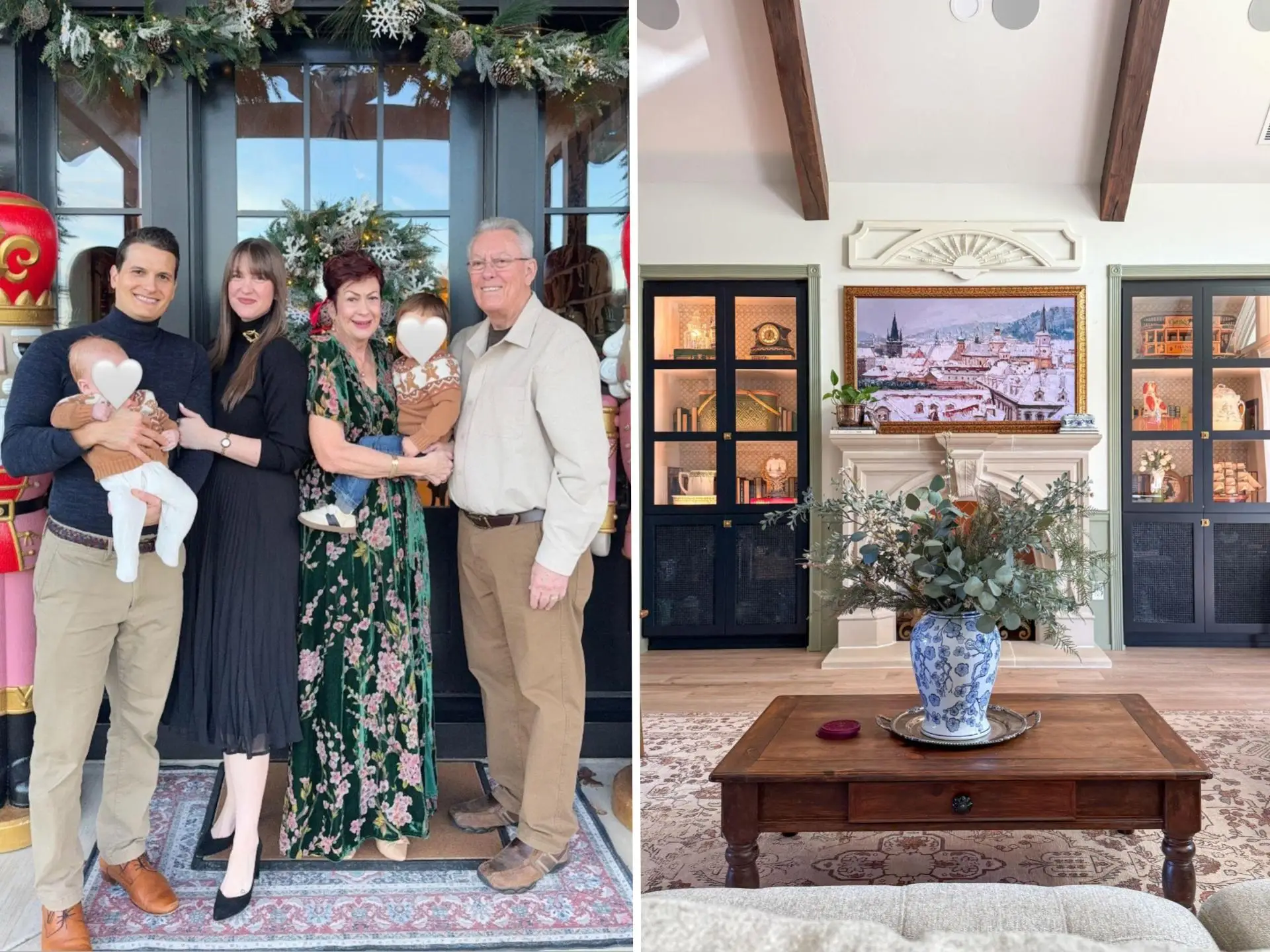
In 2020, Ochoa, a 36-year-old content creator, and her husband, a financial planning and analysis associate, were living in San Diego. As they started thinking about having kids, Ochoa knew she wanted to be closer to her parents, particularly because she is an only child.
Her parents had moved to Klamath Falls, Oregon, in 2017. They were happy there, so Ochoa and her husband knew they would likely have to move to Oregon if they wanted to be near them.
“It was to get closer to them and just to kind of have more of that traditional village,” Ochoa told Business Insider about relocating.
When the pandemic hit, they were both able to work remotely and decided to buy property in Oregon because it was more affordable than San Diego.
Klamath Falls was a bit too isolated for Ochoa and her husband.

As Ochoa and her husband thought about moving to Oregon, her parents suggested they build a home in Klamath Falls. Ochoa said that was a hard no for her, as it was too small and remote.
Instead, Ochoa and her husband suggested that they and her parents buy property together in a more central town in Southern Oregon and build two homes there.
“I told them, ‘Dad doesn’t need to be shoveling snow anymore. Let’s go somewhere where it’s less snowy, but the same kind of vibes,'” Ochoa said.
Her parents agreed, and in 2021, they bought their land together, intending to build two houses by pooling their resources.
“We paid an equal amount for the down payment of the actual construction loan, but my parents financed the land before we actually started building,” Ochoa said.
Soon, they realized it made more sense to build one large multigenerational home rather than two houses.
Initially, Ochoa and her parents intended to build two homes on one piece of land, so they could be near each other while maintaining their own distinct spaces. However, as they looked into it further, they realized that wasn’t the most practical option for them due to zoning and acreage restrictions.
“We were going to have to buy a 20-acre property and then subdivide it, and that was going to take years and time and money,” Ochoa said.
As they discussed their options, they realized that building one structure with two distinct areas — one for each family — made the most sense. They were all on board with the idea, as long as their spaces could truly be separate.
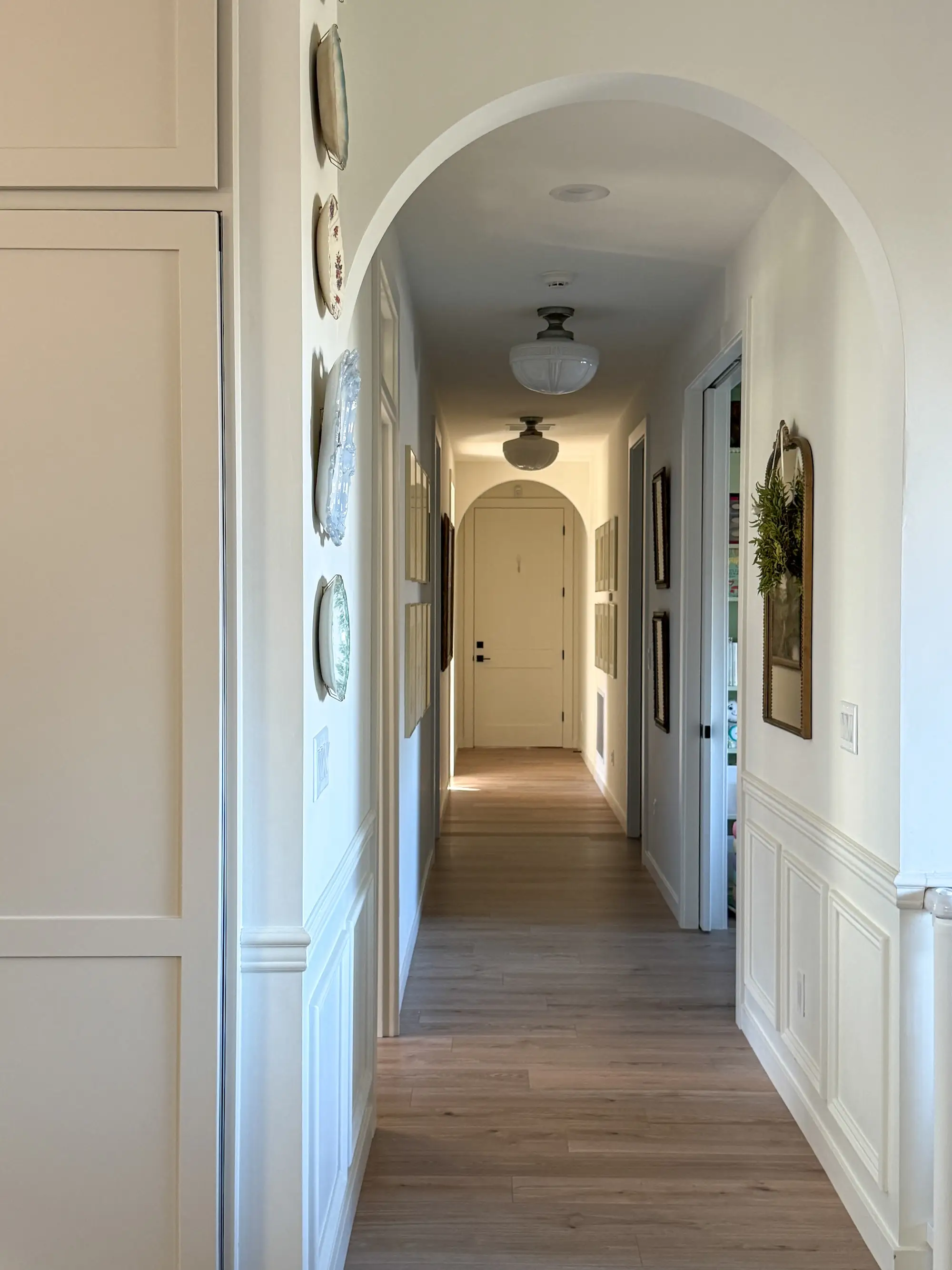
They designed two homes that would connect through a big hallway.
After they agreed on one big house, Ochoa’s dad started researching multigenerational homes to figure out what would work for their family. They knew they wanted the space to be one story, which was a good jumping-off point.
“My dad found a general floor plan that worked for what we were looking for,” Ochoa said. “We took it to our builder, and they modified it.”
“It’s a ranch-style farmhouse,” she said of the home, which was completed in July 2022. “It’s a big one-story house, and we’re connected by one long hallway.”
A door that locks on both sides acts as the divider between the two homes.
The family custom-designed the house so each side could operate independently.
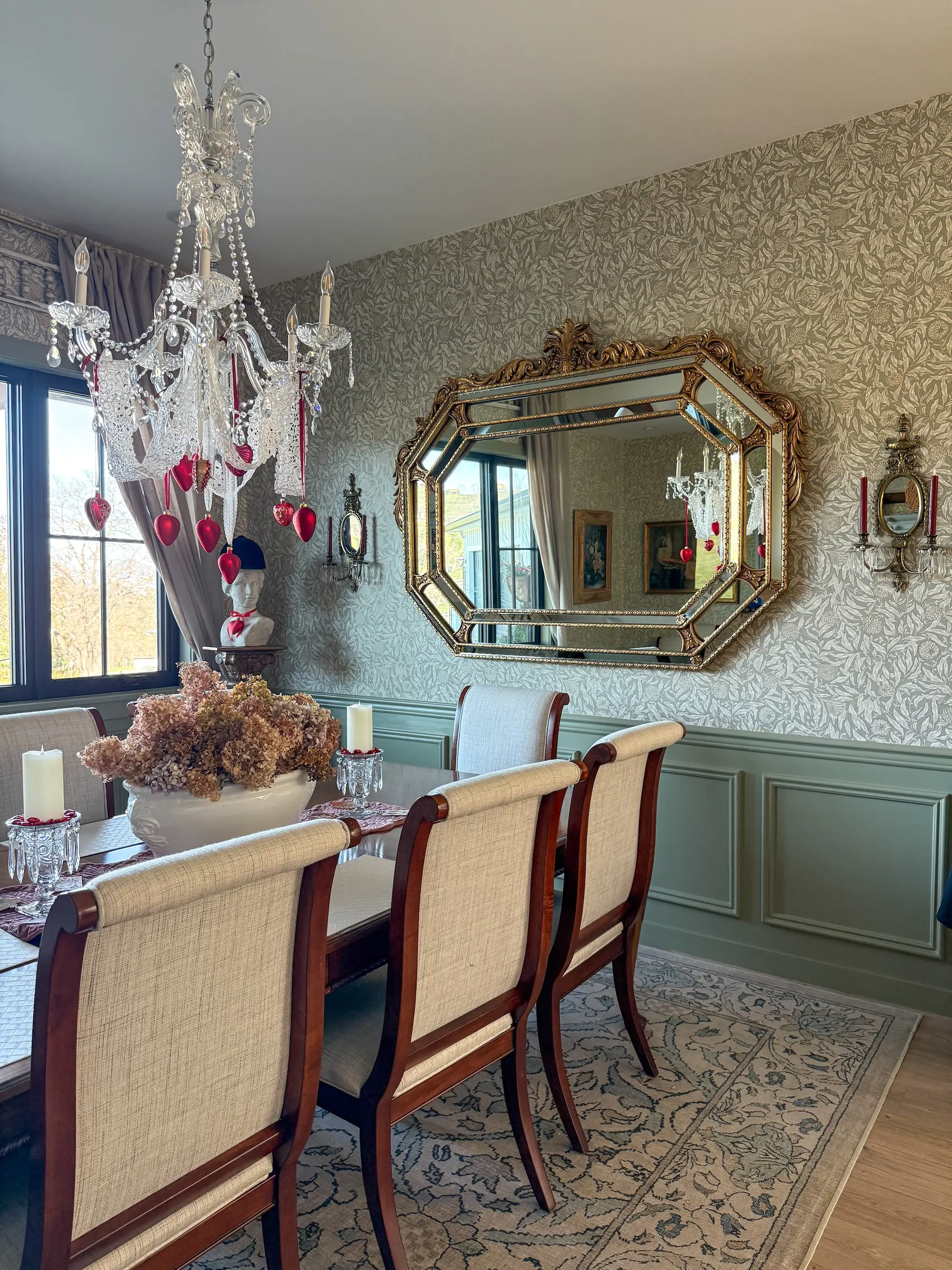
Both sides of the home have their own kitchens, bathrooms, and washer-dryers, so the couples don’t have to enter each other’s spaces unless they want to. They also have separate entrances to their homes, both externally and through their shared garage.
“When my parents have guests, they just go to their entrance instead of ours,” Ochoa said. “It’s super helpful.”
Because they built the home from the ground up, Ochoa and her parents were able to ensure the house had everything they needed. Ochoa’s dad’s experience as a contractor helped, as did Ochoa’s content creation that focuses on interior design.
Each couple had free rein to design their home as they saw fit, with one exception.
“I really wanted to make sure we had the same flooring throughout the house,” Ochoa said, as she didn’t want the color to switch dramatically between the two spaces.
Ochoa’s side of the house is larger than her parents’ side.
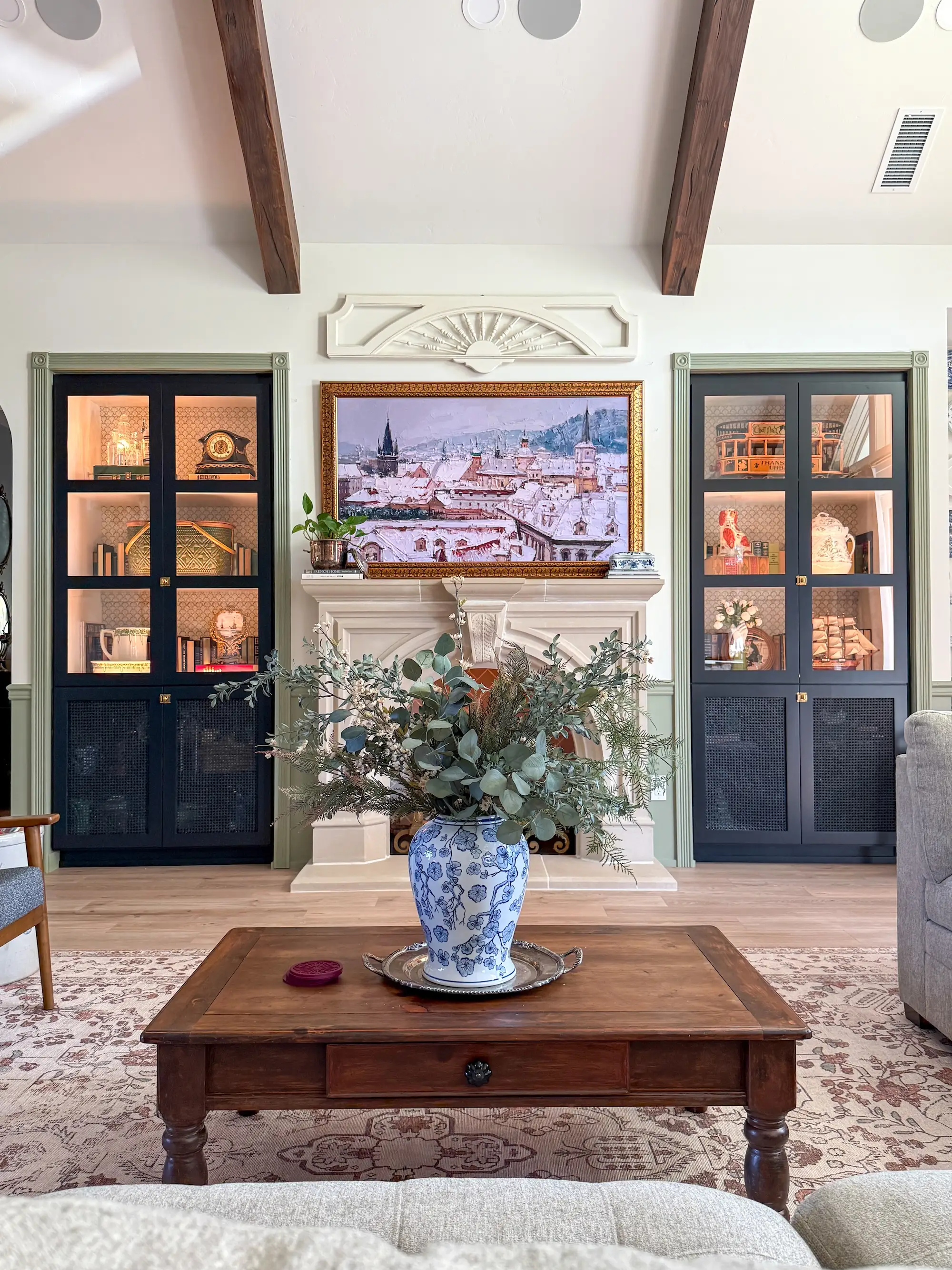
Ochoa and her husband built their home knowing they were planning to have kids. (They now have a 2-year-old and a 4-month-old.)
Their side of the home has three bedrooms and three bathrooms, plus an additional office that they use as a playroom for their two children. Ochoa’s parents, who only needed space for themselves, have one bedroom, an office, and 1.5 bathrooms.
“Our side is about 3,300 square feet, and theirs is about 1,800 square feet,” Ochoa said.
Her parents downsized in the move, while Ochoa and her husband upsized.
Ochoa and her husband have an open-concept floor plan.
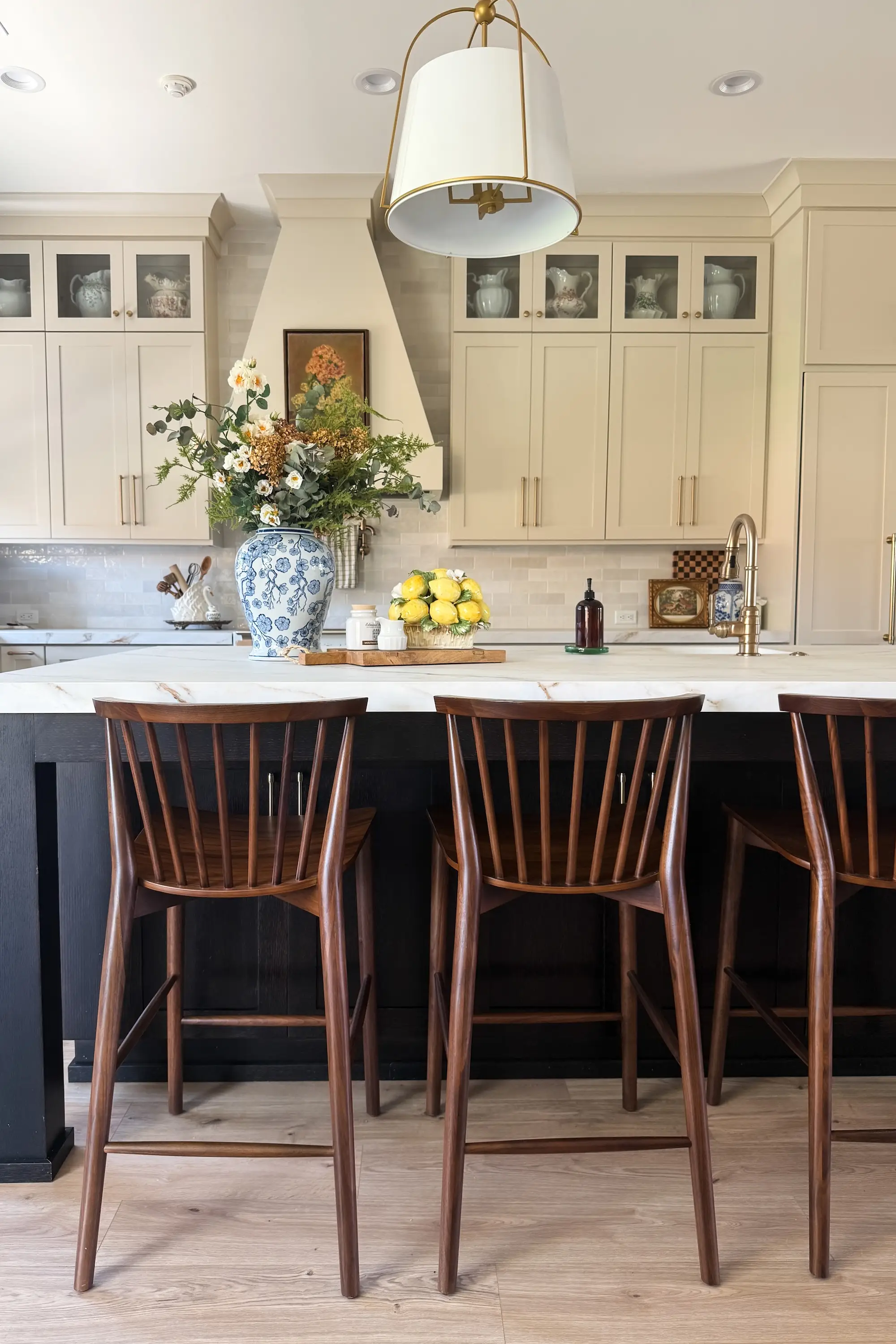
Their kitchen and living area are open concept, so the house feels spacious.
“My dad and my husband are the cooks, so they both wanted big kitchens,” Ochoa said.
The hallway that connects to their parents’ home sits off the main living space.
The primary bathroom is one of Ochoa’s favorite spaces in both her home and her parents’ home.
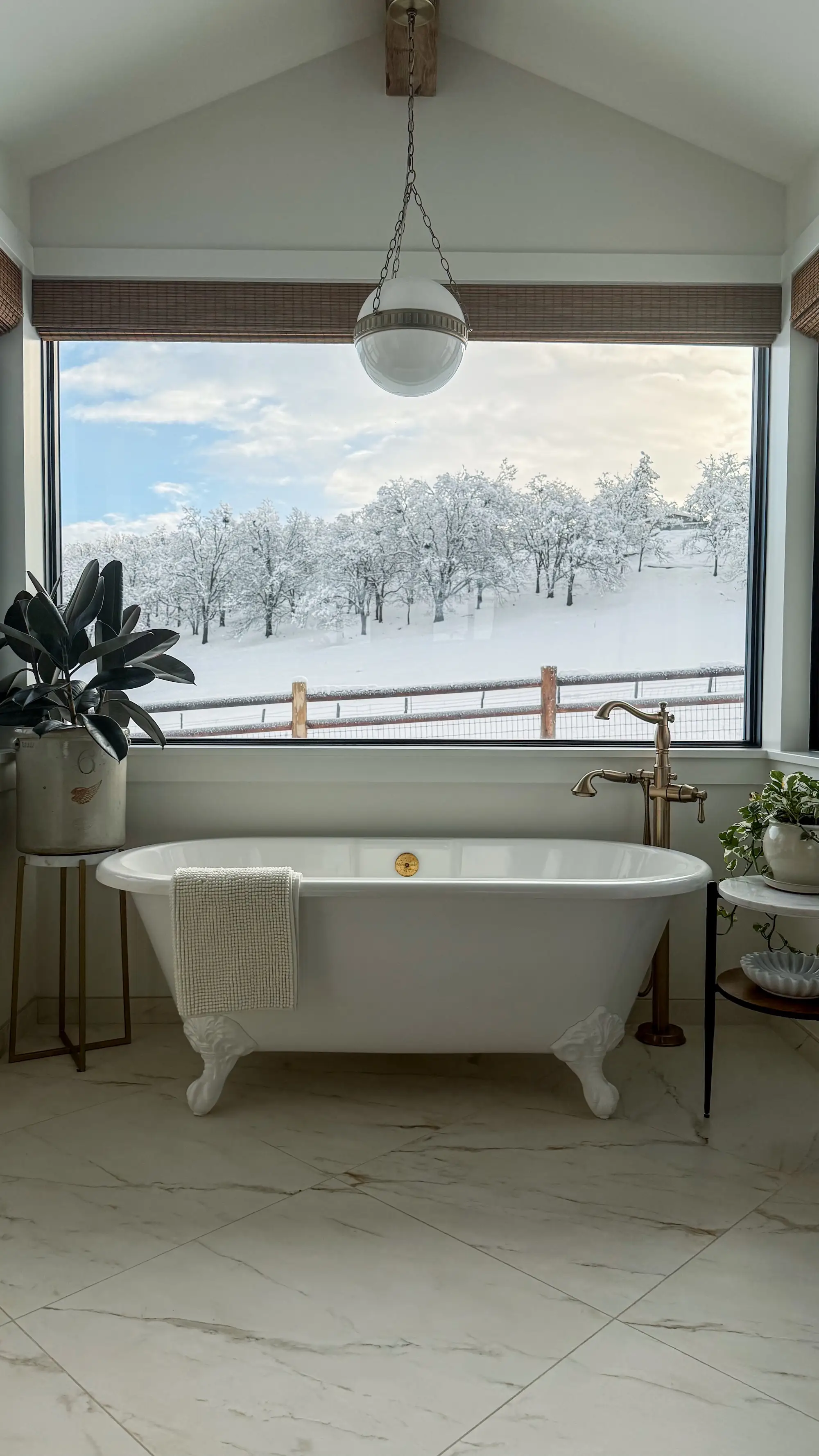
Ochoa and her husband situated their bathroom so it overlooks their backyard. Her favorite part of the space is a claw-foot tub that sits near the large window, allowing the soaker to look out at their surroundings while they bathe.
Ochoa’s parents’ bathroom has the same setup on the other side of the house, and she said the views from their tubs are one of her favorite aspects of the house, as they change with the seasons.
“We have a view of the sunrise side, and my parents have a view of the sunset side,” Ochoa said.
Although it’s smaller, Ochoa’s parents’ house has everything they need.
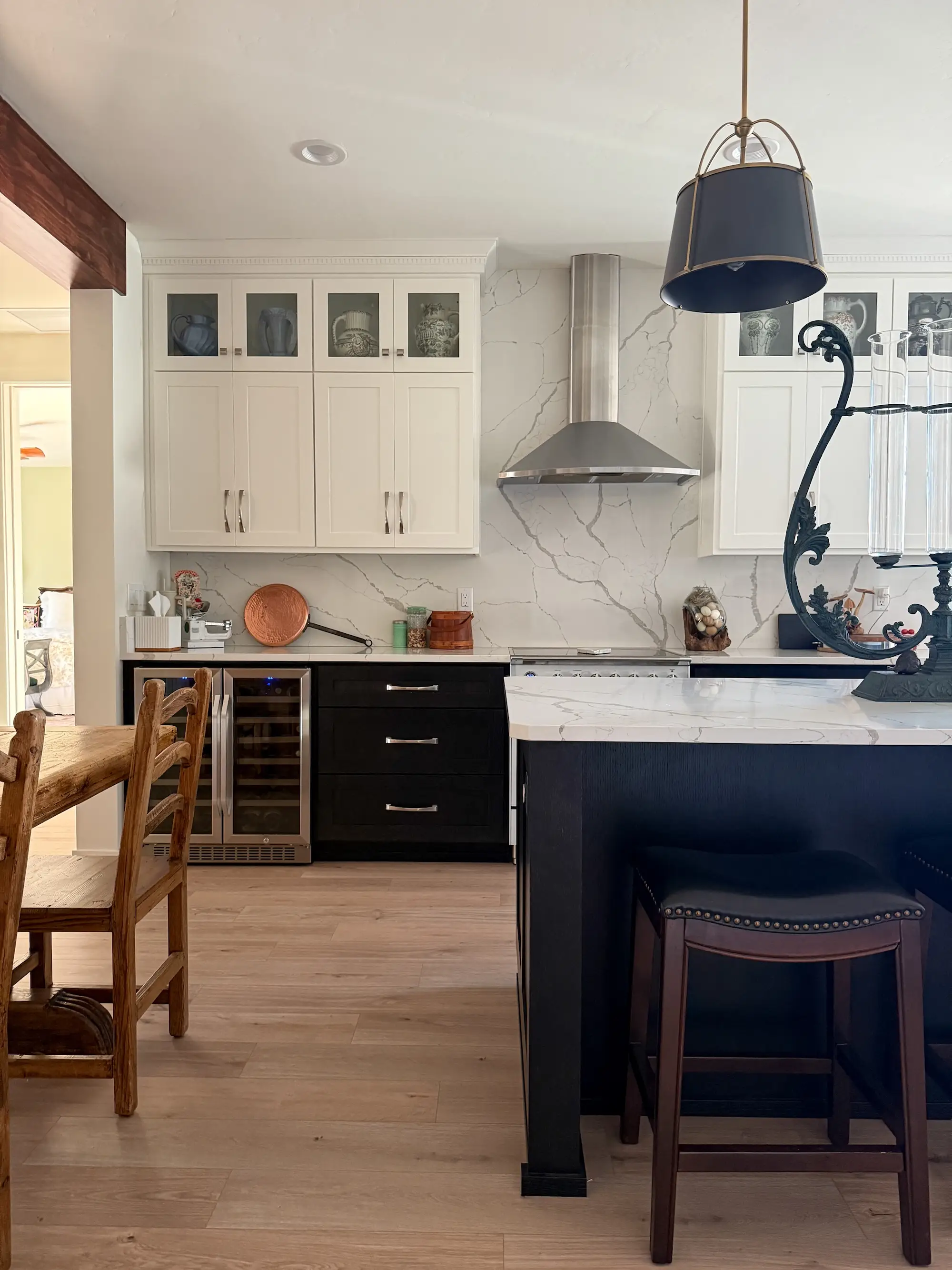
Ochoa thinks of her parents’ side of the house as a distinct home.
“Once you hit that door, you basically walk into a whole separate house,” Ochoa said. “They also have the open concept, and I feel like their side feels a lot bigger than it is because of that.”
Their space has a living room, kitchen, an office, and a half bathroom in addition to their primary suite. They don’t have a separate dining area, but they have a table big enough for four people to eat.
The entire home is also mostly ADA accessible, which may come in handy as everyone ages.
“All of our doorways throughout the entire house are wider than standard doorways,” Ochoa said. Their showers are also wheelchair accessible. No one in their family needs the accessibility at the moment, but they wanted the home to suit their needs, no matter what.
“We’re not planning on moving,” Ochoa said. “I didn’t build this house for nothing.”
They have their own access to the shared backyard.
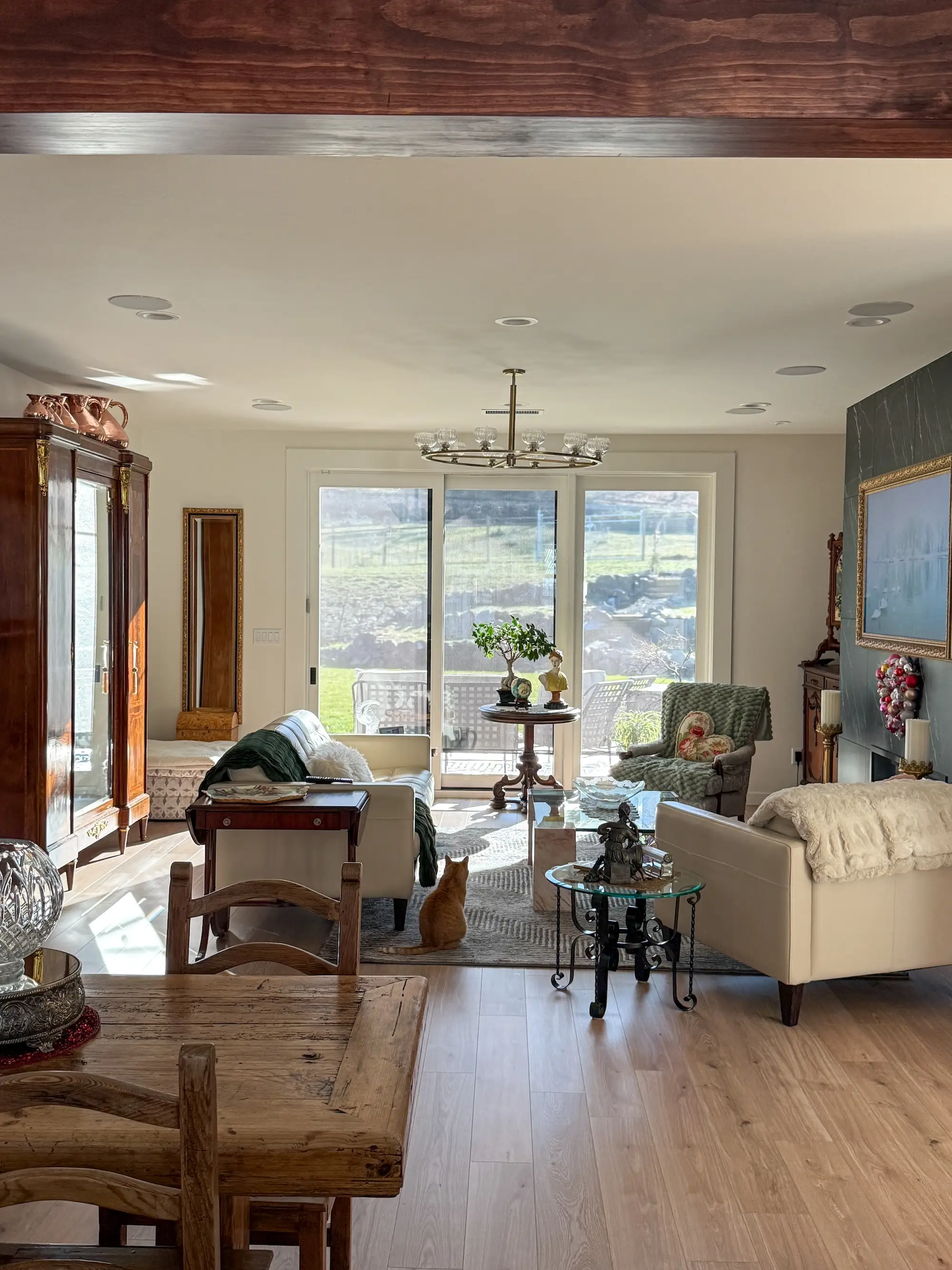
Because the house is technically just one big ranch-style home, the whole family has access to the same backyard through sliding doors from their living areas.
The yard itself is massive. Ochoa said it’s probably larger than her home.
“We get to look at the Oregon mountains, and it’s lovely,” Ochoa said.
Ochoa and her parents try to keep their spaces separate, though her 2-year-old loves to go back and forth between the two homes.
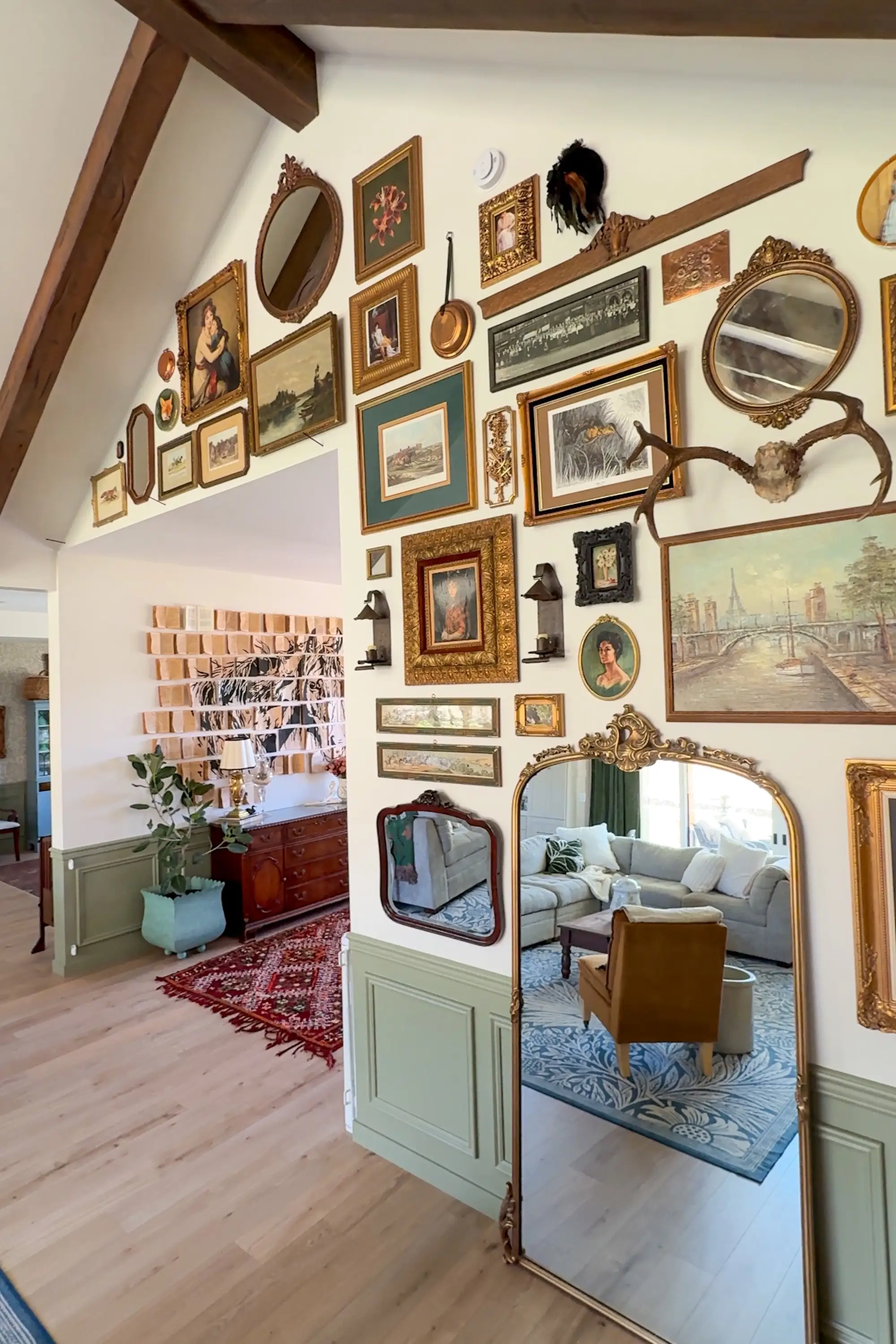
Ochoa said they keep the door between their two homes locked for safety and privacy.
“We try to keep it locked for the toddler because he will just waltz right on over, which is fine,” she said. “My parents don’t mind, but it’s more that our dog and their cat cannot be together.”
They also try to treat entering each other’s space like visiting someone else’s house, so each couple feels autonomous in their own home.
“Our main thing is like, ‘OK, let’s pretend we’re in two separate houses. If you want to come over, text and let us know,'” Ochoa said. “But with my toddler, it’s just sort of free range at this point, which is lovely.”
Still, they offer each other support daily.
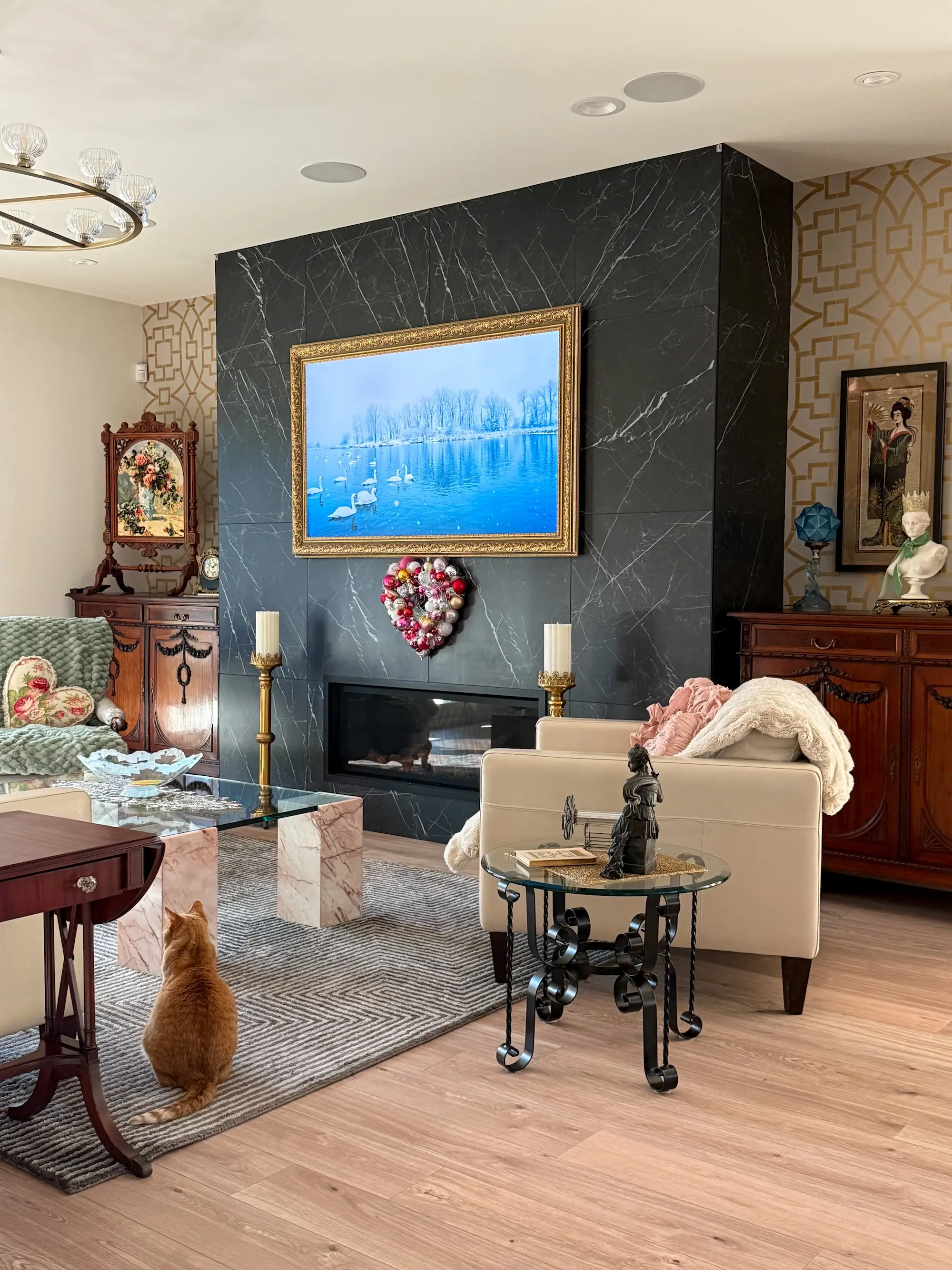
Ochoa sees her parents every day in some capacity, and they have all become integral in caring for each other and keeping up with the household.
“I feel so blessed to have that village,” she said. “My mom takes care of my toddler half the day so that I can work and also take care of the baby.”
“My husband and my dad cook, so we eat dinner together three or four times a week,” Ochoa added. “I’m kind of the interior designer, and my dad takes care of home maintenance stuff because he has that contractor background, and my mom’s outside gardening. It’s easier to maintain a home when you have more people.”
The home also benefits them all financially.
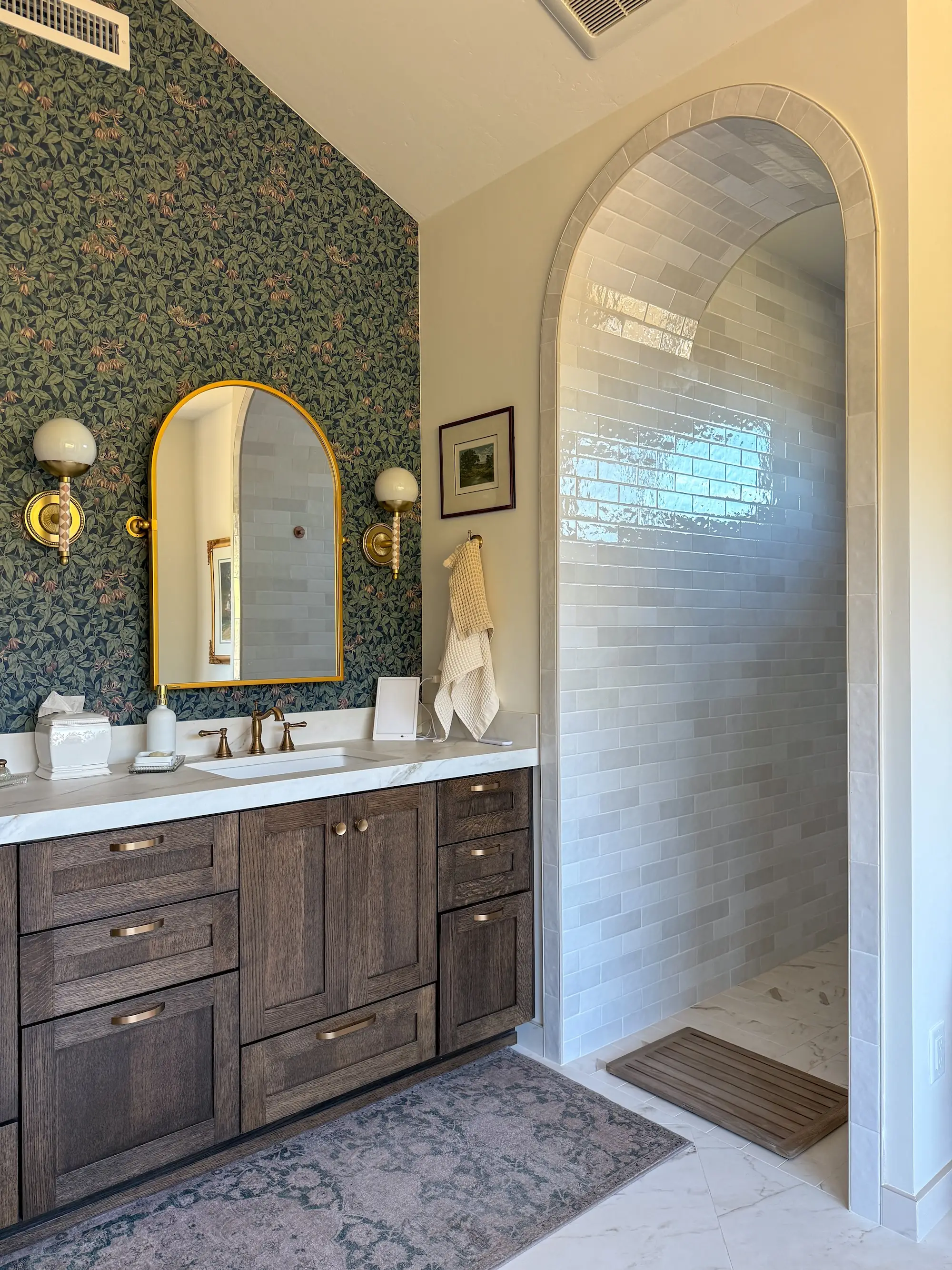
Ochoa and her parents divide their household costs equitably.
After her parents paid the initial cost of their land, each couple contributed to the construction loan costs. Now that the house is done, Ochoa and her husband pay the mortgage, and the family splits utilities two-thirds to one-third, based on the size of their respective portions of the home.
Her parents’ names are also on the house, along with hers and her husband’s, giving everyone a legal claim to the property.
And although they often eat dinner together, they typically grocery shop separately.
“We do all of our stuff online,” Ochoa said. “My parents haven’t gotten into that yet. My dad enjoys going to the grocery stores, so he goes and shops for the most part for them.”
Ochoa said having her family together is “a dream.”
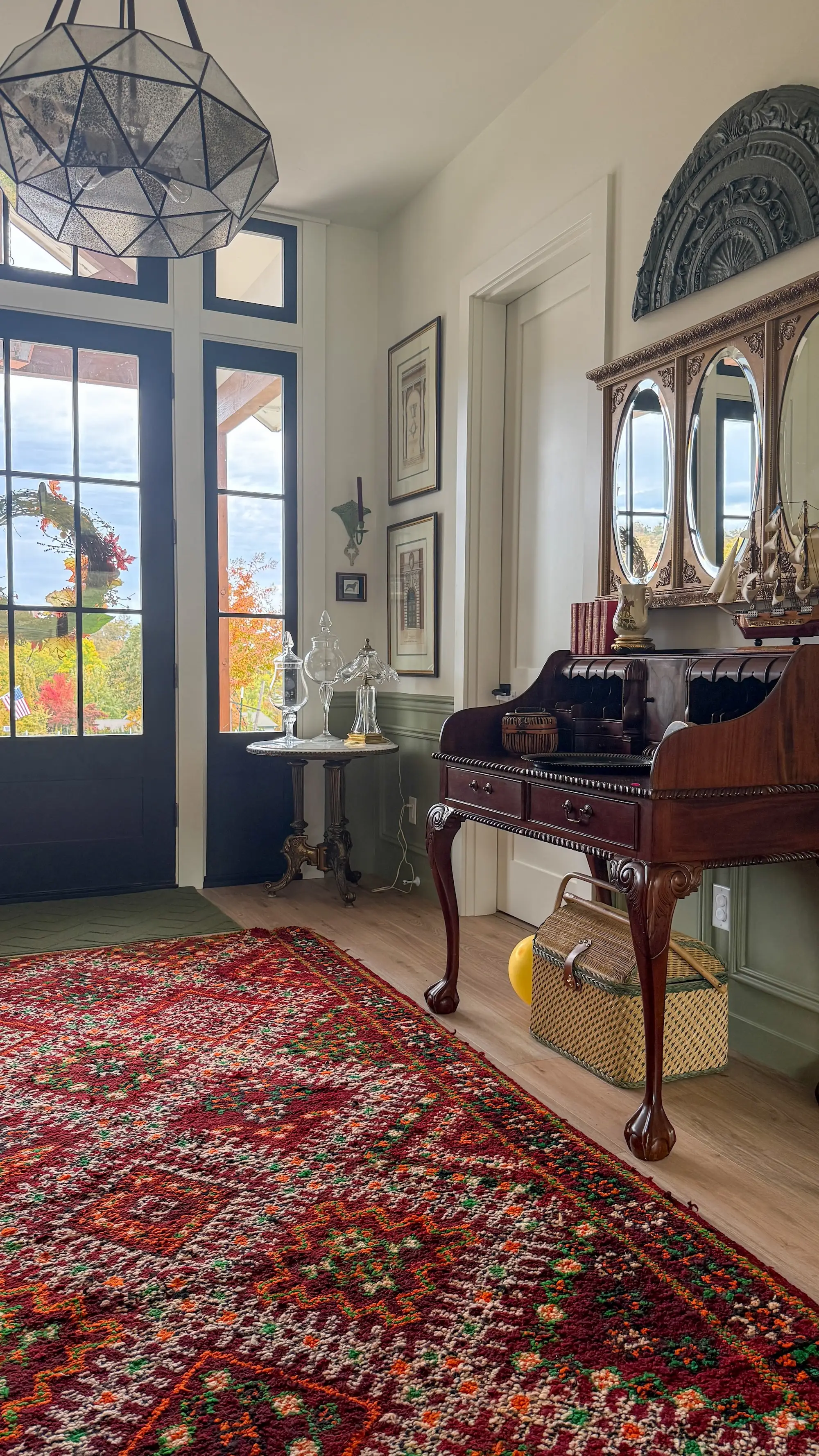
Ochoa said her family has little tiffs, as everyone does, but open communication and patience make multigenerational living worth it.
She welcomed both of her children after they moved into the house, so her parents were able to offer additional support as Ochoa became a parent herself. Her mom took care of a lot of the household cleaning after her first child was born, when Ochoa was recovering from a difficult birth.
She also said that having her parents around as her children grow up is “a dream.”
“It’s just amazing having my parents get to grow up with their grandkids, and my sons get to grow up with their grandparents,” Ochoa said. “My husband’s family is from another country, so they’re not here. So having that family close has just been such a dream, truly.”
Ochoa cautions that you should know what you’re getting into before embracing multigenerational living.
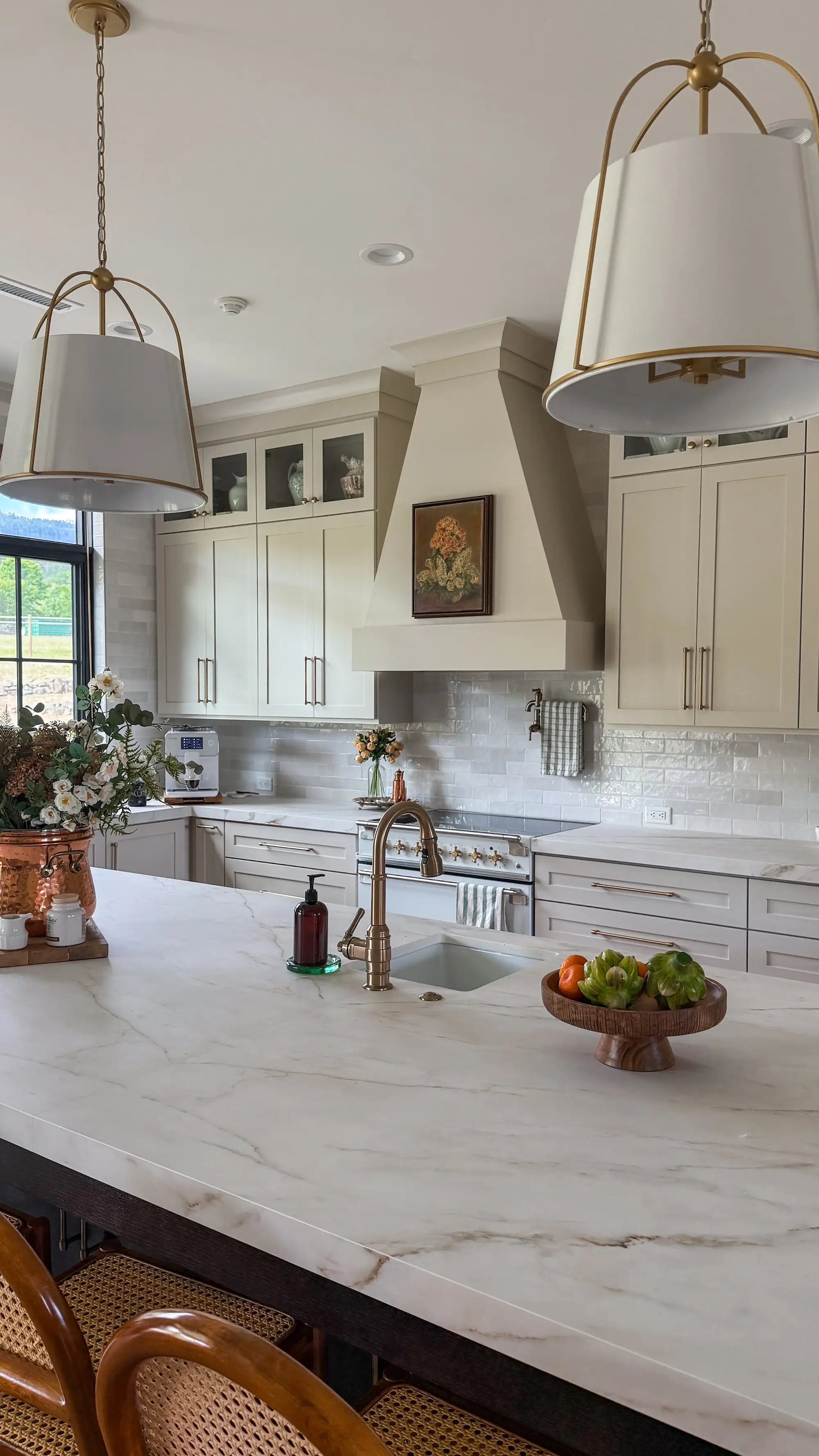
Ochoa is excited that more people are considering multigenerational living, even though she knows it isn’t realistic for every family.
“I know this isn’t for everyone,” Ochoa said. “People have their own family dynamics, but I do think people who have really great relationships with their families are like, ‘Oh, this is a possibility. This is something I could be thinking about.'”
If you are considering it, she recommends thinking about what financial and legal setup would be best for your family.
“I think my biggest advice is you have to know your family,” she said. “You have to really know what the dynamics are going to be, especially if you are going to share like how we share.”
She also said you shouldn’t go into multigenerational living if you aren’t ready to communicate directly when problems arise.
“You have to be comfortable with open and honest communication,” she said. “You can’t tiptoe around issues when something comes up. You just have to address it.”
Read the original article on Business Insider
The post A family built a multigenerational home in Oregon that’s basically 2 houses connected by a hallway appeared first on Business Insider.