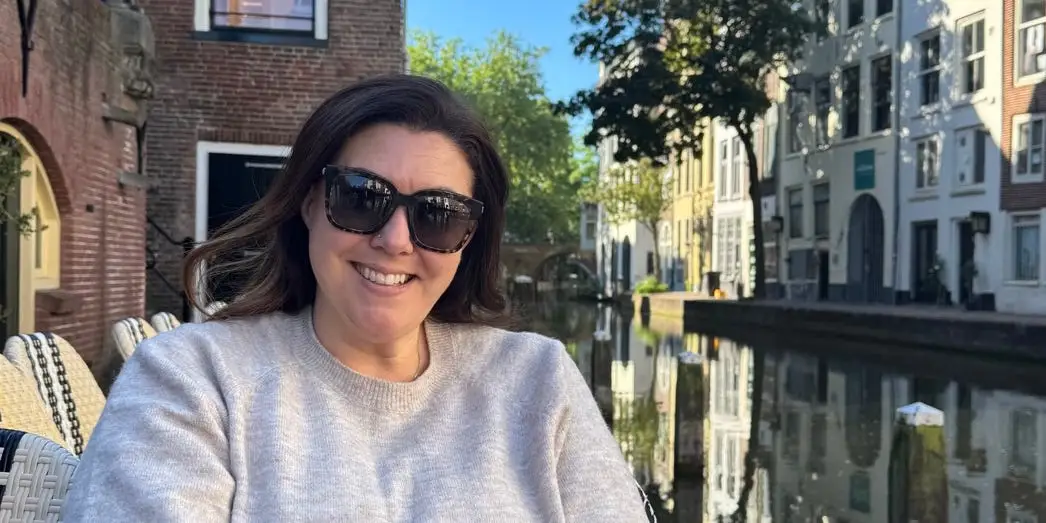
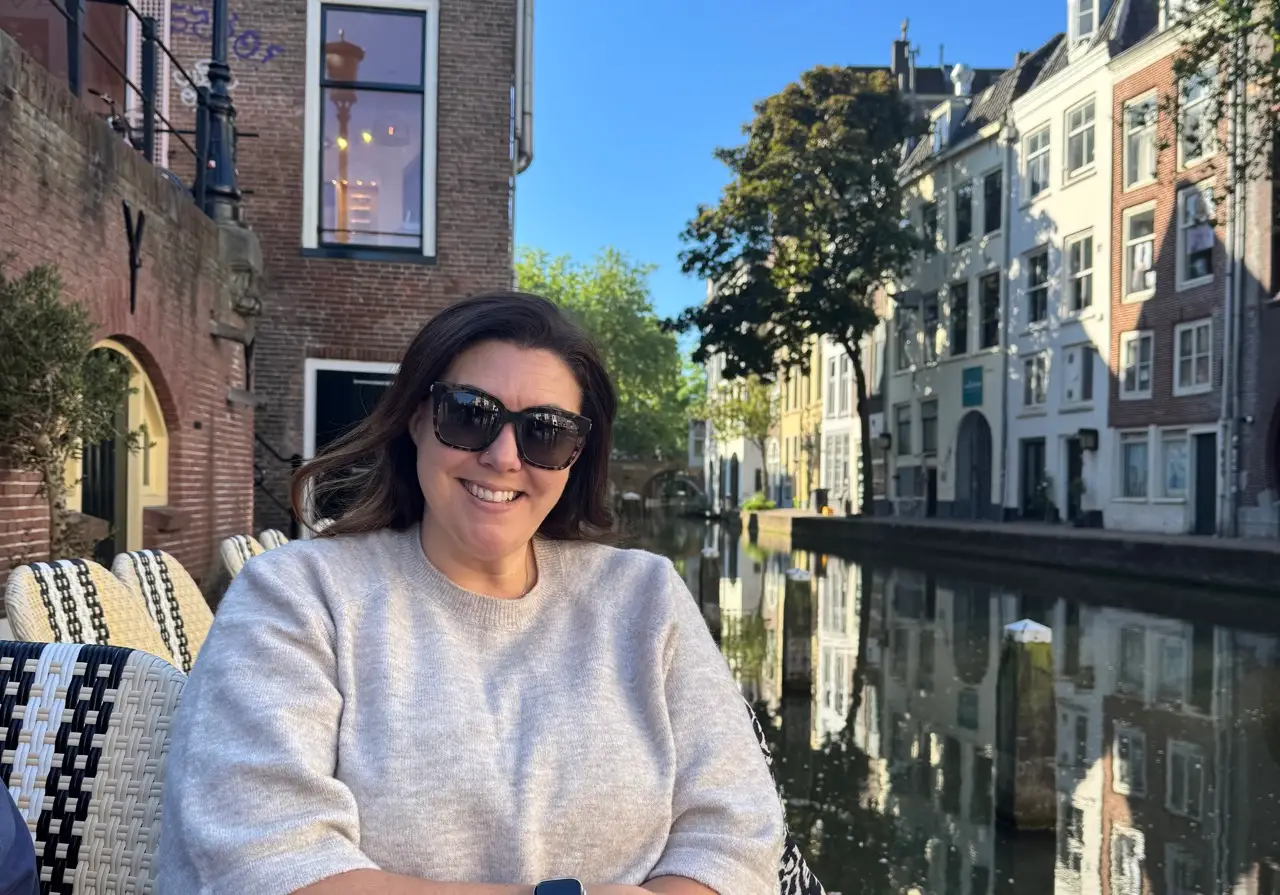
The day my son burst into tears at our kitchen table in Utrecht, I realized my meticulous spreadsheets and research hadn’t prepared us for everything.
“Mom, I’m the only one who doesn’t understand anything,” he said, pushing away his untouched dinner. “Everyone else is so far ahead, and I can’t follow anything.”
That moment, hearing him talk about feeling behind in school, crystallized my first major mistake in our move from Atlanta to the Netherlands in May 2024.
Although our relocation has transformed our lives in incredible ways — offering everything from better healthcare to true work-life balance — there were several costly missteps I wish someone had warned me about.
For one, I hadn’t anticipated how challenging it would be for my kids in the first six months as they adjusted to everything in their lives being new.
Here’s what I learned the hard way, hoping to save other American families from the same expensive and stressful situations.
Assuming we didn’t need to rush learning Dutch was a mistake
“Je spreekt Nederlands?” (“Do you speak Dutch?”) became a daily reminder of my biggest oversight.
Yes, more than 90% of the Dutch people speak English, but that comfort led me to postpone our family’s learning Dutch. Big mistake.
Those casual chats at early honkbal (baseball) games or neighborhood parties just weren’t the same when we couldn’t participate in Dutch conversations.
My teenager also spent extra months in taalschool (immersive language school), missing out on crucial social connections. Had we started learning before our move, he could’ve completed language school in one year instead of the extended period he needed.
I learned an expensive lesson about taxes and timing
In the Netherlands, the 30% ruling is a tax advantage that allows eligible highly skilled immigrants to receive up to 30% of their salary tax-free for five years.
The catch? You must apply within four months of starting work. Now picture my face when I realized I’d missed the deadline, thus leaving over 30,000 euros on the table.
Though I eventually secured this retroactively, those six months without the full benefits taught me an expensive lesson about Dutch bureaucracy timing.
Not fully understanding the Dutch healthcare system also cost me
Back home in the US, I was used to navigating complex insurance systems and retroactive claims. The Dutch healthcare system operates with different rules, though, and my failure to understand them has cost us unnecessarily.
My American insurance mindset hit a wall when my son needed to have a cavity filled.
In the Netherlands, basic healthcare is universally accessible. I pay 156 euros a month for my policy, which includes my kids at no extra cost and a 385-euro yearly deductible.
However, you have to connect your child’s BSN (Dutch Social Security number) to your insurance for them to be covered, which I didn’t know I had to do at the time.
This meant I paid out of pocket for my son’s procedure — I couldn’t get reimbursed, even after calling my insurance company.
It took too long to ditch my American work mentality
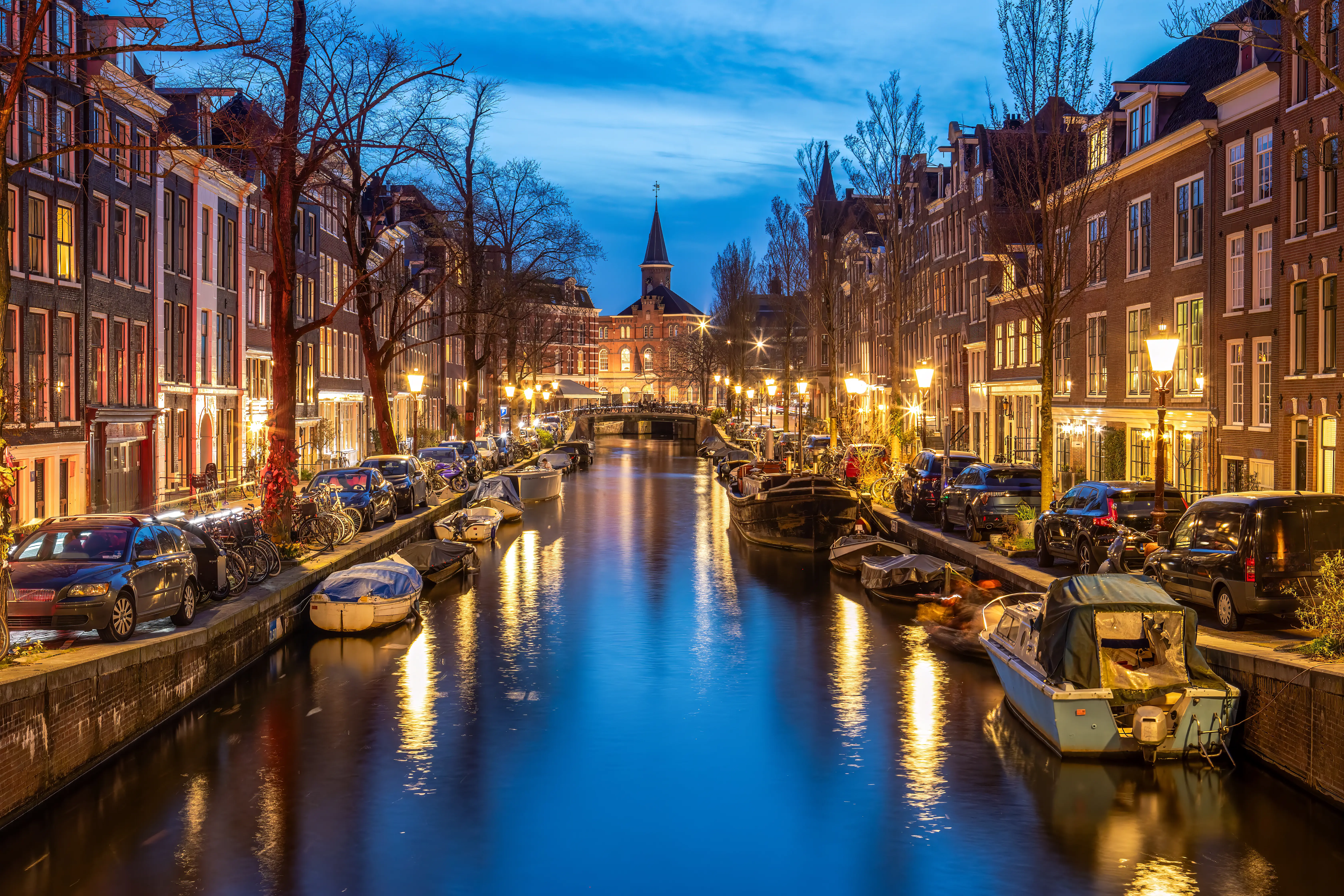
While my Dutch neighbors enjoyed long family dinners and evening bike rides along the canals, I was still chained to my laptop at 10 p.m., taking calls with US colleagues.
My American work habits followed me across the Atlantic like an unwanted houseguest. The stress and burnout I’d hoped to escape caught up with me within months.
It took retiring from corporate America and starting my own business to finally embrace the Dutch approach to work-life balance — and my health has thanked me for it.
Not properly planning when to exchange currency got expensive
Watching the dollar-euro exchange rate swing from about 0.98 euros per dollar highs to 0.83 euros per dollar lows over the past year and a half taught me an expensive lesson about timing.
Each major transfer — housing deposits, US credit-card payments, moving expenses — became a gamble because I hadn’t developed a proper currency strategy.
Instead of planning strategic exchanges when rates were favorable, I made last-minute transfers whenever bills came due, often at the worst possible rates and with hefty fees tacked on.
Our missteps have become valuable lessons that shaped our successful integration into Dutch life
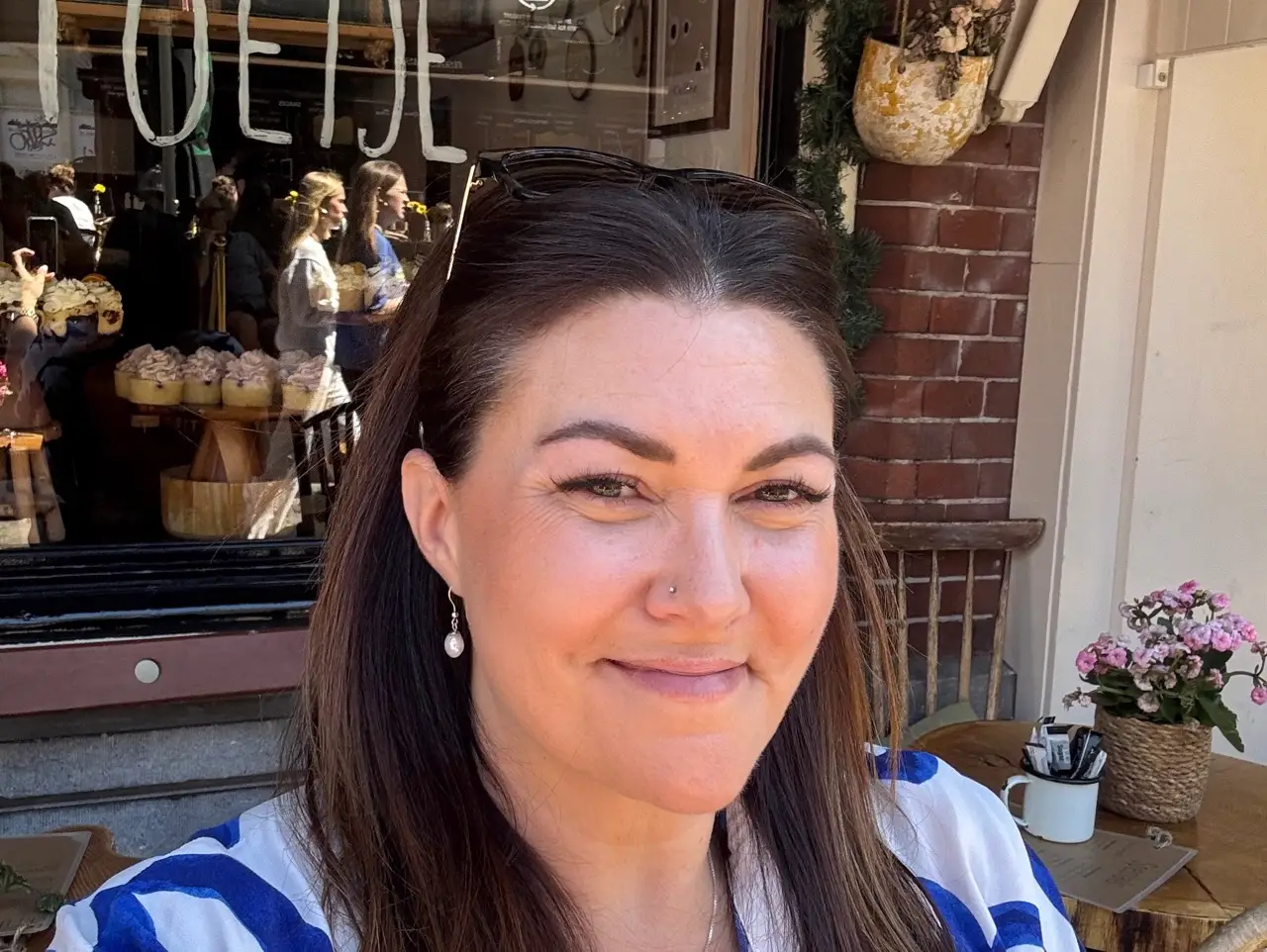
Despite our early mistakes, the Netherlands has given us exactly what we hoped for: a better quality of life, true work-life balance, and a fresh perspective on what’s possible for an American family abroad.
Now, a year and a half later, my sons can easily switch between Dutch and English, and those tearful kitchen moments are just memories that remind us how far we’ve come.
Moving abroad is complex, but having the right guidance can help you avoid these common pitfalls and create a smoother transition for your family.
So, if you’re considering a move to the Netherlands, learn from my mistakes.
Start preparing early (especially with language learning), understand the tax benefits available to you, research the healthcare system thoroughly, be ready to adapt your work mindset, and plan your currency exchanges strategically.
Your future self — and your bank account — will thank you.
Read the original article on Business Insider
The post When I moved my family from the US to the Netherlands over a year ago, I wish I’d avoided these 5 mistakes appeared first on Business Insider.