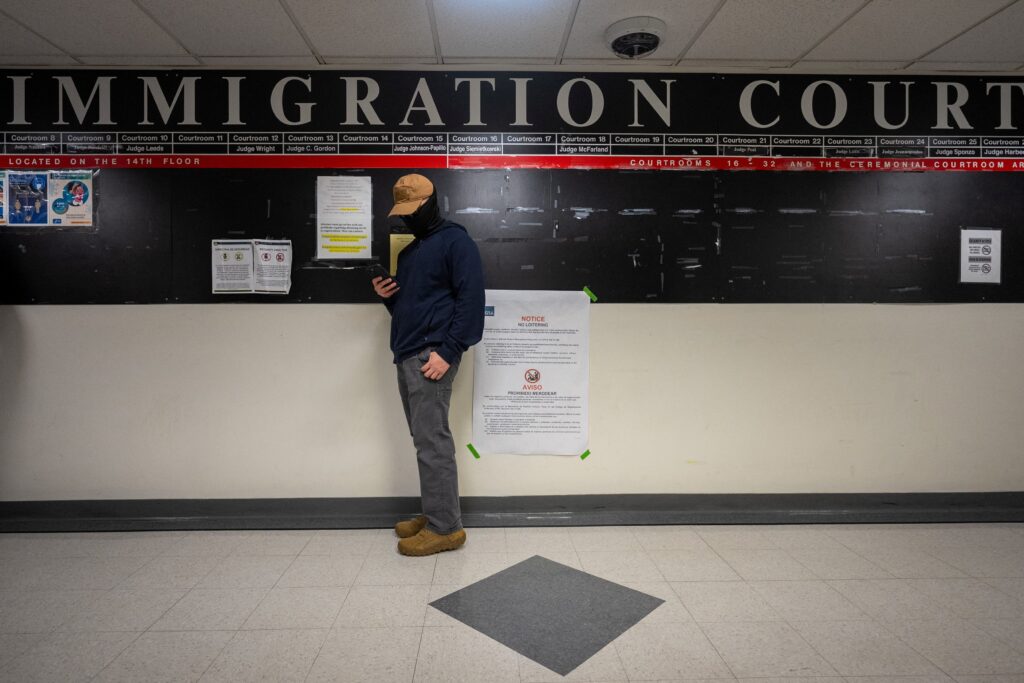
The rule of law requires a justice system that works with some speed, but America’s immigration courts are carrying massive backlogs. As Congress tries to hammer out a compromise to fund the Department of Homeland Security, this source of bipartisan frustration should be central to negotiations.
The number of pending immigration cases has swelled to around 3.4 million today, up from under 500,000 a decade ago. Yet fewer than 700 judges are available across the country to hear cases, meaning many wait years to get their claims adjudicated. In the meantime, they cannot legally work, which pushes them into the underground economy.
Fixing this problem would serve the interests of both parties. Republicans could more easily remove illegal immigrants from the country. Democrats could see legitimate asylum claims more quickly upheld.
The GOP significantly boosted funding for the office that oversees these judges, who work inside the Justice Department, as part of last summer’s tax bill. The same law, however, imposed a cap on the number of immigration judges at 800. That measly increase will never be sufficient to close the backlog.
The Trump administration fired or laid off around 100 immigration judges last year because it saw them as overly permissive in accepting claims. This month, the administration announced that it will shutter the immigration court in San Francisco, after slashing the number of judges there last year from 21 to four.
To compensate for the judges they cut, the administration announced plans last year to authorize up to 600 military lawyers to serve as temporary immigration judges. The administration has also sought to dismiss thousands of cases in hopes of funneling them toward an expedited removal process without any hearing before a judge. That system, however, was designed to deport people who just crossed the border.
Congress could raise the cap on hiring new judges while devising a system for the administration to staff these courts with qualified temporary judges. No one benefits from the system as it currently exists.
The post Giving immigration courts the judges they need is a win-win appeared first on Washington Post.