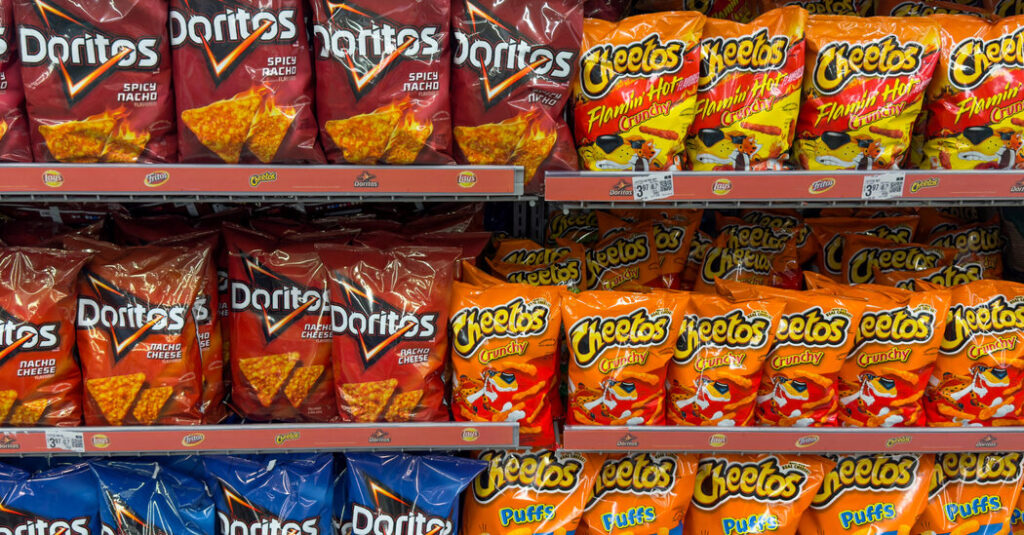
In an effort to woo price-conscious consumers back, PepsiCo said Tuesday that it would cut prices on some of its most popular snacks, including Cheetos, Doritos and Lay’s.
The beverage and snack giant has been under pressure by the activist investor Elliott Management, which took a stake in the company’s shares last year and pushed the group to slash costs and pare back its U.S. product lineup after several quarters of weak sales.
In the fourth quarter, revenues at PepsiCo rose 2 percent from a year ago, to $29.3 billion. But the bulk of those gains came from price increases, as sales volumes for its snacks and drinks continued to decline.
In recent quarters, PepsiCo has acknowledged that higher prices were leaving some consumers feeling pinched and that the company has looked for a variety of ways, including offering smaller packages or multi-packs, to appeal to them. The average price of the company’s products rose 4 percent last year, a similar pace as in 2024. PepsiCo pushed up prices by double-digit percentages in both 2022 and 2023.
The pledged cuts to prices of popular items came after “extensive consumer feedback around affordability limitations” late last year, the company said in a statement.
For low- and middle-income consumers, the “biggest friction” to buying more Pepsi products was affordability, Ramon Laguarta, the chief executive of PepsiCo, said on a call Tuesday with Wall Street analysts and investors. The company had been “testing multiple ways” to make their offerings more affordable, he added.
Like other large food companies, PepsiCo is also dealing with the continued popularity of weight-loss medications, which can reduce cravings for snacks, as well as the Trump administration’s Make America Healthy Again push to alter products perceived as highly processed.
Mr. Laguarta highlighted how the company aimed to attract consumers seeking healthier versions of its snacks and beverages.
He pointed to early success in the company’s Simply NKD lines of Cheetos and Doritos, introduced in late November, that are made with no artificial flavors or dyes, giving them a pale color instead of their usual neon hues.
“There are consumers out there that are looking for us to give them excuses to come into the category,” Mr. Laguarta said, adding that the products were finding traction among younger households and mothers.
The company hopes for a similar outcome later this year, when it introduces a new version of Gatorade made with less sugar and no artificial colors or flavors.
The company said late last year it planned to “aggressively” cut costs by, in part, reducing the range of products it made by roughly 20 percent this year. PepsiCo also said on Tuesday that it would increase its annual dividend by 4 percent this year, and it approved a program to buy back up to $10 billion of its stock over the next few years.
PepsiCo’s stock jumped more than 3 percent in early trading on Tuesday.
Julie Creswell is a business reporter covering the food industry for The Times, writing about all aspects of food, including farming, food inflation, supply-chain disruptions and climate change.
The post After Years of Increases, PepsiCo Pledges to Cut Prices on Snacks appeared first on New York Times.