A British military unit that is leaning heavily into drones says that even though the technology may be the future of war, it probably won’t fundamentally change most of infantry life as it is now, at least not anytime soon.
The Irish Guards, an elite infantry regiment within the British Army, have been preparing intensively to operate with drones after watching the heavy drone use in Ukraine and receiving advice from Ukrainian soldiers.
But Lt. Col Ben Irwin-Clark, the commanding officer of its 1st Battalion, told Business Insider that he believes most of an infantryman’s job likely won’t change even as drone technology proliferates.
“To me, it feels like 80% of the job of an infantryman is exactly the same and probably exactly the same as it was in a Napoleonic era,” he said. “You need to be fit. You need to be strong and robust. You need to be able to survive in the field. You need to be able to dig a hole.”
“That hasn’t changed,” he said. “I doubt it’s going to change for a while longer.”
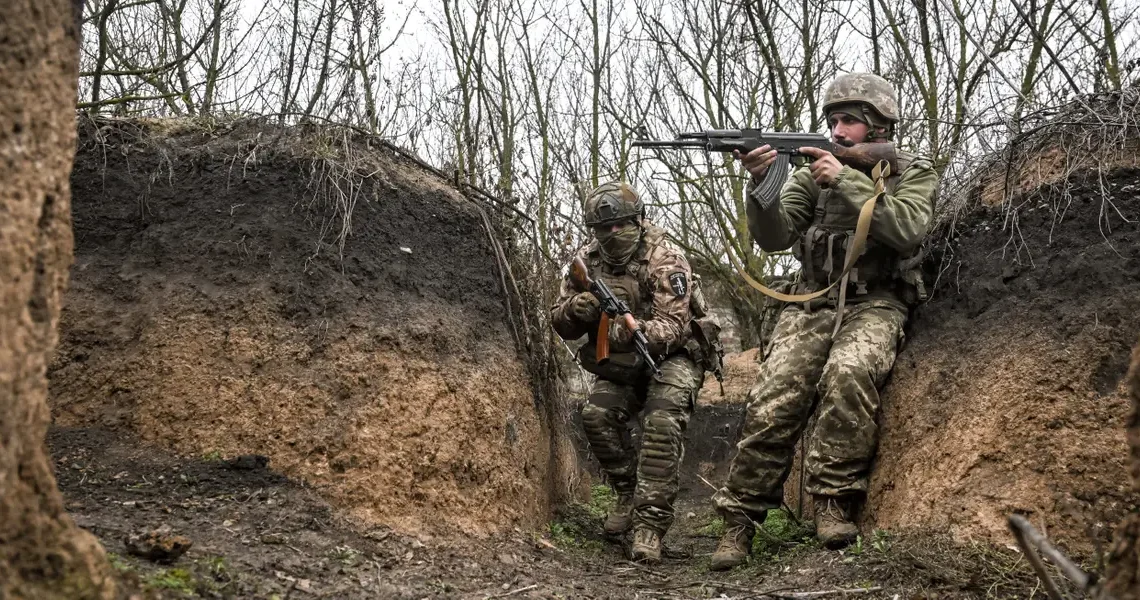
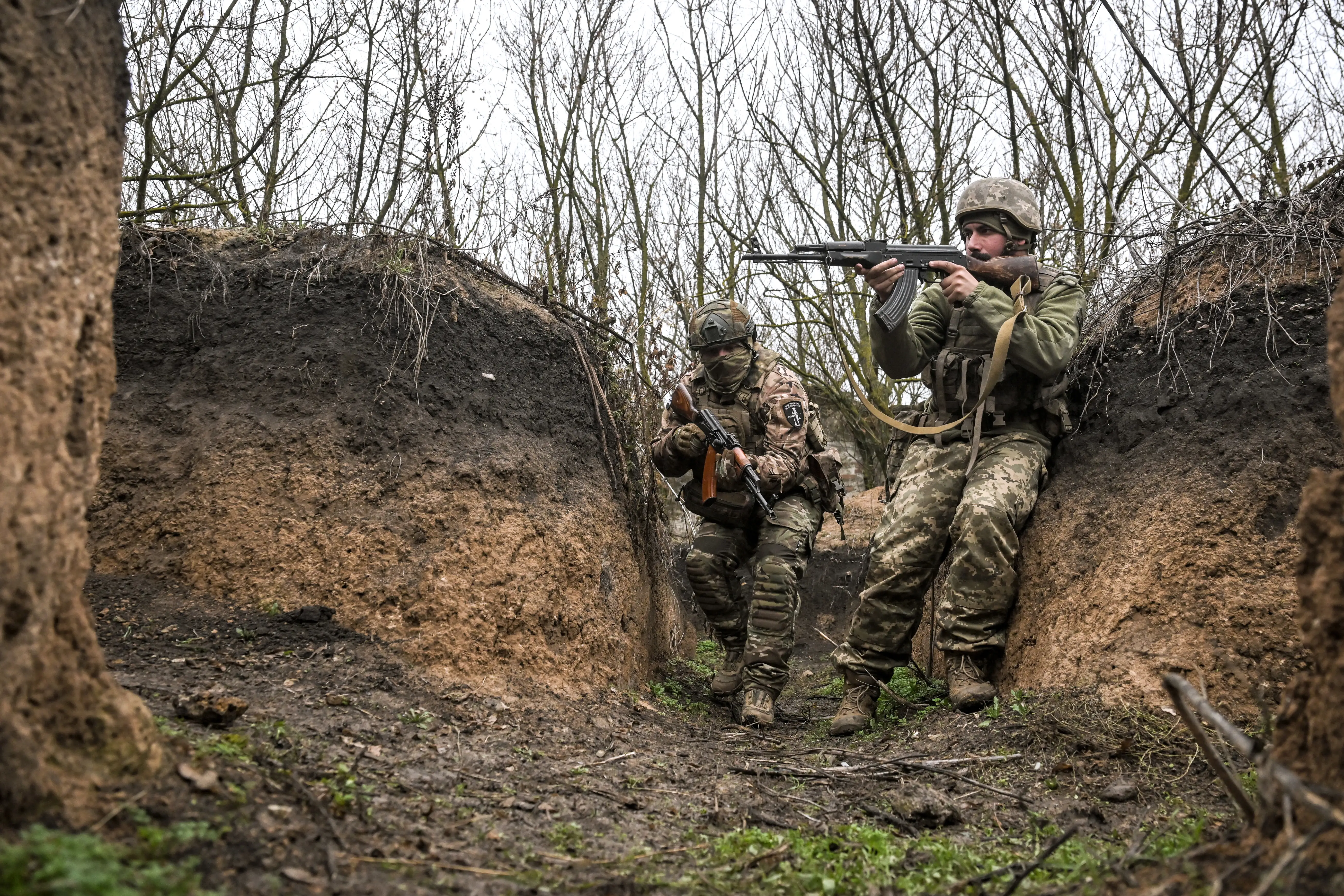
He said that land warfare and infantry combat tend to be “regressive,” which is to say “it doesn’t matter how much technology you throw into the field, it doesn’t matter how supremely trained your troops are. Sooner or later it ends up as two blokes in a muddy hole, slugging it out with a billhook or a spade.”
By contrast, he said, once ships sink or aircraft are shot down, the fight effectively ends. On land, however, warfare devolves rather than stops.
“Once the tank’s gone, you just regress to the next type of technology,” he said — and eventually to soldiers on foot. “So I don’t think a huge majority of the job has changed.”
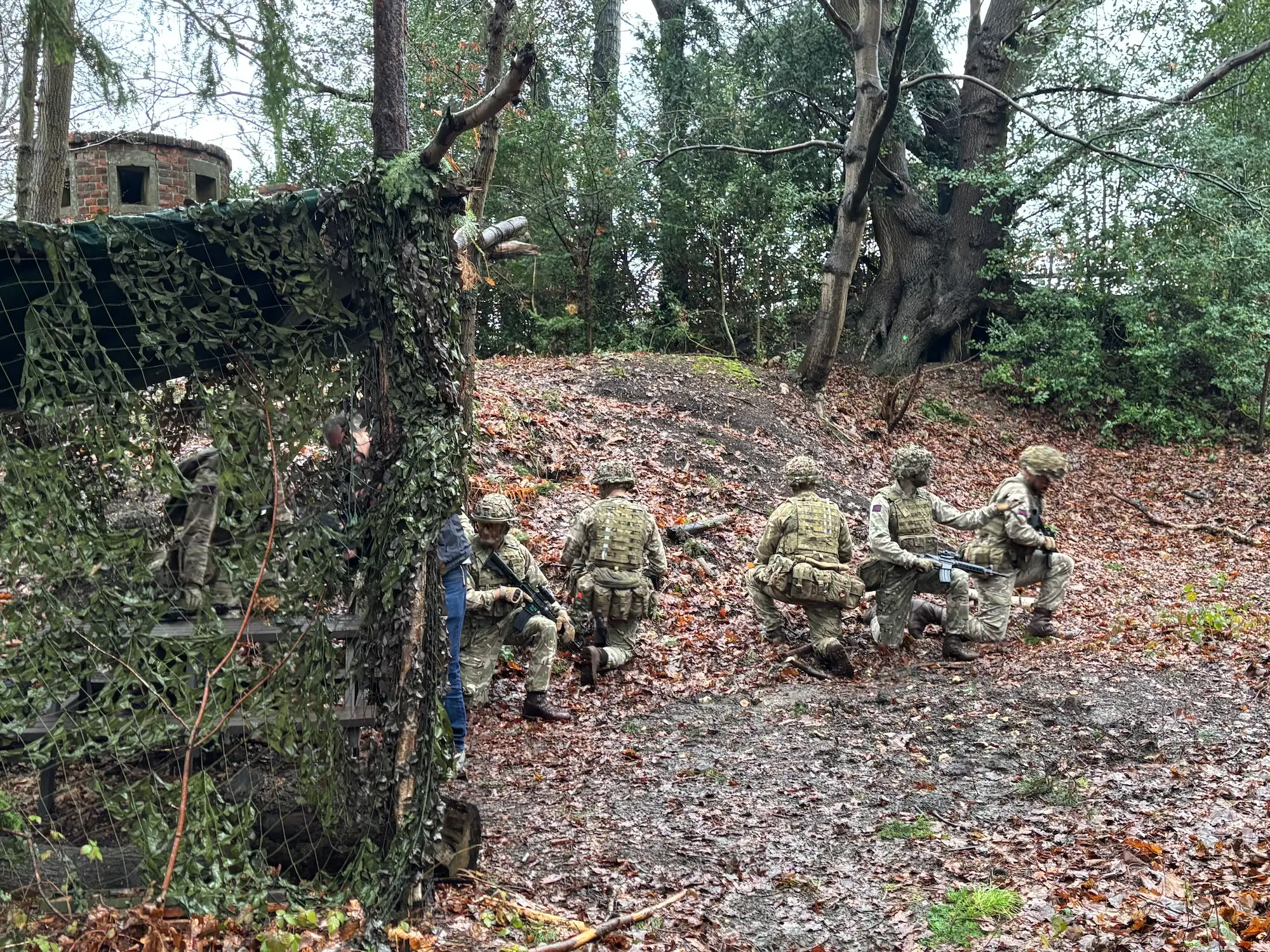
That continuity, Irwin-Clark said, is reassuring rather than limiting. It means new technology can be layered onto an existing foundation rather than replacing it.
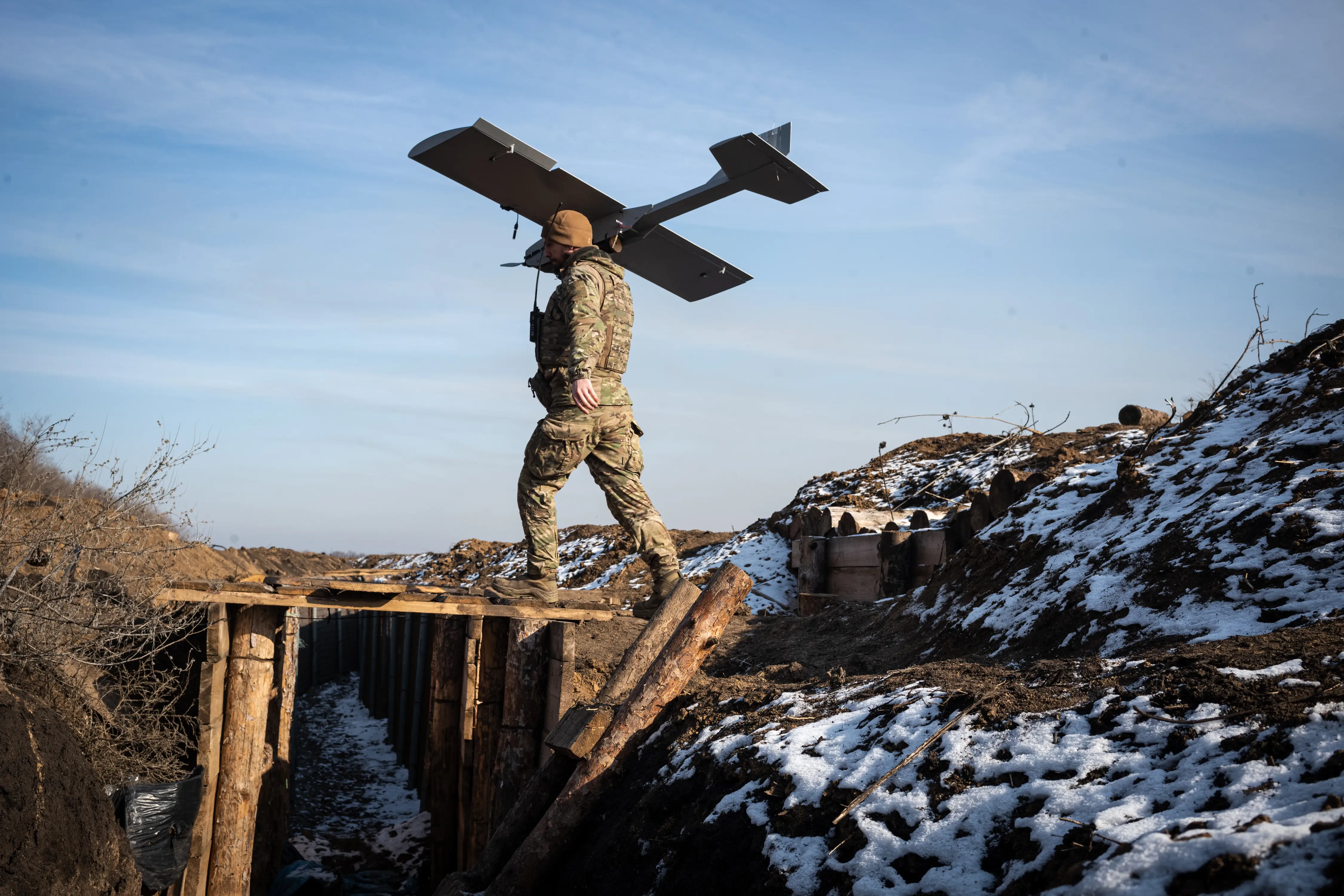
Still, his unit is heavily embracing drones, driven by lessons from Ukraine and direct Ukrainian input.
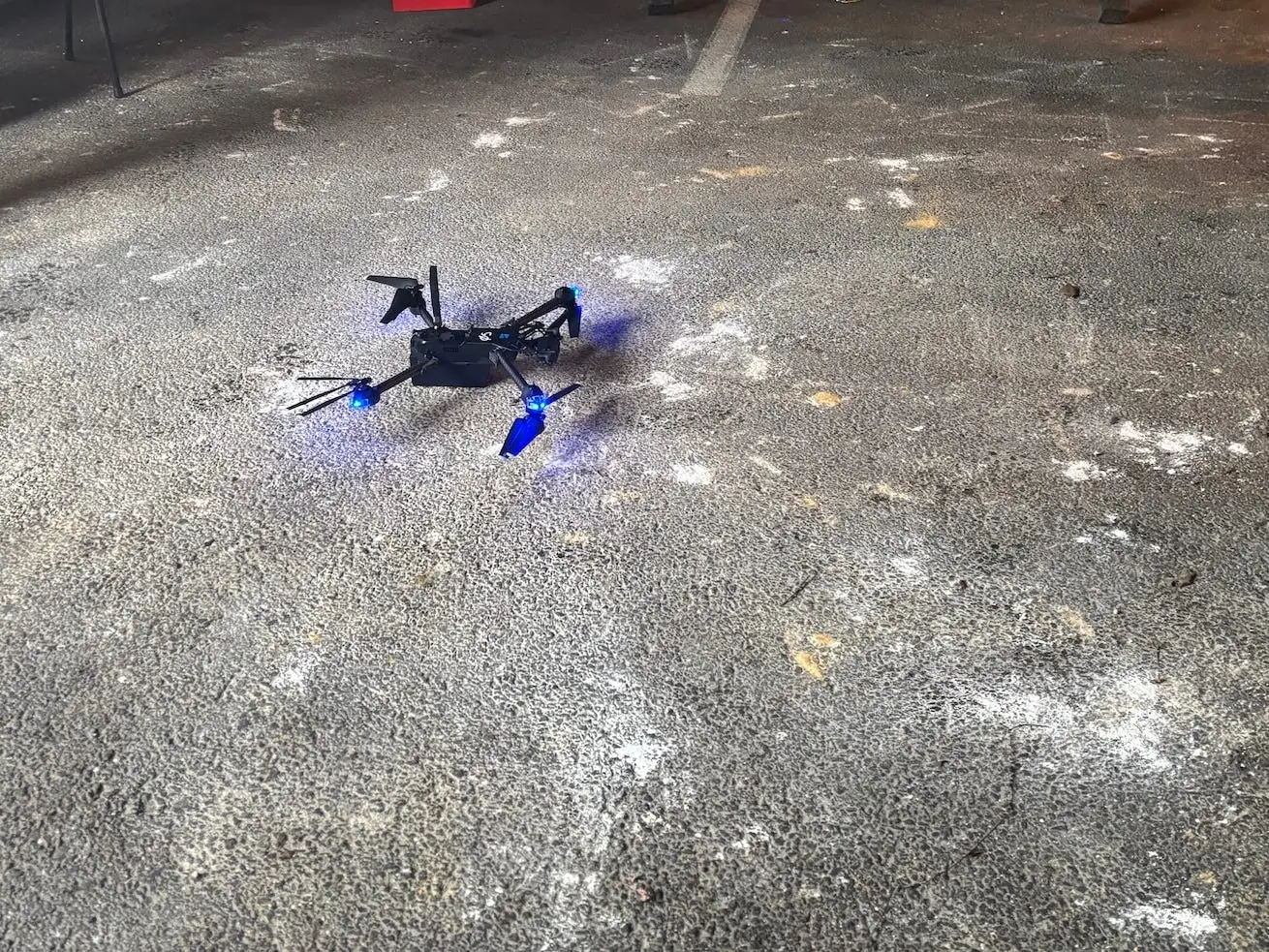
Irwin-Clark said that out of the 300 people in the battalion, 78 are now pilots or instructors. It has also created a “drone hub,” the first of its kind in the British Army, where soldiers can repair drones and develop new ones using tech like 3D printing, a technology it adopted on Ukrainian advice. It now uses drones in its exercises and has created a drone obstacle course for soldiers to train on.
The British officer isn’t alone in his thinking on the impact of drones on war and the infantry.
Maj. Rachel Martin, director of the US Army’s Unmanned Advanced Lethality Course designed to help the service catch up on drone warfare, told Business Insider that “yes, warfare, the tools of warfare are changing, but the fundamentals of warfare have not changed.”
Drones, she said, are “just another tool with which to combat specific types of missions, but not necessarily all missions,” and other weaponry that the US Army has had for much longer may still be able to accomplish missions better than drones can.
She said she wants soldiers to view drones “as a tool with which to accomplish a mission, but it may not be the tool given a certain mission set.”
Gen. James Rainey, the former head of Army Futures Command, said in 2024 that technology like drones was having a majorly disruptive effect on land warfare and was something the US needed to get ahead of, but he also said that war will “always be a human endeavor.”
Drones may not dominate future Western wars as they do in Ukraine — where shortages forced heavy reliance on them — but NATO militaries are still investing in drones and training to ensure they’re ready to use them where they make sense.
Even though he doesn’t see much of infantry life changing, Irwin-Clark still described drones as being part of “the future of warfare.”
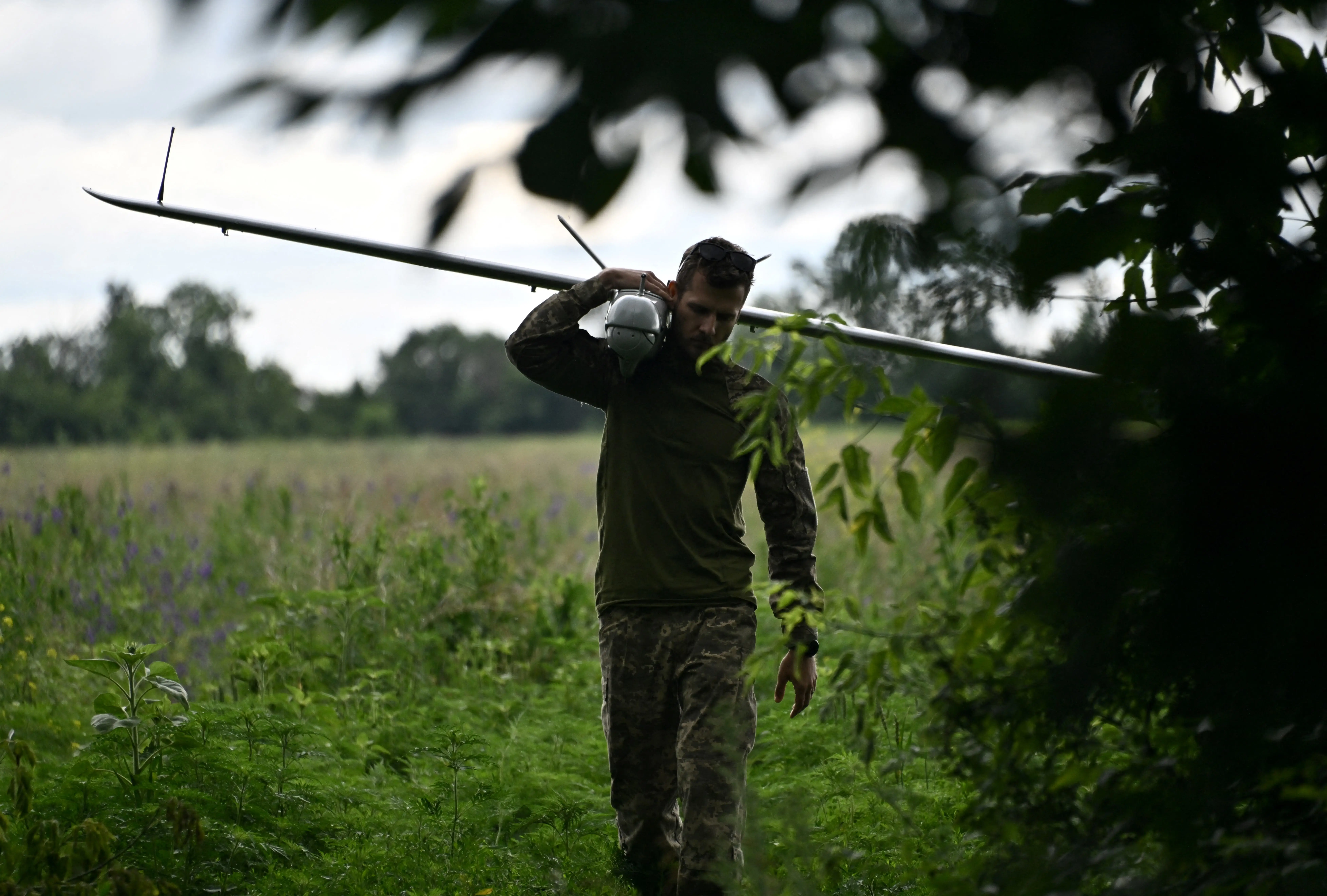
He said that what surprised him most was how quickly his battalion’s members picked up the technology.
“Everything else that you learned in the army is a sort of quite laborious process of fixed lessons, right?” he said. He said that things are done by the book, because those styles of warfare have been around for so long that “there is literally a book.”
After 20 years in the army, he was used to a more formulaic approach to training. But with drone warfare, “you can’t do that because the text’s changing all the time and the types of drones are changing all the time.” He was fearful as a result that it would take quite a while for the battalion to get it. Instead, he was “pretty blown away” by how quickly soldiers were confidently flying using drones.
He said that the men and women in the battalion “are incredible and can pick that up really quickly. They’re really adaptable, and they are really tech savvy.”
Read the original article on Business Insider
The post Infantry will still be fighting in muddy holes even as drones change war, British officer says appeared first on Business Insider.