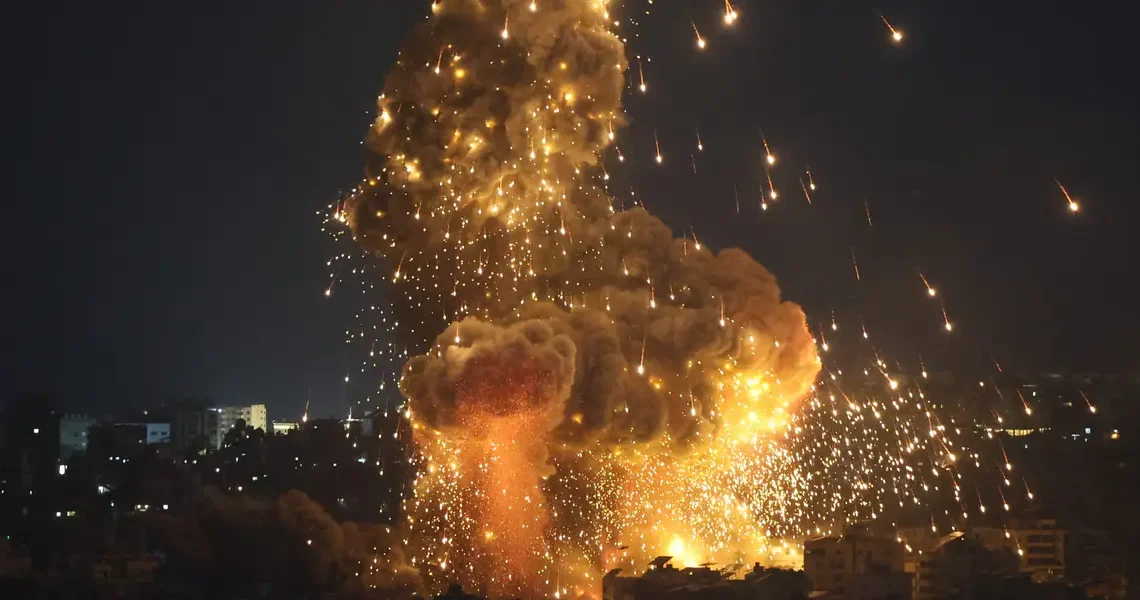
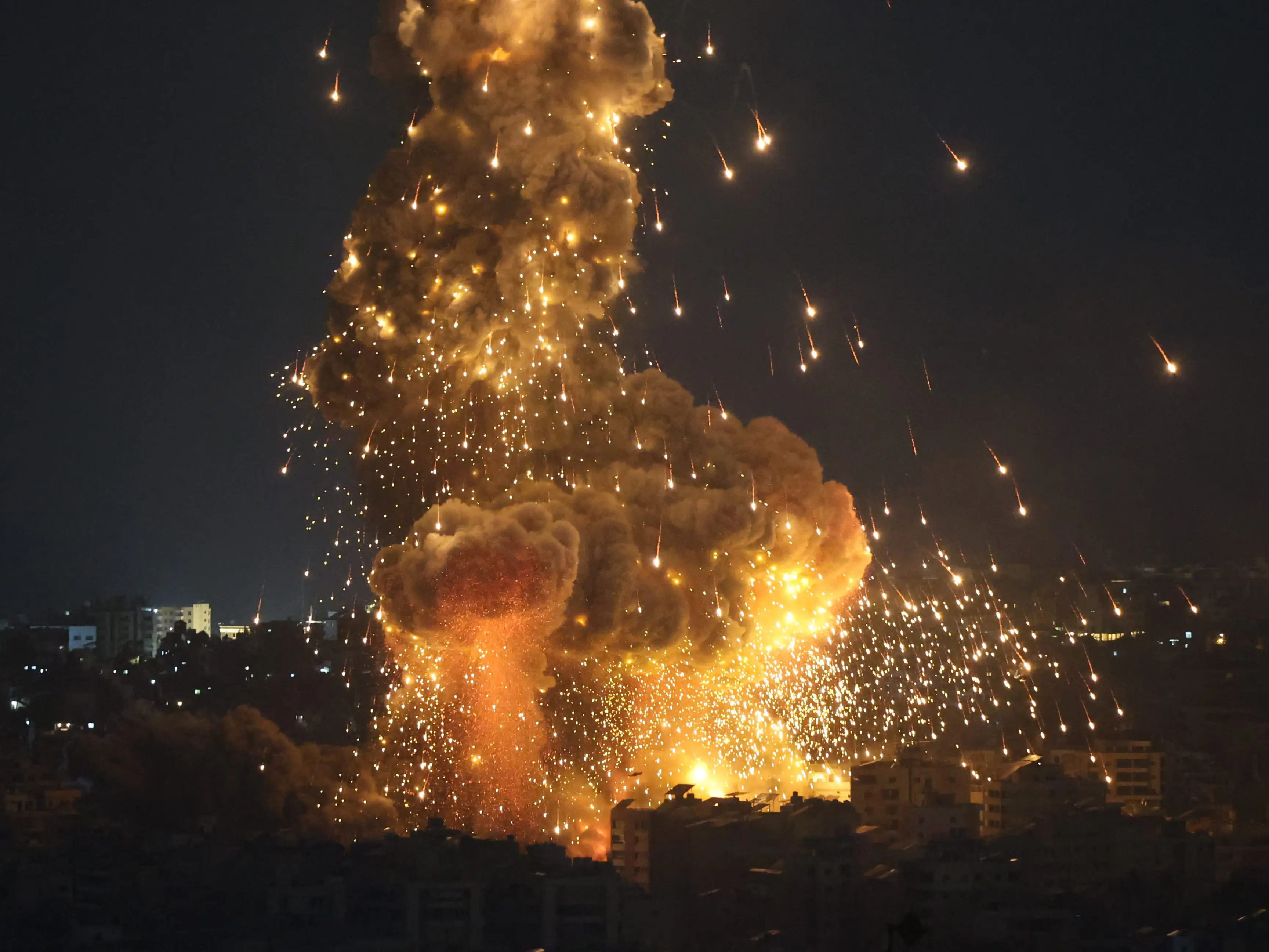
Overseas travel can be an immensely enriching experience, from learning about different cultures to seeing some of the world’s greatest sights, but in some countries, it can also come with risks.
The US State Department ranks 21 countries around the world as a travel advisory level four, “Do Not Travel” due to risks like terrorism and kidnapping.
“All countries will rank destinations slightly differently,” Alan Fyall, a professor of tourism at the University of Central Florida, told Business Insider.
While they frequently overlap, the US and the UK don’t have identical lists, for example. Historical and cultural ties, proximity, and level of familiarity may all play a role in shaping these lists, he said.
For some of these countries, the US has suspended embassy operations. That makes it difficult for it to assist travelers when they’re in trouble, and that’s part of the reason the warnings can be stringent, said Fyall.
“Do you really want to go and rescue your citizens from a country that, really, they’re not that advised to go to in the first place?” he said.
The US and UK governments also issue warnings for specific areas in some countries, such as near the Thailand-Malaysia border, the Western Desert in Egypt, or parts of Israel. In July 2025, the US State Department changed Israel and the West Bank’s travel advisory from a “do-not-travel” to a “reconsider travel” country, but the level four advisory has remained for Gaza as well as the Israeli regions near the Lebanese, Syrian, or Egyptian borders.
While some risk-takers travel to these countries for a thrill, others visit family or for business.
“Some people think the perceived risk is overstated,” Edward Dramberger, a University of South Carolina tourism and hospitality professor, told Business Insider.
For those who travel to level-four countries, the US State Department often offers routine advice, including staying aware of your surroundings, keeping your travel documents on hand, drafting a will before travel, creating a plan to leave the country without the aid of the US government, and monitoring local news for emergency situations.
Nations and regions can change travel advisory levels on the US’ list based on changing circumstances, but these are the 21 countries the State Department considers “do-not-travel” zones as of January 2026.
Afghanistan
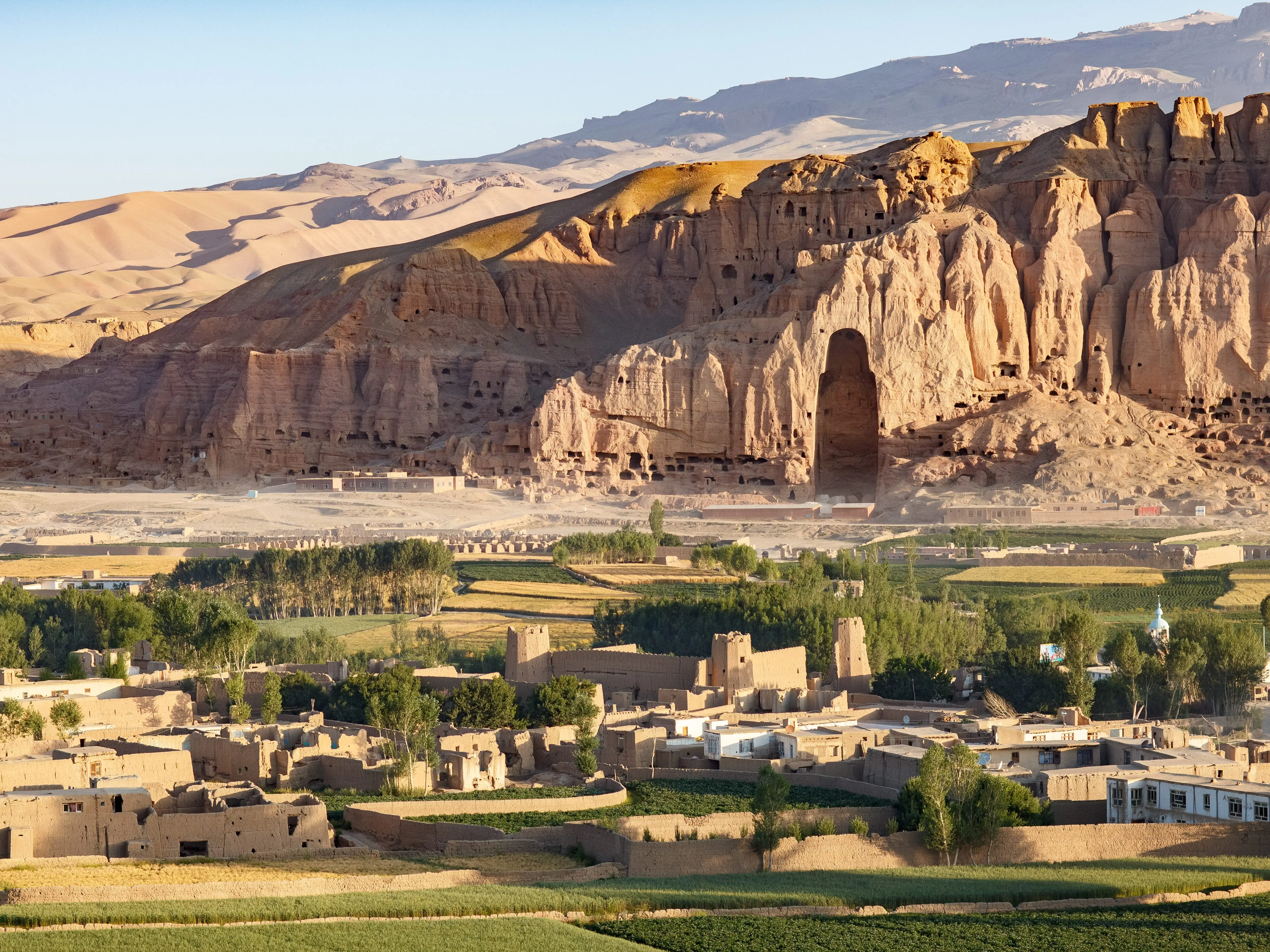
Sitting between Iran and Pakistan, mountainous Afghanistan has rugged terrain and an arid climate.
“People perceive Afghanistan as just a desolate, mountain desert country with no attributes, no culture, which is wrong,” Dramberger said.
Decades of coups, civil wars, and invasions have made the country difficult for travelers to get to know, except via the news.
The US State Department lists crime, civil unrest, terrorism, wrongful detention, health, and kidnapping among the safety concerns when traveling to Afghanistan. Medical care may be more difficult to obtain in rural areas.
In 2021, the US Embassy in Kabul closed its operations in the country.
The agency recommends that American visitors keep a low profile while in the country.
Belarus

Once part of the Soviet Union, Belarus maintains close ties with its neighbor, Russia. From Gothic architecture to rare near-endangered species, Belarus has attractions for castle seekers and nature enthusiasts.
In recent years, Belarus has allowed Russia to use some of its territory to invade Ukraine.
The risk of civil unrest makes visits to Belarus unwise, according to the State Department. The US Embassy suspended operations there in 2022.
Americans traveling to Belarus should exercise the usual precautions for visiting high-risk countries and consider leaving their phones, computers, and other electronic devices behind. The State Department also recommends not accessing social media accounts while in Belarus because they may be monitored.
Burkina Faso
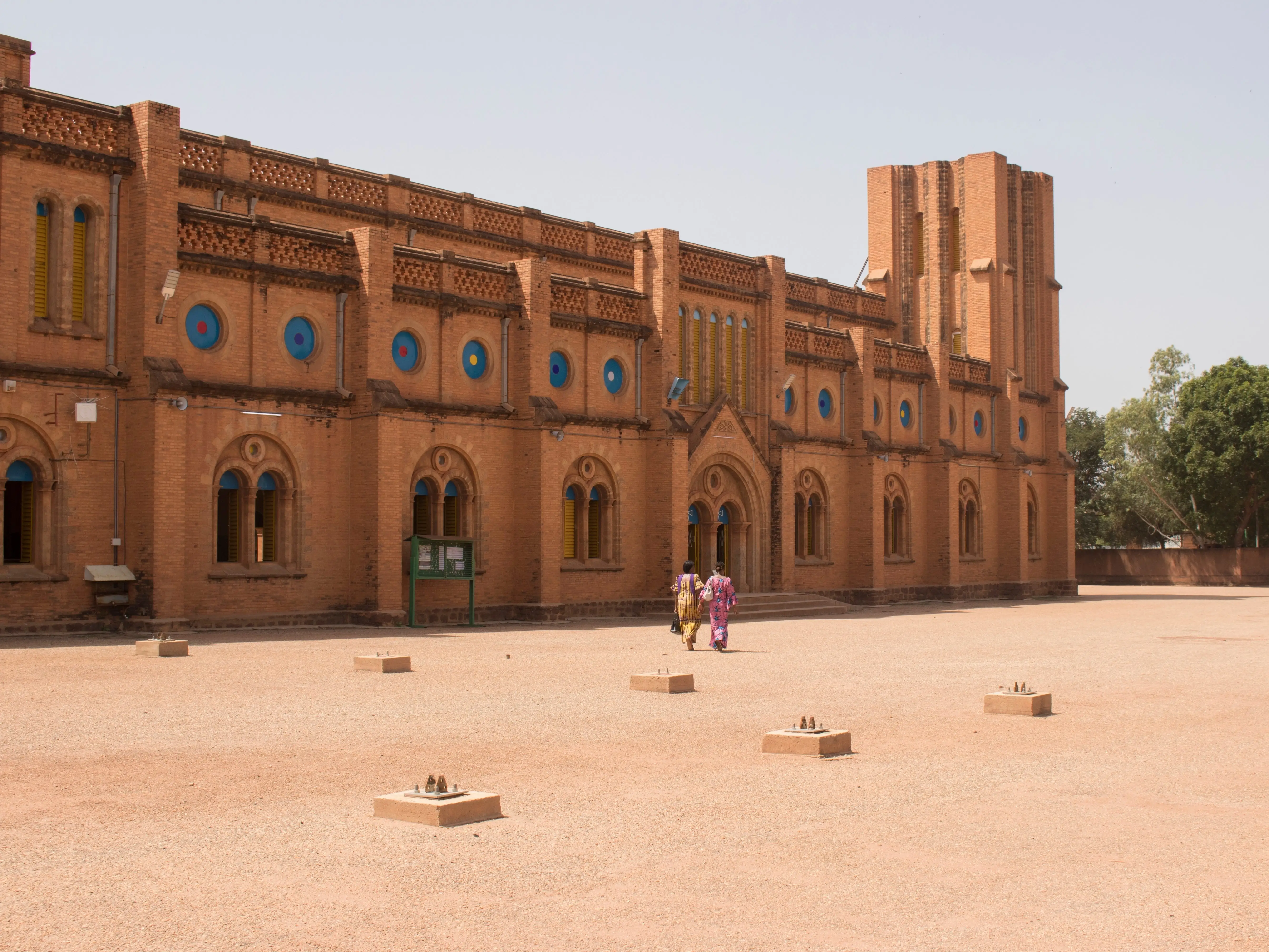
Ouagadougou, the capital of Burkina Faso, is a West African hub of culture and arts, and the country also has an incredible wildlife refuge, Réserve de Nazinga, near its border with Ghana.
Despite the country’s positive attributes, the US State Department advises that travelers avoid visiting the country.
The country’s government has declared a state of emergency for several regions.
Terrorism, crime, and other threats have displaced over 2 million residents, as reported by the United Nations. While the displacement crisis has been slowly decreasing, the country still finds itself engulfed in a deep humanitarian crisis.
Since 2015, several citizens of countries like the US have been kidnapped in Burkina Faso, according to the US Overseas Security Advisory Council, which classifies the situation in the country as “critical.”
While the US Embassy still operates in Ouagadougou, government employees are unable to travel to many parts of the country due to safety concerns, which include the threat of terrorist violence.
In January 2026, the US government began suspending visas and limiting entry for citizens of 39 countries, including Burkina Faso. As a response measure, the West African country also suspended visas for US citizens.
The US government’s recommendations for lowering risk while traveling in Burkina Faso include avoiding areas where Westerners typically travel and not resisting if someone attempts to rob you.
Central African Republic
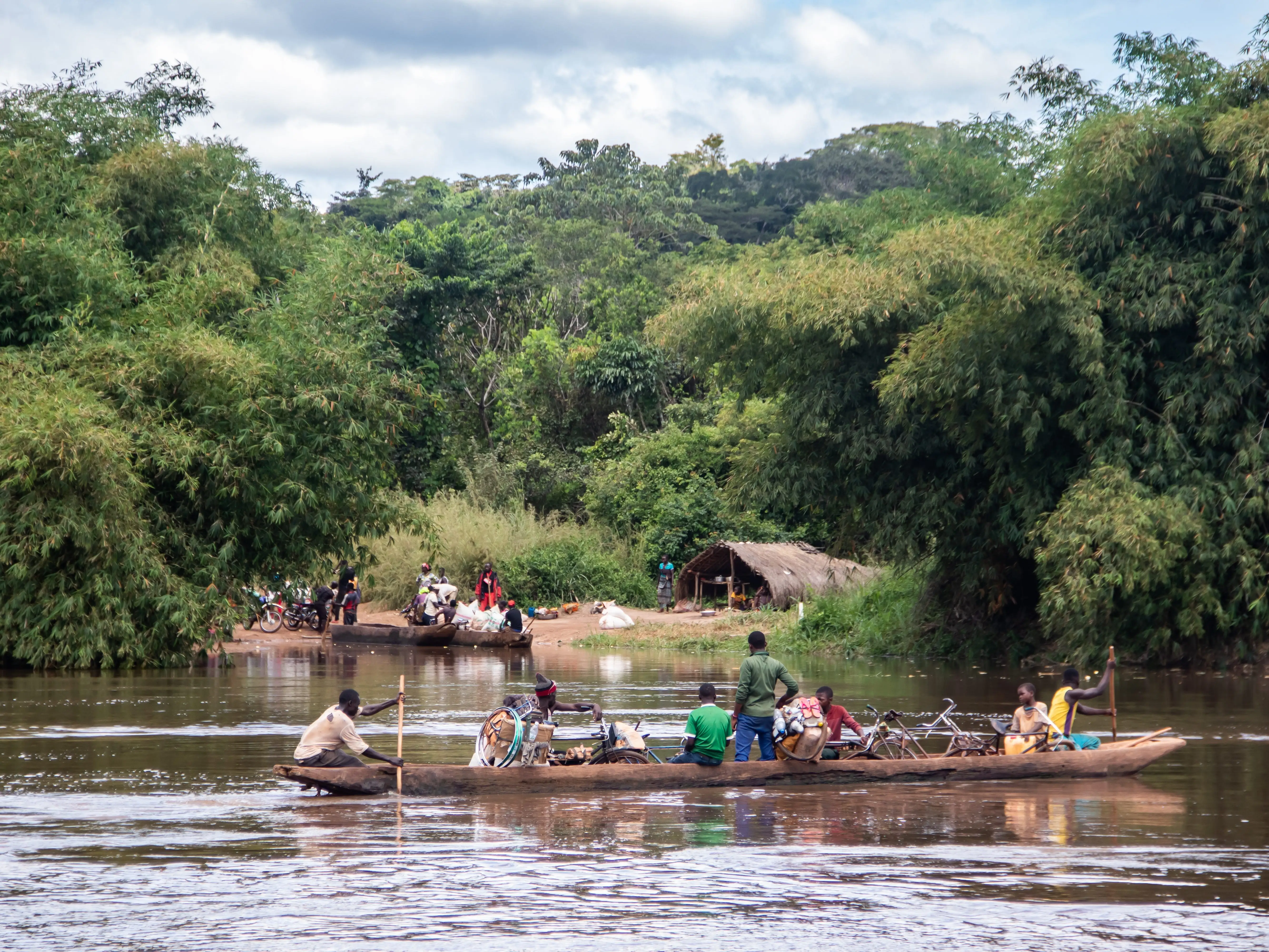
The Central African Republic touches several other level-four countries, including Sudan and South Sudan, and is home to incredibly rich biodiversity in its national parks, including Dzanga-Sangha National Park and Manovo-Gounda St. Floris National Park.
Many of the country’s species are endangered, and its citizens have faced decades of instability, according to the United Nations.
Recently, armed groups have targeted Muslims and refugees.
The US State Department considers CAR a dangerous travel destination due to threats of terrorism, crime, civil unrest, unexploded land mines, and kidnapping, as well as health concerns. US citizens can expect limited help from the US Embassy in Bangui, CAR’s capital.
Due to the threat of kidnapping, the US’ travel advisory website suggests travelers leave DNA samples with their doctor and establish proof-of-life protocols with family or friends so they can assist you if you’re abducted. The State Department also suggests keeping a low profile, avoiding travel to rebel-controlled areas, and not resisting robbery attempts.
Haiti
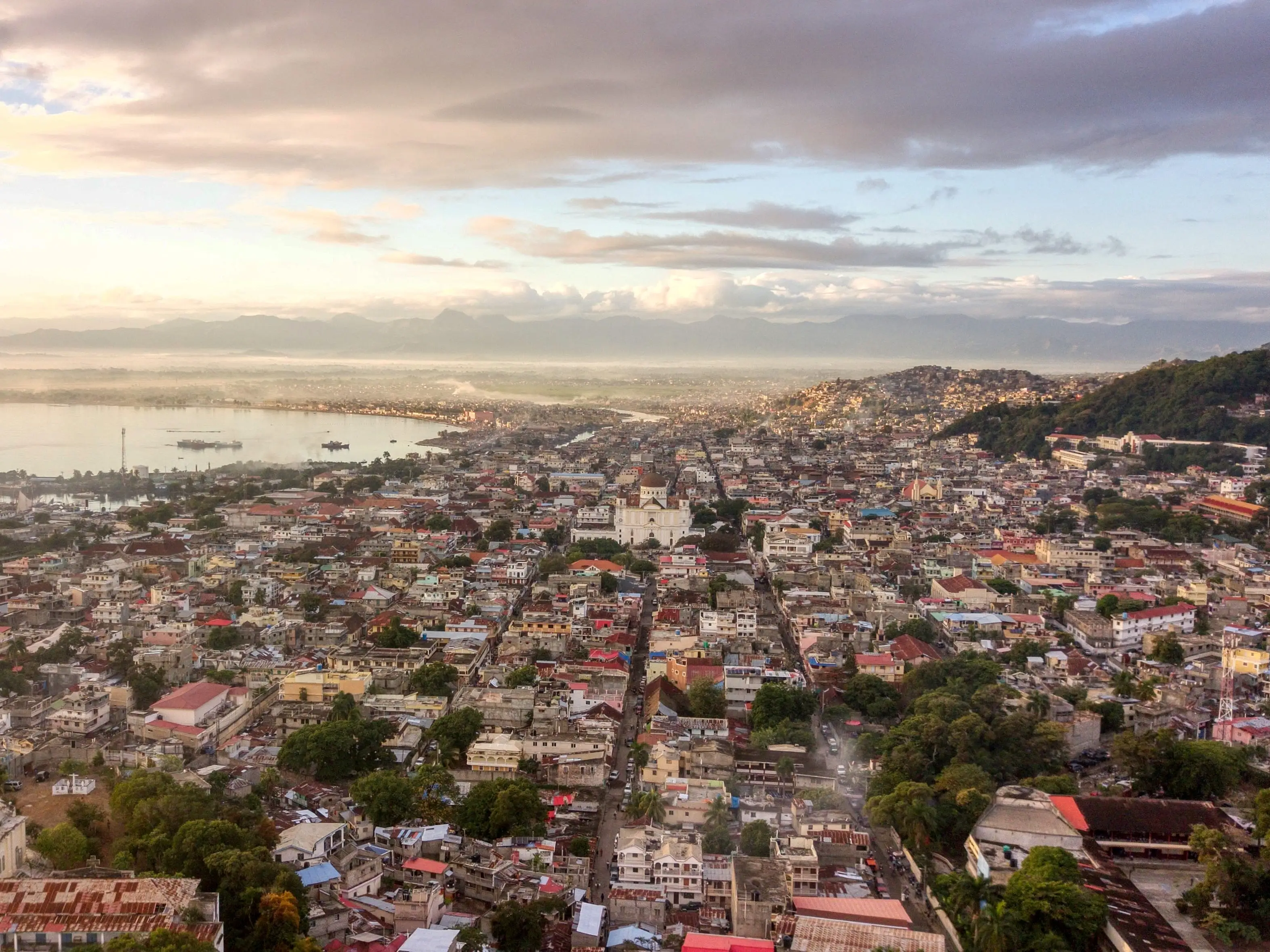
The Caribbean country of Haiti shares the island of Hispaniola with the Dominican Republic. The country, which won its independence from France in 1804, maintains some of its historic monuments, like its Citadelle Laferrière.
In recent years, the country has fallen under a state of emergency. In July 2023, the US ordered government employees to leave the country, and since 2025, the US government has enforced a ban on flights to Port-au-Prince, its capital, due to gang violence. The ban has since been extended to March 2026, and the country’s capital remains cut off from US travel.
In addition to the flight ban, the country is also under a travel ban to the US, meaning that its citizens cannot enter the country, and that new visas are not being issued.
In the capital city of Port-au-Prince, local authorities have enforced curfews and “shelter-in-place” advisories since the beginning of the state of emergency.
The State Department has warned that armed robberies, sexual assaults, and kidnappings are among the reasons to reconsider travel to Haiti.
Anyone who does go should avoid walking in the streets when possible, travel in groups, and keep vehicle doors and windows locked when driving, according to the State Department.
Iran
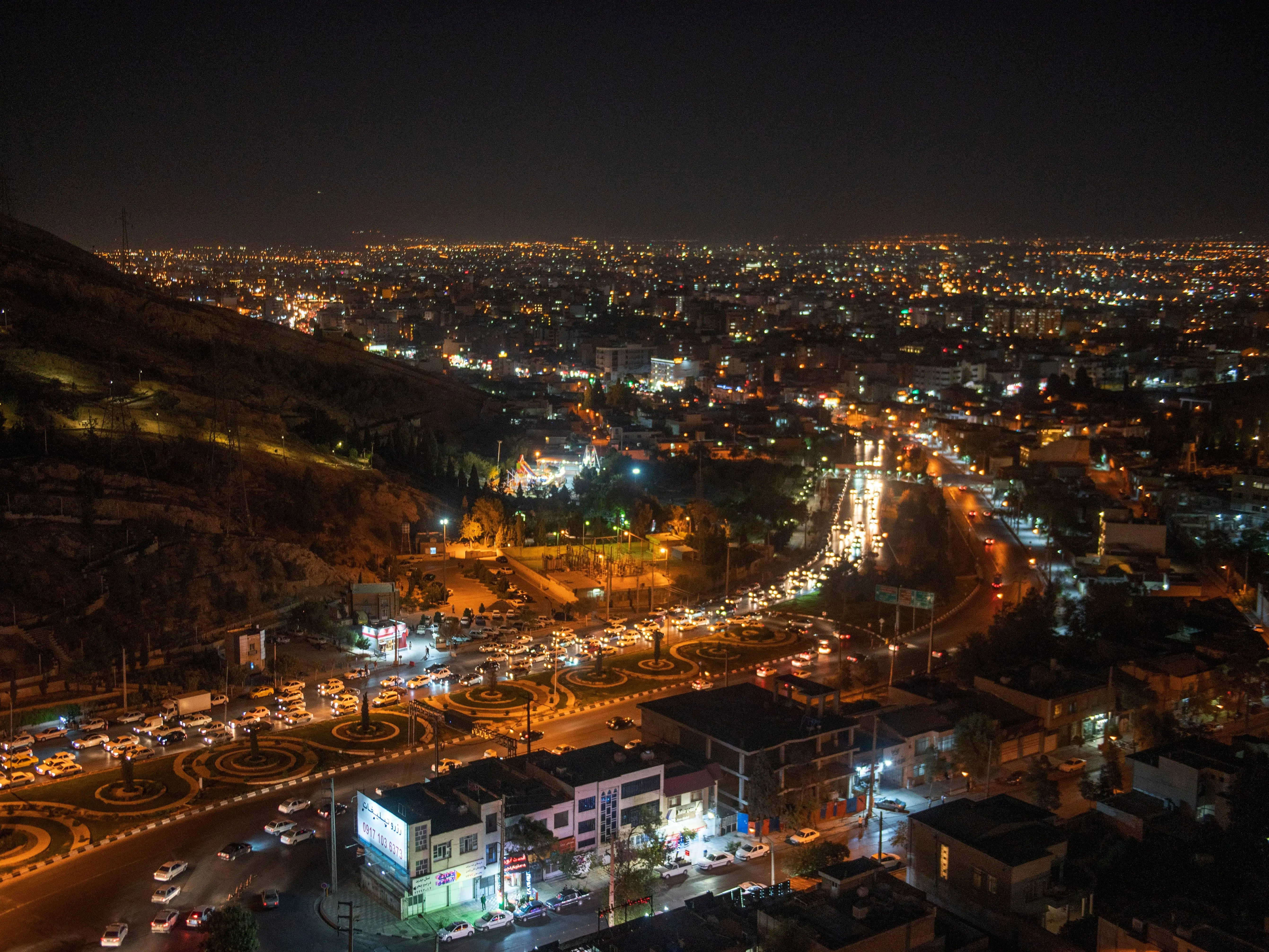
One way to see over 800 miles of this Middle Eastern country is the Trans-Iranian Railway, which runs from the Caspian Sea to the Persian Gulf. Tehran, the capital, lies along the route.
Some of the country’s natural wonders include dormant volcanoes and the stunning limestone formations of Badab-e Surt.
Right now, it’s not safe for US citizens to travel to the country, according to the State Department.
Following protests in 2022, thousands of people were arrested and tortured by Iranian authorities, according to Amnesty International.
Since December 2025, massive anti-government protests have broken out in the country yet again and have recently resulted in violent crackdowns by state actors, with thousands of deaths and arrests in the tens of thousands. The Iranian government has also imposed an internet blackout in efforts to censor information about the protests.
The US government has cautioned that Iranian officials may wrongfully and arbitrarily detain or imprison US nationals and other foreigners.
The travel advisory also warns of terrorism, civil unrest, and kidnapping throughout the country.
The US doesn’t have a physical embassy in Iran. The American government’s travel advisory site states that visitors should have a means of leaving Iran that doesn’t depend on its assistance, as it cannot provide consular support or facilitate departure from the country.
Iraq
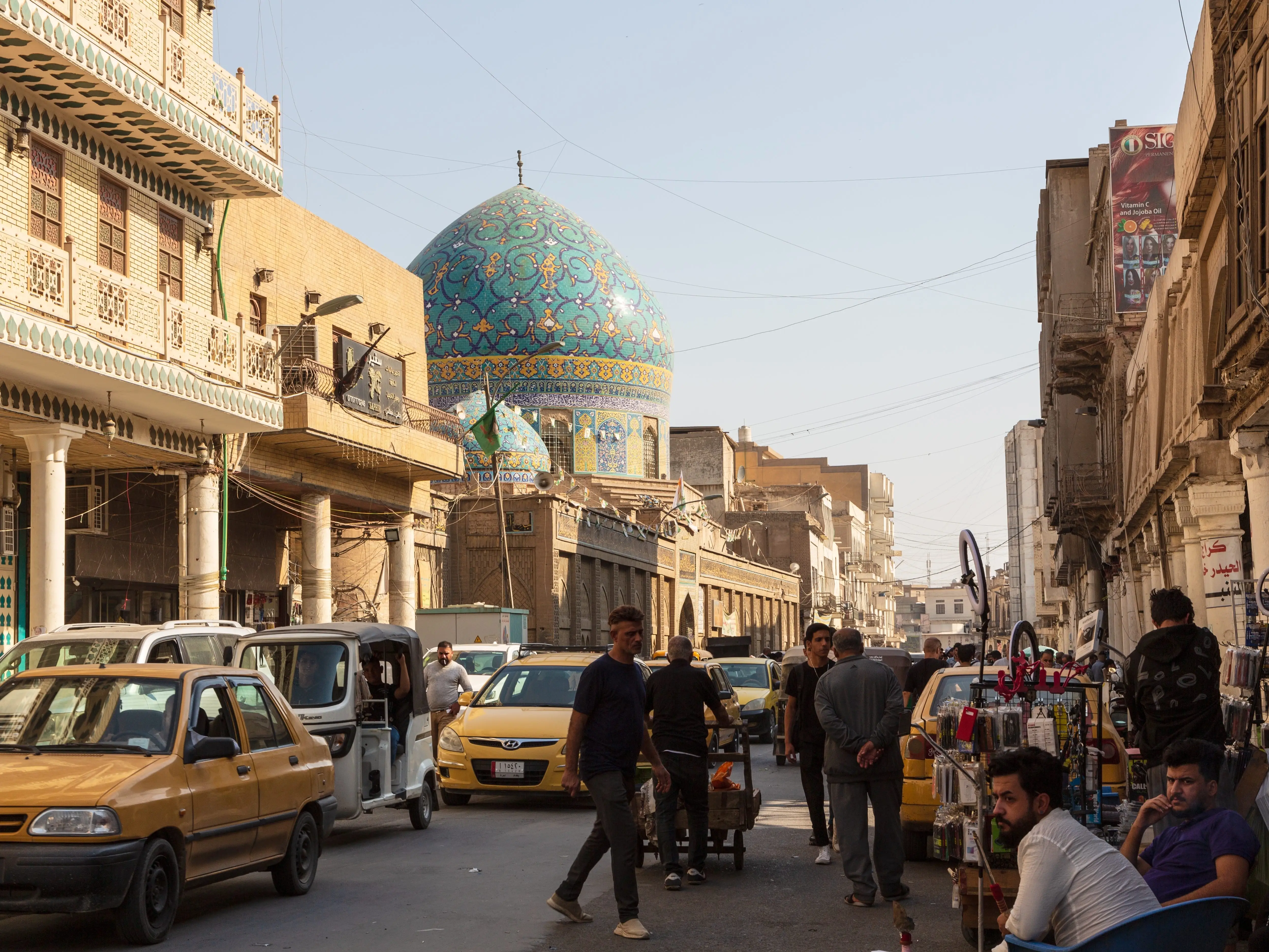
From the Tigris and Euphrates to the Hanging Gardens of Babylon, Iraq holds sites that many remember from their ancient history textbooks. Sadly, some of its artifacts were lost to looting during the 2003 Iraq invasion.
Since the US invasion and the overthrow of Saddam Hussein, Iraq has faced threats from terrorist groups such as ISIS.
Terrorism, kidnapping, and civil unrest are enough of a risk that the State Department considers Iraq a level-four country.
As of August 2025, ISIS was still active in parts of Iraq, according to OSAC. Armed conflict and terrorist threats are dangerous at the northern borders, per the State Department.
The State Department also warns that US travelers should avoid the country’s northern border and consider making arrangements with a professional security organization for any visits. US employees in the country are also forbidden from using Baghdad International Airport for travel due to security concerns.
Lebanon
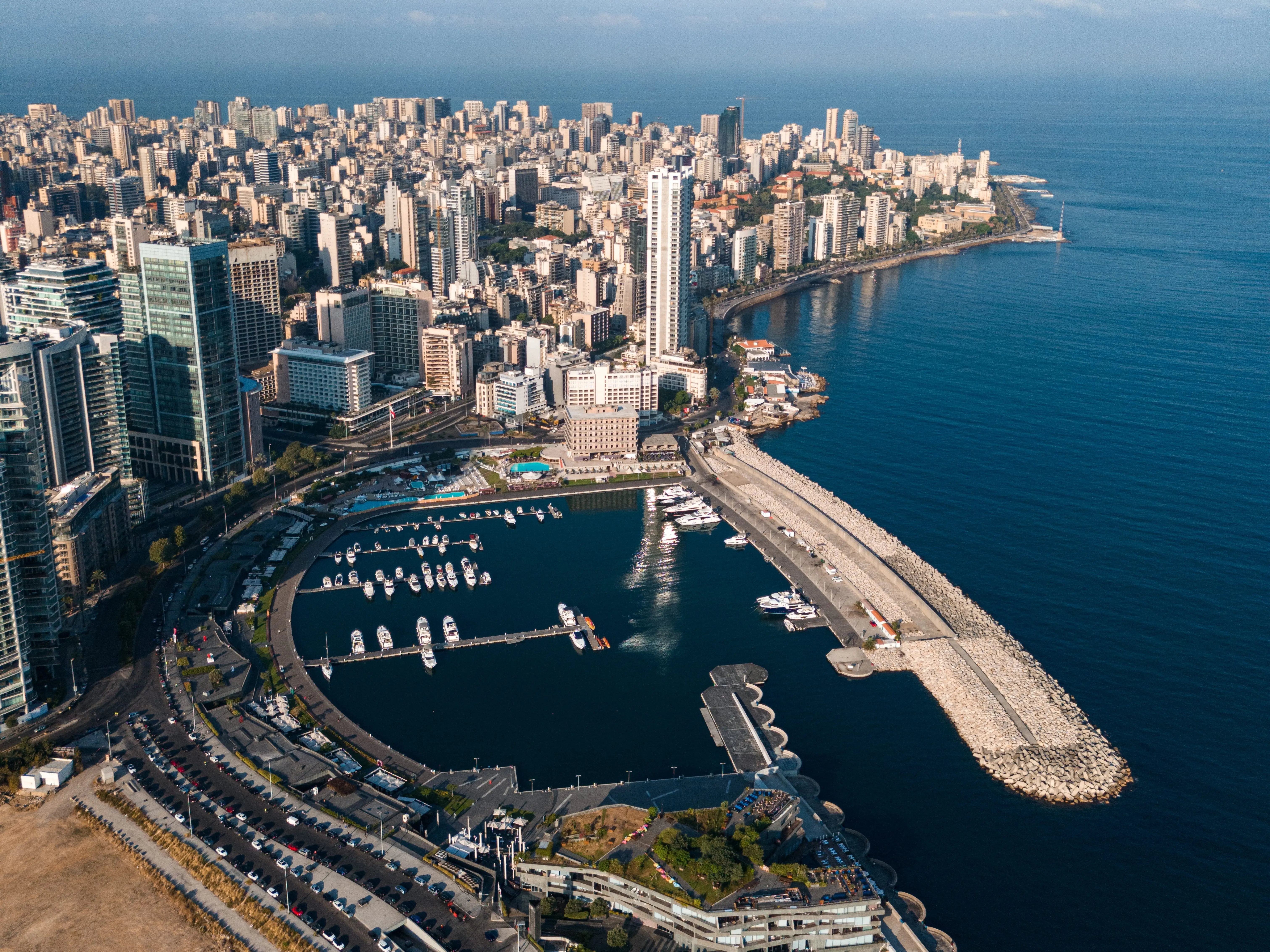
At just over 4,000 square miles, Lebanon is just a bit bigger than Puerto Rico.
A lengthy civil war from 1975 to 1990 left scars in its capital city of Beirut and beyond. In recent years, an economic crisis has taken a toll. Meanwhile, conflicts in neighboring Israel and Syria have also affected Lebanon.
The US government has said that terrorist groups operating in Lebanon put travelers at risk. There have been suicide bombings, and a gunman opened fire at the embassy in Beirut in June 2024.
The country’s level four travel advisory warns of crime, terrorism, civil unrest, kidnapping, armed conflict, and unexploded land mines.
The State Department also warns that US citizens should especially avoid Southern Lebanon, the country’s border with Syria, and refugee settlements, urging them to depart if they are there.
Visitors should take the advised security measures for high-risk countries and have a kidnapping protocol in place with family members, per the State Department.
Libya
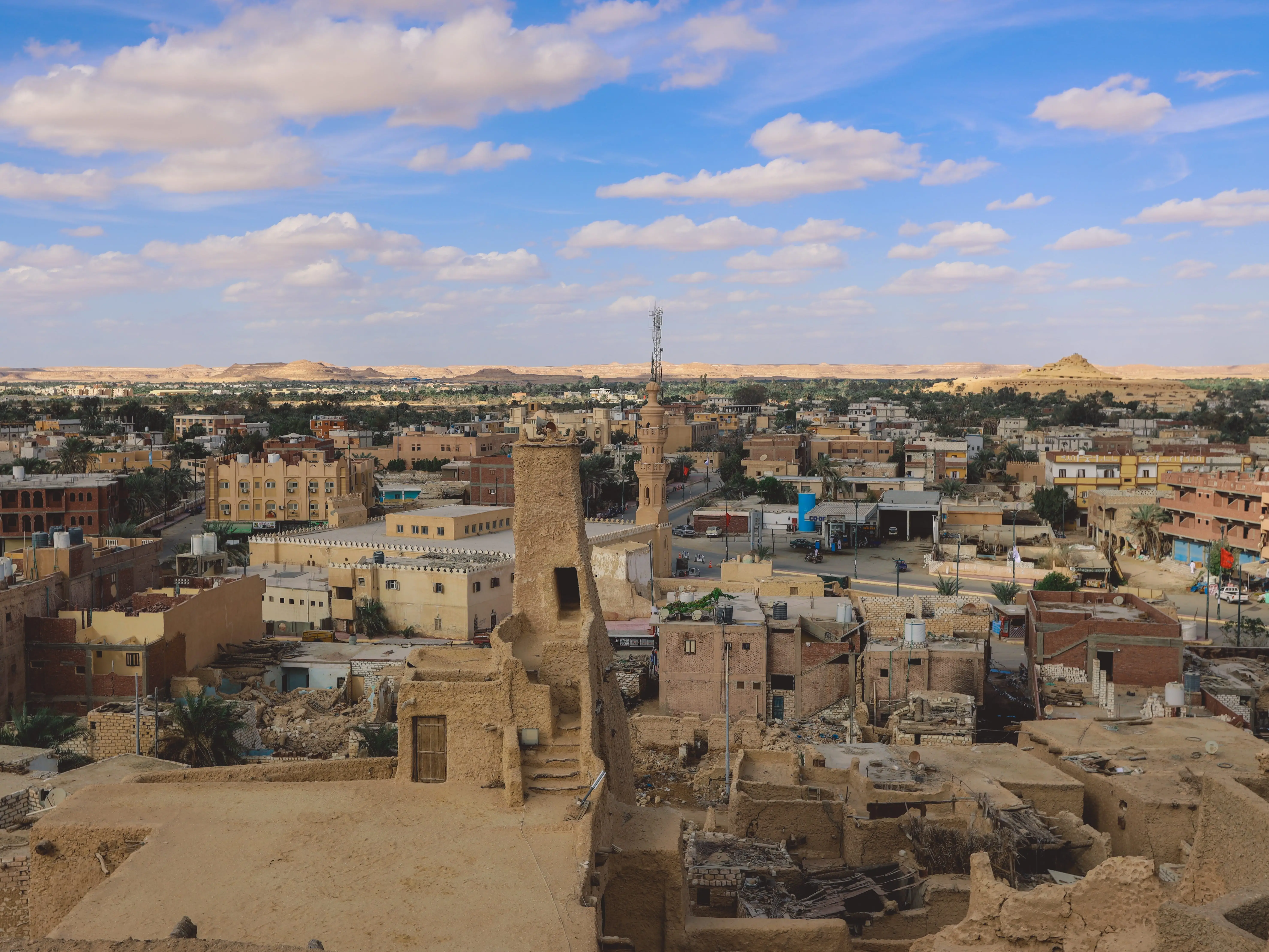
Situated between Egypt and Algeria, Libya has a coastline along the gorgeous Mediterranean Sea. Roman emperor Septimius Severus was born in Leptis Magna, an UNESCO World Heritage site with striking ruins of large, impressive buildings.
Violence, including two recent civil wars, has marred the country. Armed groups have attacked hotels and airports in Tripoli, Sruman, and other cities, according to the State Department. The US Embassy hasn’t been active in Tripoli since 2014.
The State Department warns of violent crime, terrorism, unexploded land mines, civil unrest, widespread kidnapping, and armed conflict throughout the country, and suggests that US citizens draft a will and consult with a professional security organization if traveling to the country.
The agency urges US citizens in the country to depart as soon as possible via commercial means, even though US commercial flights aren’t allowed to operate within the country’s airspace.
Mali
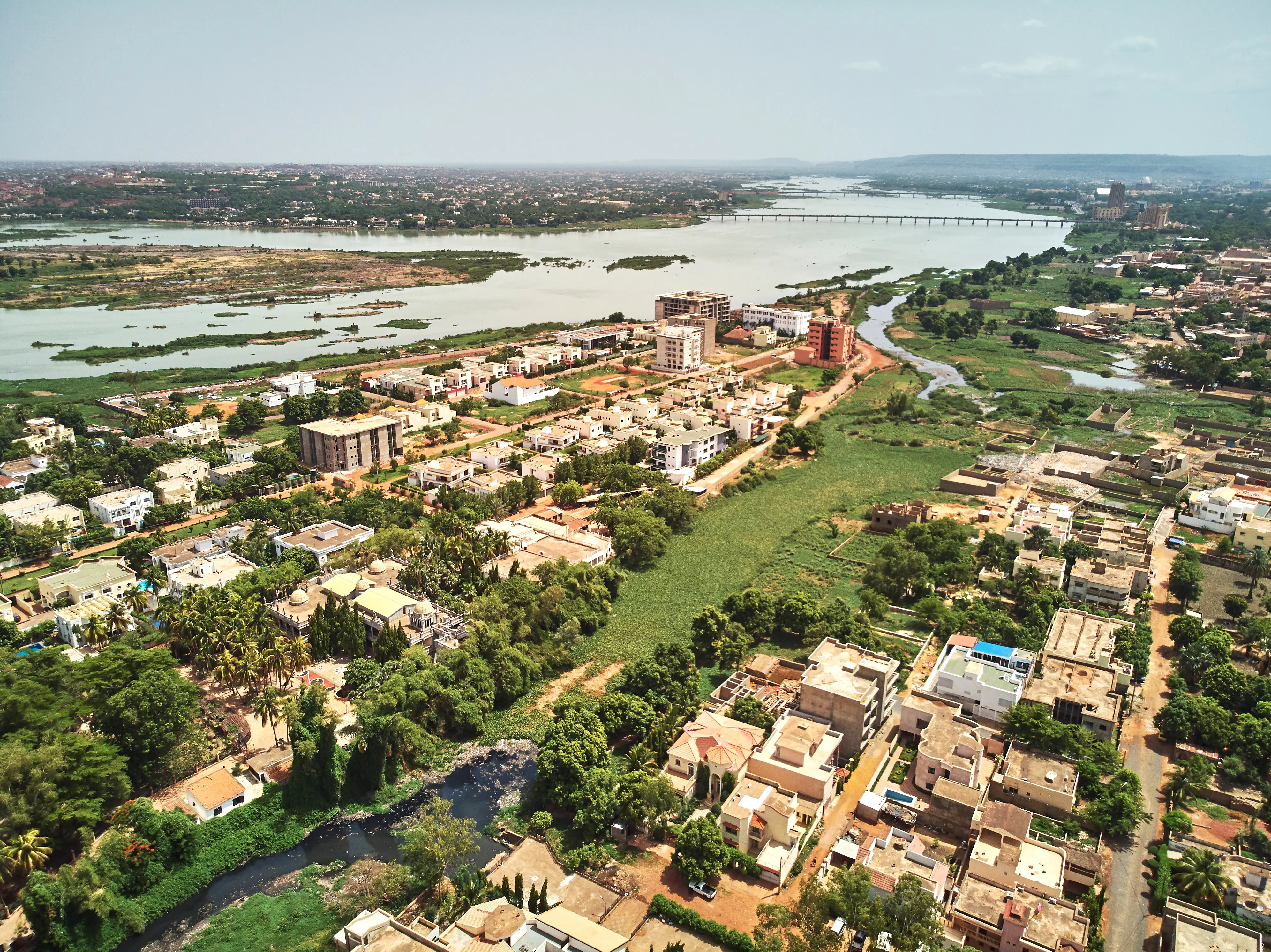
Centuries-old mosques can be found in Mali’s Timbuktu, symbols of its history as a seat of Islamic culture and learning. Its marketplace drew travelers and traders during the 15th and 16th centuries.
To the southwest of Timbuktu is Bamako, Mali’s capital. Outside the city and in other parts of the country, terrorists and kidnappers target foreign visitors in the hopes of getting a ransom, according to OSAC. US personnel aren’t allowed to visit nightclubs or attend concerts for safety reasons.
The State Department’s advisory warns of terrorism, civil unrest, inadequate health services, and violent crime, including kidnapping, throughout the country.
Some advice for traveling in Mali includes avoiding walking deserted streets at night, carrying minimal cash, not leaving valuables in your hotel, and looking for a well-lit area when stopped by police.
US citizens are also advised to avoid travel outside Bamako and to have a plan to leave an emergency plan that doesn’t require help from the US government.
Myanmar (Burma)
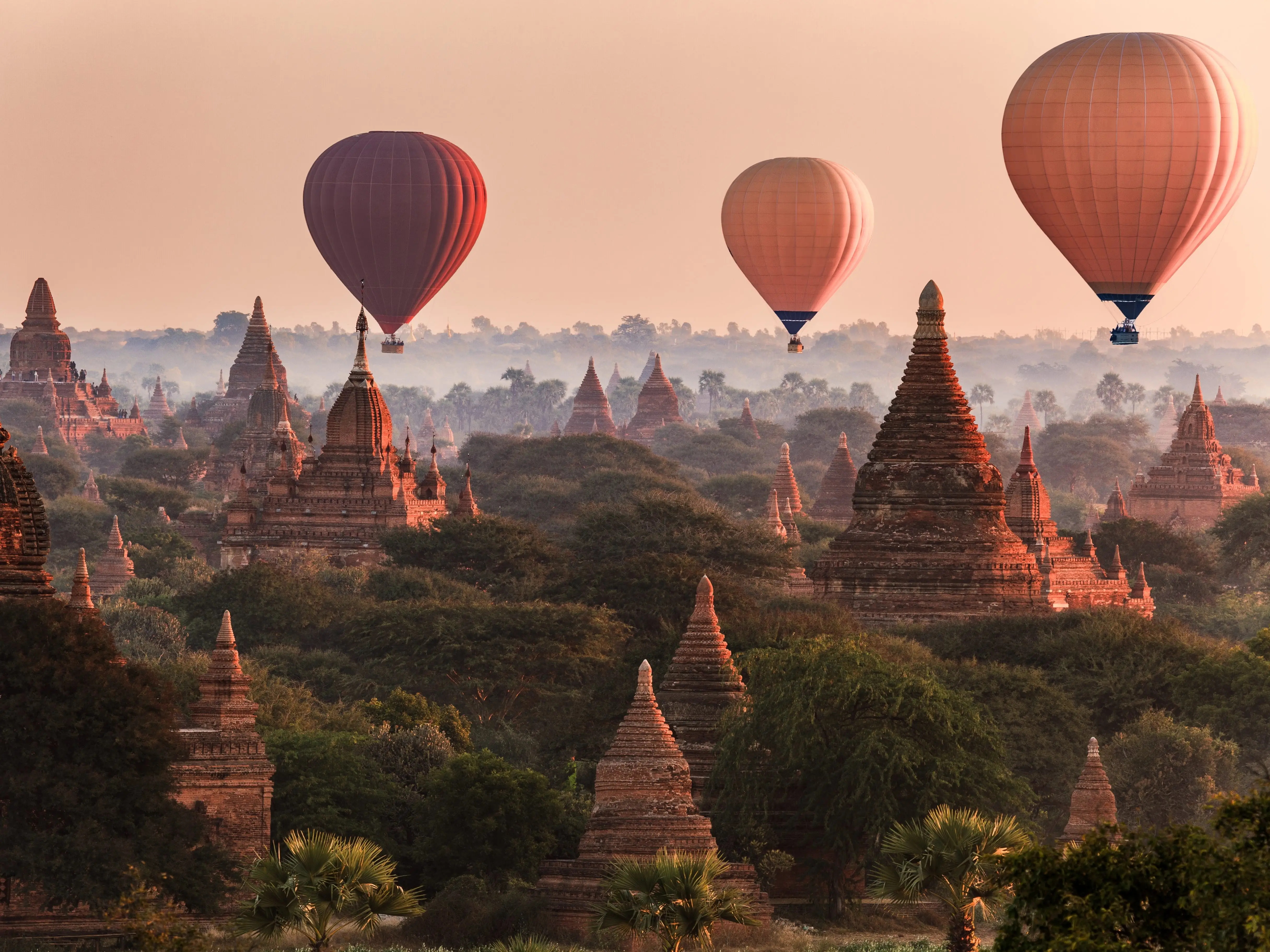
Located on the Bay of Bengal in Southeast Asia, Myanmar boasts a fascinating mix of architecture, from pagodas and palaces to colonial hotels and government offices. One stupa, or pagoda, the Shwedagon, is the country’s most sacred Buddhist site.
A coup in 2021 sparked demonstrations. The military detained protestors and used force against them and bystanders, according to the State Department.
The risk of continued civil unrest and wrongful detentions, and arbitrary arrests, as well as poor health infrastructure, land mines, and crime, makes it unwise to travel to the country, according to the US State Department travel advisory.
Some armed groups have used improvised explosive devices in Yangon, Myanmar’s largest city, while NGOs have reported land mines in Shan State, Chin State, and Kachin State.
Niger
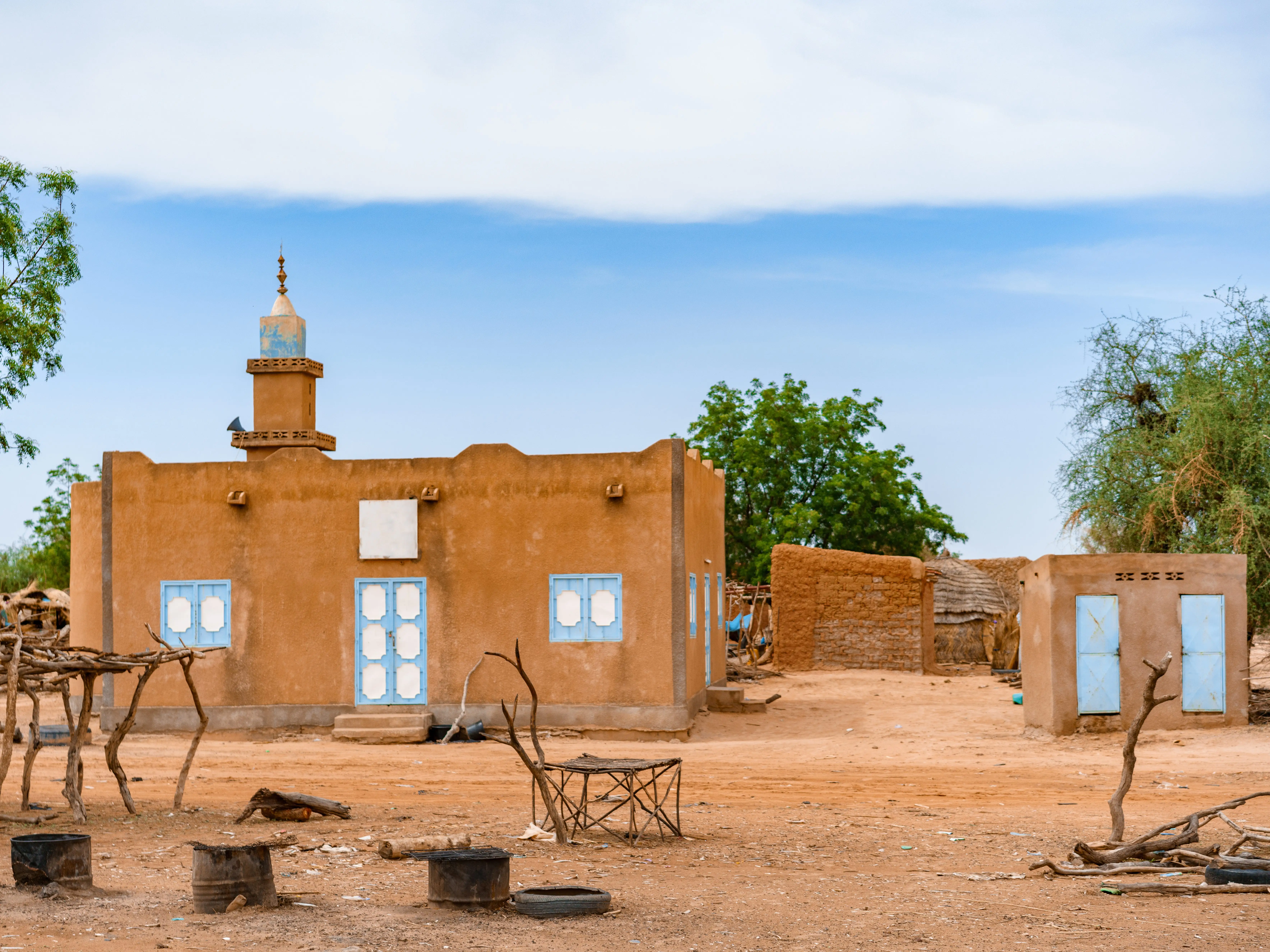
Visitors to the landlocked African country of Niger can explore the ancient mud-brick mosque of Grande Mosquée d’Agadez and the storied old town of Agadez, as well as see the Sahara Desert and the country’s unique wildlife.
In October 2025, the US authorized that all government employees leave the country due to widespread safety concerns. Parts of the country have been under a state of emergency for over a decade, and local authorities “require military escorts for any foreigners” traveling outside the capital, Niamey, per the US State Department.
The agency warns of violent crime, civil unrest, terrorism, limited health services, and kidnapping throughout the country.
If they choose to visit anyway, US citizens are advised by the government to draft a will and have an emergency plan that doesn’t depend on support from the US Embassy.
North Korea
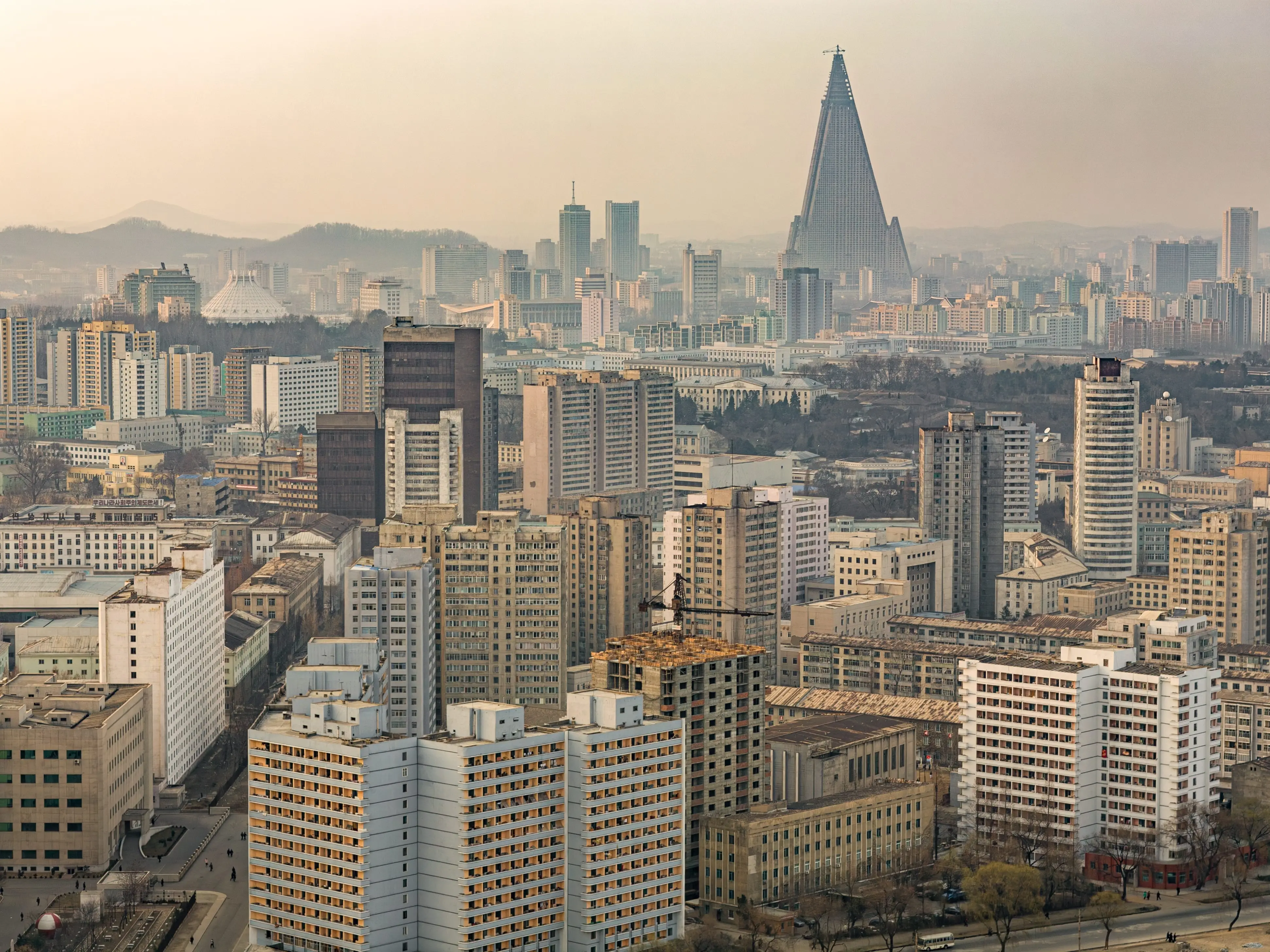
One of the world’s most mysterious and isolated countries, North Korea shares borders with South Korea, China, and Russia. Kim Jong-Un took over the presidency in 2011, continuing a family dynasty that’s been in power since the 1950s.
In 2025, North Korea reopened to Western tourists for the first time since the pandemic. The State Department warns that US nationals may be arrested and held for extended periods.
It warns that it cannot provide emergency services to its citizens who are detained, as the two countries do not have diplomatic relations.
Russia
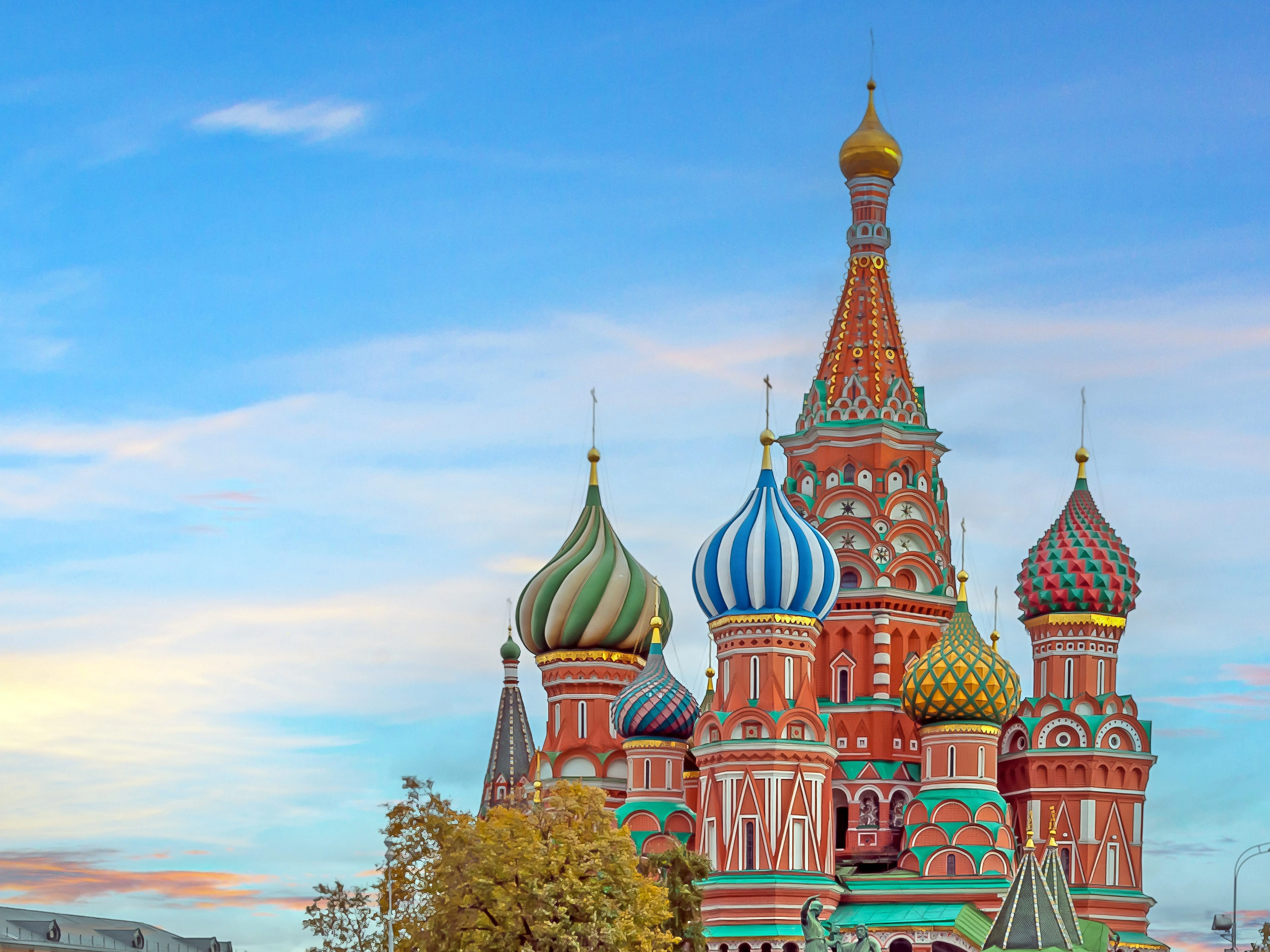
Russia’s cities contain dazzling buildings, and its landscape is breathtaking. Siberia’s Lake Baikal is the planet’s oldest and deepest. The world’s last woolly mammoths lived and died out on Wrangel Island, where polar bears, musk oxen, and walruses now congregate.
Due to Russia’s invasion of Ukraine, the US State Department has declared it unsafe for US citizens, who may face harassment or detention. The US State Department urges every US citizen in the country to leave immediately, and notes that authorities might not inform the US government if an American is arrested.
The US’ travel advisory also cited drone attacks and explosions in Moscow, St. Petersburg, locations near the Ukrainian border, and other areas.
The State Department notes there may be risks for those with dual US-Russian nationality. Because the situation is volatile, travelers should stay informed about the latest local news while visiting.
Digital communications also pose a risk, and the agency advises US citizens to reconsider bringing any electronic devices into the country, as the Russian government’s security services closely monitor electronic communications and can use them to arrest foreign nationals.
Those who still choose to travel to the country are advised by the government to prepare for wrongful detention, draft a will, and leave DNA samples with a medical provider.
Somalia
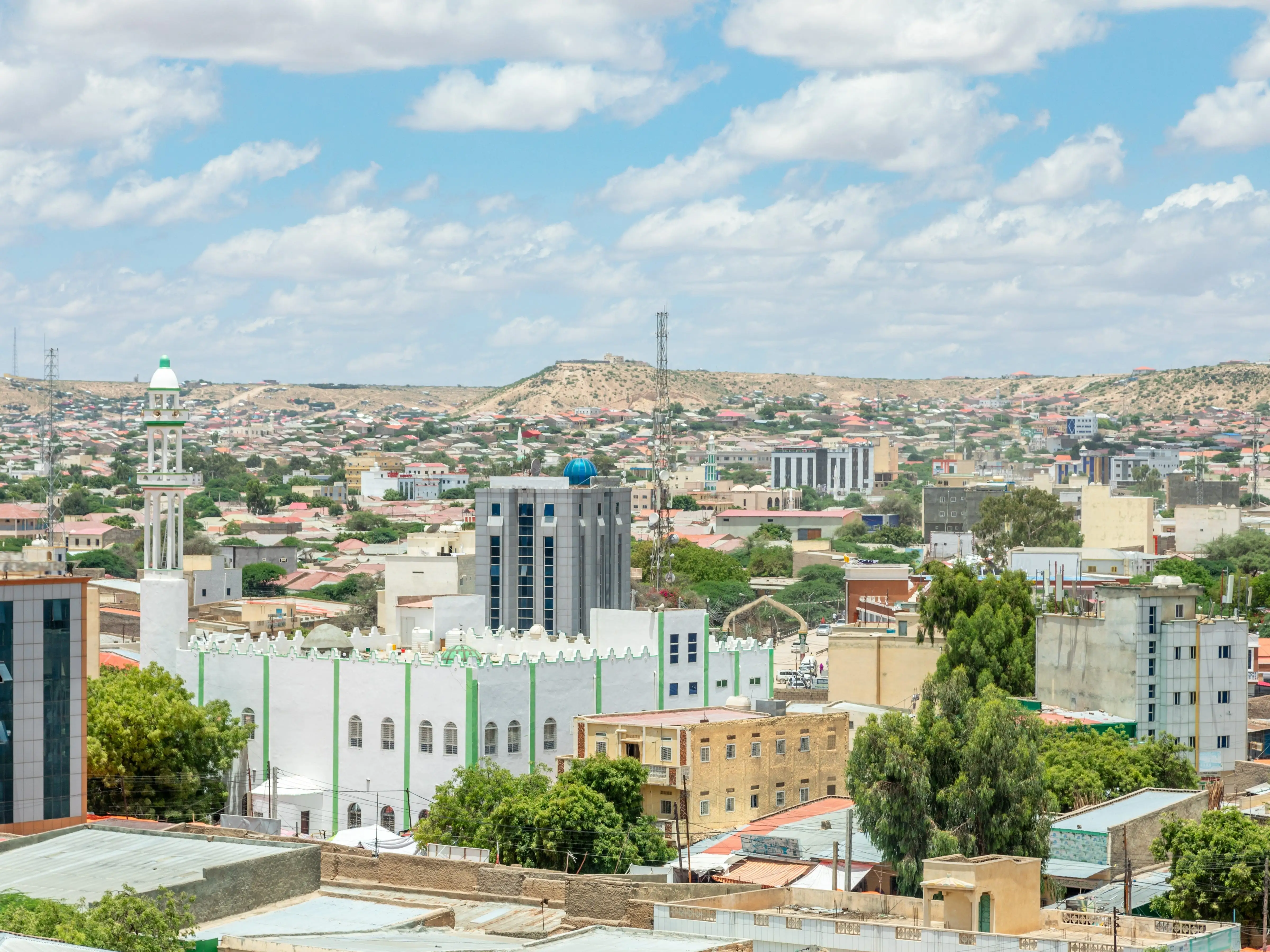
Located in the Horn of Africa, Somalia’s lengthy coastline borders the Gulf of Aden and the Indian Ocean. Somali archaeologist Sada Mire has called the capital, Mogadishu, an “unbreakable pearl,” tracing its history as a trade center back to the first century AD.
During the 1990s, Somalia experienced famine and civil war. Instability continued in the form of terror attacks, including a suicide bombing on a popular beach in 2024.
Due to the possibility of kidnapping, terrorism, and civil unrest, the US has issued a do-not-travel advisory. The State Department notes that the US also has very limited consular services in the country and that health services in Somalia can be limited and absent in rural areas.
The State Department also advised against sailing near Somalia’s coast due to piracy.
South Sudan
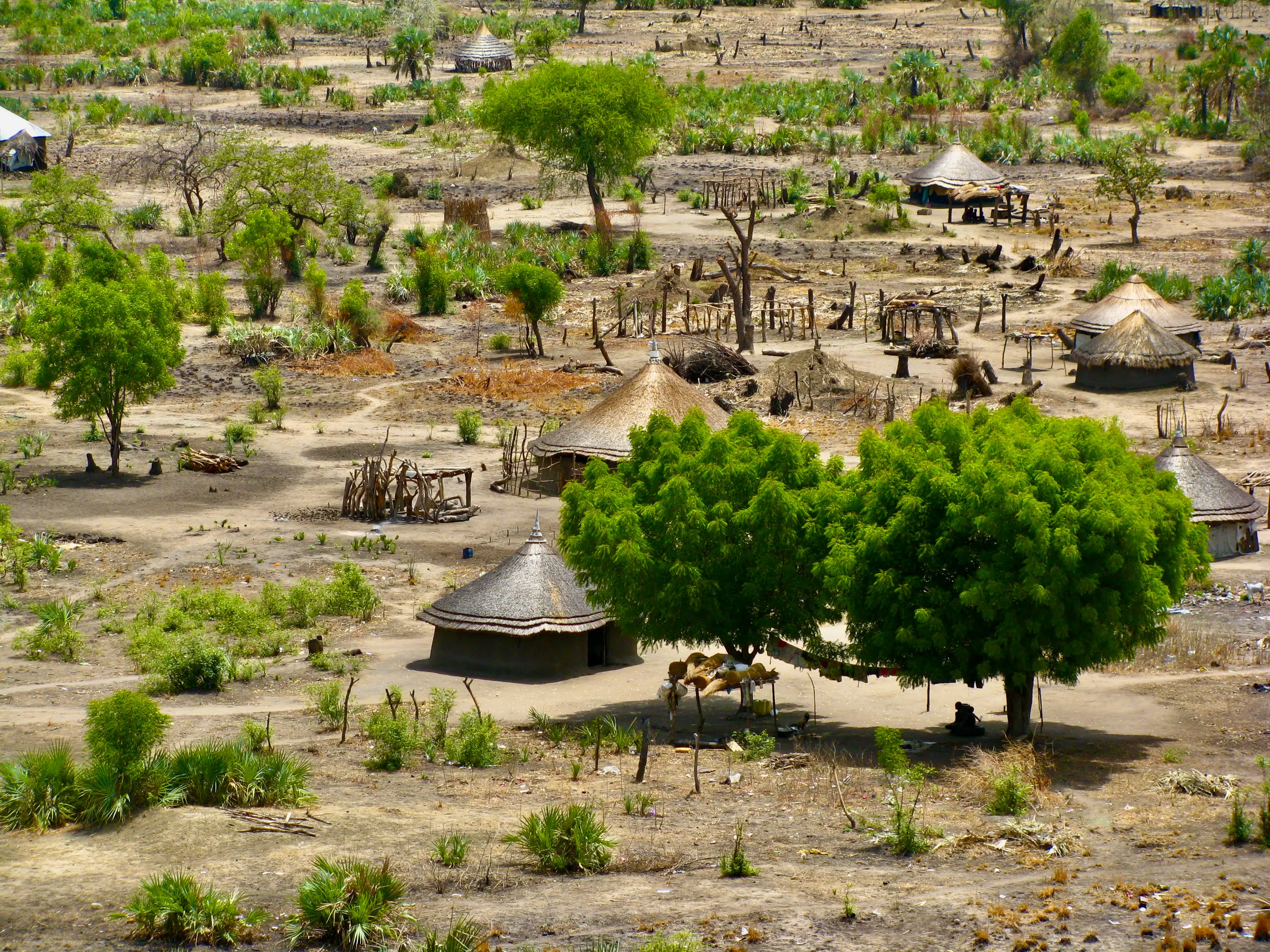
It was only during the 21st century that South Sudan declared its independence and was recognized as a sovereign state. Its neighbors include Sudan, Ethiopia, and the Democratic Republic of Congo.
Its short history was dominated by a civil war, and a new conflict is brewing between the military and an opposition force, which clashed near the Ethiopian border. NGOs, the UN, and others have found it difficult to accurately assess crime levels, but firearms easily cross the border from Sudan, according to OSAC.
The US State Department warns of civil unrest, violent crimes, kidnapping, unexploded land mines, and limited health services in the country and urges US citizens not to travel to the country for any reason.
Anyone traveling in South Sudan should avoid its border areas and adhere to restrictions around public photography and videography, the State Department says.
Sudan
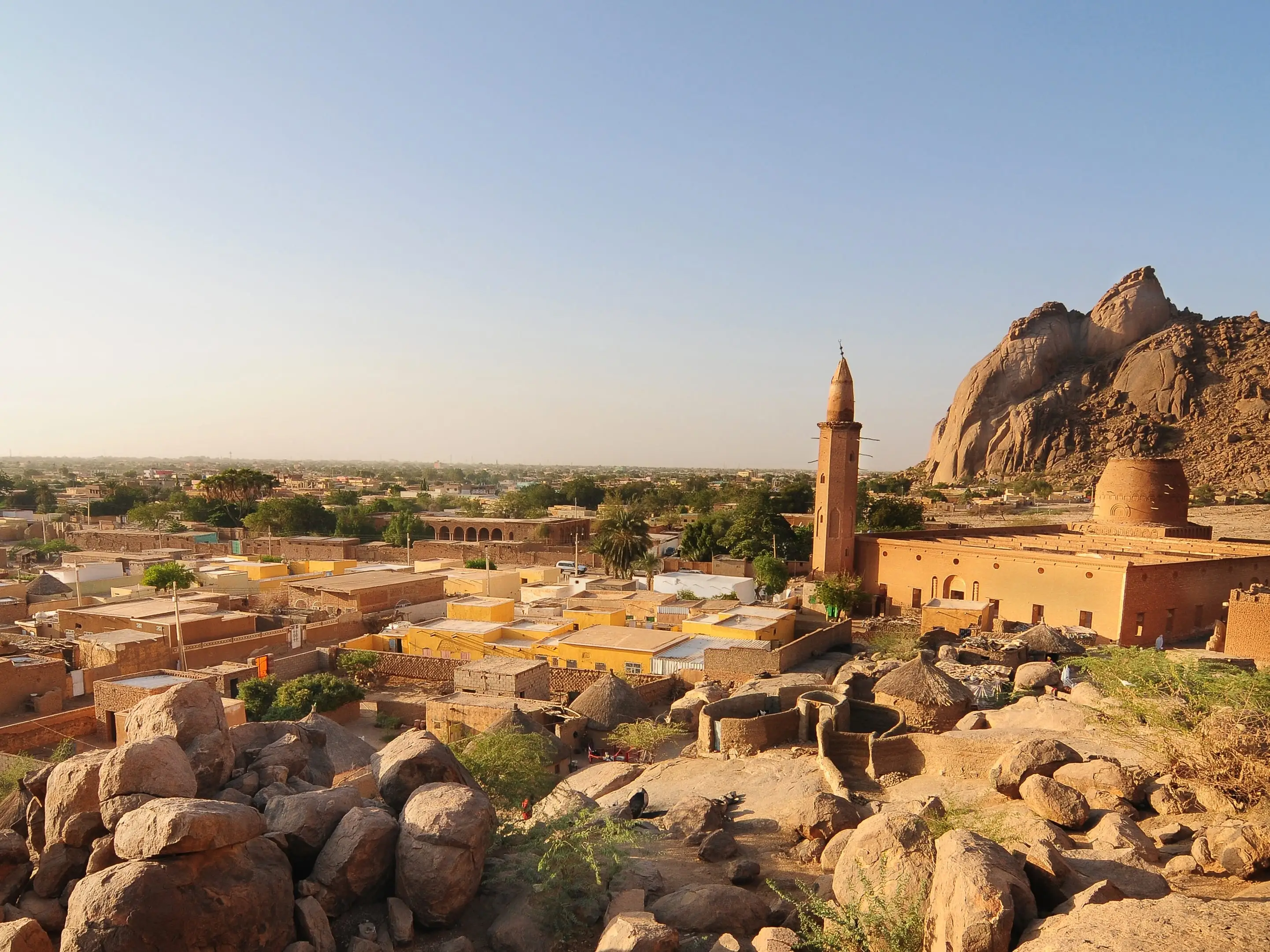
Khartoum, Sudan, is where the Blue and White Niles meet. Meroë is further north, where ancient Kushite rulers lived and were buried in pyramids. Some date back to the third century BCE; several have collapsed but others retain decorative carvings.
Civil war threatens not only the archaeological history but locals and travelers. Officials at the US Embassy hastily evacuated Khartoum in 2023, soon after the conflict broke out. Various groups frequently engage in violent fighting, the State Department says.
The Darfur, Khartoum, and Kordofan regions have all been sites for kidnappings, according to OSAC. The Khartoum International Airport is closed.
The State Department warns of widespread violent crime, kidnapping, terrorism, unrest, unexploded land mines, and extremely limited health services in the country.
The US travel advisory suggests travelers be aware of their surroundings, especially in locations where Westerners typically visit, and that they draft a proof-of-life protocol with loved ones in case of kidnapping.
Syria
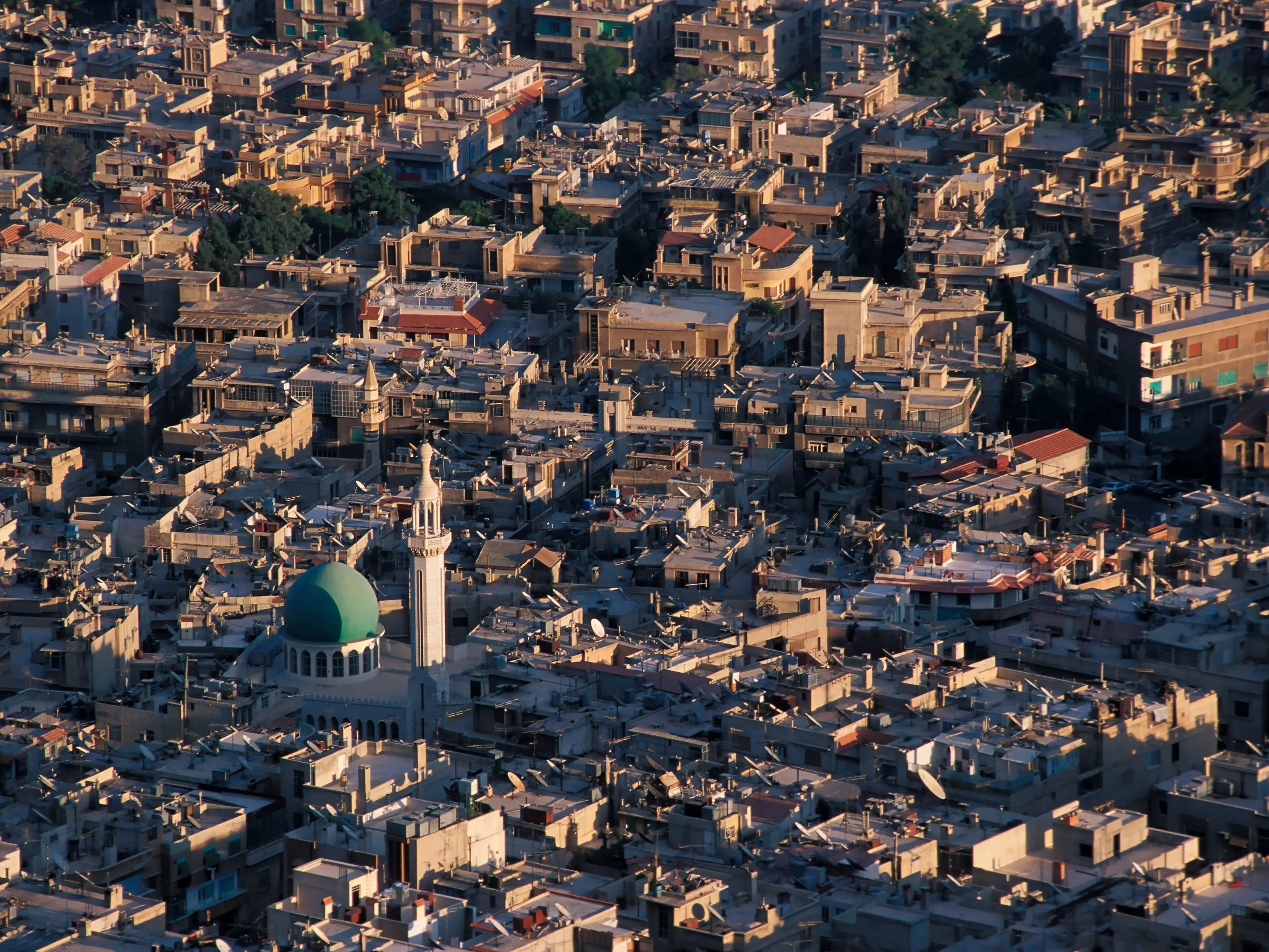
Not only is Damascus the capital of Syria, but it’s also the seat of cultural history. Established over 2,000 years ago, it’s one of the oldest cities in the Middle East. Evidence of its Roman and Byzantine past exists alongside important Islamic monuments such as the Umayyad Mosque.
Despite the allure of these ancient sites, the US doesn’t recommend travel to Syria. A lengthy civil war broke out in 2011, with efforts to oust Bashar Assad from power. Since Assad resigned at the end of 2024, violence has continued to erupt in parts of western Syria.
The State Department has also warned that terrorism, kidnapping and hostage-taking, and unjust detention are risks in Syria, saying that “no part of Syria is safe from violence.”
The agency recommends visitors set up proof-of-life protocols with loved ones, among other precautions, before and during travel.
Ukraine
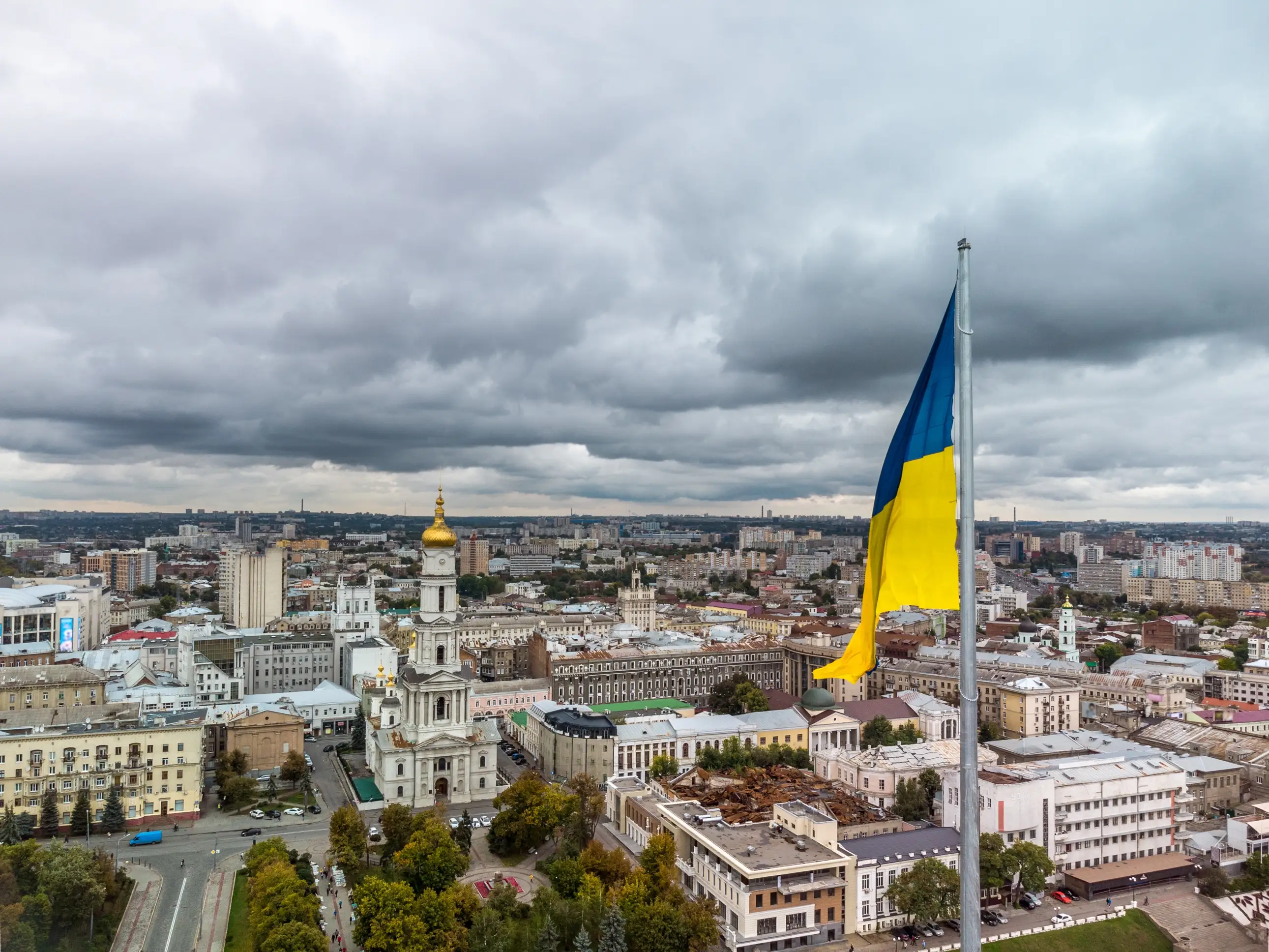
Much like Istanbul’s Hagia Sofia, for which it was named, the Saint Sophia Cathedral serves as an eye-catching landmark in Kyiv. It’s just one of the Ukrainian capital’s architectural treasures.
Russia invaded Ukraine in 2022, and years of fighting have ensued, mainly in the east, where the border lies. Belarusian troops are also present along its border with Ukraine.
The ongoing conflict is the principal reason the US government cautions against visiting. Areas that aren’t on the frontline of fighting could still experience drone and missile attacks, the State Department notes.
Drafting a will, coordinating a security plan, and creating a communication protocol with loved ones are just a few of the steps suggested on the travel advisory website.
Venezuela
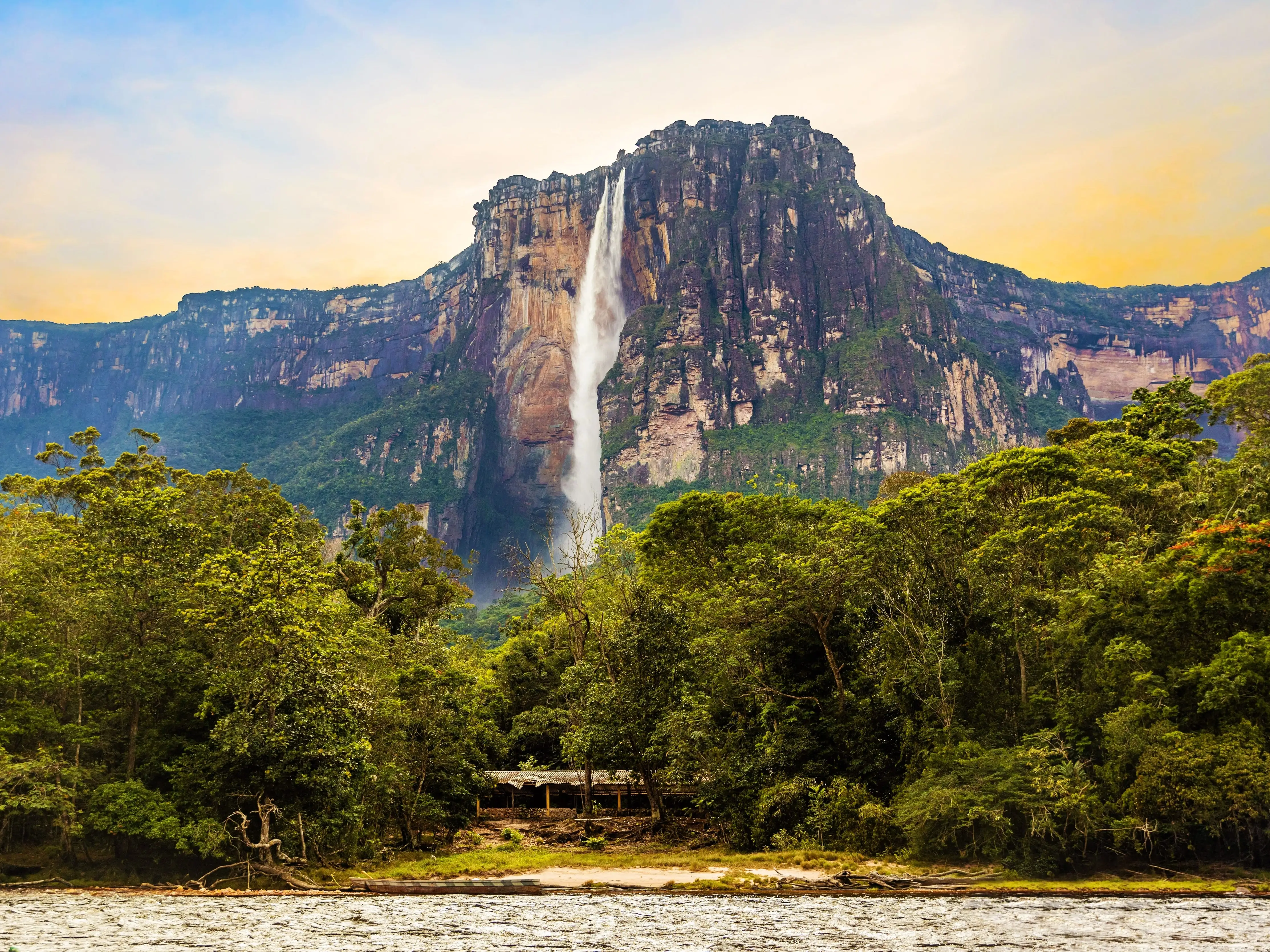
With its dizzying height of over 3,000 feet, the Salto Ángel waterfall has drawn tourists for decades, though it’s notoriously tricky to access. It’s found in the southeast of Venezuela, in the Canaima National Park, in the Amazon rainforest near the border with Brazil and Guyana.
The country is in the midst of an economic and political crisis. Heavily reliant on oil for income, it suffered years of recession. In 2024, the US and several other countries refused to recognize the results of its presidential election, calling it fraudulent, BBC News reported at the time.
Since then, the US has launched a multifaceted military presence that has increased naval posture and tensions in the Caribbean and led to the capture of Venezuelan president Nicolás Maduro by US military forces in January.
The US Embassy ceased operations in Caracas in 2019 amid the country’s deep economic crisis. The State Department has issued warnings about arbitrary detentions and unpredictable enforcement of local laws. In 2023 and 2025, Venezuela released several Americans, some of whom were “wrongfully detained,” according to the US government.
The US State Department’s travel advisory emphasizes the “extreme danger to US citizens living in or traveling to Venezuela” and urges all US citizens and lawful permanent residents to leave the country immediately.
The travel advisory warns of wrongful detention and torture, arbitrary law enforcement, civil unrest, widespread violent crime, including kidnapping, and poor health services throughout the country.
Travelers who still choose to visit the country may want to hire a professional security team during their stay and prepare a will before their trip, according to the US travel advisory site.
Yemen
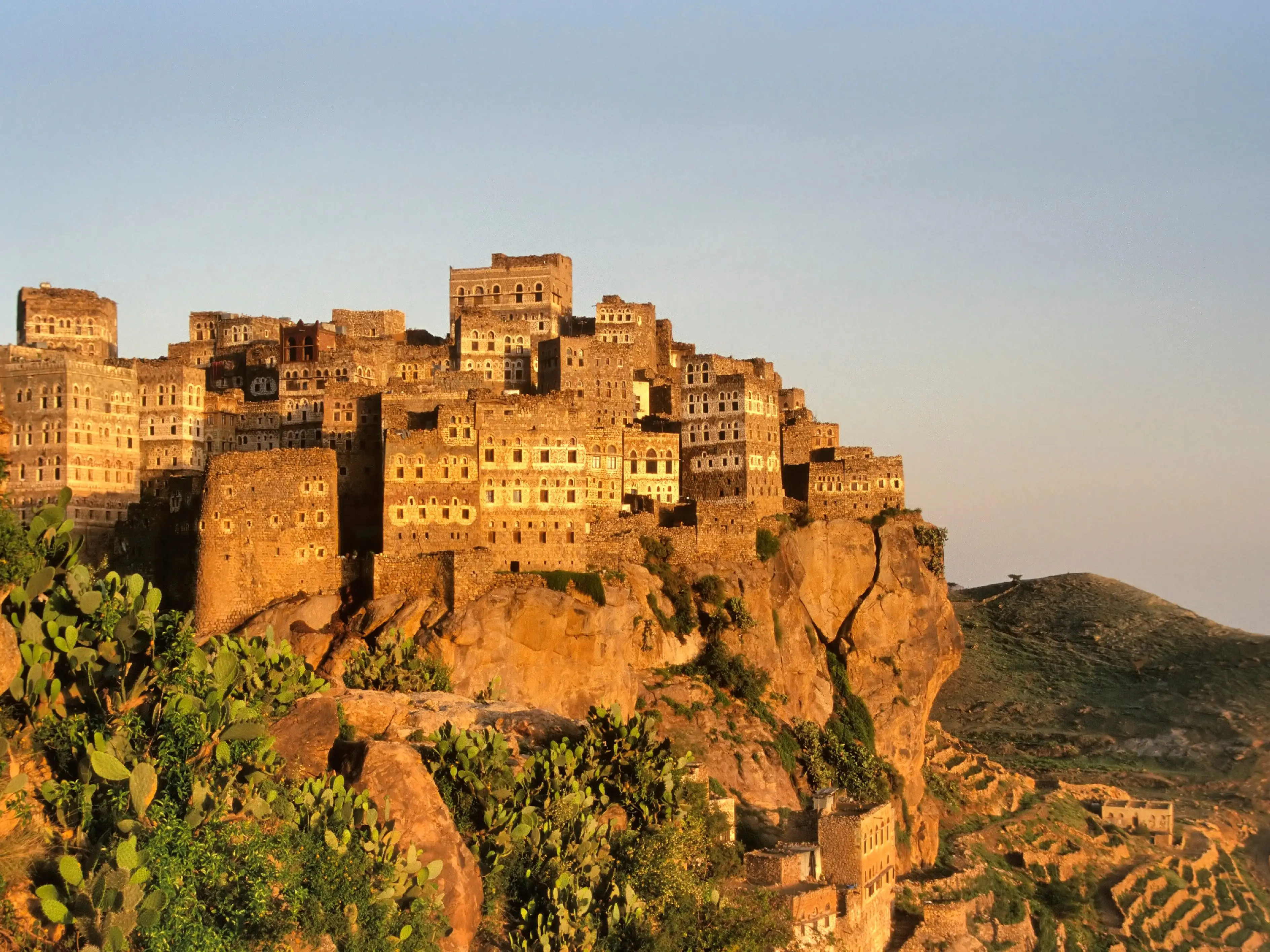
Beautiful gypsum patterns adorn red fired-brick buildings in the Old City of Sana’a. People have lived in this area of Yemen for over 2,500 years. The country is located on the Arabian Peninsula next to Saudi Arabia and Oman.
Yemen’s civil war started over a decade ago and continues today. The threat of armed conflict continues, according to OSAC. Detained US citizens have not been allowed to contact their families or the embassy, which suspended its operations in 2015.
The US travel advisory says US citizens should avoid travel to the country due to the threat of terrorism, civil unrest, unexploded land mines, crime, including kidnapping, and health risks.
The State Department warns against visiting the Yemeni island of Socotra. Some travel companies have offered trips there with unofficial visas, which puts travelers at risk, according to the travel advisory website.
Read the original article on Business Insider
The post These are the 21 most dangerous countries for US travelers, according to the State Department appeared first on Business Insider.