Charlotte Taylor Fryar is the author of the essay collection “Potomac Fever: Reflections on the Nation’s River.”
Sixty-one years ago, President Lyndon B. Johnson stood before Congress for his second State of the Union address and made a promise to the river flowing nearby. “We hope to make the Potomac a model of beauty here in the capital,” he said. To do this, his administration would “seek legal power to prevent pollution” and “step up our effort to control harmful wastes,” in part through increased funding for water and sewage infrastructure.
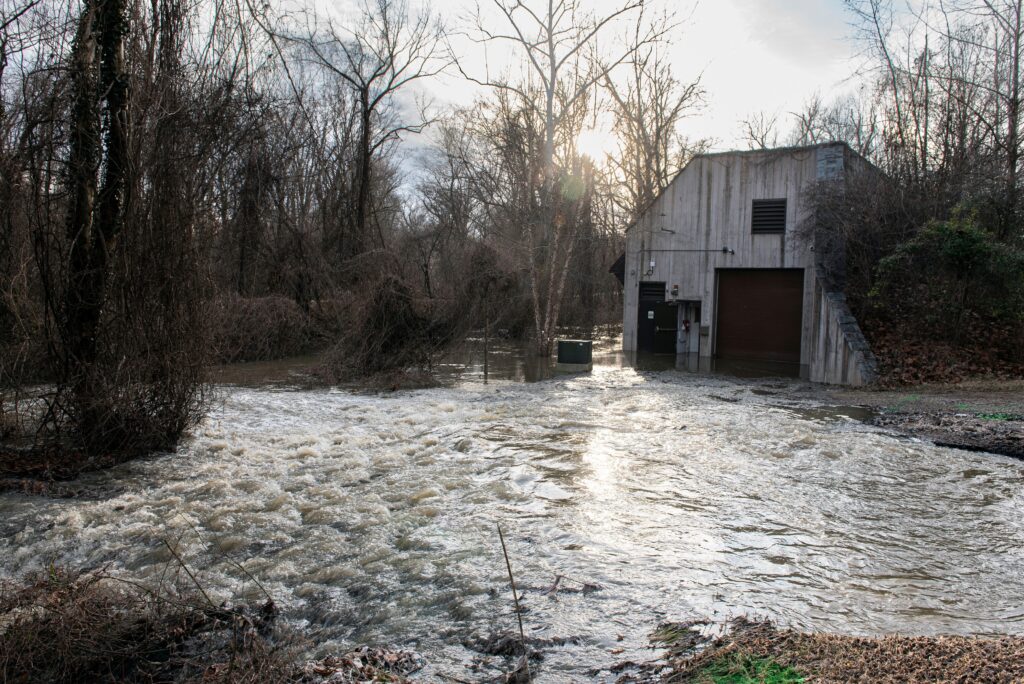
Last week, a section of the Potomac Interceptor, a 1960s sewer line that connects the Dulles International Airport area to a treatment facility in the District, collapsed. The rupture created a two-foot “geyser” of raw sewage and sent hundreds of millions of gallons of wastewater into the Potomac River just a few miles upriver from Washington. Over a week of emergency work, the D.C. Water and Sewer Authority — commonly known as D.C. Water — fashioned a temporary bypass that directed most of the flow back into the Interceptor via a segment of the Chesapeake & Ohio Canal. The authority is working to keep pumps running, but severe winter weather has made that challenging. Thursday was the first day no new sewage was spilled.
Potomac Riverkeeper Dean Naujok called it one of worst sewage spills in U.S. history, and it forebodes a major setback for the health of the river. Sewage contamination can trigger algal blooms that deplete oxygen, causing dead zones and mass fish kills. The influx of pathogens and chemicals can cause both immediate toxicity and long-term reproductive failure in wildlife, while heavy sedimentation and turbidity smothers lake-bed habitats and vegetation — the ecosystem’s foundation.
While the overflow has largely subsided, the ecological clock is just beginning to tick. Because the spill coincided with a cold snap, ice will act as a physical archive for the waste, locking nutrients into the water column rather than allowing them to dilute downstream. This creates a deceptive dormancy: In the current freeze, the decomposition clock has effectively paused, holding the sewage in place and potentially allowing more of the toxins to settle on the riverbed. Pathogens trapped in sediment can then be resuspended by spring rains, leading to chronic toxicity spikes. Further testing of both water and sediment through the spring and summer will show whether the river will be safe to swim this year, but right now that doesn’t seem likely. The most up-to-date sampling data found dangerous E. coli bacteria at rates nearly 12,000 times the safe limit.
The margin between what’s happened and an even greater public health disaster was razor-thin. The break occurred downstream of the Great Falls intake, the primary straw that pulls river water into the Dalecarlia Reservoir for treatment and distribution to city homes for drinking and bathing. But the city has a secondary intake at Little Falls, downstream of the spill, which now can’t be used. This catastrophe was predictable — and avoidable. The Potomac Interceptor is a 60-year-old, six-foot-wide concrete artery: Although a $625 million “high priority” rehabilitation project is underway, the upgrades simply did not come fast enough.
I live in Glen Echo, Maryland, a mile downriver from the break. My partner and I chose to live here for the proximity to the Potomac and the trails along the C&O Canal National Historic Park. A 15-minute walk out my door takes me to the edge of what the Potomac Conservancy celebrates as the wildest urban river in America, where my neighbors and I kayak, canoe, swim and hike. Eagles and ospreys perch on islands in the river, and rare plants bloom and flourish. The Potomac River Gorge, the stretch of the river where the sewer break occurred, is one of the East Coast’s biodiversity “hotspots,” home to 1,500 species, including nearly 200 that are rare, threatened or endangered.
When people ask me what I like about living in the D.C. area, I don’t talk about politics, policy or free museums. I tell them that here, “nature” and “city” are one and the same, and the Potomac River is our connector. The incredible access to wild spaces and the remarkable biodiversity of D.C. often feels like a secret. But this disaster has exposed a fundamental truth: The city’s connection to the river is only as resilient as its infrastructure. This spill should serve as a warning to other Americans that our ecological future cannot be sustained on 1960s blueprints.
In 1965, after President Johnson made his promises to the Potomac, he signed the Water Quality Act, which began the process of transforming what he had once described as a river of “decaying sewage and rotten algae” into a cleaner and healthier waterway. Now, with that transformation suddenly thrown into reverse by human-engineered disaster, comes a reminder: having a healthy river is a choice.
The post A ‘geyser’ of sewage turns back the clock on the Potomac appeared first on Washington Post.